
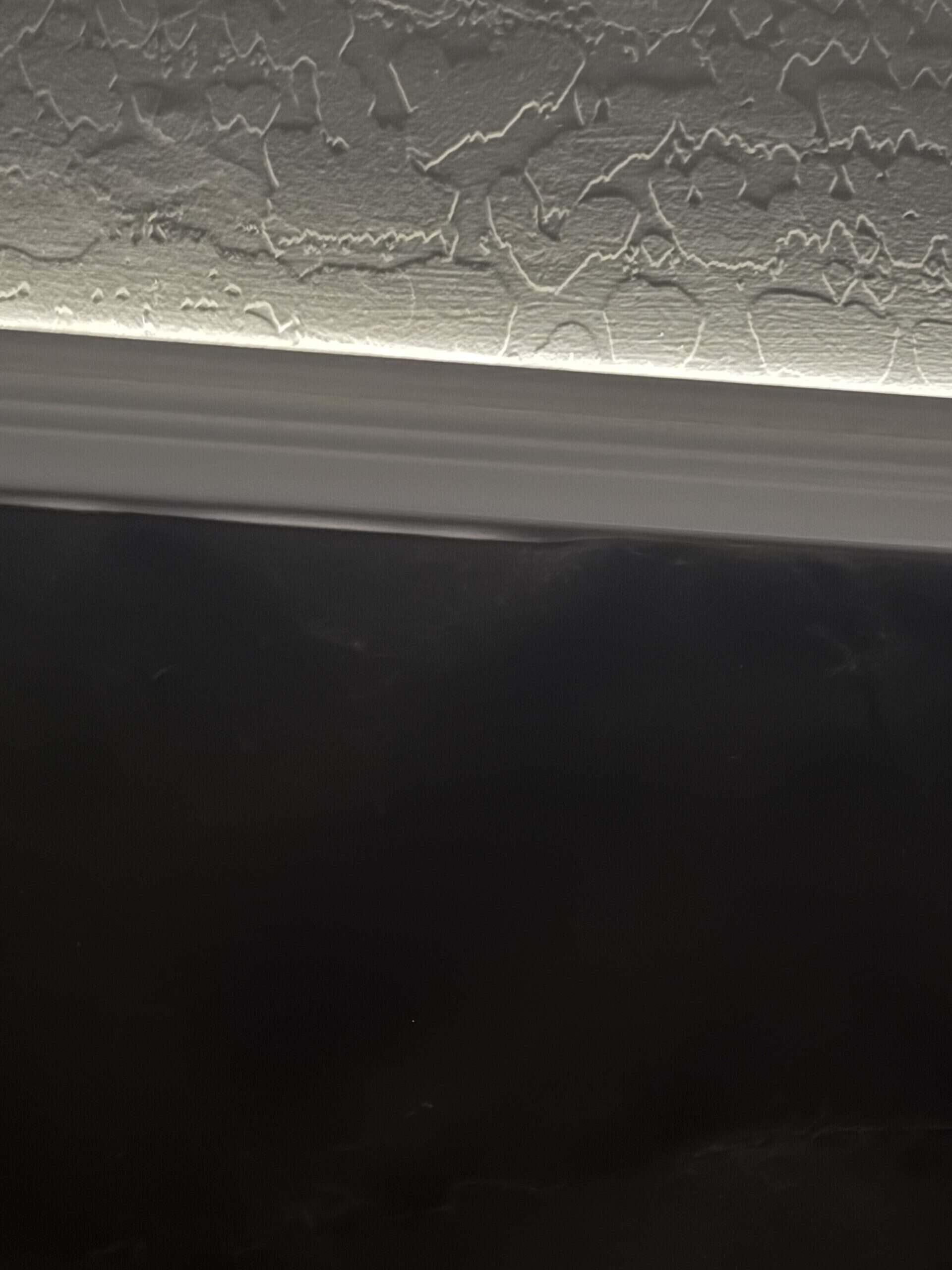
Blackout curtains block light through the fabric and almost never around the edges. The gap at the sides is where most leakage comes from, and it is a mounting problem rather than a fabric problem, which is why buying heavier curtains rarely fixes it. For more on this, see our guide to wrap-around rods and tracks.
Mine leak from the sides. One window lets a strip of glare in during the day, and I have not gotten around to fixing it, which is probably the most common state for this problem.
Quick Answer
Extend the rod several inches past the window on each side and mount it higher than the frame. Use wraparound rods or side channels to close the edge gap, and add a valance or ceiling mount to handle the top. The fabric is rarely the issue.
Where Light Actually Gets In
| Leak point | Cause | Fix |
|---|---|---|
| Sides | Rod too short, curtain hangs flat | Wraparound rod or side channel |
| Top | Gap between rod and wall | Valance, cornice, or ceiling mount |
| Bottom | Curtain too short | Longer panel, puddle on floor |
| Middle | Panels not overlapping | Overlap by several inches |
| Through fabric | Not genuinely blackout lined | Different curtain or added liner |
Sides are the most common by a wide margin, and the reason is geometry. A flat curtain on a rod ending at the window frame leaves a triangle of open space where light passes straight through.
Fixing the Sides
Extend the rod at least three to six inches past the frame on each side. That alone closes most of the gap, and it costs whatever a longer rod costs.
Wraparound rods curve back to the wall at each end, so the curtain ends flush against the wall rather than hanging free. This is the purpose-built solution and the most effective single change.
Side channels or magnetic strips hold the curtain edge to the wall or frame. Adhesive hook and loop tape achieves the same thing for very little, at the cost of appearance.
Wider panels help by letting the curtain fold back toward the wall rather than stretching flat, and rod options sit in no-drill blackout curtain rods.
The Window I Have Not Fixed
One of my windows leaks glare during the day, from the sides rather than through the fabric. It is not enough to affect sleep at night, which is why it has stayed unfixed.
That is worth saying plainly, because it is the realistic version of this problem for most people. Side leakage is annoying rather than urgent, and daytime glare on a wall does not carry the same cost as light hitting your face at six in the morning.
If it were affecting sleep I would deal with it, and the fix would be a wraparound rod rather than different curtains, since the fabric is doing its job.
I also have shutters on the windows, which handle part of the load and are probably why the leak is a strip of glare rather than a lit room, covered in whether you need blackout curtains with shutters.
Fixing the Top
Light entering above the rod is the second most common leak, and it appears as a glow along the ceiling.
Mounting the rod higher, ideally close to the ceiling, moves the gap away from the window and reduces how much light reaches it.
A valance or cornice box above the rod blocks the path entirely. This is the standard theatre and hotel approach for a reason.
Ceiling-mounted track removes the problem at the source, since there is no space above the curtain for light to enter through.
Fixing the Bottom and Middle
Curtains ending at the sill leave the wall below lit, and light reflects upward from there more than people expect.
Floor-length panels solve it, and letting them puddle slightly on the floor closes the last gap entirely.
Between panels, overlap is the fix. Two panels meeting exactly in the middle leave a seam that light passes through, and several inches of overlap removes it.
A single wide panel avoids the middle problem altogether, at the cost of being harder to open, and full options sit in blackout curtains for sleep.
Working Out Where Yours Leaks
Fixing this properly starts with identifying the actual gap, and that takes two minutes rather than guesswork.
Close the curtains during the brightest part of the day and sit in the room for five minutes with the lights off. Your eyes adjust, and leaks that were invisible on walking in become obvious.
Look at where the light lands rather than where it enters. A glow along the ceiling means the top, a bright vertical strip on the wall means the sides, and a lit patch on the floor means the bottom or the middle seam.
Run a hand along the curtain edge with the light behind it. You will feel where the fabric stands off the wall, and that gap is the one to close.
Check whether light is coming through the fabric itself by holding a section up to the window. Genuine blackout lining passes almost nothing, and a curtain sold as room-darkening rather than blackout will glow.
Doing this before buying anything prevents the common outcome of replacing perfectly good curtains when the rod was the problem.
Renter-Friendly Versions
Tension rods
Mounted inside the frame they eliminate side gaps entirely, though they cannot hold heavy curtains and the recess reduces coverage above.
Adhesive hook and loop tape
Holds curtain edges to the wall or frame and comes off cleanly. Not attractive and genuinely effective.
Command hooks with a second rod
Adhesive hooks either side of the window let a lightweight rod extend further than a drilled bracket would be permitted to.
Portable blackout panels
Suction or magnetic panels attach directly to the glass, which is the travel solution and works for a single problem window, covered in sleep masks for better sleep as the alternative approach.
When to Stop Chasing It
Total darkness is harder to achieve than it sounds, and each successive fix costs more for less benefit.
A sleep mask blocks light at your eyes, which is where it matters, and handles every leak at once for a fraction of the effort.
Standby lights, hallway light under the door, and a partner’s screen all continue after the window is solved, which is worth weighing before investing in the last few percent.
The reasonable target for most bedrooms is dark enough that you cannot read by it, rather than absolute, and comparisons sit in sleep mask against blackout curtains.
Related Reading
- blackout curtains for sleep
- no-drill curtain rods
- curtains against blinds
- do they block heat
- mask against curtains
- curtains with shutters
Part of our guide to improving sleep quality naturally.
Frequently Asked Questions
How do you stop light leaking around blackout curtains?
Extend the rod several inches past the frame, use a wraparound rod so the curtain meets the wall, and mount higher to close the top gap. Fabric is rarely the problem.
Why do my blackout curtains still let light in?
Almost always at the edges rather than through the fabric. A flat curtain on a short rod leaves an open triangle at each side that light passes straight through.
What is a wraparound curtain rod?
A rod that curves back to the wall at each end, so the curtain finishes flush against the wall instead of hanging free. It is the most effective single fix for side leakage.
Should curtains touch the floor?
For blackout purposes, yes. Sill-length panels leave the wall below lit and light reflects upward, and letting them puddle slightly closes the gap completely.
How do I fix light above the curtain?
Mount the rod near the ceiling, add a valance or cornice, or use ceiling-mounted track, which removes the space above the curtain entirely.
What works if I cannot drill?
Tension rods inside the frame remove side gaps, adhesive hook and loop tape holds curtain edges to the wall, and portable panels attach directly to the glass.
How do I find where mine is leaking?
Sit in the room with the lights off during the brightest part of the day. A glow on the ceiling means the top, a vertical strip on the wall means the sides.
Is total darkness worth chasing?
Up to a point. Each fix costs more for less benefit, and a sleep mask blocks light at your eyes and handles every leak at once for far less effort.
Recommended Reading
See our note on doorway curtains, and making a bedroom dark.
