
Disclosure: RestRight is reader-supported. As an Amazon Associate, we earn from qualifying purchases made through links on this page, at no extra cost to you.
Sciatica pain follows a frustrating pattern: it eases up during the day when you’re walking around, then comes back hard the moment you lie down. Around 2 or 3 a.m., the burning, shooting pain down the back of one leg wakes you up, and once it does, sleep is over. The mechanism is mechanical, not mysterious. Lying flat increases pressure on the L5-S1 nerve root by 30 to 50%, which is exactly the nerve that sciatica patients have inflamed. The position itself is making the pain worse. Comparing options? See our best pillows for sciatica roundup.
Learning how to sleep with sciatica is mostly about finding positions that decompress the nerve root instead of squeezing it. Most sleepers default to whatever position they grew up with, back, side, or stomach, without realizing that the same position causing comfortable sleep for 30 years can become the trigger for nightly wake-ups once sciatica starts. The fixes are specific and physical, not theoretical.
This guide covers the seven position adjustments, pillow placements, and product changes that actually reduce nighttime sciatica pain, based on biomechanical research and the practical experience of working through a personal sciatica episode that lasted nearly four months in 2024. Important note upfront: I’m not a doctor, and severe or progressive sciatica, especially with leg weakness, bowel or bladder changes, or pain following a fall or injury, warrants a medical evaluation before relying on position changes alone.
Why Sciatica Pain Spikes at Night
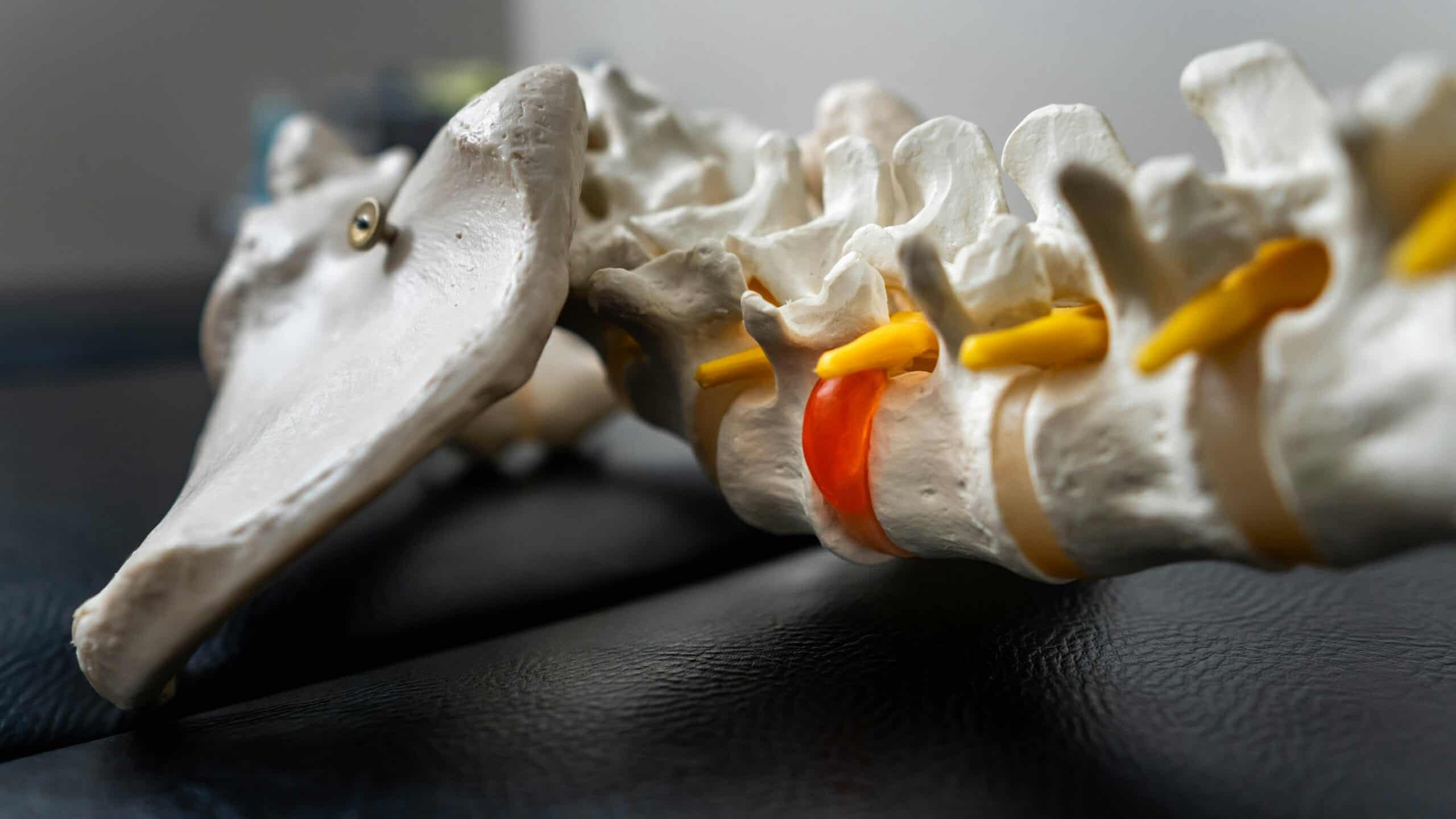
Sciatica isn’t a condition itself, it’s a symptom of nerve compression, usually at the L4-L5 or L5-S1 levels of the lumbar spine. The compression comes from a herniated disc, bone spurs, spinal stenosis, or piriformis muscle spasm pressing on the sciatic nerve root. During the day, gravity, walking, and natural spinal movement keep the discs hydrated and the nerve spaces open. At night, three things change at once.
First, the intervertebral discs rehydrate while you lie horizontal. The same discs are roughly 19% thicker first thing in the morning than they are at bedtime. Thicker discs press harder on the nerve roots if there’s already a herniation. Second, inflammation accumulates while the body is still, the lack of movement allows inflammatory chemicals to pool around the irritated nerve instead of clearing through normal circulation. Third, lying flat on your back or stomach mechanically compresses the lumbar spine in ways that standing or sitting do not. Each of these effects compounds the others.
The result is the classic sciatica sleep pattern: you fall asleep relatively comfortably, the pain builds gradually for two to four hours, and then a position shift or muscle spasm jolts you awake somewhere between midnight and 4 a.m. Understanding the mechanism matters because it tells you exactly what to fix, disc pressure, inflammation, and spinal alignment, in that order of importance.
Fix #1: Side Sleep with a Pillow Between Your Knees
The single highest-impact change for sciatica sufferers is switching to side sleeping with a firm pillow between the knees, specifically, sleeping on the non-painful side. This position decompresses the lumbar spine by roughly 30% compared to back sleeping, and the knee pillow keeps the hips from rotating inward, which would otherwise re-compress the nerve root through hip rotation.
The pillow needs to be firm and roughly 6 to 8 inches thick when compressed under leg weight. Most regular bed pillows are too soft and flatten out, which negates the alignment benefit within an hour. A purpose-built knee pillow with a contoured design and dense foam holds shape through the night.
Check Price on AmazonThe ComfiLife knee pillow is the budget-friendly default, dense memory foam, contoured shape, washable cover, and costs around $25. For severe sciatica or for sleepers who need more anatomical alignment, our best pillows for sciatica guide covers premium options with adjustable straps and zoned firmness.
Fix #2: The Fetal Position for Disc Pressure Relief
If side sleeping with a knee pillow isn’t enough, the fetal position, knees pulled toward the chest while on your side, provides the strongest disc decompression of any sleep position. Curling forward opens the spaces between the lumbar vertebrae and reduces pressure on herniated discs by an additional 15 to 20% beyond standard side sleeping.
The trade-off is that the fetal position can feel uncomfortable for sleepers not used to it, and holding the position throughout the night requires either training or a body pillow to support the curl. Don’t curl too tightly, the goal is gentle hip flexion, roughly 30 to 45 degrees of knee-toward-chest, not a tight ball. Tight curling creates new pressure issues in the cervical spine and shoulders.
Sleepers with disc herniation as the underlying cause typically respond best to the fetal position. Sleepers with spinal stenosis sometimes find the opposite, slight extension is more comfortable, so this position isn’t universal. Test it for a week and track whether pain decreases or increases compared to standard side sleeping.
Fix #3: Back Sleeping with a Pillow Under the Knees
For sleepers who can’t comfortably side-sleep, back sleeping is the second-best option, but only with the knees elevated. Placing a pillow or wedge under the knees flattens the lumbar curve and reduces pressure on the lower spine by approximately 50% compared to flat-back sleeping. This is the position most physical therapists recommend for acute disc herniation.
The pillow needs to be substantial, 6 to 8 inches of elevation under the knees, ideally with the calves resting on the cushion rather than hanging in the air. A standard bed pillow folded in half works for short-term testing, but a purpose-built leg elevation wedge is more comfortable for nightly use. Foam wedges sold specifically for leg elevation typically range from $35 to $70 and hold their shape far better than standard pillows.
Stomach sleeping should be avoided entirely during a sciatica episode. The position hyperextends the lumbar spine into the exact angle that maximizes nerve root compression, it’s the single worst position for sciatica pain and frequently the cause of severe nighttime spikes.
Fix #4: Adjust Your Mattress for Sciatica-Appropriate Support
The mattress underneath you is doing more work than most sleepers realize. Sciatica sufferers do best on medium-firm surfaces, roughly 6 to 6.5 on the standard 10-point firmness scale, that prevent the hips from sinking lower than the shoulders. Hip sinkage twists the lumbar spine and intensifies nerve compression throughout the night.
If your current mattress is more than 8 years old and showing visible body impressions, the support layer has likely failed, and the mattress is contributing to your nighttime pain. A full replacement isn’t always necessary, a quality firm mattress topper can restore enough support to substantially reduce sciatica symptoms within one to two weeks of use. Our best mattress toppers for sciatica guide covers the specific picks that work for sciatica-related back pain.
Check Price on AmazonFor a quick mattress firmness fix, the ViscoSoft high-density topper adds enough firm support to correct moderate hip sinkage without requiring a new mattress. The 5 PCF density holds up to consistent pressure over time, which is critical because softer toppers compress under hip weight within months, and the alignment benefit disappears.
Fix #5: The Reverse-Hug Position for Hip-Related Sciatica
When sciatica originates from piriformis syndrome rather than a disc herniation, the pain mechanism is different, the piriformis muscle in the buttock is spasming and pinching the sciatic nerve directly. For this version of sciatica, the standard fetal position can actually worsen symptoms because it shortens the piriformis muscle further.
The fix is what’s sometimes called the reverse-hug or modified figure-four position: side sleeping with the painful leg slightly straighter than the non-painful leg, with the upper knee resting on a pillow that’s slightly behind the body line rather than directly in front. This subtly stretches the piriformis and opens the space around the trapped nerve.
The distinction between disc-based and piriformis-based sciatica matters because the fixes are different. Disc-based sciatica typically presents with pain extending below the knee, while piriformis sciatica often stops at the upper thigh or buttock. If position changes targeted at disc relief don’t help within a week, the underlying mechanism may be piriformis-based, and trying the reverse-hug variation is worth a week of testing.
Fix #6: Address Heat and Cold Therapy Before Bed
The 30 minutes before sleep matter substantially for sciatica nighttime pain. Applying heat to the lower back and affected hip for 15 to 20 minutes before getting into bed increases blood flow to the area, reduces muscle tension around the spine, and pre-emptively decreases the inflammatory accumulation that drives 3 a.m. pain spikes.
A heating pad set to medium, not high, works well for this. High heat causes rebound inflammation and can actually worsen nighttime pain. Moist heat from a microwaveable rice pack or a warm shower works slightly better than dry heat for most sciatica sufferers, though the difference is modest. Cold therapy is generally not appropriate at bedtime; it can be useful during acute daytime flare-ups, but it typically increases muscle tension at night, which works against sleep.
For chronic sciatica that hasn’t responded to position changes alone, also work through our broader how to sleep with lower back pain guide, the overlap with sciatica protocols is substantial, and the supplementary strategies there often help when position-only fixes have plateaued.
Fix #7: Strategic Pre-Bedtime Movement
Movement before bed sounds counterintuitive, most sleep advice recommends winding down, but for sciatica specifically, the right movement reduces nighttime pain measurably. Five to 10 minutes of gentle stretching focused on the lower back, hip flexors, and piriformis muscle, done 30 to 60 minutes before bed, reduces overnight pain spikes for the majority of sciatica sufferers.
The specific stretches matter. Knee-to-chest stretches (one leg at a time, held for 30 seconds), a gentle figure-four stretch on the floor with the painful leg crossed over the non-painful knee, and a cat-cow yoga sequence cover the three main muscle groups that drive nighttime sciatica. Avoid anything that requires twisting the lumbar spine, twisting motions can aggravate disc-based sciatica significantly.
The goal isn’t a workout. It’s enough movement to clear inflammatory chemicals, lengthen the muscles around the affected nerve, and reset the spine for horizontal rest. Done consistently for a week, this single habit typically reduces nighttime pain enough to allow uninterrupted sleep, even when other position fixes have only partially worked.
When to See a Doctor for Sciatica
Position fixes work for most cases of mild-to-moderate sciatica caused by disc bulges, minor herniation, or muscle-based compression. They don’t work, and shouldn’t be relied on, for several specific scenarios. See a doctor immediately for sciatica accompanied by leg weakness, foot drop, numbness in the saddle area (inner thighs, genitals, buttocks), bowel or bladder changes, fever, recent significant trauma, or pain that worsens despite a week of consistent position fixes.
These symptoms can indicate cauda equina syndrome, infection, or significant nerve damage that requires medical intervention, sometimes urgently. Sciatica that’s been stable for years but suddenly intensifies sharply also warrants evaluation rather than self-treatment. For most cases, though, position fixes combined with the right mattress, pillow, and pre-bedtime routine resolve the nighttime sleep problem within two to four weeks.
This article isn’t medical advice, I’m a researcher who’s worked through a personal sciatica episode, not a physician. The position guidance reflects standard recommendations from physical therapy literature and personal experience that aligned with PT advice, but every individual case is different. When in doubt, see a healthcare provider.
Frequently Asked Questions
What’s the best position for sleeping with sciatica?
Side sleeping on the non-painful side with a firm pillow between the knees is the highest-impact position for most sciatica sufferers. This decompresses the lumbar spine by roughly 30% compared to back sleeping and prevents hip rotation that re-compresses the nerve root. For severe pain, the fetal position adds additional decompression by gently flexing the hips.
Is sleeping on your back bad for sciatica?
Flat back sleeping increases lumbar disc pressure significantly and typically worsens sciatica pain. However, back sleeping with a substantial pillow under the knees, 6 to 8 inches of elevation, reverses this effect and actually becomes one of the better positions. The key is the knee elevation, which flattens the lumbar curve and reduces nerve root pressure.
How long does sciatica usually last when sleeping?
Most acute sciatica episodes improve substantially within 4 to 6 weeks with consistent position adjustments, appropriate sleep surfaces, and gentle movement. Nighttime pain typically improves before daytime pain because the position-based fixes address the specific mechanism causing the nighttime spikes. Chronic sciatica that persists beyond 6 weeks usually warrants medical evaluation.
Should I sleep with a heating pad on for sciatica?
Sleeping with a heating pad on isn’t recommended for safety reasons, burn risk, fire hazard, and rebound inflammation are all real concerns. Apply heat for 15 to 20 minutes before bed at a medium setting, then turn it off before sleeping. This approach gets the benefit of heat-driven muscle relaxation without the overnight risks.
Why does my sciatica wake me up at 3 a.m.?
The 3 a.m. wake-up is a recognizable sciatica pattern caused by three combining factors: disc rehydration that increases pressure on inflamed nerve roots, inflammatory accumulation around the affected nerve, and the position-related compression that builds gradually over four to five hours of horizontal sleep. The combination peaks somewhere between midnight and 4 a.m. for most sufferers.
Can a firmer mattress help with sciatica?
Yes, but firmer isn’t always better. The right firmness for sciatica is medium-firm (6 to 6.5 on the 10-point scale), which prevents hip sinkage without creating new pressure points. Ultra-firm mattresses can worsen sciatica by failing to contour to the natural lumbar curve. A medium-firm mattress with a firm topper often works better than either extreme.
Are knee pillows actually effective for sciatica?
Yes, when chosen correctly. A firm knee pillow 6 to 8 inches thick measurably improves spinal alignment for side sleepers and reduces nighttime sciatica pain for most sufferers within the first few nights. Soft regular pillows compress too much to maintain alignment. Purpose-built memory foam knee pillows or dedicated leg-positioning systems consistently outperform standard pillows for this use.
How can I figure out if my sciatica is from a disc or from the piriformis muscle?
Disc-based sciatica typically causes pain that extends below the knee, often into the calf or foot, and worsens with bending forward or sitting. Piriformis-based sciatica usually stops at the upper thigh or buttock and worsens with sitting on hard surfaces or crossing the legs. The position fixes differ slightly, disc sciatica responds better to the fetal position; piriformis sciatica often responds better to the reverse-hug position. A physical therapist can diagnose definitively.
Recommended Reading
See also our guides to why do i drool in my sleep, and why sleep changes with age.
Related Reading
Explore more: how to sleep with tinnitus, Cold Feet, No Sleep? Why Freezing Toes Are Ruining Your Circ, nightlights better sleep, late exercise and sleep, why sleep changes with age, Talking in Your Sleep? The Science Behind Somniloquy, how to sleep after knee replacement surgery, and how to sleep on a plane.
This article is general information, not medical advice. Persistent or severe pain that disrupts sleep should be evaluated by a doctor, who can identify the cause and recommend treatment.
Sources
- American Academy of Orthopaedic Surgeons. OrthoInfo patient resources. https://orthoinfo.aaos.org/
- National Institutes of Health. MedlinePlus health topics. https://medlineplus.gov/
