
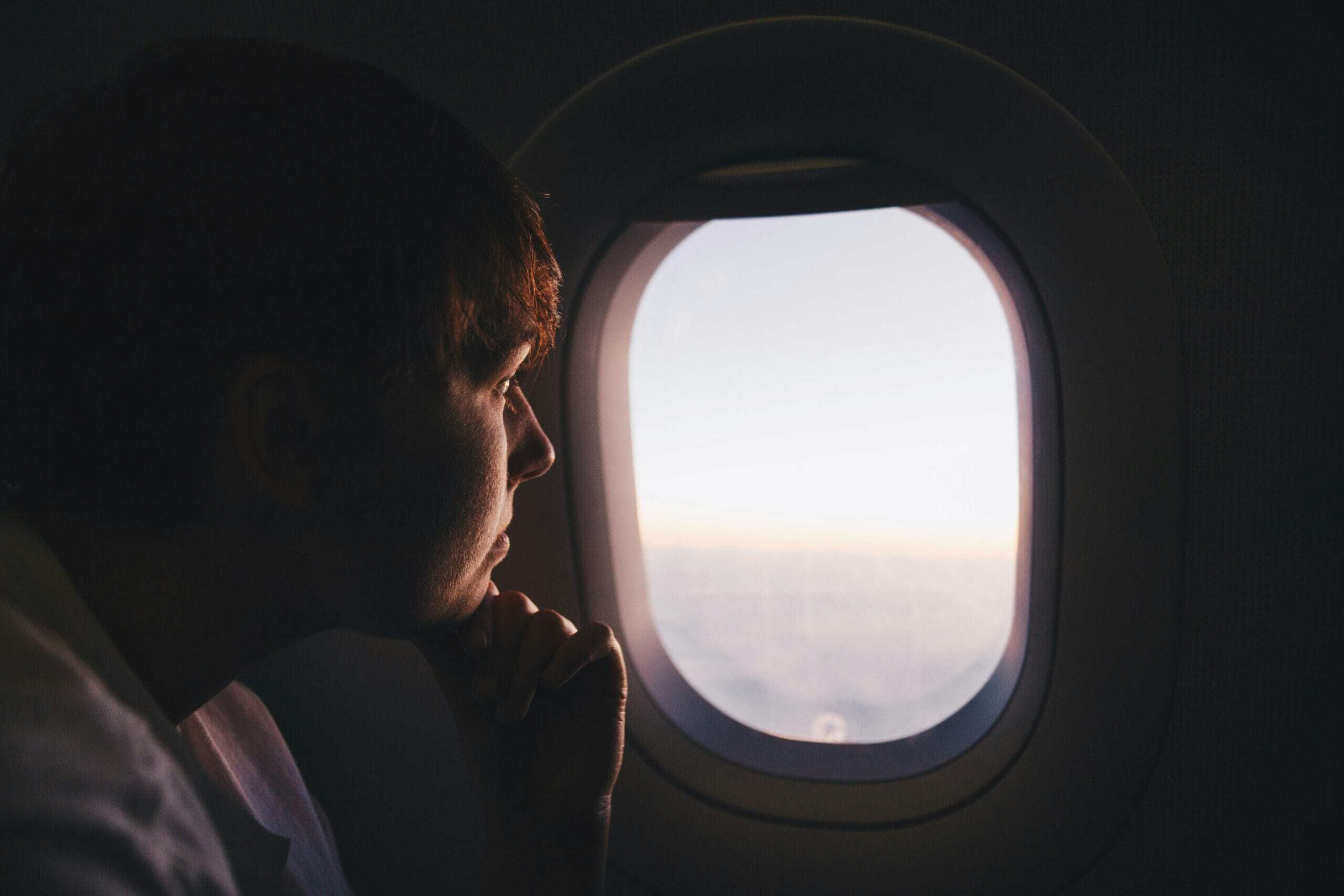
The difference between sleeping well on a plane and arriving exhausted comes down to a small set of decisions you make before boarding and during the flight. Most travelers who struggle with airplane sleep aren’t dealing with insomnia. They’re dealing with a sensory environment specifically designed to keep humans awake, bright cabin lights, engine noise, awkward seating, dehydration, and circadian disruption from crossing time zones. For more, see how to sleep in a hotel.
This guide covers how to sleep on a plane effectively in 2026, from the seat selection and gear decisions that set you up for success through the in-flight strategies that turn a 6-hour flight into 4-5 hours of actual rest. The approaches here work for economy passengers as well as business class travelers, most airplane sleep success comes from technique rather than premium seating.
Why Sleeping on a Plane Is So Hard
Cabin environments fight against sleep at multiple levels. Air pressure inside the cabin equals roughly 8,000 feet of altitude, enough to reduce blood oxygen saturation by 4-6% in healthy adults. Cabin humidity drops to 10-20%, well below the 40-60% range that supports comfortable breathing during sleep. Engine noise hovers around 75-85 decibels, loud enough to disrupt deep sleep stages. Light leaks through window shades and from screens around you.
Beyond environmental factors, the seat itself works against you. Standard economy seats recline only a few inches and force your head into positions that strain the cervical spine. Without proper neck support, you wake up every time your head falls forward or sideways, fragmenting any sleep you do achieve.
Circadian rhythm adds another layer of difficulty. If you’re flying east, you’re essentially asking your body to sleep hours before its natural bedtime. If you’re flying west, you may be trying to sleep when your body wants to be awake. The mismatch between your internal clock and your sleep clock makes falling asleep harder than at home.
The good news is that each of these obstacles has a known solution. Stack the right approaches, and most travelers can get 4-6 hours of usable sleep on long flights.
What to Do Before Your Flight
The work that produces good airplane sleep starts before you board.
Choose the Right Seat
Window seats win for sleep. The wall gives you something to lean against, controls light through the shade, and removes the disturbance of passengers climbing over you to reach the aisle. Aisle seats win for accessibility but lose for sleep, you’ll be woken every time your row mates need the bathroom.
For long flights, look at row position too. Avoid the last row of any cabin section (often won’t recline due to the wall behind), avoid rows near the bathroom (constant traffic), and avoid bulkhead rows (no under-seat storage means awkward leg positioning).
Avoid Caffeine and Limit Alcohol
Caffeine has a 6-hour half-life. A coffee at the airport bar 2 hours before boarding will still be active in your system 4 hours into the flight. Skip caffeine for 8 hours before any flight where you plan to sleep.
Alcohol seems to help with sleep, but actually fragments it. One drink can be acceptable; two or more produce shallow, frequently interrupted sleep that leaves you worse off than no sleep. Many experienced flyers skip alcohol entirely on flights where they need to sleep.
Stay Hydrated Before Boarding
Cabin air dehydrates you fast. Start hydrating 24 hours before the flight, and drink water steadily at the airport. Most travelers underdrink, which contributes to the headaches and fatigue that follow long flights, regardless of how well you slept.
Aim for clear or pale yellow urine before boarding. That’s the practical sign of adequate hydration.
Eat the Right Pre-Flight Meal
Heavy meals before flights make sleep harder because digestion increases body temperature and metabolic activity. Eat a moderate meal 2-3 hours before boarding, protein and complex carbs, not greasy or heavy foods. Avoid eating immediately before takeoff or during the meal service if you plan to sleep through it.
The Right Gear for In-Flight Sleep
Several gear decisions make a measurable difference in airplane sleep quality.
Quality Travel Pillow
The standard U-shaped travel pillow does almost nothing, it lets your head fall forward, which is exactly the position that prevents sleep. A travel pillow with an internal structure that holds your head upright produces dramatically better results.
Our guide on the best travel pillows for neck pain covers the broader category, but the key decision is between U-shaped (skip) and structured-support designs (worth the investment).
Eye Mask That Actually Blocks Light
Cheap eye masks let light leak around the edges and slip off your face during sleep. A quality eye mask with contoured edges blocks light completely and stays in place. Look for masks with adjustable straps and contoured shapes that don’t press on your eyes.
For travelers who deal with light sensitivity beyond just airplane use, our guide on the best sleep masks for better sleep covers options that work for both home and travel.
Noise-Canceling Headphones or Earplugs
Engine noise disrupts deep sleep even when it’s not loud enough to wake you. Noise-canceling headphones reduce the engine drone significantly and let you control your auditory environment. Premium noise-canceling headphones (Bose QuietComfort, Sony WH-1000XM5) handle this best, but mid-tier options work adequately.
Foam earplugs are the budget alternative. They reduce noise by 25-30 decibels passively, enough to make a noticeable difference. Pack 2-3 pairs in case you lose one during the flight.
Compression Socks
Long flights cause leg swelling and reduce circulation, which contributes to discomfort that disrupts sleep. Compression socks (15-20 mmHg for general travel use) keep blood flowing properly and reduce the leg fatigue that affects sleep quality. They also reduce the risk of deep vein thrombosis on flights over 4 hours.
Layered Clothing
Cabin temperatures shift unpredictably. You’ll be too hot at takeoff and too cold at cruising altitude. Layered clothing, t-shirt, lightweight long-sleeve, light jacket, lets you adjust without standing up to dig through your bag.
Avoid jeans or anything with seams that press into your body during sleep. Loose, soft fabrics work better than fitted clothing.
In-Flight Strategies That Work
Once you’re on the plane, several specific approaches produce better sleep.
Set Your Watch to Destination Time Immediately
This single habit makes a meaningful difference for circadian adjustment. The moment you board, change your watch and phone to the destination time. Eat, sleep, and stay awake according to the destination clock rather than your origin clock.
For flights crossing 4+ time zones, this approach reduces jet lag significantly. Your body responds to behavioral cues (eating, sleeping, light exposure) faster than to clock time itself.
Skip the Meal Service
Airline meals come at times that often conflict with optimal sleep timing. If the flight serves dinner and you need to sleep, skip dinner and sleep through the service. The food isn’t worth the disrupted sleep timing.
Some flights let you pre-order meal preferences or skip service entirely, use this option when you can.
Use the Bathroom Strategically
Get up to use the bathroom during normal awake periods of the flight, then settle in for sleep with an empty bladder. Waking up needing the bathroom mid-flight is one of the most common sleep disruptions, and it’s preventable.
Avoid drinking large amounts of water in the hour before you plan to sleep. Sip rather than gulp during pre-sleep hours.
Recline as Soon as You’re Allowed
Recline your seat the moment the seatbelt sign turns off after takeoff. The few inches of recline matter more than people realize for cervical positioning, and other passengers also recline when they can, getting yours done first prevents the awkward situation of the seat in front of you reclining into your space while yours stays upright.
Use the Tray Table for Forward Sleeping
For travelers who can’t sleep upright but lack room to lie flat, leaning forward onto the tray table with a pillow works for some people. Cross your arms on the tray, place a small pillow on top, and rest your forehead on the pillow. This works best for shorter sleep periods (30-90 minutes) rather than full overnight sleep.
Manage Light Exposure Tactically
Eastbound flights need more sleep, so block light aggressively from the moment you want to sleep. Westbound flights benefit from staying awake longer, so manage your light exposure to match destination time rather than shutting down immediately.
Cabin lights typically dim during overnight flight portions. Use that signal to time your sleep attempts.
Sleep Aids and Supplements
Some travelers benefit from supplements or medications, but the decisions matter.
Melatonin
Melatonin at 0.5-1mg taken 30-60 minutes before your target sleep time helps with circadian adjustment more than direct sedation. Higher doses (3-5mg) are more sedating but increase morning grogginess. Low-dose melatonin produces better results for most flyers than high-dose.
For travelers crossing many time zones, melatonin works best when timed to destination bedtime rather than departure time.
Avoid Sleeping Pills for Most Flights
Prescription sleeping pills (Ambien, Lunesta) work but produce real risks on flights, disorientation if woken during emergencies, increased confusion in low-oxygen cabin environments, and lingering effects after landing. Most sleep medicine specialists recommend against sleeping pills for routine flight sleep.
If you need pharmaceutical help, talk to your doctor about magnesium or low-dose options that don’t impair function. Our guide on the best sleep aids for adults covers options that travel well without prescription complications.
Skip Alcohol as a Sleep Aid
Worth repeating: alcohol seems to help, but fragments sleep significantly. The hour you spend feeling drowsy after a drink doesn’t compensate for the disrupted sleep that follows.
Different Strategies for Different Flight Types
Sleep approach should match flight characteristics.
Short Flights Under 6 Hours
Short flights rarely allow full sleep cycles. Aim for 30-90 minute power naps rather than trying to sleep through. Use a structured travel pillow, eye mask, and noise-cancelling headphones, then accept that you’ll be tired but functional on arrival.
Long Flights 6-12 Hours
These are the flights where airplane sleep matters most. Plan for 4-6 hours of actual sleep. Set your watch to destination time, skip alcohol, manage hydration, sleep through meal service when possible, and use the full gear stack.
Ultra-Long Flights 12+ Hours
Ultra-long flights (Singapore-NYC, Sydney-Dallas, etc.) require sleep cycle planning. Most travelers do best splitting the flight into work-eat-sleep-work segments rather than trying to sleep continuously. Sleep 6-7 hours during the destination’s nighttime hours, regardless of when that falls in flight time.
Red-Eye Flights
Red-eye flights work with your circadian rhythm rather than against it. Most travelers fall asleep more easily on red-eyes than on daytime flights. The sleep is still fragmented by takeoff, meal service, and cabin activity, but the underlying sleep drive is higher.
Quick Reference Checklist
24 hours before: Start hydrating. Reduce caffeine. Plan your sleep schedule around destination time.
Day of flight: Eat a moderate meal 2-3 hours before. Avoid alcohol at the airport. Pack gear in an accessible carry-on.
Boarding: Change watch to destination time. Recline the seat as soon as allowed. Set up gear immediately.
During flight: Skip meal service if it conflicts with sleep timing. Use the bathroom on schedule. Manage light exposure tactically. Take low-dose melatonin if appropriate.
On arrival: Get sunlight exposure during destination’s daytime. Stay awake until destination bedtime. Hydrate aggressively to recover from cabin air.
Frequently Asked Questions
What’s the best position to sleep in on a plane?
Slightly reclined with proper neck support is optimal. Window seats let you lean against the wall for additional stabilization. Forward leaning onto the tray table works for shorter naps. Avoid letting your head fall forward unsupported, this position fragments sleep and causes neck pain.
Do those U-shaped travel pillows actually work?
Standard U-shaped pillows do little to prevent your head from falling forward, which is the main sleep disruptor in airplane seats. Travel pillows with internal structural support that hold your head upright work much better. The difference between cheap U-shaped pillows and structured-support travel pillows is significant for actual sleep quality.
Should I take melatonin for flights?
Low-dose melatonin (0.5-1mg) helps with circadian adjustment for flights crossing 4+ time zones. Take it 30-60 minutes before your target sleep time, calibrated to destination time rather than departure time. Higher doses produce more grogginess without much additional sleep benefit.
Is it bad to sleep through meals on flights?
Skipping airline meals to preserve sleep timing is fine. Most flights allow you to pre-order meal preferences or request to skip service entirely. The meal isn’t worth disrupted sleep on long flights, and you can eat at the airport before boarding or after landing.
How can I sleep in economy class?
Economy class sleep comes down to the gear-and-strategy stack rather than the seat. Quality travel pillow with structural support, eye mask, noise canceling, layered clothing, hydration management, and timing strategies produce 4-6 hours of usable sleep for most travelers, even in economy. The seat type matters less than most people think.
What’s the best time of day to fly for sleep?
Red-eye flights (departing 9 PM-1 AM at origin) work with your circadian rhythm and typically produce easier sleep than daytime flights. Flights timed to span destination nighttime hours also work well for long international travel. Flights that conflict with your normal awake hours are hardest to sleep through.
Should I avoid water before sleeping on a plane?
Hydrate steadily throughout the flight, but reduce intake in the hour before you plan to sleep. Cabin air is so dry that staying hydrated matters significantly, but waking up needing the bathroom mid-flight is a common sleep disruptor. Aim for an empty bladder right before sleep, then steady sips during awake periods.
How do I deal with the person next to me wanting to talk?
Politely set the expectation early. “I’m planning to try to sleep this flight, nice to meet you” early in the boarding process establishes you’re not looking for conversation. If conversation has already started, “I’m getting tired, going to try to rest” handles the transition without being rude. Most travelers respect this once stated.
Recommended Reading
See also our guides to how to sleep with tinnitus, and late exercise and sleep.
Related Reading
Explore more: how screens affect sleep, how alcohol affects sleep, how to sleep with restless leg syndrome, silk pillowcases for better sleep, The Allergy-Free Sleep Guide: 5 Bedroom Shifts You Need to M, smart sleep masks for travel, Can’t Sleep Without It? Why You Sleep Better with a Fa, and how to sleep better during pregnancy. Also explore: waking up to pee reasons.
