
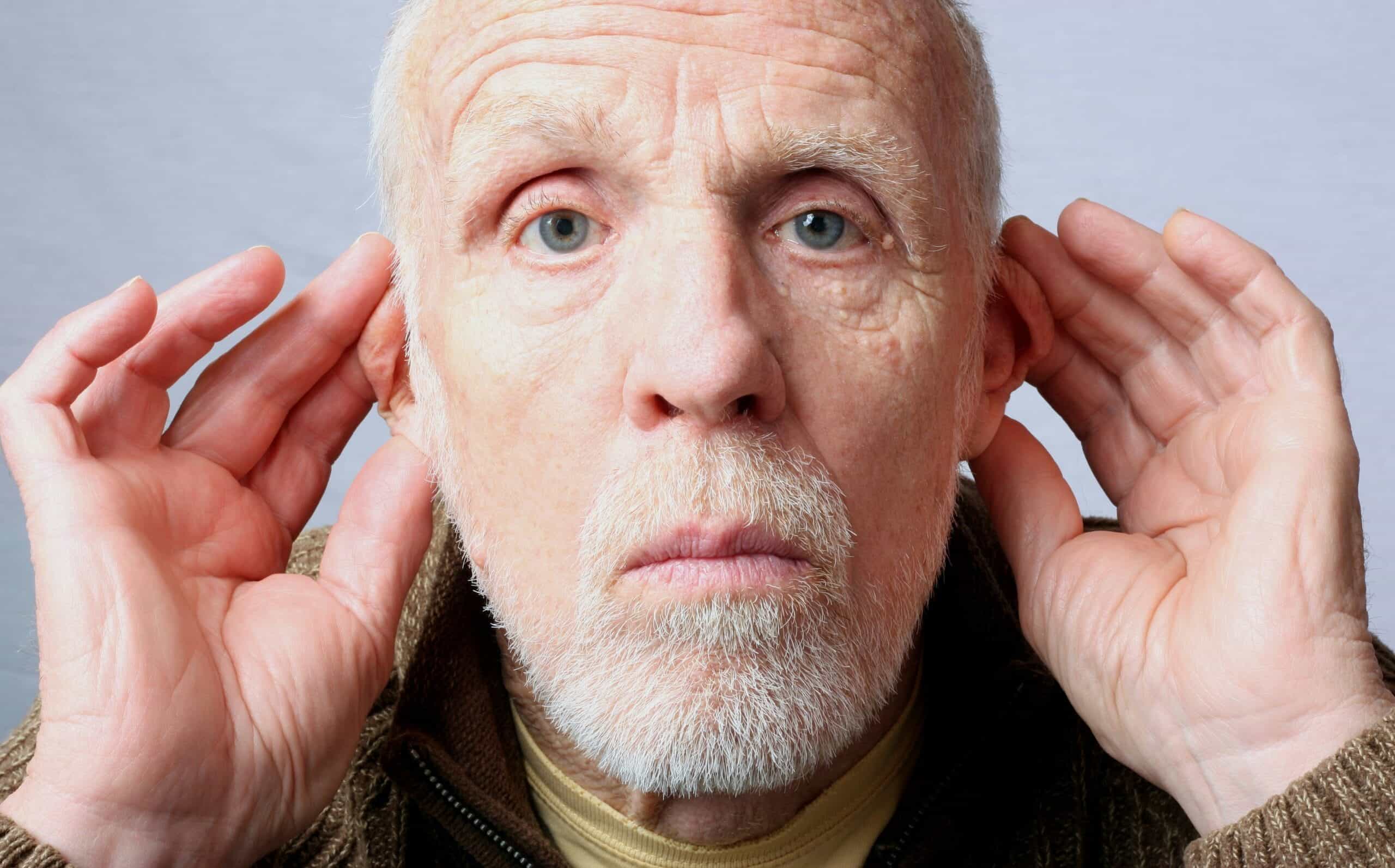
How to sleep with tinnitus is a question that gets harder, not easier, once the lights go out. The constant ringing, buzzing, hissing, or pulsing that hides in the background during a busy day becomes the loudest thing in the room at bedtime. The quieter the environment, the louder the internal sound seems. The harder you try to ignore it, the more attention it gets. By 2 a.m., you’re exhausted, the noise is still there, and tomorrow’s appointments are starting to look impossible.
The picture isn’t hopeless. Tinnitus and sleep is one of the more-studied corners of sleep medicine, and the strategies that work are clear: don’t try to silence the tinnitus; mask it. Don’t fight to fall asleep, lower the conditions that block sleep. Address the anxiety the noise produces, because anxiety amplifies the perception. Build a routine that the brain learns to associate with rest rather than with frustration.
This guide covers the eight specific strategies with the strongest support, what the National Institute on Deafness and Other Communication Disorders recommends about tinnitus management, and the specific signs that warrant talking to a doctor or audiologist.
Last updated: June 7 2026 | By Austin Murphy
Important: This guide is informational and does not substitute for medical evaluation. Tinnitus can have many underlying causes, some of which are treatable. New, sudden, or worsening tinnitus warrants evaluation by a primary care physician or audiologist. The strategies here support sleep when tinnitus is already present; they do not treat the underlying condition. Persistent insomnia warrants medical evaluation in its own right.
Key Takeaways
- Sound masking outperforms silence; the tinnitus seems loudest when nothing else is competing for the ear’s attention.
- Anxiety amplifies the perception of tinnitus; calming the nervous system before bed reduces the volume the brain assigns to the sound.
- Cognitive Behavioral Therapy for Insomnia (CBT-I) has the strongest evidence for sleep difficulty in people with chronic tinnitus and is increasingly accessible through digital programs.
- Sudden onset tinnitus, one-sided tinnitus, pulsing tinnitus, or tinnitus with hearing loss or dizziness warrants prompt medical evaluation
This article is general information, not medical advice. Tinnitus can have underlying causes worth investigating, so see a doctor or audiologist if it is new, worsening, or affecting your sleep.
Why Tinnitus Gets Louder at Bedtime
The tinnitus you barely notice at noon becomes the dominant feature of the bedroom at midnight. The mechanism is not that the tinnitus actually changed; it’s that the environment did.
During the day, background sound competes with the internal noise. Traffic, voices, appliances, music, conversation. The auditory cortex processes a constant stream of external input, and the relatively quieter internal noise stays in the background. Lie down in a quiet bedroom, and the external competition disappears. The internal sound is left as the only thing to process.
Attention amplifies the effect. The harder you focus on whether the tinnitus is loud, the louder it becomes. The more you check in, the more present it feels. The cycle compounds when sleep doesn’t come quickly: lying awake with nothing else to think about turns the tinnitus into the entire mental landscape.
The National Institute on Deafness and Other Communication Disorders identifies stress, anxiety, fatigue, and quiet environments as factors that commonly make tinnitus more noticeable, and identifies sound therapy as a primary management approach[1]. The goal is not to make the sound go away. The goal is to reduce how much mental real estate it occupies, which is the same underlying principle that our guide on improving sleep quality naturally applies across other sleep variables.
Strategy 1: Sound Masking at Sleep Onset
Sound masking is the single most evidence-supported intervention for tinnitus-related sleep difficulty. The principle: introduce a steady external sound that competes with the internal sound, giving the brain something else to process during the vulnerable window of sleep onset.
The sound profile matters. The masking sound should be steady (not variable like TV or podcasts), broadly across the frequency range (white, pink, or brown noise rather than a single tone), and just loud enough to partially cover the tinnitus without dominating the room.
See our roundup of white noise machines for the picks that hold up overnight, or the broader sound machines for sleep selection for nature-sound and fan-based alternatives. Most users find that experimenting across noise types (white, pink, brown, nature sounds, fan sounds) reveals one profile that masks their specific tinnitus best.
The volume is set just below the tinnitus, not above it. This sounds counterintuitive. Setting masking sound louder than the tinnitus disrupts sleep on its own. The goal is partial masking that gives the brain something to attend to without becoming the new problem.
Strategy 2: Sleep-Specific Headphones
For severe tinnitus or for partners who don’t tolerate room-level sound, sleep headphones deliver targeted masking without disturbing anyone else. The technology has improved meaningfully in recent years, with flat-profile headbands and side-sleep-tolerant earbuds covering most use cases. See our roundup of sleep headphones for the picks worth trying first.
Content suggestions: brown noise loops, rain sounds, ocean recordings, or specialized tinnitus masking tracks. Avoid podcasts and audiobooks at sleep onset because the engagement keeps the brain alert when you’re trying to wind down.
A few people find that sleep headphones with carefully selected content work even better than room-level masking because the sound is delivered directly to the ears that need it. Trial and error reveal the right approach for an individual.
Strategy 3: The Pre-Sleep Wind-Down
Tinnitus and anxiety amplify each other in both directions. Anxious people perceive their tinnitus as louder; people with louder tinnitus develop more anxiety. The cycle is self-sustaining.
Breaking the cycle for sleep specifically requires a wind-down routine that lowers nervous system arousal before bed. The components that help:
A buffer between busy activity and bed. Sixty to ninety minutes of progressively quieter activity gives the nervous system time to shift modes. Phones away, lights dimmed, no work email.
A consistent sequence that the brain learns to associate with sleep. Same order, same timing, even on weekends. Our complete bedtime routine guide covers the structural piece.
Specific relaxation practices that work for many people with tinnitus: slow-paced breathing (six breaths per minute), progressive muscle relaxation, and body scan meditation. These reduce sympathetic nervous system activity, which is associated with tinnitus perception intensity.
Strategy 4: Cognitive Behavioral Therapy for Insomnia (CBT-I)
The American Academy of Sleep Medicine’s clinical practice guidelines identify multicomponent CBT-I, stimulus control, sleep restriction, and relaxation therapy as the evidence-supported behavioral treatments for chronic insomnia[2]. The evidence base for CBT-I in tinnitus-related insomnia specifically is also growing.
The core techniques:
Stimulus control. Use the bed only for sleep. Get up if you can’t sleep within fifteen to twenty minutes. The goal is to break the association between bed and frustration that develops over months of poor sleep.
Sleep restriction. Initially, compress your time in bed to match actual sleep time, then gradually expand. Counterintuitive but well-supported. This typically requires guidance from a CBT-I provider.
Cognitive restructuring. Identify and reframe the catastrophic thoughts about the tinnitus and the sleep loss. “I’ll never sleep again with this noise” becomes “I’ve slept on noisy nights before; tonight will be hard, but I’ll get some sleep.”
CBT-I is increasingly available through digital programs, sleep clinics, and primary care referrals. The investment up front pays back across years of improved sleep.
Strategy 5: Environmental Optimization
Sleep environment factors affect tinnitus perception, too. The same noise feels less intrusive in a comfortable, well-controlled sleep space than in a hot, uncomfortable one.
The room temperature matters. Cool rooms support deeper sleep and reduce the wake-and-notice cycle. The cool bedroom guide covers the specifics.
Light control matters too. A sleep mask (see sleep masks for better sleep) blocks not only ambient room light but also signals to the brain that the environment is “for sleep.” Blackout curtains handle the windows at the room level.
Air quality supports rest as well. Some people find that a humidifier or an air purifier adds both a steady sound and a more comfortable breathing environment.
Strategy 6: Diet, Exercise, and Habits That Reduce Daily Tinnitus Intensity
Some daily factors influence how loud tinnitus feels at bedtime. The evidence for each is variable, but several patterns are worth considering as low-risk adjustments.
Caffeine timing. Stopping caffeine by early afternoon helps sleep generally and may reduce tinnitus perception in some people. Some find caffeine triggers their tinnitus directly; trial elimination reveals individual sensitivity.
Alcohol moderation. Alcohol disrupts sleep architecture broadly and worsens tinnitus for many people. Reducing or eliminating alcohol close to bedtime helps both.
Regular exercise. Physical activity supports sleep quality, reduces stress, and may modulate tinnitus perception. The benefit accrues from consistent moderate activity, not from occasional intense sessions.
Stress management practices throughout the day. Anxiety is the variable that most consistently correlates with tinnitus perception. Practices that lower baseline anxiety often reduce baseline tinnitus volume.
Smoking cessation. Smoking affects blood flow and is associated with worse tinnitus in many people. Stopping smoking is a long-term intervention with broader health benefits.
Strategy 7: Supplements and Their Limits
The supplement landscape for tinnitus is full of products with weak evidence. The honest framing: most tinnitus supplements do not have rigorous trials supporting efficacy. Some may help individual people; none has established a consistent benefit.
The sleep-specific supplement category includes options labeled for sleep support and magnesium for sleep. These support general sleep, not tinnitus specifically.
The American Academy of Sleep Medicine’s 2017 clinical practice guideline does not recommend melatonin as first-line treatment for chronic insomnia in adults, citing weak evidence and benefits approximately equal to harms. Tinnitus patients sometimes report that melatonin helps with sleep onset; the evidence is mostly anecdotal.
The risk in supplement shopping for tinnitus is that the effort goes into the supplements and away from the strategies with stronger evidence (sound masking, CBT-I, anxiety management). Supplements as an add-on to a working approach are fine; supplements as the primary intervention typically disappoint.
📑 Recommended Read: Tinnitus and sleep is one of many sleep-disruption combinations that respond to a structured approach. Check out our complete guide on how to improve sleep quality naturally for the broader framework that complements tinnitus-specific strategies.
Strategy 8: When to Seek Specialist Care
Tinnitus that significantly disrupts sleep, mood, or daily function warrants specialist evaluation. Audiologists and otolaryngologists (ENT physicians) can evaluate the underlying cause, identify hearing loss that may be contributing, and recommend specific interventions.
The treatment options available through specialists include:
Tinnitus Retraining Therapy (TRT). A combination of sound therapy and directive counseling delivered over months to reduce the brain’s attention to the tinnitus signal.
Cognitive Behavioral Therapy specifically for tinnitus. Different from CBT-I; focuses on the relationship with the sound rather than sleep specifically. The two can be combined.
Hearing aids with masking features. For people with both tinnitus and hearing loss, modern hearing aids can amplify external sound (which reduces relative tinnitus perception) and deliver masking sound directly.
Treatment of underlying causes. Some tinnitus has a treatable cause: ear wax impaction, medication side effects, vascular conditions, and certain neurological conditions. Identifying the cause sometimes resolves the tinnitus.
The point is that “live with it” is not the only option. Specialist care has expanded meaningfully and is worth pursuing if home strategies are insufficient.
Common Mistakes
Sleeping in complete silence. Silence amplifies tinnitus. Background sound helps even when the silence feels preferable initially.
Checking in on the tinnitus. Asking yourself whether it’s loud right now makes it louder. The strategies that work involve attention away from the noise, not toward it.
Setting masking volume too high. Above tinnitus volume creates a new sleep disruption. Slightly below works better.
Relying on alcohol to sleep. Alcohol disrupts sleep architecture and often worsens tinnitus the next day.
Trying supplements without addressing fundamentals. Sound masking, sleep environment, and anxiety management produce more reliable improvement than any supplement.
Avoiding social situations because of fatigue. Social isolation worsens the anxiety that worsens the tinnitus. Find ways to participate even when sleep has been poor.
Refusing CBT-I because the tinnitus is the “real problem.” The sleep problem is treatable independently. CBT-I helps the sleep problem regardless of whether the tinnitus changes.
Believing the tinnitus will never improve. Many people with chronic tinnitus report that their perception changes over time, often becoming less prominent with consistent management.
Lying in bed awake for hours. The bed should be associated with sleep, not with frustration. Get up after fifteen to twenty minutes of wakefulness and try again.
Skipping medical evaluation for new or changed tinnitus. Some causes are treatable; some are urgent. New tinnitus warrants a doctor visit.
When to See a Doctor
Tinnitus characteristics that warrant prompt medical evaluation:
- Sudden onset of tinnitus, particularly in one ear
- Tinnitus that pulses with the heartbeat (pulsatile tinnitus)
- Tinnitus accompanied by hearing loss, especially if sudden
- Tinnitus with dizziness, vertigo, or balance problems
- Tinnitus with ear pain, drainage, or a feeling of fullness
- Tinnitus that has changed in character significantly
- Tinnitus following head injury or loud noise exposure
- Tinnitus that started after beginning a new medication
- Tinnitus accompanied by depression, anxiety, or suicidal thoughts
- Tinnitus that significantly disrupts sleep, work, or relationships
- Tinnitus that has worsened over weeks to months
- Tinnitus in only one ear (unilateral)
The evaluation typically starts with a primary care physician, who may refer to an audiologist or otolaryngologist depending on findings. Hearing testing, ear examination, and sometimes imaging are part of the workup. Several causes are treatable; the evaluation is worth pursuing.
Frequently Asked Questions
Does tinnitus ever go away? Acute tinnitus often resolves; chronic tinnitus tends to persist but often becomes less noticeable over time with consistent management strategies.
Is there a cure for tinnitus? For most chronic tinnitus, no specific cure exists, but treatable underlying causes (ear wax, certain medications, vascular issues) sometimes resolve when addressed. Management approaches reduce impact.
Will tinnitus damage my hearing? Tinnitus itself doesn’t damage hearing, but the noise exposure that causes tinnitus often also damages hearing. Hearing loss commonly accompanies tinnitus.
Why is my tinnitus worse at night? The quiet environment removes the competing sound that masks the tinnitus during the day. Sound masking at bedtime is the standard intervention.
Can stress cause tinnitus? Stress doesn’t typically cause tinnitus, but it consistently worsens the perception. Anxiety and tinnitus form a bidirectional cycle.
Is white noise or brown noise better for tinnitus? Trial and error matter. Many people find lower-frequency noise (brown noise) more effective for masking; others prefer white noise or specific nature sounds.
Can earbuds at low volume during sleep make tinnitus worse? Sustained low-volume sound exposure is generally safe; high-volume exposure damages hearing. Use sleep headphones at moderate volume.
Do I need a hearing test even if I hear fine? Yes. Many people with tinnitus have hearing changes they haven’t noticed. The audiologist’s evaluation includes hearing testing as a routine component.
Are there any medications that cause tinnitus? Several can. Common offenders include certain antibiotics, NSAIDs at high doses, some chemotherapy agents, and a few diuretics. Review your medications with your doctor if tinnitus started after a new prescription.
Can I use CBT-I for tinnitus-related insomnia? Yes. CBT-I works for the sleep problem regardless of whether the tinnitus changes. The AASM identifies CBT-I as the evidence-supported behavioral treatment for chronic insomnia.
Related Reading
Explore more: how to sleep in a hotel, Cold Feet, No Sleep? Why Freezing Toes Are Ruining Your Circ, nightlights better sleep, late exercise and sleep, why sleep changes with age, Talking in Your Sleep? The Science Behind Somniloquy, how to sleep after knee replacement surgery, and how to sleep with sciatica.
Recommended Reading
See also our guides to how to choose sleep aids, and how to sleep with sciatica.
Sources
- National Institute on Deafness and Other Communication Disorders (NIDCD), National Institutes of Health. Tinnitus: Patient Information and Management Resources. https://www.nidcd.nih.gov/health/tinnitus
- Edinger JD, Arnedt JT, Bertisch SM, et al. Behavioral and psychological treatments for chronic insomnia disorder in adults: an American Academy of Sleep Medicine clinical practice guideline. Journal of Clinical Sleep Medicine. 2021;17(2):255-262. https://jcsm.aasm.org/doi/10.5664/jcsm.8986
