
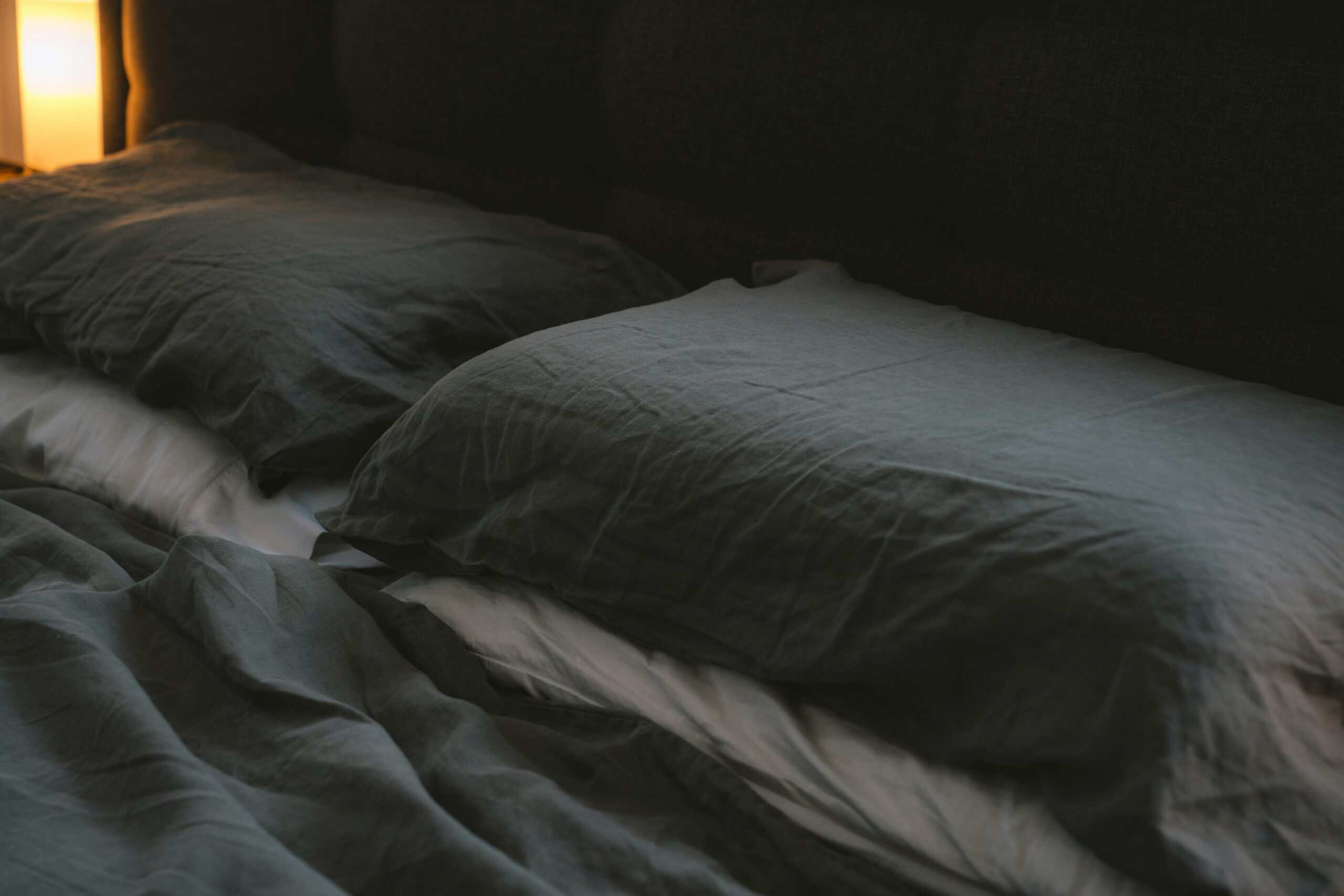
A cooling pillowcase is the least expensive change you can make to a hot pillow, and it is often the one that was missing. A dense or synthetic case insulates the surface so heat never reaches the fill where it could be conducted or carried away, which means an ordinary pillowcase can undo the entire point of a cooling pillow. The best cooling pillowcases either let heat through to the fill or actively move it themselves. For the pillow underneath, see our guide to cooling pillows for hot sleepers.
Quick Verdict
Bamboo viscose is the balanced default: breathable, smooth, and affordable. Choose a phase-change case for the strongest cool-to-touch feel, cotton percale if you want maximum breathability at low cost, and silk if hair and skin friction matter alongside temperature. Fabric weight matters as much as fiber type. See also our guide to using a regular pillowcase on a cooling pillow.
Key Takeaways
- A dense pillowcase can cancel out a cooling pillow entirely.
- Bamboo and percale cotton breathe well and cost little.
- Phase-change fabrics feel coldest on contact but the effect is finite.
- Lower thread count often sleeps cooler than high thread count.
- Wash and replace cases regularly, since buildup reduces breathability.
How We Picked These Pillowcases
We prioritized breathability, since the primary job is letting heat reach the pillow fill rather than trapping it at the surface. Fabrics that block airflow work against whatever pillow sits underneath.
We then considered active cooling, where phase-change treatments absorb heat directly rather than merely allowing it through. That is a different mechanism with different limitations.
Feel and durability were the third filter, since a case is against your face all night and gets washed constantly. Every pick is a widely available fabric type and all descriptions are research-based rather than drawn from personal use.
Bamboo Viscose Pillowcase
Why It Stands Out
Bamboo-derived viscose is smooth, breathable, and moisture-wicking, which makes it the common recommendation for hot sleepers. It moves moisture away from the skin while staying light enough not to insulate the pillow beneath.
It also feels cool to the touch initially without relying on a special treatment that wears off.
Worth Knowing
Quality varies considerably between products sold as bamboo. Viscose can be less durable than cotton over many washes. Our guide to bamboo pillows covers the fiber more broadly.
Best for most hot sleepers wanting a breathable upgrade. Skip it if you want maximum durability.
Phase-Change Cooling Pillowcase
Why It Stands Out
Phase-change fabrics absorb heat as the material transitions state, producing the most pronounced cold sensation on contact of anything in this category. If you want a case that feels genuinely chilled when you lie down, this is the one.
The effect resets when the surface is not in use, which pairs well with flipping.
Worth Knowing
The absorption capacity is finite, so the effect diminishes as the material saturates. These cases cost more than plain fabrics. Our guide to what makes a pillow cooling explains the mechanism.
Best for the strongest immediate cool feel. Skip it if you want sustained cooling without flipping.
Cotton Percale Pillowcase
Why It Stands Out
Percale is a crisp, plain-weave cotton that breathes exceptionally well and costs very little. It has no special treatment to wear off, and its openness is what does the work.
For anyone whose problem is an insulating case rather than a hot pillow, this is often the complete fix.
Worth Knowing
Percale feels crisp rather than silky, which is a preference. It wrinkles more than sateen. It is the pick for breathability on a budget.
Best for simple, affordable breathability. Skip it if you prefer a smooth, slippery surface.
Silk Pillowcase
Why It Stands Out
Silk feels cool against the skin and reduces friction against hair and face, which is why it is chosen for reasons beyond temperature. It is naturally temperature-regulating rather than actively cooling.
For sleepers who want the cool feel plus the hair and skin benefits, it covers both.
Worth Knowing
Silk requires gentler washing and costs more than cotton or bamboo. Its cooling is moderate rather than dramatic. Our guides to silk pillowcases and silk versus satin cover this in depth.
Best for hair and skin benefits alongside a cool surface. Skip it if you want low-maintenance washing.
Eucalyptus Lyocell Pillowcase
Why It Stands Out
Lyocell fibers derived from eucalyptus are highly moisture-wicking and breathable, and they feel smooth and cool without a surface treatment. Sweat is moved away rather than held against the skin.
For sleepers who overheat and perspire, moisture handling matters as much as raw breathability.
Worth Knowing
Lyocell sits at a higher price than cotton and can require gentler care. Our guide to cooling sheets covers the same fibers across the bed.
Best for hot sleepers who sweat. Skip it if budget is the main constraint.
Cooling Pillow Protector
Why It Stands Out
A cooling protector sits between the pillow and the case, adding a breathable barrier that guards the fill without the dense waterproof backing that ordinary protectors use. Standard protectors are a common hidden cause of a hot pillow.
If you use a protector and your pillow sleeps hot, this is the layer to change.
Worth Knowing
Breathable protectors offer less liquid protection than laminated ones. Our guide to pillow protectors covers the protective side.
Best for people already using a protector. Skip it if you use only a pillowcase.
Cooling Pillowcases at a Glance
| Fabric | Cooling method | Feel | Best for |
|---|---|---|---|
| Bamboo viscose | Breathable, wicking | Smooth | All-round default |
| Phase change | Active heat absorption | Cold on contact | Strongest initial feel |
| Cotton percale | Open weave | Crisp | Budget breathability |
| Silk | Temperature regulating | Slippery | Hair and skin too |
| Eucalyptus lyocell | Breathable, wicking | Smooth, cool | Sweaty sleepers |
| Cooling protector | Breathable barrier | Varies | Replacing a dense protector |
What to Look For in a Cooling Pillowcase
Breathability Over Thread Count
High thread count is often marketed as quality, but tighter weaves trap more heat. Percale at a moderate thread count typically sleeps cooler than a dense high-count sateen. Weave structure matters more than the number.
Whether It Is Passive or Active
Most cooling cases work passively by letting heat through to the pillow. Phase-change fabrics work actively by absorbing heat themselves, which feels stronger initially but has a finite capacity. Decide which behavior you want.
Compatibility With Your Pillow
If you already own a cooling pillow, the case only needs to get out of the way, so breathability is the whole requirement. If your pillow traps heat, an active case does more work. Our guide to gel cooling pillows covers the fill side.
Washing and Longevity
Cases are washed constantly, so durability matters, and buildup from body oils reduces breathability over time. Our guide to why pillows turn yellow covers what accumulates.
Fabric Weight and Weave Explained
Why Weave Beats Fiber
The same fiber can sleep hot or cool depending on how it is woven. Cotton in a percale weave breathes well because the plain over-under structure leaves gaps for air; the same cotton in a dense sateen weave traps considerably more heat despite being the identical material.
This is why fiber-based shopping can mislead. A loosely woven synthetic can outperform a tightly woven natural fiber, and marketing rarely makes the weave obvious.
What GSM Tells You
Grams per square meter measures fabric weight, and lighter generally means cooler because there is less material to hold heat. Where thread count is often inflated and inconsistently measured, GSM is a more honest indicator when it is published.
For hot sleepers, lighter weights in breathable weaves are the combination worth seeking. Our guide to cooling bedding layers covers the same logic across sheets and blankets.
Caring for a Cooling Pillowcase
Cooling fabrics benefit from gentler care than ordinary cotton. Hot washing and high-heat drying can damage phase-change treatments and degrade viscose and lyocell fibers faster, shortening the useful life of exactly the properties you paid for.
Fabric softener is the other common mistake, since it coats fibers and reduces both breathability and moisture wicking. Skipping it keeps a breathable case breathable. Washing in cool water and drying on low is the general rule across this category.
Pillowcase vs Cooling Pillow
Start With the Case
A case costs a fraction of a pillow and fixes a meaningful share of hot-sleeping complaints, particularly when the existing case is dense or synthetic. Trying this first is the sensible sequence.
When You Need Both
If the fill itself is dense memory foam, a breathable case helps but cannot fix the underlying material. In that situation the case and pillow work together, and changing only one leaves performance on the table. Our guide to why your pillow gets hot at night covers diagnosing which layer is failing.
Matching the Case to Your Sleep Setup
If you already own a cooling pillow, the case has one job: stay out of the way. Breathability is the whole requirement, and a light percale or bamboo case lets the pillow do what it was designed to do. Adding a phase-change case on top of a cooling pillow is not wasted, but the returns are smaller than fixing an insulating case would be.
If your pillow is standard dense foam and replacing it is not on the cards, an active phase-change case does more work, since it absorbs heat itself rather than merely allowing it through. In that situation the case is compensating for the fill rather than complementing it.
Sleepers who perspire heavily should weight moisture handling over cool-touch feel, because damp fabric against skin feels worse than warm dry fabric. Lyocell and bamboo lead there.
Common Mistakes
Buying High Thread Count for Coolness
Tighter weaves trap heat. Look at weave type rather than thread count alone.
Pairing a Cooling Pillow With a Dense Protector
A laminated protector insulates the fill and negates the pillow. Use a breathable protector instead.
Expecting a Case to Fix a Heat-Trapping Pillow
A case can stop making things worse; it cannot make dense foam conduct heat. Both layers matter.
Never Replacing Cases
Body oils and residue reduce breathability over time. Regular washing and periodic replacement keep the fabric working.
Recommended Reading
- Cooling pillows for hot sleepers
- What makes a pillow cooling
- Why your pillow gets hot at night
- Silk pillowcases
- Cooling sheets for hot sleepers
- Pillow protectors
- choosing the right pillow for your sleep position
Frequently Asked Questions
Do cooling pillowcases actually work?
They do two useful things: breathable fabrics let heat reach the pillow fill instead of trapping it at the surface, and phase-change fabrics absorb heat directly for a distinctly cold feel. The effect is real but modest compared with changing the pillow itself. Where they matter most is when a dense case was the hidden problem all along.
What is the coolest pillowcase fabric?
For breathability, cotton percale and bamboo viscose are the common recommendations, with eucalyptus lyocell adding strong moisture handling. For the coldest feel on contact, phase-change fabrics lead, though their effect diminishes as they saturate. Which is best depends on whether you want breathability or an immediate cold sensation.
Does thread count affect how cool a pillowcase sleeps?
Yes, and often in the opposite direction to expectations. Higher thread counts usually mean tighter weaves, which trap more heat, so a moderate-count percale frequently sleeps cooler than a dense high-count sateen. Weave structure is more informative than the thread count number.
Can a pillowcase make a cooling pillow useless?
Close to it. A thick, tightly woven, or synthetic case sits between your head and the cooling fill, insulating the surface so heat never reaches the mechanism. This is one of the most common reasons people conclude a cooling pillow does not work when the pillow is fine.
Is silk or bamboo cooler?
Bamboo viscose generally breathes and wicks moisture better, making it the stronger choice purely for temperature. Silk feels cool to the touch and regulates temperature moderately, but it is chosen as much for reducing friction against hair and skin. For hot sleepers specifically, bamboo usually does more.
How often should you replace a cooling pillowcase?
Wash it as often as the rest of your bedding, and replace it when the fabric thins, pills, or stops feeling breathable. Body oils and residue accumulate over time and reduce airflow through the weave. Phase-change treatments can also lose effectiveness with repeated washing.
Bedding is one piece of a larger problem. The rest of what actually brings a bedroom temperature down covers airflow, insulation, and timing.
The case sits between you and whatever the pillow is doing. How much difference the case makes explains why it matters so much.
