
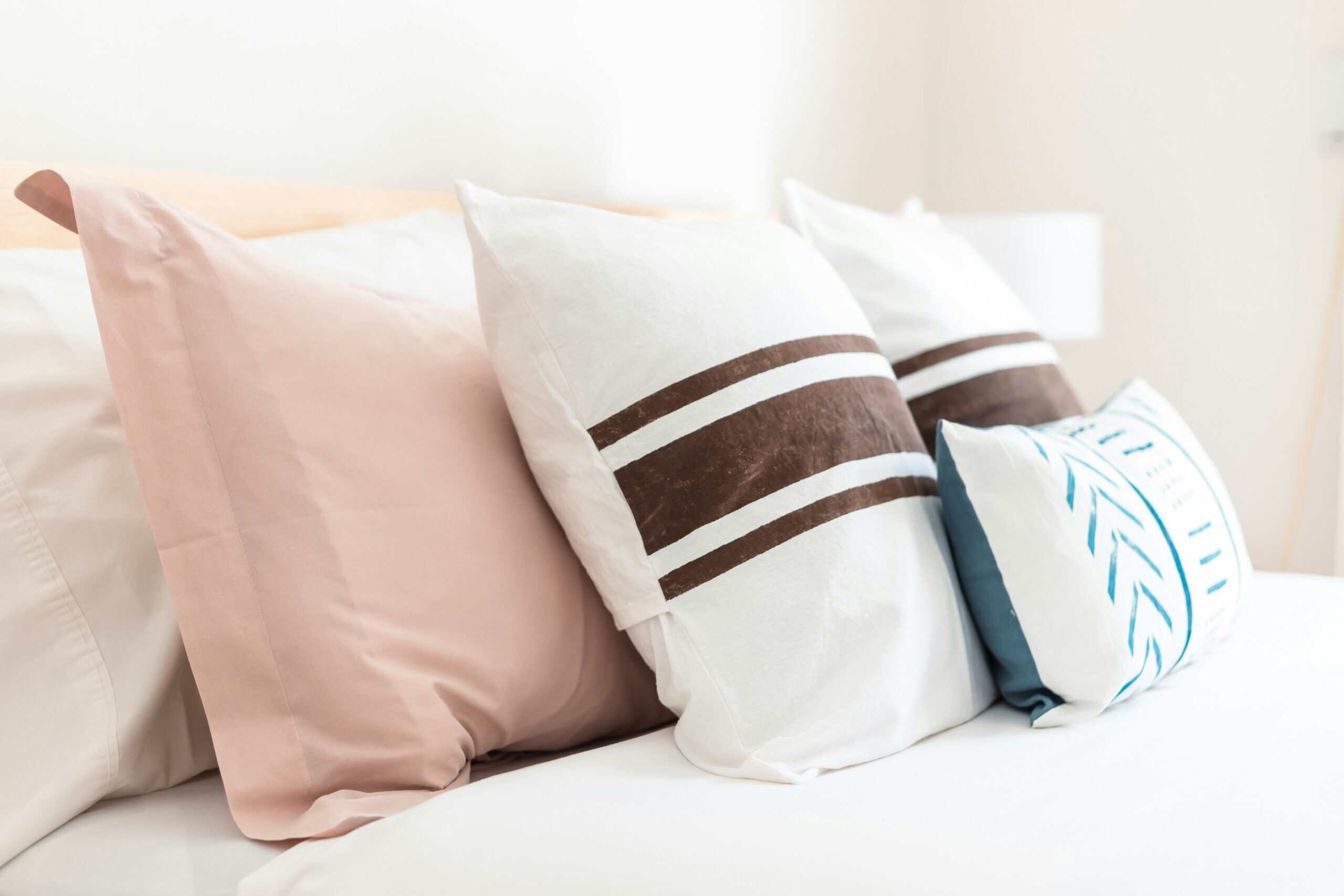
To store pillows, make sure they are completely clean and dry, use a breathable cotton bag or pillowcase rather than sealed plastic, keep them in a cool dry place away from moisture, and avoid crushing them under heavy items. Proper storage keeps spare or seasonal pillows fresh, fluffy, and free of mildew and odor. A few simple steps protect them until you need them again.
Quick Answer
Clean and fully dry pillows first, then store them in a breathable cotton bag or pillowcase, not sealed plastic, in a cool dry spot. Keep them off the floor and out from under heavy items so they hold their shape. Breathability and dryness are the keys to fresh storage.
Key Takeaways
- Pillows must be clean and fully dry before storing.
- Use breathable cotton bags, not sealed plastic.
- Store in a cool, dry place away from moisture.
- Do not crush pillows under heavy items.
- Breathability prevents mildew and trapped odor.
Prepare Pillows Before Storing
| Step | Why it matters |
|---|---|
| Clean the pillows | Stored dirt sets in and smells |
| Dry completely | Moisture causes mildew and odor |
| Use breathable covers | Lets air circulate, prevents must |
| Choose a dry location | Keeps moisture and pests away |
Good pillow storage starts before you put them away. Clean the pillows first, following their care instructions, since storing a pillow with sweat, oils, or dirt lets that set in and can cause odor over the storage period. Then, crucially, make sure they are completely dry, because any trapped moisture in a stored pillow leads to mildew and musty smells. Only once a pillow is clean and fully dry is it ready to be stored well. Skipping these steps is the main reason stored pillows come out smelling stale, so the prep is worth doing properly before packing anything away. Pillow care covers keeping pillows in shape.
Use Breathable Storage, Not Plastic
What you store pillows in matters a lot. It is tempting to seal pillows in airtight plastic bags to keep dust out, but sealed plastic traps any residual moisture and prevents air circulation, which can lead to mildew and odor. Instead, breathable storage, a cotton bag, a pillowcase, or a fabric storage bag, lets air move through so the pillow stays fresh and dry. Breathability is the key principle: the pillow needs to breathe in storage, not be sealed off. A cotton pillowcase or bag keeps dust off while letting air circulate, which is exactly what stored pillows need to come out fresh. An old pillowcase you already own works perfectly for this, so there is usually no need to buy special storage, just something breathable that keeps the dust off. Pillow choices cover the kinds you might be storing. Bedding storage covers the same principle for other bedding.
Pick the Right Location
Where you store pillows affects how well they keep. A cool, dry place is ideal, away from sources of moisture like damp basements or humid areas, since humidity is the enemy of stored bedding. Avoid spots prone to leaks, dampness, or big temperature swings. Keeping pillows off the floor, on a shelf or in a closet, also protects them from moisture and pests. A dry closet or a storage container in a climate-stable room works well. Choosing a location that stays dry and reasonably cool does much of the work of keeping stored pillows fresh, since it removes the moisture that causes most storage problems. Bedding basics cover caring for your bedding.
Do Not Crush Them
Pillows keep their shape best when they are not compressed for long periods. Storing pillows under heavy boxes or other items can flatten the filling and leave them misshapen, and some fillings do not fully recover from being crushed for a long time. Give stored pillows room so they can hold their loft, laying them flat or standing them without piling heavy things on top. If you must save space, gentle, loose storage is better than tight compression. When you take them out, a good shake and fluff helps restore any loft lost in storage. Protecting their shape keeps stored pillows ready to use rather than flat and lumpy. Pillow lifespan covers keeping pillows supportive.
Refreshing Stored Pillows
When you bring stored pillows back into use, a little refreshing gets them ready. Giving them a good shake and fluff restores loft that may have settled in storage, and airing them out for a bit, in fresh air if possible, chases away any faint stored smell. If a pillow can be washed or its cover laundered, doing so before use makes it feel fresh again. Pillows stored properly, clean, dry, and breathable, usually come out in good shape needing only a fluff, while the refreshing step handles any minor staleness. This final step means stored pillows feel as good as they did when you put them away. Fluffing pillows covers restoring loft.
How Long Can Pillows Be Stored
Properly stored pillows can keep for a long time, but a few things affect how long. A clean, fully dry pillow in breathable storage in a dry location can sit for months and come out fresh with a fluff and airing. Over longer periods, even well-stored pillows benefit from an occasional check, since a spot that becomes damp, or a pest problem in the storage area, can affect them regardless of how well they were packed. It also helps to remember that a pillow does not last forever even in storage, so a pillow that was already near the end of its life when stored will not be revived by storage. For spare pillows you rotate seasonally, storing them well between uses keeps them in good shape year after year, while a periodic check ensures nothing has gone wrong in the meantime. Bedding basics cover pillow use.
Storing Different Pillow Types
The kind of pillow affects how it is best stored. Down and feather pillows compress and recover well, so they store easily in breathable bags and fluff back up when taken out, though they must be fully dry to avoid the musty smell down can develop. Memory foam and latex pillows should not be tightly compressed or vacuum-sealed for long, since the foam can be damaged or take a set, so they store best loosely and flat. Synthetic fiber pillows are forgiving but can develop permanent lumps if crushed under weight. Whatever the type, the shared rules hold, clean, fully dry, breathable storage, and no heavy crushing, but knowing your pillow’s material helps you avoid the specific mistakes that damage it. Storing each type according to what it tolerates means they all come out of storage in good shape. Pillow types cover the materials.
Recommended Reading
Worth reading next: fluffing a pillow, pillow lifespan, bedding storage, and bedding basics.
How to Store Pillows FAQ
How should I store pillows?
Clean and fully dry them first, then store them in a breathable cotton bag or pillowcase, not sealed plastic, in a cool dry spot. Keep them off the floor and out from under heavy items so they hold their shape. Breathability and dryness are the keys to fresh storage.
Can I store pillows in plastic bags?
Sealed, airtight plastic is not ideal, since it traps residual moisture and prevents air circulation, which can cause mildew and odor. Breathable storage like a cotton bag or pillowcase is better, letting the pillow breathe while keeping dust off. If you use plastic, it should not be fully airtight.
Why do my stored pillows smell musty?
Usually because they were stored with some moisture or in a sealed, non-breathable container. Trapped moisture leads to mildew and musty smells. Storing pillows completely dry, in breathable covers, in a dry location prevents this. Airing them out when you take them back out helps too.
Do pillows need to be clean before storing?
Yes. Storing a pillow with sweat, oils, or dirt lets that set in over time and can cause odor. Clean pillows according to their care instructions and make sure they are fully dry before storing. Clean, dry pillows come out of storage far fresher than ones put away soiled.
Will storing pillows ruin their shape?
Only if they are crushed. Storing pillows under heavy items can flatten the filling and leave them misshapen, and some fillings do not fully recover. Give them room to hold their loft and avoid piling heavy things on top. A shake and fluff when you take them out restores minor settling.
Where is the best place to store pillows?
A cool, dry place away from moisture, such as a dry closet or a container in a climate-stable room. Avoid damp basements, humid areas, and spots prone to leaks. Keeping pillows off the floor protects them from moisture and pests. A dry, stable location keeps stored pillows fresh.
How do I refresh pillows after storage?
Shake and fluff them to restore loft, and air them out to chase any faint stored smell, in fresh air if possible. If the pillow or its cover can be washed, doing so before use freshens it further. Properly stored pillows usually just need a fluff to be ready again.
Keep reading: our guide: how to choose the right pillow for your sleep position, the best ergonomic pillows for desk workers.
