
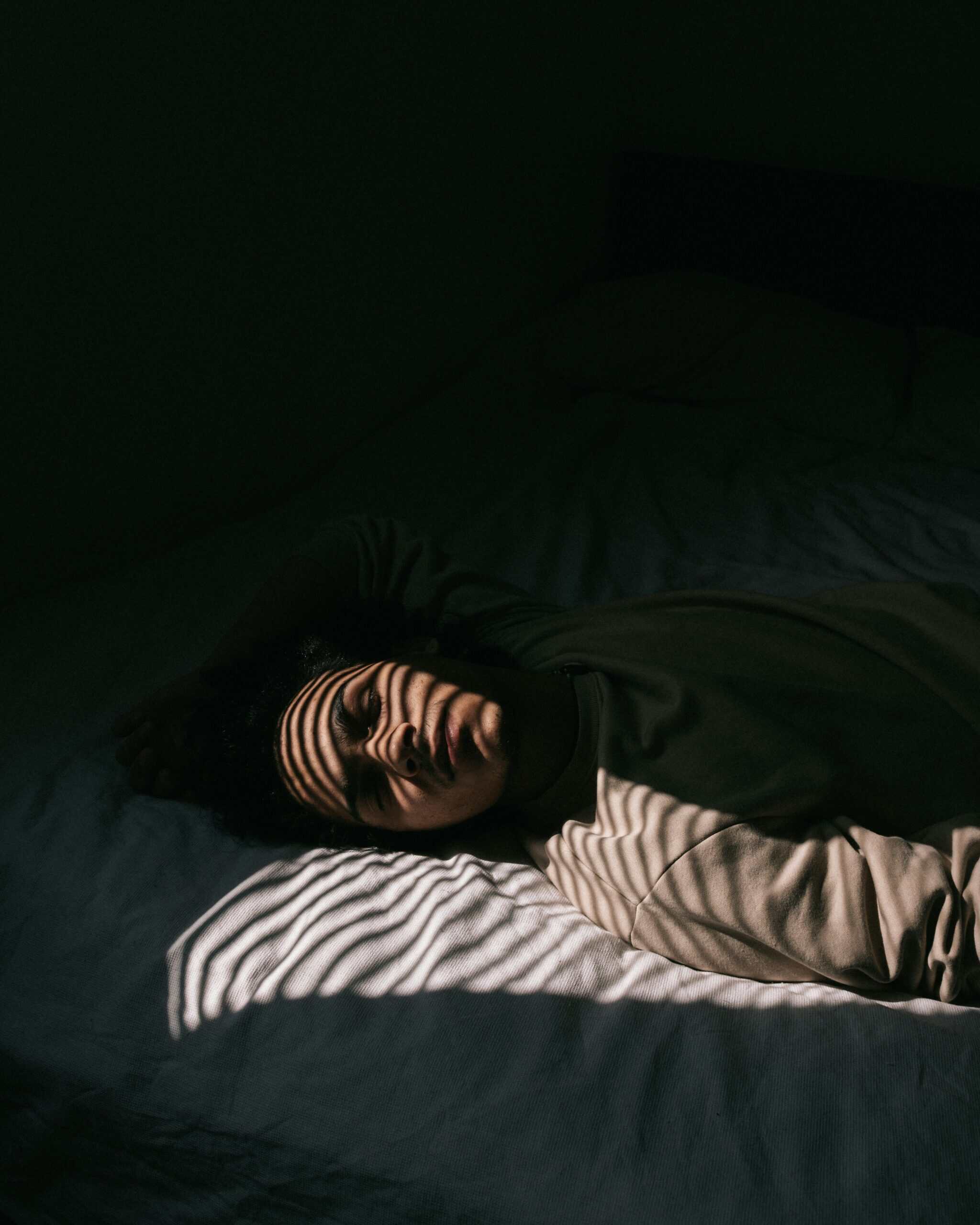
Light sleeping is not insomnia and the two get confused constantly, including by people who have one of them. Insomnia is trouble falling or staying asleep. Light sleeping is waking easily once you are there, at sounds and lights that other people sleep straight through. Different problem, different gear, and mixing them up is why a lot of advice misses.
Quick Verdict
Layer the defenses. Earplugs plus masking beats either alone, and a mask plus curtains beats either alone. The goal is not silence and darkness, which you will not get. It is removing the sudden changes that pull you out.
Key Takeaways
- Sudden change wakes people, not steady noise. Mask rather than block.
- Layer: earplugs and a sound machine solve different halves.
- Motion transfer matters if you share a bed. That is a mattress problem.
- Light sleeping is not insomnia. Do not buy for the wrong one.
- Comfort beats specs. Gear that irritates gets removed at 3am.
1. Earplugs, Best Starting Point
The most direct intervention available and the cheapest thing on the list.
They attenuate rather than eliminate, which is worth understanding before you are disappointed. Nothing gives you silence. What good earplugs do is drop the peaks, so the door closing downstairs arrives softened rather than sharp, and softened is often below the threshold that wakes you.
Fit is the entire game and it is where most people give up. Foam plugs need rolling thin and inserting properly, and a plug sitting in the outer ear does close to nothing. Most people who say earplugs do not work have never had one seated correctly.
For side sleepers the shape matters more than the rating, since a plug pressed into a pillow all night has to be soft enough to tolerate. Earplugs for sleeping covers types and fitting.
Best for: anyone woken by sound, which is the definition here.
Skip if: you need to hear a child or an alarm. That is not negotiable.
2. A Sound Machine, Best Layer Two
The other half, and the half people skip because they assume it is the same job.
Earplugs lower everything. A sound machine raises the floor. Together they compress the range so that the gap between background and a sudden noise gets small enough that your brain stops flagging it, and that gap is what actually wakes a light sleeper.
The mechanism is worth internalising because it explains why silence is the wrong goal. In a genuinely silent room, any sound is a large relative change and light sleepers respond to change. Add steady noise and the same sound is a small relative change. The room is louder and you sleep better, which feels wrong and is right.
Sound machines covers the field, white noise machines the specific type, and machine vs fan if you want the cheap version.
Best for: everyone in this category. This is the non-obvious one.
Skip if: steady sound itself keeps you up, which happens to a minority.
3. A Sleep Mask, Best for the Light Half
Same logic applied to light, and the same trap of thinking curtains finished the job.
Curtains handle the window. They do not handle the standby LED, the charger, the light under the door, or a partner’s phone. For someone who wakes easily, those small sources are exactly the sudden changes that matter, and they are the ones curtains cannot reach.
A contoured mask is worth the small extra over a flat one, because it does not press on your eyes and it seals better at the nose. Nose gap is where flat masks fail: light comes in at the bottom and you have solved most of a problem.
Sleep masks covers shapes and fit, and mask vs curtains makes the case for both.
Best for: gap light, partners, travel, anyone woken by small sources.
Skip if: you cannot tolerate something on your face, and some genuinely cannot.
4. Blackout Curtains, Best Foundation
The structural fix for light, and the one that works while you are asleep and cannot adjust anything.
The distinction that matters is a real blackout liner versus a thick-looking panel sold under the same word. Thickness is not opacity. A genuine liner stops light; a heavy decorative curtain filters it, and filtered light at 5am still wakes someone who wakes easily.
They also help with temperature, since sun through glass is heat and a lined curtain intercepts it. In a hot climate that is a second benefit for the same purchase.
Blackout curtains covers what to look for, and curtains vs blinds for the window question.
Best for: early risers by accident, street lights, summer mornings.
Skip if: you use morning light deliberately to wake up. That is a real strategy.
5. A Mattress Topper, Best for Shared Beds
The one people do not associate with the problem, and often the actual cause.
If you share a bed, a lot of what wakes you is not sound or light. It is the other person moving. A springy mattress transmits that across the surface; foam absorbs it. That is motion isolation, and it is the difference between noticing every turn and noticing none.
A topper is the cheap route to it. You are not replacing a mattress, you are adding a layer that eats movement before it reaches you, and it works well enough that it is worth trying before anything drastic.
Mattress toppers covers the range, choosing one the decision, and topper vs new mattress if it is bad enough to be considering both.
Best for: shared beds, restless partners, springy mattresses.
Skip if: you sleep alone, where motion transfer is not your problem.
6. A Bedside Fan, Best Two-For-One
Steady sound plus air movement, which covers two of the three things that wake people.
Temperature is the underrated waker. Rooms warm through the night, bodies warm under bedding, and a lot of 3am waking is thermal rather than acoustic. A fan handles that and produces masking noise while it does, which makes it two purchases in one object.
For many people a fan replaces the sound machine entirely. It is worth trying before buying a machine, because if it works you are finished and it cost less.
Bedside fans covers the options, why fans help the mechanism, and bedside vs tower for placement.
Best for: anyone waking warm, anyone who wants one object doing two jobs.
Skip if: moving air irritates you or dries you out overnight.
Light Sleeper Gear at a Glance
| Item | What wakes you that it handles | Layer |
|---|---|---|
| Earplugs | Sudden noise | One |
| Sound machine | The gap between quiet and noise | Two |
| Sleep mask | LEDs, gap light, partners | One |
| Blackout curtains | Sun, street lights | Two |
| Mattress topper | The other person moving | Foundation |
| Bedside fan | Heat, plus masking | Both |
Why Layering Beats Any Single Fix
Each item here is partial, and that is not a flaw in the products.
Earplugs attenuate, they do not silence. Curtains handle the window, not the room. A machine raises the floor, it does not remove the peak. Any one of them leaves a gap and light sleepers find gaps, because that is definitionally the condition.
Combined, they close each other’s gaps. Earplugs drop the peak while the machine raises the floor, and the range that remains is small enough to sleep through. Curtains kill the window while the mask kills everything the curtains cannot reach.
Which means buying one thing and concluding gear does not work is the standard mistake. One thing does not work. Two things aimed at the same problem from opposite directions usually do.
Light Sleeper or Insomniac
Worth separating carefully, because the gear on this page is aimed at one of them.
A light sleeper falls asleep normally and gets woken by things. An insomniac lies awake, either at the start of the night or after waking. They feel similar from the inside at four in the morning and they have almost nothing in common as problems.
If your issue is that a car door wakes you, everything here applies. If your issue is that you are staring at the ceiling with a silent room and a comfortable bed, none of it will help, and buying more of it is a way of avoiding the actual question. Winding down and sleep aids are the honest starting points there, and persistent insomnia is worth raising with a doctor rather than shopping around.
Comfort Beats Specifications
The rule that decides whether any of this survives contact with a real night.
The highest-rated earplugs are useless if they hurt on your side. The most opaque mask is useless if you take it off at two. Gear that irritates gets removed while you are half asleep and not making decisions, and you will not remember doing it.
So buy for tolerability first and performance second. A mediocre plug you keep in beats an excellent one you remove, and that is true of everything on this page.
This is also why reviews mislead in this category more than most. A rating measures how much a plug attenuates in a lab, not whether it is bearable pressed into a pillow for seven hours. Those are different questions and only one of them decides whether the thing works for you.
The practical approach is to buy cheap and buy variety at first. Earplugs cost very little, masks cost very little, and the only way to find out which shape suits your face and which foam suits your ears is to try a few. Spending more on the first guess is worse odds than spending less on three.
Recommended Reading
See earplugs, sound machines, and bedroom essentials, and making a bedroom dark, and insomnia versus light sleeping.
Light Sleeper Gear FAQ
What is the best gear for a light sleeper?
Earplugs plus a sound machine, layered. They solve opposite halves of the same problem: plugs drop the peaks, the machine raises the floor, and together they compress the range enough that sudden noises stop registering. Either one alone leaves a gap.
Why does adding noise help me sleep?
Because you react to change rather than volume. In a silent room any sound is a large relative change, and light sleepers respond to that. Raise the background and the same sound becomes a small change. The room is louder and you sleep better, which sounds wrong and is right.
Do earplugs really work?
When fitted properly, yes, and most people never fit them properly. Foam plugs need rolling thin and inserting into the canal, not resting in the outer ear. They attenuate rather than silence, so pair them with masking. For side sleepers, softness matters more than the rating.
Am I a light sleeper or do I have insomnia?
Light sleepers fall asleep fine and get woken. Insomniacs lie awake. They feel identical at 4am and they are completely different problems. If a car door wakes you, this page helps. If you are staring at the ceiling in a silent room, none of it will.
My partner wakes me up moving. What helps?
A mattress topper, which is not where people look. Springy mattresses transmit movement across the surface and foam absorbs it. A topper is the cheap route to motion isolation and it usually works well enough to avoid replacing anything.
Is a fan enough on its own?
Often, and it is worth trying first. It produces the same steady masking sound as a machine and handles temperature, which is an underrated cause of waking. If a fan solves it you are finished and it cost less than the machine would have.
Do I need curtains if I have a sleep mask?
Both, ideally. Curtains work while you are asleep and cannot adjust anything, and they handle the window. A mask handles everything curtains cannot reach: standby LEDs, the light under the door, a partner reading. They fail in different places.
Why does none of my sleep gear seem to work?
Usually because you bought one thing. Every item here is partial by design, and light sleepers find the gap in any single defense. Two items aimed at the same problem from opposite directions is the approach that holds. The other common reason is comfort: gear that irritates gets removed at 3am and you will not remember doing it.
Related in this cluster: how to improve sleep quality naturally, the best sleep gear for apartments, the best night sweats solutions for better sleep, the best essential oils for sleep.
Gear works better once the routine around it is consistent. Building that consistency covers the habits side.
