
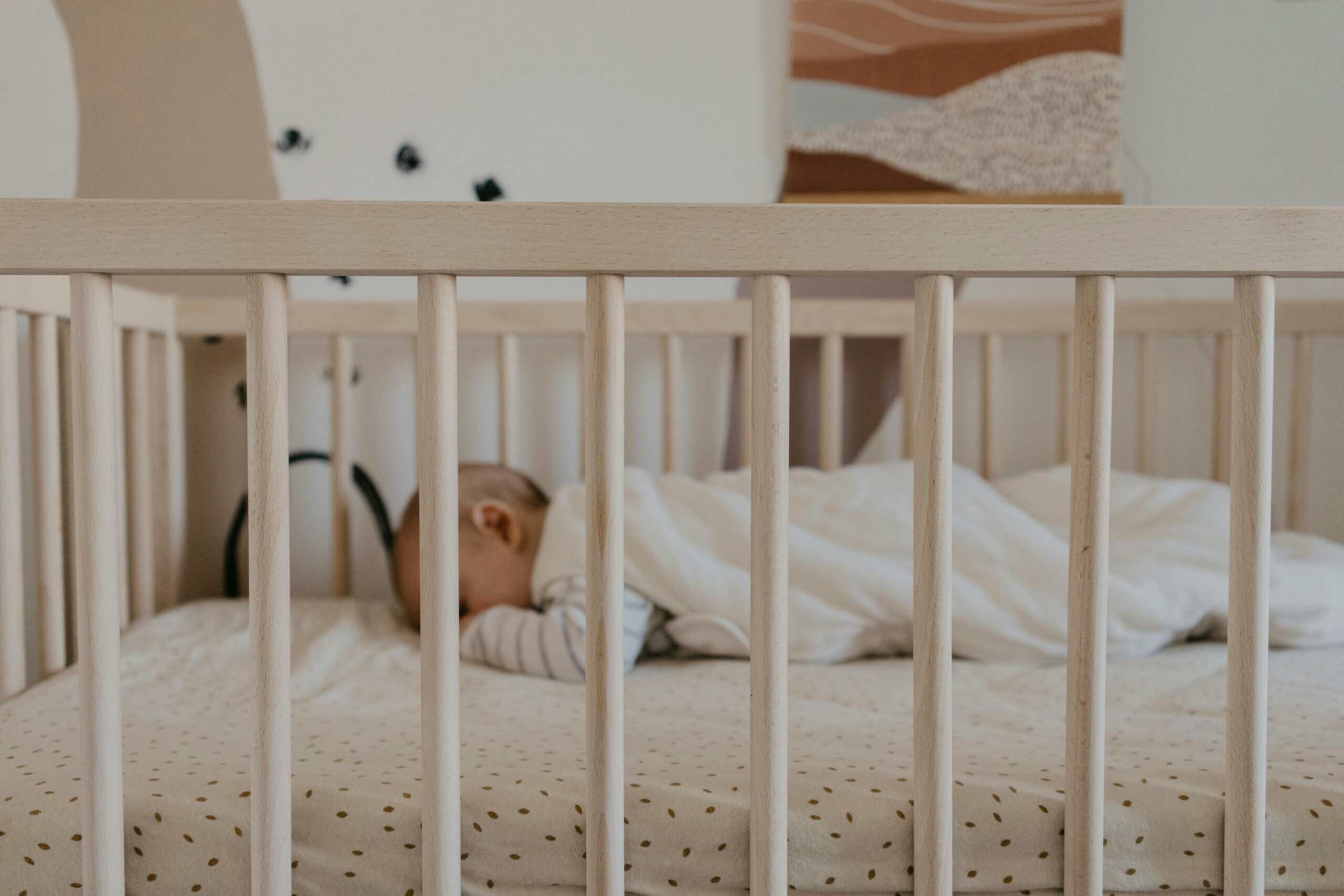
A crib mattress is not a small version of an adult bed, and the rules are different for a reason: for infants, firmness and fit are safety features, not comfort preferences. The best crib mattresses are firm and flat, fit the crib snugly with no gaps, and meet federal safety standards, giving your baby a safe surface for the many hours they sleep each day. This guide explains what to look for and compares the main types. This is general information, not medical advice, and you should follow your pediatrician’s guidance on infant sleep. The six picks below span the safe, well-made options. Our guide to setting up a safe nursery is a natural next read.
Quick Verdict
A firm, dual-firmness crib mattress is the best all-around choice, giving newborns the firm surface safe sleep requires and a slightly softer side once your child is a toddler. Innerspring models offer sturdy firm support, breathable covers add airflow, and organic options limit chemicals. Whatever you choose, it must be firm, flat, fit snugly, and carry a fitted sheet only, with nothing else in the crib. Cribs stay flat and bare on purpose, which is why the timing of that first pillow is treated as a safety question rather than a comfort one.
Why Trust This Guide
Independent picks, reader-supported through affiliate links at no cost to you. Because infant sleep is a safety topic, the guidance here follows the American Academy of Pediatrics and the U.S. Consumer Product Safety Commission rather than marketing claims, and the sources are cited below. Always confirm any product meets current federal safety standards and check with your pediatrician about your baby’s sleep.
Key Takeaways
- Health authorities recommend infants sleep on a firm, flat surface that does not indent to the baby’s head.1
- The mattress must fit the crib snugly with no gaps, covered by a fitted sheet only, with nothing else in the crib.1
- Avoid soft surfaces and memory foam for infants, since they can conform and create suffocation risk.2
- All crib mattresses sold in the U.S. must meet CPSC federal safety standards; check for recalls before use.2
How We Picked the Best Crib Mattresses
We evaluated crib mattresses on firmness, fit, safety certifications, and materials, leaning entirely on safe-sleep guidance from health authorities. Firmness led, because the American Academy of Pediatrics recommends a firm surface that retains its shape and does not conform to an infant’s head, and a snug fit with no gaps that could trap a baby.1 We prioritized models that meet CPSC standards, favored breathable and low-chemical options, and flagged the safe-sleep basics that matter most. The picks span the safe, common types.
1. Dual-Firmness Crib Mattress
Why It Stands Out
A dual-firmness crib mattress is the best all-around pick. One side is extra-firm for infants, meeting the safe-sleep requirement for a surface that does not indent, and you flip to a slightly softer side once your child is a toddler, so a single mattress safely spans the crib years. It is practical and safety-first.
Worth Knowing
Use only the firm infant side until your child is at least a year old and following your pediatrician’s guidance. Confirm the mattress fits your specific crib snugly with no gaps.
Buy it if you want one mattress that grows from infant to toddler. Skip it if you only need a single-stage mattress.
Check Price on Amazon2. Innerspring Crib Mattress
Why It Stands Out
An innerspring crib mattress is the best pick for sturdy firm support. A quality coil core delivers the firm, non-conforming surface safe infant sleep calls for, and it holds its shape well over years of use. For dependable firmness and durability, innerspring is a dependable construction.
Worth Knowing
Higher coil counts and thicker gauge steel generally mean firmer, more durable support, so check the specs. Innerspring mattresses are heavier than foam, which some parents notice at sheet-changing time.
Buy it if you want firm, long-lasting coil support. Skip it if you want the lightest possible mattress.
Check Price on Amazon3. Breathable Crib Mattress
Why It Stands Out
A breathable crib mattress is the best pick for airflow. Designed with an air-permeable cover or core, it promotes airflow and is often washable, which many parents value, while still providing the firm, flat surface safe sleep requires. It pairs airflow with the essential firmness.
Worth Knowing
Breathability does not replace safe-sleep basics: the crib should still be bare except for a fitted sheet.1 Confirm the firm surface and snug fit rather than relying on breathability claims alone.
Buy it if you want airflow and a washable design. Skip it if you prefer a simpler traditional build.
Check Price on Amazon4. Organic Crib Mattress
Why It Stands Out
An organic crib mattress is the best pick for limiting chemical exposure. Made with certified organic materials like organic cotton and free of unnecessary chemical treatments, it appeals to parents focused on low-tox materials, while still delivering the required firm, flat surface. Certifications back up the material claims.
Worth Knowing
Look for recognized third-party certifications rather than vague “natural” labels. Organic models often cost more, and firmness and fit still matter most for safety.
Buy it if low-chemical materials are a priority. Skip it if budget is your main concern.
Check Price on Amazon5. Firm Foam Crib Mattress
Why It Stands Out
A firm foam crib mattress is the best pick for a lightweight, budget-friendly option. A dense, firm foam core provides the non-conforming surface infants need while staying light enough to make sheet changes easy, and it usually costs less than innerspring. For value and easy handling, firm foam works well.
Worth Knowing
Choose a firm, high-density foam and avoid memory foam, which conforms to the head and is not safe for infant sleep.2 Press the surface to confirm it springs back without leaving an indentation.
Buy it if you want a light, affordable firm mattress. Skip it if you prefer coil support or maximum durability.
Check Price on Amazon6. Mini Crib Mattress
Why It Stands Out
A mini crib mattress is the best pick for small spaces. Sized for mini and portable cribs, it brings the same firm, flat, safe-sleep surface to apartments, shared rooms, and grandparents’ houses where a full crib will not fit. For compact living, it is the space-saving solution.
Worth Knowing
It must fit your specific mini crib snugly, since mini cribs are not all the same size and gaps are a hazard. Confirm the exact dimensions before buying.
Buy it if you use a mini or portable crib. Skip it if you have a standard full-size crib.
Check Price on AmazonCrib Mattresses at a Glance
| If you want this | Reach for | Why |
|---|---|---|
| Infant-to-toddler in one | Dual-Firmness | Firm infant side, softer toddler side |
| Sturdy firm support | Innerspring | Coil core holds its shape |
| Airflow and washability | Breathable | Air-permeable, often washable |
| Low-chemical materials | Organic | Certified organic components |
| Light and affordable | Firm Foam | Firm core, easy to lift |
| Small spaces | Mini Crib | Fits mini and portable cribs |
How to Choose a Crib Mattress
Firmness Comes First
For infants, the surface must be firm, meaning it retains its shape and does not conform to the baby’s head, since a soft surface that indents can create a suffocation risk.12 Press the center and edges: a safe infant mattress springs back immediately with no lasting indentation. This is the single most important factor.
Confirm a Snug Fit
The mattress must fit the crib tightly with no gaps around the edges, because a space between the mattress and frame can trap a baby.1 Use a mattress designed for your specific crib, and if you can fit more than a couple of fingers between the mattress and the crib side, it is too small.
Check Safety Standards and Recalls
Every crib mattress sold in the U.S. must meet CPSC federal safety standards, so buy from reputable sellers and confirm compliance.2 Check the CPSC website for recalls before using any mattress or crib, which matters especially for used or hand-me-down items.
Keep the Sleep Space Bare
Health authorities advise a bare crib: a firm mattress with a fitted sheet only, and no pillows, blankets, bumpers, toppers, or soft toys.1 Dress your baby warmly instead of adding blankets, and see our guide to mattresses for kids for the toddler years ahead.
Common Crib Mattress Mistakes to Avoid
Choosing Softness for Comfort
A plush, cushiony mattress may seem kinder, but softness that indents to a baby’s head is a known safety risk. Infants need a firm surface that does not conform, so resist the urge to pick the softest option and prioritize firmness instead.1
Adding a Mattress Topper
Placing a soft topper, memory foam pad, or extra padding on a crib mattress undoes its firmness and adds a suffocation hazard. Keep the sleep surface firm and bare, with only a fitted sheet, exactly as safe-sleep guidance advises.1
Ignoring Gaps Around the Edges
A mattress that is too small leaves gaps where a baby can become trapped. Always use a mattress sized for your specific crib and check that it fits snugly on all sides with no space to slip a hand into.1
Skipping the Recall Check
Reusing an old crib or mattress without checking for recalls or damage can be dangerous. Verify the product on the CPSC website, and never use a broken crib or one missing parts.2
When should I ask a pediatrician?
Before introducing anything into an infant’s sleep space, and for any question about safe sleep positioning, bedding, or products used around a baby. Guidance changes as evidence develops, and current pediatric recommendations are the reference rather than product marketing.
Recommended Reading
- mattresses for kids
- sound machines for sleep
- how to clean a mattress
- toddler pillows
- mattress protectors
- nightlights
- bedroom humidifiers
- white noise vs fan
Frequently Asked Questions
How firm should a crib mattress be?
Very firm. The American Academy of Pediatrics recommends a firm surface that retains its shape and does not conform to an infant’s head, meaning it should not indent when the baby lies down.1 Press the center: it should spring back immediately with no lasting dent.
Is memory foam safe for a crib mattress?
No. Memory foam conforms to the shape of a baby’s head and can create pockets that raise the risk of suffocation and rebreathing, so it is not recommended for infants.2 Choose a firm innerspring or firm high-density foam mattress instead.
How do I know if a crib mattress fits?
The mattress should fit snugly against all sides of the crib with no gaps. A common check is that you should not be able to fit more than about two fingers between the mattress and the crib frame, since larger gaps can trap a baby.1
What should be in the crib besides the mattress?
Only a fitted sheet. Safe-sleep guidance calls for a bare crib with no pillows, blankets, bumpers, toppers, or soft toys, which reduces the risk of suffocation and entrapment.1 Dress your baby in warm sleep clothing rather than using blankets.
Do crib mattresses have to meet safety standards?
Yes. All crib mattresses sold in the United States must meet CPSC federal safety standards covering firmness, size, and fit.2 Buy from reputable sellers, and check the CPSC website for recalls, especially before using a secondhand mattress or crib.
Can I use a used crib mattress?
It can be risky, so proceed carefully. Confirm it is firm, fits your crib snugly, has an intact waterproof cover, and has not been recalled, and avoid any mattress that is worn, sagging, or of unknown history. When in doubt, a new mattress removes the uncertainty.
When can my child use a softer mattress?
The firm infant surface matters most in the first year, and you should follow your pediatrician’s guidance on transitions. Dual-firmness mattresses offer a slightly softer toddler side to flip to later, but keep your baby on the firm side throughout infancy.
Is a breathable crib mattress necessary?
It is not required for safe sleep, though some parents value the airflow and washability. Breathability is a nice feature, but it does not replace the essentials of a firm, flat surface, a snug fit, and a bare crib, which remain the priorities.1
Sources
- American Academy of Pediatrics, HealthyChildren.org, How to Keep Your Sleeping Baby Safe, on a firm surface that does not indent, a snugly fitting mattress, a fitted sheet only, and a bare crib. https://www.healthychildren.org/English/ages-stages/baby/sleep/Pages/a-parents-guide-to-safe-sleep.aspx
- U.S. Consumer Product Safety Commission, Safe Sleep, on federal crib mattress safety standards, firm and snugly fitting mattresses, the risk of soft surfaces, and checking for recalls. https://www.cpsc.gov/SafeSleep
