
A stiff lower back and tight calves can keep you shifting around long after the lights go off. The best muscle roller sticks give you a fast way to roll out that tension yourself, without booking a massage or lying on the floor with a foam roller. A muscle roller stick is a handheld bar with independent rollers you grip at both ends and run along a muscle, letting you control the pressure inch by inch. Rolling this way is a form of self-myofascial release, which applies pressure to tight or sore tissue to help it relax and can ease soreness and improve range of motion.
I keep one by the bed and reach for it most nights on my calves and lower back, so this guide pairs that hands-on habit with product research and the sports-medicine sources listed at the end. If you would rather work knots lying down, our guide to the best foam rollers covers that route instead.
Quick Verdict
The Idson Muscle Roller Stick is the pick most people should start with: sturdy, grippy, and cheap enough to keep by the couch and the bed. Spend more on The Original Body Stick if you want a flexible, made-to-last tool, or grab the Tiger Tail if you want a rigid stick with zero flex for heavy legs.
Why Trust This Guide
Independent picks, reader-supported through affiliate links at no cost to you. Selections draw on product research, manufacturer specs, and the standards bodies cited in Sources. First-person notes appear only where the gear was genuinely used, and the roller stick I own runs in my own words below with no brand claimed.
Key Takeaways
- A muscle roller stick targets one muscle at a time with pressure you control, which makes it easier to work calves, quads, and hamstrings than a floor roller.
- Rolling before bed can loosen the tight spots that keep you fidgeting, though it eases tension rather than treating an injury.
- Sturdiness matters most: a stick that flexes or squeaks under real pressure will not last.
- Independent, ridged rollers grip and knead better than a smooth sleeve for most people.
How We Picked the Best Muscle Roller Sticks
Self-myofascial release with a roller massager has support in the research: a systematic review of foam rolls and roller massagers found the tools improve joint range of motion and show positive effects on post-exercise soreness and fatigue, without hurting muscle performance. That told us what to weight. We looked for sticks that stay rigid under real hand pressure, rollers that grip instead of slide, handles that stay put in sweaty hands, and a length that reaches a full hamstring or calf in one pass. We favored independent rollers over fixed sleeves, since spinning segments knead the muscle rather than drag across it. Price ranged from budget to premium so there is a fit whether you want one for the gym bag or one to keep for a decade. Products that flexed, squeaked, or shed their grip did not make the list.
1. Idson Muscle Roller Stick
Why It Stands Out
The Idson is the stick most people should buy first. It runs nine independent ridged rollers on a steel core, so it grips and kneads a muscle instead of sliding across it, and the core holds firm when you lean into a stubborn calf knot. At its price you can keep one in the gym bag and another by the bed without thinking about it.
Worth Knowing
The ridged rollers dig in, which is what you want on dense muscle, but first-timers may want to start light on tender spots like the front of the shin. The build is plastic-and-steel rather than a lifetime tool, though owners report years of steady use.
Buy it if you want the most roller for the least money and do not need a premium finish. Skip it if you want a flexible stick that wraps around a curved muscle.
Check Price on Amazon2. The Muscle Roller Stick I Keep by the Bed
Why It Stands Out
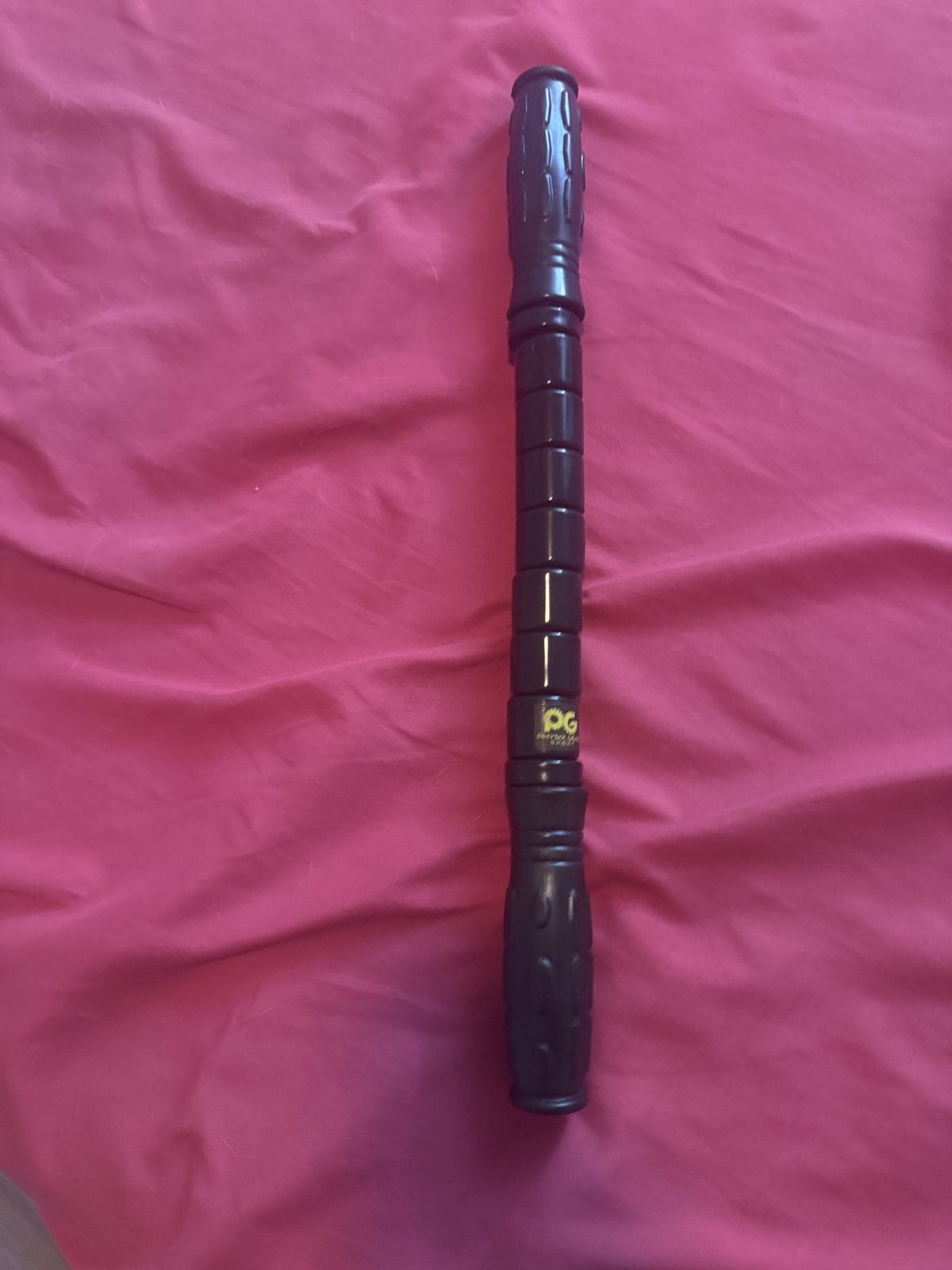
This is the stick I actually own, so I will speak plainly about it. It is a sturdy black bar with segmented rollers and molded grips at each end, and I run it along my calves, hamstrings, and lower back most nights before sleep. The build is the part that won me over: I lean hard on tight spots and it does not flex, bow, or creak, and the rollers still spin smoothly after heavy use. On nights when my lower back is stiff enough to keep me turning over, a few minutes of rolling takes the edge off and I settle faster.
Worth Knowing
I use mine for maintenance, not for anything that feels like an actual injury, and I keep the pressure moderate over bone and joints. If your stick is a no-name like mine, look for the same things I lean on here: a core that stays rigid, grips that hold in a sweaty hand, and rollers that turn freely. Any sturdy stick with that build will do the same job.
Buy a stick like this if you want a nightly wind-down tool for tight legs and a stiff back. Skip it if your soreness is sharp or localized, which is a reason to see a professional rather than roll it out.
Check Price on Amazon3. The Original Body Stick
Why It Stands Out
The Original Body Stick, often just called The Stick, is the flexible option. Its spindles ride on a bendable core, so the stick wraps slightly around a calf or quad and spreads pressure along the curve of the muscle. It is made in the USA and built to outlast cheaper sticks, which is why plenty of trainers and runners keep one for years.
Worth Knowing
The flex that makes it comfortable also means it delivers less pinpoint pressure than a rigid stick, so people chasing a deep trigger point sometimes prefer a firmer tool. It costs more than a basic roller.
Buy it if you want a durable, comfortable stick that molds to the muscle. Skip it if you want maximum pressure on one knot.
Check Price on Amazon4. Supredo Muscle Roller Stick
Why It Stands Out
The Supredo is the travel pick. It is light, textured for grip, and short enough to slide into a carry-on or a gym bag, so you can roll out sore legs after a flight or a long drive. For the price it covers the basics well and makes a solid first stick for anyone testing whether rolling helps them.
Worth Knowing
The shorter length that makes it portable also means more passes to cover a long hamstring, and the lighter build does not take the same abuse as a steel-core stick. It is a starter and travel tool rather than a forever one.
Buy it if you travel and want a roller that packs down. Skip it if you want one heavy-duty stick for daily home use.
Check Price on Amazon5. TriggerPoint STK Contour
Why It Stands Out
The TriggerPoint STK Contour uses shaped, multi-density rollers that mimic the feel of hands working a muscle, with firmer and softer zones along the bar. That layout suits people who find ridged sticks too harsh but still want real pressure, and the brand has a long track record in recovery tools.
Worth Knowing
You pay a premium for the contoured design, and the softer zones mean it is less aggressive than a hard ridged stick if you specifically want a deep dig. Rollers with different textures and densities do change how the pressure lands, so the right feel is personal.
Buy it if you want a refined, hand-like feel from a known brand. Skip it if you want the cheapest capable stick.
Check Price on Amazon6. Tiger Tail The Original Massage Stick
Why It Stands Out
The Tiger Tail takes the opposite approach to a segmented stick. It is one continuous foam sleeve over a rigid core with no spinning parts to catch hair or wear out, so it glides smoothly and takes hard pressure on heavy legs without any flex. Nothing to break makes it a favorite for people who want a simple, rugged tool.
Worth Knowing
The smooth sleeve does not knead or grip the way ridged rollers do, so if you like the digging feel of segments, this will feel plain. It also runs pricier than a basic ridged stick.
Buy it if you want a rugged, low-maintenance stick with a smooth glide. Skip it if you want ridged rollers that grip and knead.
Check Price on AmazonMuscle Roller Sticks at a Glance
| If you want this | Reach for | Why |
|---|---|---|
| The best all-round value | Idson Muscle Roller Stick | Nine gripping rollers on a firm core, cheap enough to own two |
| A nightly wind-down for tight legs and back | A sturdy segmented stick like the one I use | Rigid, grippy, rollers spin freely under real pressure |
| A flexible stick built to last | The Original Body Stick | Bendable core wraps the muscle, made in the USA |
| Something for travel | Supredo Muscle Roller Stick | Light, textured, packs into a carry-on |
| A hand-like, refined feel | TriggerPoint STK Contour | Shaped multi-density rollers, firmer and softer zones |
| A rugged tool with nothing to break | Tiger Tail Massage Stick | One-piece foam sleeve, smooth glide, takes hard pressure |
How to Choose a Muscle Roller Stick
Rigidity Under Pressure
The single most important trait is that the stick stays firm when you lean into it. A steel or hard-plastic core transfers your pressure into the muscle instead of bowing away from it. Before you buy, check owner notes for any mention of flex or cracking under load, since a stick that gives is a stick that fails.
Roller Type and Texture
Independent, ridged rollers grip and knead, while a smooth sleeve glides. Research comparing roller textures found that grooved and serrated surfaces change how the pressure lands compared with a smooth roller, and the firmest option is not automatically the best for everyone. Start with a ridged stick if you want to feel it work knots, and choose a smooth sleeve if ridges feel too harsh.
Length and Grips
A stick around 17 to 18 inches reaches a full calf or hamstring in one pass, which beats inching a short tool along a long muscle. The handles matter almost as much: molded or textured grips keep the stick from twisting in a sweaty hand, and comfortable ends let you push through a tight spot without your palms giving out first.
Where and When You Will Use It
Be honest about the setting. A light, packable stick earns its place in a gym bag or suitcase, while a heavier steel-core stick is the one to keep home for daily use. Rolling primes muscles before activity and eases tension afterward, so many people keep a stick both in the bag and by the bed for a wind-down before sleep.
Muscle Roller Stick vs Foam Roller
Control and Reach
A roller stick puts the pressure in your hands, so you decide exactly how hard to press and can reach a calf or forearm while sitting up. A foam roller uses your body weight, which delivers broad pressure across the back and glutes but is harder to fine-tune and awkward on smaller muscles. The stick wins for targeted control; the roller wins for large areas and for hands-free work.
Which One Fits Your Routine
Pick a stick if you want a quick, seated tool for legs and arms that travels well and works in bed. Pick a foam roller if you want to work your whole back and hips on the floor. Many people own both and use the stick for spot work and the roller for a full-body reset. Our guide to the best foam rollers covers that side, and the best massage guns add a powered option if manual rolling is not enough.
Common Muscle Roller Stick Mistakes to Avoid
Rolling Directly on Bone or Joints
Keep the stick on muscle. Rolling hard over the spine, kneecaps, or the front of the shin puts pressure where it does not belong and can leave you sore in the wrong way. Work the calf, quad, hamstring, and the meat of the back instead.
Grinding on One Painful Spot
Sharp, localized pain is a signal to ease off, not to dig harder. Rolling eases everyday tension and soreness; it does not fix an injury, and a spot that hurts sharply is a reason to check with a professional rather than push through it.
Choosing a Stick That Flexes
A cheap stick that bends under pressure wastes your effort, since the flex absorbs the force you meant for the muscle. Spend a little more on a rigid core if the budget sticks in your size all feel flimsy.
Expecting It to Replace Real Recovery
A roller stick is one tool, not a whole plan. Sleep, hydration, and easy movement do the heavy lifting for recovery, and rolling is the quick loosening step on top. A supportive mattress matters too, which is why athletes pair recovery habits with the right bed in our guide to the best mattresses for athletes and recovery.
Recommended Reading
- massage balls for trigger point relief
- back stretchers for lumbar decompression
- heating pads for back and neck
Frequently Asked Questions
What does a muscle roller stick actually do?
It applies rolling pressure to a muscle, a form of self-myofascial release that can help tight tissue relax, ease soreness, and improve range of motion. You control the pressure with your hands and run the rollers along the length of the muscle.
Is a muscle roller stick better than a foam roller?
Neither is better overall. A stick gives you targeted, seated control that suits calves, quads, and arms, while a foam roller uses body weight for broad work on the back and hips. Many people keep both for different jobs.
How often should I use a muscle roller stick?
Daily use is fine for most people at a moderate pressure, and many roll before activity to prime the muscles or afterward to ease tension. Keep sessions short, a minute or two per muscle, and back off any spot that feels sharp.
Can rolling before bed help me sleep?
It can help indirectly. Loosening tight calves and a stiff back removes some of the discomfort that keeps you shifting around, which is why I roll before bed. Rolling is not a sleep treatment, but easing physical tension makes settling in easier.
Does it hurt to use one?
A good roll feels like firm, satisfying pressure, not sharp pain. If a spot hurts sharply, ease off. Some tenderness on a tight muscle is normal, but pain that spikes is a signal to stop and, if it persists, to see a professional.
Ridged rollers or a smooth stick, which should I get?
Ridged, independent rollers grip and knead, which most people prefer for working knots. A smooth sleeve glides and feels gentler. Roller texture and density genuinely change the sensation, so the right pick comes down to how firm you like it.
How long should a muscle roller stick be?
Around 17 to 18 inches covers a full calf or hamstring in one pass and still fits most bags. Shorter travel sticks pack smaller but need more passes on long muscles.
Can a roller stick treat an injury?
No. A roller stick is a maintenance and recovery tool for everyday tightness and soreness. It does not diagnose or treat injuries, and sharp or lasting pain is a reason to check with a doctor or physical therapist before rolling it.
