
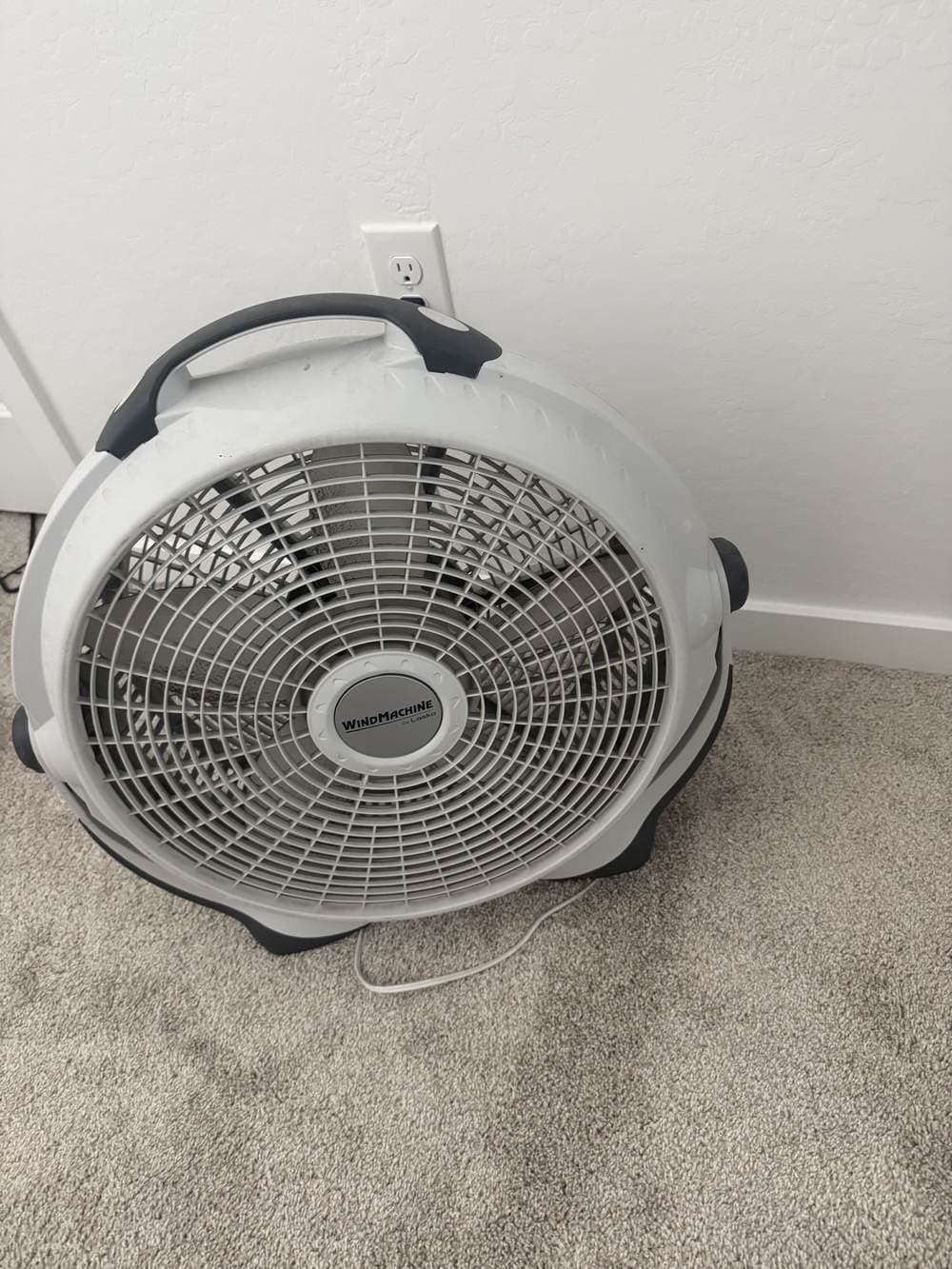
Choose a bedside circulator-style fan when you want strong, direct airflow and steady white noise to sleep by, and choose a tower fan when you want a quieter, space-saving fan with oscillation that cools the room more evenly. Both keep a hot sleeper comfortable, but the bedside-fan-vs-tower-fan choice comes down to whether you want focused airflow and sound right at the bed or gentler, room-filling circulation. As a hot sleeper who runs a sturdy circulator fan next to my bed every night, the airflow-and-noise side is where my own experience sits. For our current top picks, see the best touch control bedside lamps guide.
Disclosure: RestRight is reader-supported. As an Amazon Associate, we earn from qualifying purchases made through links on this page, at no extra cost to you.
Quick Verdict
Pick a bedside circulator or floor fan if you want powerful, direct airflow and consistent white noise aimed right at the bed. Pick a tower fan if you want a slim, quieter unit with oscillation that cools the whole room more evenly. Hot sleepers who like a strong breeze and steady sound lean fan-by-the-bed; lighter sleepers who want even, gentle cooling lean tower.
Why Trust This Guide
Independent picks, reader-supported through affiliate links at no cost to you. I sleep hot in Arizona and run a sturdy circulator-style fan, a Lasko Wind Machine, at my bedside every night, both to stay cool and for the white noise, so the bedside-fan side of this comparison reflects genuine nightly use alongside each fan type’s design strengths.
Key Takeaways
- A bedside circulator or floor fan delivers stronger, more direct airflow and louder, steadier white noise.
- A tower fan is slimmer, usually quieter, and oscillates to cool a room more evenly.
- For a hot sleeper who wants a breeze and sound right at the bed, the circulator fan wins; for even whole-room cooling in a tight space, the tower wins.
- Both are far cheaper to run than air conditioning and double as white noise.
How We Compared These Fans
This comparison weighs the factors that matter for sleep: airflow strength and direction, noise quality as white noise, footprint and placement, oscillation and coverage, and running cost. Research on sleep environments consistently points to a cool room and steady background sound as aids to falling and staying asleep, which is why airflow and noise are weighted heavily here. The bedside-fan notes draw on genuine nightly use of a circulator fan; the tower-fan notes draw on that category’s design and typical performance.
Bedside Fan vs Tower Fan at a Glance
| Factor | Bedside Circulator Fan | Tower Fan |
|---|---|---|
| Airflow | Strong and direct | Gentler, wider |
| Noise as white noise | Louder, steady | Quieter, softer |
| Footprint | Round, takes floor or table space | Slim, vertical |
| Oscillation | Often fixed direction | Usually oscillates |
| Best placement | Aimed at the bed | Corner of the room |
| Room coverage | Focused | Even, whole-room |
Bedside Circulator Fan: Pros and Cons
Check Price on AmazonPros
- Powerful, direct airflow you can aim right at the bed
- Strong, steady white noise that masks other sounds well
- Sturdy, durable build with a long-lasting motor
- Simple, affordable, and effective for hot sleepers
Cons
- Round body takes up more floor or table space
- Often a fixed direction rather than oscillating
- The strong airflow and noise can be too much for light sleepers
Who it is for: hot sleepers who want a strong breeze and steady white noise aimed at the bed. Who should skip it: light sleepers who find strong airflow or louder noise disruptive.
Tower Fan: Pros and Cons
Check Price on AmazonPros
- Slim, vertical design fits tight spaces and corners
- Oscillation spreads airflow evenly across the room
- Usually quieter, with a softer sound profile
- Often includes timers, remotes, and multiple speeds
Cons
- Weaker direct airflow than a circulator fan
- Softer noise may not mask sounds as well for those who want strong white noise
- More moving parts and electronics that can fail over time
Who it is for: sleepers who want even, gentle whole-room cooling in a slim footprint. Who should skip it: hot sleepers who want a strong, direct breeze right at the bed.
Which Cools a Hot Sleeper Better?
For directly cooling a hot sleeper, the bedside circulator fan wins, and that is exactly how I use mine, a Lasko Wind Machine aimed at the bed. A circulator or floor fan pushes a strong, focused column of air you can aim right at the bed, and that direct breeze across the skin is what actually makes you feel cooler on a hot night. A tower fan moves air too, but its gentler, oscillating output is designed to circulate a room rather than blast one spot, so it feels milder at the bed. If your main goal is to feel a real breeze while you sleep, the stronger, aimable airflow of a circulator fan is the better tool. The tower fan is the pick if you would rather cool the whole room evenly than feel a strong draft in one place. Winner for direct cooling: bedside circulator fan.
Which Makes Better White Noise?
For white noise, the bedside circulator fan again has the edge, and the steady sound is one of the main reasons I keep mine running. A circulator fan produces a fuller, more consistent whoosh that masks household and outside noise well, which is exactly what many people want to fall asleep to. A tower fan tends to be quieter with a softer sound, which is better if you want gentle background noise but less effective if you rely on the fan to drown out disturbances. The right answer depends on how much masking you want: strong, steady masking points to the circulator, while a light, unobtrusive hum points to the tower. Winner for white noise: bedside circulator fan.
Which Fits a Small Bedroom Better?
For tight spaces, the tower fan is the clear winner. Its slim, vertical footprint tucks into a corner and takes up very little floor space, while a round circulator fan needs a chunk of nightstand or floor beside the bed. Tower fans also oscillate, so a single unit in the corner can keep a small room evenly comfortable without being aimed at anyone. If your bedroom is cramped or you do not want a bulky fan beside the bed, the tower is the more practical shape. The circulator wins on power, but the tower wins on placement and tidiness. Winner for small rooms: tower fan.
Which Fits Your Situation
| If this is you | Better choice |
|---|---|
| You sleep hot and want a strong breeze | Bedside circulator fan |
| You want even, whole-room cooling | Tower fan |
| You rely on strong white noise to sleep | Bedside circulator fan |
| You have a small or cramped bedroom | Tower fan |
| You want to aim airflow right at the bed | Bedside circulator fan |
| You prefer a quiet, gentle hum | Tower fan |
How to Choose Between Them
Start with what keeps you up at night. If you run hot and want a real breeze and steady sound right at the bed, a sturdy circulator or floor fan is the better tool, which is why it is what I use. If your room is small, you share the bed with a lighter sleeper, or you would rather cool the whole space evenly than feel a strong draft, a tower fan is the more livable choice. Budget is similar for both at the entry level, so let airflow strength, noise preference, and floor space decide. Many hot sleepers are happiest with a powerful fan aimed at the bed; many couples and small-room sleepers prefer the tidy, even cooling of a tower.
The Verdict
There is no universal winner, because the two fans solve slightly different problems. The bedside circulator fan wins for hot sleepers who want strong, direct airflow and steady white noise aimed right at the bed, which is exactly how I use mine night after night. The tower fan wins for even whole-room cooling, a slim footprint in a small bedroom, and a quieter, gentler sound. If a powerful breeze and good masking matter most, go circulator; if even cooling and space-saving matter most, go tower. For specific models, see our roundup of the best bedside fans for cooling.
Recommended Reading
- bedside fans cooling
- White Noise Machine vs Fan
- why sleep better with fan
- cooling sheets for hot sleepers
- ceiling-mounted alternatives
Common Bedroom Fan Mistakes to Avoid
Buying on price alone
The cheapest fan is not always the right one. Match the fan type to whether you want strong direct airflow or even room cooling, since the wrong type for your needs is no bargain however cheap.
Ignoring noise quality
If you use a fan for white noise, the sound matters as much as the airflow. A rattly or whiny fan is worse than a smooth, steady one, so prioritize a consistent sound if noise is part of why you run it.
Overlooking placement and space
A powerful round fan needs floor or table space beside the bed, while a tower needs a corner. Measure your space first so the fan you buy actually fits where you want it.
Aiming airflow straight at your face all night
Direct air on the face all night can dry out eyes and sinuses for some people. Angle the fan across the bed or use oscillation so you get the breeze and noise without a constant blast on your face.
Bedside Fan vs Tower Fan FAQ
Is a bedside fan or tower fan better for sleeping?
It depends on your priority. A bedside circulator fan gives stronger, more direct airflow and steadier white noise, ideal for hot sleepers. A tower fan gives gentler, even whole-room cooling in a slim footprint, better for small rooms and lighter sleepers.
Which fan is quieter?
Tower fans are usually quieter with a softer sound, while circulator fans are louder with a fuller whoosh. If you want strong white noise, the circulator is better; if you want a gentle hum, the tower is quieter.
Which fan cools a room better?
For even whole-room cooling, a tower fan’s oscillation spreads air better. For cooling a person directly, a circulator fan’s strong, aimable airflow feels cooler at the bed. Fans cool people by moving air over skin rather than lowering the actual room temperature.
Do fans actually help you sleep cooler?
Yes. Moving air over the skin speeds evaporation and makes you feel cooler, even if the room temperature stays the same. That is why a fan aimed at the bed helps hot sleepers, and why airflow direction and strength matter for comfort.
Are fans good white noise for sleep?
Many people sleep better with the steady sound of a fan, which masks sudden noises that would otherwise wake them. A circulator fan makes stronger masking noise; a tower fan makes a softer hum. For a deeper look, see our white noise machine versus fan comparison.
Which fan lasts longer?
A simple circulator or floor fan has fewer electronics than a tower fan, so a sturdy one can last for years of nightly use. Tower fans have more moving parts and features that can fail, though quality varies widely within both types.
Can a fan replace air conditioning?
A fan does not lower room temperature the way an air conditioner does, but it makes you feel cooler by moving air over your skin, at a fraction of the running cost. In very hot climates a fan may not be enough alone, but it helps a lot and pairs well with other cooling bedding.
More Bedroom Climate Guides
Recommended Reading
See also our guides to bedside lamps with usb charging, and touch control bedside lamps.
