
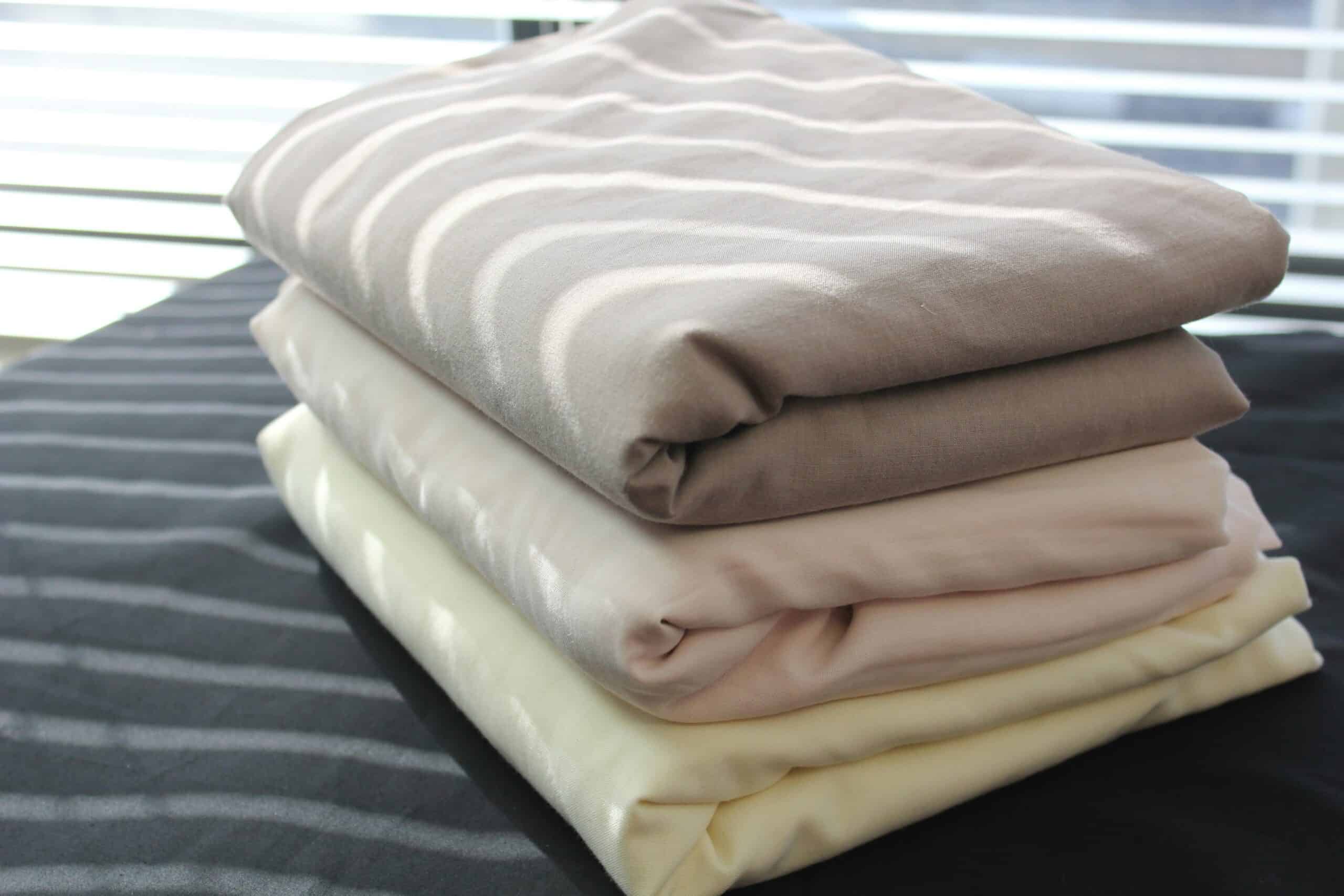
Microfiber sheets are how many people get a soft, cozy bed without spending much. The best microfiber sheets feel brushed and smooth, resist wrinkles, and hold up to frequent washing, making them a practical pick for kids’ rooms, guest beds, and anyone on a budget. They sleep a little warmer and breathe less than natural fibers, so they shine in cooler rooms and for people who like a snug bed. If you tend to overheat at night, a set of cooling sheets for hot sleepers may suit you better than standard microfiber. This guide sorts microfiber by weave, weight, and fit so you can find a set that matches your bed and your climate.
Quick Verdict
For most buyers, a brushed microfiber sheet set with a tight weave delivers a soft, cozy bed at a low price. Thick mattresses and toppers need a deep-pocket fitted sheet, while warmer sleepers should choose a lighter, moisture-wicking weave. If you sleep hot year-round, a breathable natural fiber may serve you better. The picks below sort microfiber by feel, fit, and how warm you sleep.
Why Trust This Guide
Selections draw on weave, weight, and fit differences and the sleep-science sources cited in Sources. We are honest about where microfiber leads on price and softness and where natural fibers breathe better.
Key Takeaways
- Microfiber is soft, wrinkle-resistant, durable, and inexpensive, which makes it a strong budget and easy-care pick.
- It traps more heat and breathes less than cotton or linen, so it suits cooler rooms and warm-bed lovers.
- Measure your mattress depth and buy a deep-pocket fitted sheet for thick beds and toppers.
- A tight weave resists pilling and feels smoother over time.
Disclosure: RestRight is reader-supported. As an Amazon Associate, we earn from qualifying purchases made through links on this page, at no extra cost to you.
How We Picked the Best Microfiber Sheets
We compared softness, weave tightness, weight, pocket depth, durability, and breathability, then matched each pick to a sleeper rather than ranking on price alone. The breathability notes draw on sleep-and-thermoregulation research, since your body sheds heat as you fall asleep and a fabric that traps too much warmth can disrupt that natural cooling. Each pick below names who it fits and who should skip it.
1. Brushed Microfiber Sheet Set (Everyday Soft Pick)
Why It Stands Out
A brushed microfiber set has a smooth, almost peach-skin softness right out of the package, with no break-in period. It washes easily, resists wrinkles, and costs a fraction of premium cotton, which makes it the everyday value pick.
Worth Knowing
Brushed finishes feel cozy but trap warmth, so they suit cooler rooms more than hot sleepers. A tighter weave resists pilling and keeps that softness longer.
This set fits budget shoppers, kids’ rooms, and anyone who likes a soft, snug bed. Skip it if you sleep hot or want the crisp, airy feel of natural fibers.
Check Price on Amazon2. Deep-Pocket Microfiber Set (Thick Mattresses and Toppers)
Why It Stands Out
A deep-pocket fitted sheet wraps a thick mattress or a mattress plus topper without popping off the corners overnight. The stretch and depth keep the sheet taut, which matters most on tall beds. Elastic that runs all the way around the fitted sheet, rather than only at the corners, grips a thick mattress far better and stays put through a restless night.
Worth Knowing
Deep pockets sag on a thin mattress, so measure your mattress depth first and match the pocket to it. Sheet straps or grippers help keep a deep sheet in place.
This set fits thick mattresses, pillow-tops, and anyone using a topper. Skip it if your mattress is thin, where a standard pocket fits better. Our guide to deep-pocket sheets for thick mattresses covers fit in detail.
Check Price on Amazon3. Cooling Moisture-Wicking Microfiber (Warmer Sleepers)
Why It Stands Out
A lighter, moisture-wicking microfiber weave moves sweat off the skin and feels less stifling than a heavy brushed set. For someone who likes microfiber’s price but runs a little warm, this is the better choice.
Worth Knowing
Even a cooling microfiber breathes less than cotton or linen, so a genuinely hot sleeper may still prefer a natural fiber. Look for a thin, tight weave labeled for breathability.
This set fits warm sleepers who want microfiber on a budget. Skip it for very hot sleepers, who do better with breathable cotton, bamboo, or linen.
Check Price on Amazon4. Hypoallergenic Tight-Weave Microfiber (Sensitive Sleepers)
Why It Stands Out
A densely woven microfiber set resists dust mites and allergens better than a loose weave, which helps sensitive sleepers. The smooth surface is also gentle on skin and easy to wash hot.
Worth Knowing
No sheet replaces regular washing for allergy control, so launder them often. A certified low-chemical finish, such as an OEKO-TEX label, is reassuring for sensitive skin.
This set fits allergy-prone and sensitive sleepers on a budget. Skip it if you need a specialized medical bedding solution rather than a general hypoallergenic sheet.
Check Price on Amazon5. Wrinkle-Resistant Microfiber (Low-Maintenance Pick)
Why It Stands Out
Microfiber already resists wrinkles, and a finish tuned for it comes out of the dryer smooth with no ironing. For a no-fuss bed that always looks tidy, this is the easiest set to live with.
Worth Knowing
Wrinkle resistance comes from the synthetic fiber and any applied finish, so wash on the recommended setting to preserve it. Overdrying on high heat can wear the finish over time.
This set fits busy households and anyone who hates ironing. Skip it if you prefer the lived-in, natural crinkle of linen.
Check Price on Amazon6. Heavyweight Brushed Microfiber (Winter Warmth)
Why It Stands Out
A heavyweight, double-brushed set feels almost flannel-soft and holds warmth, which makes a cold-room bed feel snug. It is a cozy, affordable way to add warmth without a heated blanket.
Worth Knowing
This is the warmest microfiber option, so it is a winter or cold-climate pick rather than a year-round one. Hot sleepers will overheat under it.
This set fits cold rooms and people who love a warm bed. Skip it if you sleep hot or want one set for every season.
Check Price on AmazonMicrofiber Sheets at a Glance
| Pick | Weave or weight | Standout | Best for |
|---|---|---|---|
| Brushed everyday | Brushed, medium | Soft and cheap | Most buyers |
| Deep-pocket | Stretch fit | Fits thick beds | Toppers and tall mattresses |
| Cooling moisture-wicking | Light, tight | Less stifling | Warmer sleepers |
| Hypoallergenic tight-weave | Dense weave | Resists allergens | Sensitive sleepers |
| Wrinkle-resistant | Finished weave | No ironing | Low-maintenance homes |
| Heavyweight brushed | Double brushed | Cozy warmth | Cold rooms |
How to Choose Microfiber Sheets
Four factors decide whether a set feels great or disappointing.
Weave and Weight
A tighter weave and a higher fabric weight feel smoother, resist pilling, and last longer, while a thin, loose set pills fast and wears out. Heavier brushed sets feel cozier and warmer; lighter weaves breathe a little better. Match the weight to your room. Fabric weight is often listed in GSM, or grams per square meter, and a higher GSM generally signals a denser, more durable sheet, though an extremely heavy set will also sleep warmer.
Pocket Depth and Fit
Measure your mattress, including any topper, and buy a fitted sheet whose pocket depth matches. A pocket that is too shallow pops off the corners, and one that is too deep bunches and slides. Fit is what keeps the bed neat all night.
Breathability and Temperature
Microfiber traps more heat than cotton, bamboo, or linen, so it suits cool rooms and warm-bed lovers more than hot sleepers. If you overheat, compare it with a breathable natural fiber like crisp percale or cooling bamboo before you decide.
Care and Durability
Microfiber is easy to wash and dries fast, but high heat can wear finishes and encourage pilling over time. Wash warm, dry on low, and skip fabric softener, which can coat the fibers and reduce that soft feel. Wash a new set before first use to lift any manufacturing residue and set the weave, and use a mild detergent rather than bleach, which breaks down synthetic fibers over time. Drying with wool or rubber dryer balls cuts static and helps the sheets come out smooth.
Microfiber vs Cotton Sheets
This is the comparison most budget shoppers weigh, and each fabric has a clear lane.
Where Microfiber Wins
Microfiber is softer out of the package, more wrinkle-resistant, more durable against frequent washing, and far cheaper, which makes it ideal for kids, guests, and tight budgets. It also feels cozy and warm in a cool room.
Where Cotton Wins
Cotton breathes better, sleeps cooler, and feels more crisp and natural, which suits hot sleepers and anyone who wants an airy bed. It usually costs more and wrinkles more, but the breathability is the deciding factor for many sleepers.
Common Microfiber Sheet Mistakes to Avoid
A few simple errors leave you hot, frustrated, or with pilled sheets.
Buying Microfiber If You Sleep Hot
Microfiber traps heat, and an overheated bed fragments sleep as your body tries to cool down overnight. If you run hot, choose a breathable natural fiber instead of fighting a warm sheet.
Ignoring Mattress Depth
A fitted sheet that does not match your mattress depth slips off the corners or bunches up. Measure your mattress with any topper in place, then buy the matching pocket depth.
Washing on High Heat With Softener
Hot drying and fabric softener wear the finish, coat the fibers, and encourage pilling, which dulls that fresh softness. Wash warm, dry on low, and skip the softener to keep the set smooth.
Treating All Microfiber as Equal
A loose, thin set pills quickly and feels rough within months, while a tight, heavier weave stays smooth far longer. Check weave tightness and fabric weight rather than buying on price alone, and read recent buyer photos to see how a set holds up after repeated washing rather than how it looks new.
Recommended Reading
- what actually matters when buying sheets
- Cooling bamboo sheets for hot sleepers
- Crisp percale cotton sheets
- The best cooling sheets for hot sleepers
- Cotton vs bamboo sheets compared
Microfiber Sheet FAQ
What are the best microfiber sheets for most people?
A brushed microfiber set with a tight weave is the best all-around choice. It feels soft right away, resists wrinkles, washes easily, and costs little, which suits budgets, kids’ rooms, and guest beds. Choose a lighter weave if you sleep warm.
Are microfiber sheets good for hot sleepers?
Not usually. Microfiber traps more heat and breathes less than cotton, bamboo, or linen, so it sleeps warm. A lighter, moisture-wicking microfiber helps, but genuinely hot sleepers are better served by a breathable natural fiber.
Are microfiber sheets soft?
Yes, brushed microfiber feels smooth and soft right out of the package with no break-in period. A tighter weave and heavier weight keep that softness longer, while thin, loose sets can feel rough and pill within months.
Do microfiber sheets pill?
Lower-quality microfiber pills with washing, especially loose, thin weaves dried on high heat. A dense, higher-weight weave resists pilling much better. Washing warm, drying low, and skipping fabric softener also helps keep the surface smooth.
How do I wash microfiber sheets?
Wash them warm with a normal detergent, skip fabric softener, and dry on low heat to protect the finish and prevent pilling. Microfiber dries quickly, so low heat is enough and high heat only shortens the sheets’ life.
What pocket depth do I need?
Measure your mattress height, including any topper, then buy a fitted sheet whose pocket depth matches. Thick mattresses and pillow-tops need deep-pocket sheets, while a thin mattress fits a standard pocket better to avoid bunching.
Are microfiber sheets good for allergies?
A tightly woven microfiber set resists dust mites and allergens better than a loose weave, which helps sensitive sleepers. Regular hot washing matters most, and an OEKO-TEX or similar low-chemical certification is reassuring for sensitive skin.
Microfiber or cotton sheets, which is better?
Microfiber is softer out of the package, more durable, wrinkle-resistant, and cheaper, while cotton breathes better and sleeps cooler. Choose microfiber for budget, easy care, and a cozy bed, and cotton for breathability and a crisp, airy feel.
Related Reading
Explore more: sateen sheets, microfiber vs cotton sheets, percale vs sateen sheets, and organic cotton sheets for sensitive sleepers. Also explore: what does thread count mean.
Recommended Reading
See also our guides to sateen sheets, and microfiber vs cotton sheets.
