
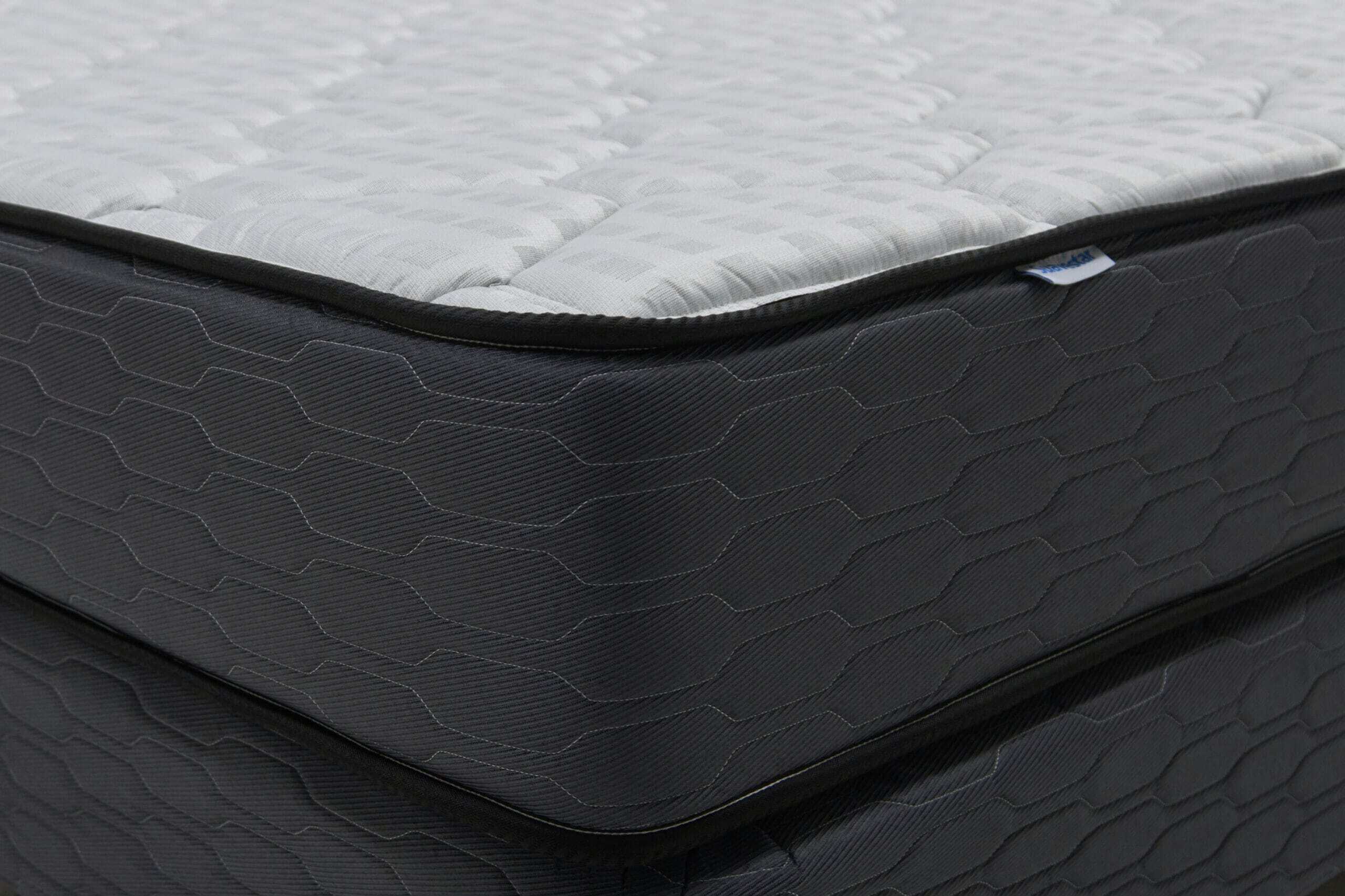
Walk into any mattress store, and you’ll see two beds that look identical, one labeled memory foam and the other gel memory foam. The price difference is real; the honest question almost no salesperson answers is whether the upgrade actually does what the marketing says. After years of side sleeping on memory foam in Arizona, I’ve spent enough sweaty nights wondering about the memory foam vs gel memory foam mattress decision to write down what actually matters. For recommendations, see our best memory foam pillows guide.
Quick Verdict:
- Best for hot sleepers and warm-climate side sleepers fighting pressure points: a quality gel memory foam mattress runs measurably cooler than standard memory foam without giving up the conforming feel.
- Who should skip this: cool sleepers and cold-climate buyers paying a $200 to $400 gel premium for cooling you don’t need.
Disclosure: RestRight is reader-supported. As an Amazon Associate, we earn from qualifying purchases made through links on this page, at no extra cost to you.
Why the Memory Foam vs Gel Memory Foam Mattress Choice Matters
Memory foam was developed by NASA in the 1960s and reached consumer mattresses in the 1990s. The pitch was the same then as now: the foam softens under heat and pressure, conforms to your body, and absorbs movement so a partner’s tossing doesn’t carry across the bed.
All of that is true. What also turned out to be true is that the same property that lets foam soften under heat means foam holds heat.
Gel memory foam was the industry’s answer. Mattress makers started infusing gel beads, gel swirls, or a top layer of gel-infused foam into the comfort layer.
The gel has a higher heat capacity than the foam alone, meaning it absorbs more heat before warming up. Cheap implementations don’t accomplish much; good ones make a real difference.
The trouble is that both versions wear the same name on the spec sheet. For a side sleeper with mild back pain who lives in a hot climate, which describes me, the honest answer is sometimes yes, often no, and it depends almost entirely on which specific mattress you’re comparing.
What to Look for in Either Type
Density of the Memory Foam Layer
Foam density determines support and durability. Memory foam under 3 lb/cu ft compresses and breaks down within a couple of years.
A density of 4 to 5 lb/cu ft is the sweet spot for most adults. Above 5.5 lb/cu ft tends to sleep hot regardless of gel infusion because the foam itself is dense and slow to release heat.
How the Gel Is Actually Applied
Marketing copy says “gel memory foam”; specs sometimes say more. A thin layer of gel beads scattered through standard foam is mostly cosmetic.
A solid top layer of gel-infused foam, two to three inches thick, with open-cell construction, is the real version. If the spec sheet won’t tell you the gel layer’s thickness, treat the claim as marketing.
Total Mattress Construction
A “gel memory foam mattress” is rarely all gel memory foam. It’s a sandwich.
The top inch or two is gel-infused. Below that is standard memory foam, transition foam, and a dense base layer.
The cooling capacity comes almost entirely from the top layer, where your body actually touches the bed.
Cover Fabric
The cover matters more than most buyers expect. A breathable, moisture-wicking cover, often blended with phase-change materials, does more for surface temperature than the foam underneath.
A synthetic, tightly-woven cover defeats whatever cooling the gel offers.
Firmness in Relation to Your Weight and Position
Memory foam beds, in general, feel softer than coil beds at the same firmness rating. Side sleepers usually want a medium to medium-plush feel; back sleepers want medium-firm.
Stomach sleepers should mostly avoid memory foam altogether. Heavier sleepers above 230 pounds need higher density and a firmer feel, or they bottom out into the base layer.
1. Zinus Green Tea Memory Foam Mattress, Best Standard Memory Foam Under $400
Best budget memory foam | Price: ~$320 (queen, 10″)
Check Price on AmazonThe Zinus Green Tea is the standard memory foam bed for buyers who want the feel without the gel premium. Three layers of foam total 10 inches: a memory foam comfort layer infused with green tea extract for odor control, a transition foam, and a high-density base.
The construction is straightforward, and the price is hard to beat. It sleeps warm, which is the honest tradeoff at this price.
For broader comparison with other constructions, see memory foam vs hybrid mattresses.
Key Features
- 10″ total profile with three-layer construction
- Green tea-infused memory foam for odor control
- Medium-firm feel
- Bed-in-a-box delivery with 10-year warranty
PROS:
- Genuinely affordable real memory foam
- Good pressure relief for side sleepers under 200 lbs
- Quiet, motion-isolating for couples
- Long warranty for the price
CONS:
- Sleeps warm, especially after a few hours
- Foam density on the base layer is moderate
- Heavier sleepers may bottom out
- The initial off-gassing smell lasts a few days
Best for: cool sleepers, guest rooms, and side sleepers under 200 lbs on a budget.
2. Lucid 12 Inch Gel Memory Foam Mattress, Best Gel Memory Foam Under $500
Best entry gel memory foam | Price: ~$430 (queen, 12″)
Check Price on AmazonThe Lucid 12″ is where gel memory foam starts being honest at the budget end. Two inches of bamboo charcoal and gel-infused memory foam sit on top of a transition layer and an 8-inch support core.
The gel layer is thick enough to do real work, and the bamboo charcoal cover helps with moisture wicking. It’s not the coolest bed you can buy, but for the price, the cooling difference compared to the Zinus is noticeable.
The improvement shows up most in the second half of the night, when foam beds tend to peak in heat retention.
Key Features
- 12″ total profile with 2″ gel-infused memory foam top layer
- Bamboo charcoal cover for moisture management
- Medium-plush feel
- 10-year warranty
PROS:
- Real gel infusion at a real budget price
- Plusher feel works well for side sleepers
- Taller profile feels less basic than entry beds
- Cover handles moisture better than most at this price
CONS:
- Still sleeps warmer than a hybrid or innerspring
- Plusher feel doesn’t suit heavier sleepers
- Edge support is weak
- Off-gassing for the first week
Best for: hot side sleepers under 200 lbs who want gel cooling without spending premium money.
3. Sweetnight Twilight Gel Memory Foam Mattress, Best Mid-Tier Hot-Sleeper Pick
Best mid-priced gel mattress for hot sleepers | Price: ~$550 (queen, 12″)
Check Price on AmazonSweetnight stacks more cooling features than most beds in this tier. A gel-infused memory foam top layer, a phase-change cooling cover, and ventilated airflow channels through the comfort foam.
The phase-change cover is the real upgrade. It absorbs heat as you warm up the surface and releases it as the room cools, which keeps the bed in a more even temperature window across the night.
For Arizona summer sleeping, I’d put this above the Lucid as a serious hot-sleeper option for not much more money.
Key Features
- 12″ profile with multi-layer cooling construction
- Phase-change cooling cover
- Ventilated comfort foam for airflow
- Two firmness sides in some configurations (flippable)
PROS:
- Phase-change cover does real cooling work
- Genuinely cooler than the Lucid in the second half of the night
- Two-sided versions add flexibility for partners
- Strong value at the price point
CONS:
- Some configurations are firmer than the rating suggests
- Phase-change cover wears with frequent washing
- Heavier sleepers may need a firmer model
- Less brand recognition than competitors
Best for: hot sleepers in warm climates who want real cooling features without paying a premium.
4. Nectar Memory Foam Mattress, Best Premium Memory Foam on Amazon
Best premium memory foam | Price: ~$700 (queen, 12″)
Check Price on AmazonI slept on a Nectar memory foam mattress for years. It’s not gel memory foam, it’s standard memory foam done well.
Three inches of gel-quilted cooling cover sit over the memory foam comfort layer, which sits over a dynamic transition foam and a high-density base. The cover handles a lot of the cooling work, and Nectar’s foam density is higher than the budget brands, which means it conforms without sinking into the slow molasses feel of cheaper memory foam.
It still runs warmer than a coil bed on the worst summer nights, but the cover does more than the Lucid’s bamboo charcoal one. For a head-to-head with another popular direct competitor, see the Nectar vs Purple comparison.
Key Features
- 12″ profile with gel-quilted cover
- Memory foam comfort layer with a higher density than budget brands
- Medium-firm feel
- Long trial period and lifetime warranty
PROS:
- Higher-density foam holds up over the years
- Gel-quilted cover handles surface heat well
- Strong pressure relief for side sleepers
- Long trial and warranty terms
CONS:
- Still a memory foam bed, still warmer than coil or hybrid
- Firmness leans firm; not for plush-loving side sleepers
- Premium price compared to the Zinus and Lucid
- Heavy to maneuver in tight stairwells
Best for: side sleepers under 230 lbs who want quality memory foam construction with serious cooling cover work.
5. Modway Aveline Gel Infused Memory Foam Mattress, Best Slim Gel Profile
Best low-profile gel option | Price: ~$280 (queen, 8″)
Check Price on AmazonFor platform beds, daybeds, bunk beds, or guest rooms where a 12″ mattress looks oversized, the Modway Aveline runs 8 inches with a gel-infused top layer. It won’t compete with the Sweetnight or the Nectar on premium feel, but at this price and profile, it makes sense for specific applications.
The gel layer is real, the cover is reasonable, and the price tag matches the use case. I’d consider it for any room where a thinner mattress is the geometry constraint and a hot sleeper still wants gel cooling.
Key Features
- 8″ total profile for low-clearance applications
- Gel-infused memory foam top layer
- Medium feel
- CertiPUR-US certified foam
PROS:
- Real gel infusion in a slim profile
- Works for daybeds, platform beds, bunks
- Very low price point
- Easy to handle and ship
CONS:
- Heavier sleepers will bottom out on an 8″ bed
- Less foam means less pressure relief vs 12″ beds
- Edge support is minimal
- Not a primary-bedroom recommendation for adults
Best for: guest rooms, daybeds, platform beds, and lighter sleepers who need a slim profile.
Which Type Fits Your Sleep Situation
| Your situation | Standard Memory Foam | Gel Memory Foam |
|---|---|---|
| Hot sleeper or warm climate | Skip, traps too much heat | Best fit, measurable cooling difference |
| Cool sleeper or cold climate | Best fit, warmth is a feature | Skip, paying for cooling you don’t need |
| Side sleeper with pressure points | Best fit, conforms deeply | Best fit, same conforming, less heat |
| Restless sleeper or chronic insomnia made worse by heat | Skip, heat retention amplifies wake-ups | Best fit, surface stays cooler, fewer wake triggers |
| Stomach sleeper | Skip, sinks the hips too much | Skip, same issue, gel doesn’t fix it |
| Couple, motion isolation priority | Best fit, best in class for motion | Best fit, same motion isolation |
| Heavy sleeper (over 230 lbs) | Workable, needs high-density foam | Workable, gel doesn’t change support math |
| Tight budget | Best fit, cheapest path to memory foam | Workable, gel adds a real premium |
Prices above are estimates and shift with sales and seasonal promotions.
How to Choose Between Memory Foam and Gel Memory Foam
The decision comes down to your climate, your sleep temperature, and your willingness to pay for cooling. If you live somewhere hot or you wake up sweating regardless of season, gel memory foam earns its premium.
If you sleep cool or live somewhere cold, you’re paying for a feature that costs money and gives you nothing. The bigger decision sits one level up.
Memory foam in any form, gel or not, is a category. The other categories are innerspring, latex, and hybrid.
If heat is your primary issue, switching from memory foam to a hybrid or coil bed solves it more completely than upgrading to gel memory foam within the same category. Gel is the marginal fix; switching category is the full fix.
For most buyers, gel memory foam is a $150 to $300 upgrade that delivers a noticeable but not transformative cooling improvement over standard memory foam. Worth it for hot sleepers and warm-climate buyers; wasted on cool sleepers and cold-climate buyers.
For serious comparison outside the foam category, see memory foam vs spring mattress and hybrid vs latex mattress.
Frequently Asked Questions
Is gel memory foam really cooler than regular memory foam?
Yes, but how much cooler depends on the specific bed. A thick gel-infused top layer with a phase-change cover runs measurably cooler; a thin gel infusion in budget construction barely changes anything.
The gel premium is worth paying when the spec sheet shows a real top layer, not just the marketing label.
How long does gel memory foam last compared to regular memory foam?
Both last roughly the same: 7 to 10 years for mid-tier mattresses, longer for high-density premium foam. The gel itself doesn’t degrade faster than the surrounding foam.
Density is what determines lifespan, not whether the foam is gel-infused.
Does gel memory foam help with back pain?
Both materials provide similar pressure relief and spinal alignment when the firmness is matched to your sleep position and weight. Gel doesn’t add support; it adds cooling.
For back pain specifically, firmness and density matter more than gel.
Why does my memory foam mattress still sleep hot with a cooling cover?
Cooling covers do work at the surface, but the foam underneath still holds heat. If the comfort layer is dense and traps your body heat, the surface stays warmer than the cover can offset.
Active solutions, like a chilled-water cooling pad on top of the bed, handle this when the bed itself can’t be replaced.
Are gel beads better than gel-infused foam?
Gel beads scattered through foam are mostly cosmetic and don’t move much heat. Gel-infused foam, where the gel is mixed into the foam during manufacturing as a continuous layer, is the real version.
If the marketing says “gel beads” without specifying a continuous infused layer, treat it as standard memory foam with a marketing premium.
Will memory foam work for side sleepers with shoulder pain?
Yes, this is one of the strongest use cases for memory foam in either form. The conforming feel fills the gap between your shoulder and the bed, which lowers the pressure your shoulder takes.
Firmness should be medium to medium-plush.
Is gel memory foam safe? Does the gel leak?
The gel is fully integrated into the foam matrix, not in liquid pockets that can rupture. CertiPUR-US certified foams have been tested for VOCs, formaldehyde, and other safety concerns.
The gel itself is inert. Off-gassing is normal for the first few days after unboxing and is a property of all polyurethane foam, not specifically of the gel.
Should I buy gel memory foam if I already use a cooling mattress topper?
If you’re already getting good results from a cooling topper, the marginal benefit of upgrading the underlying mattress to gel is small. Spend the money on a better topper or an active cooling system instead.
Standard memory foam plus a serious cooling layer on top usually outperforms gel memory foam by itself.
Recommended Reading
See also our guides to mattress cleaners, memory foam vs down alternative pillow, and memory foam vs latex mattress.
Related Reading
Explore more: why is my mattress sagging, how to store a mattress, mattress cleaners, memory foam vs latex mattress, memory foam vs down alternative pillow, king vs california king mattress, purple mattress review, and memory foam vs latex pillow.
