
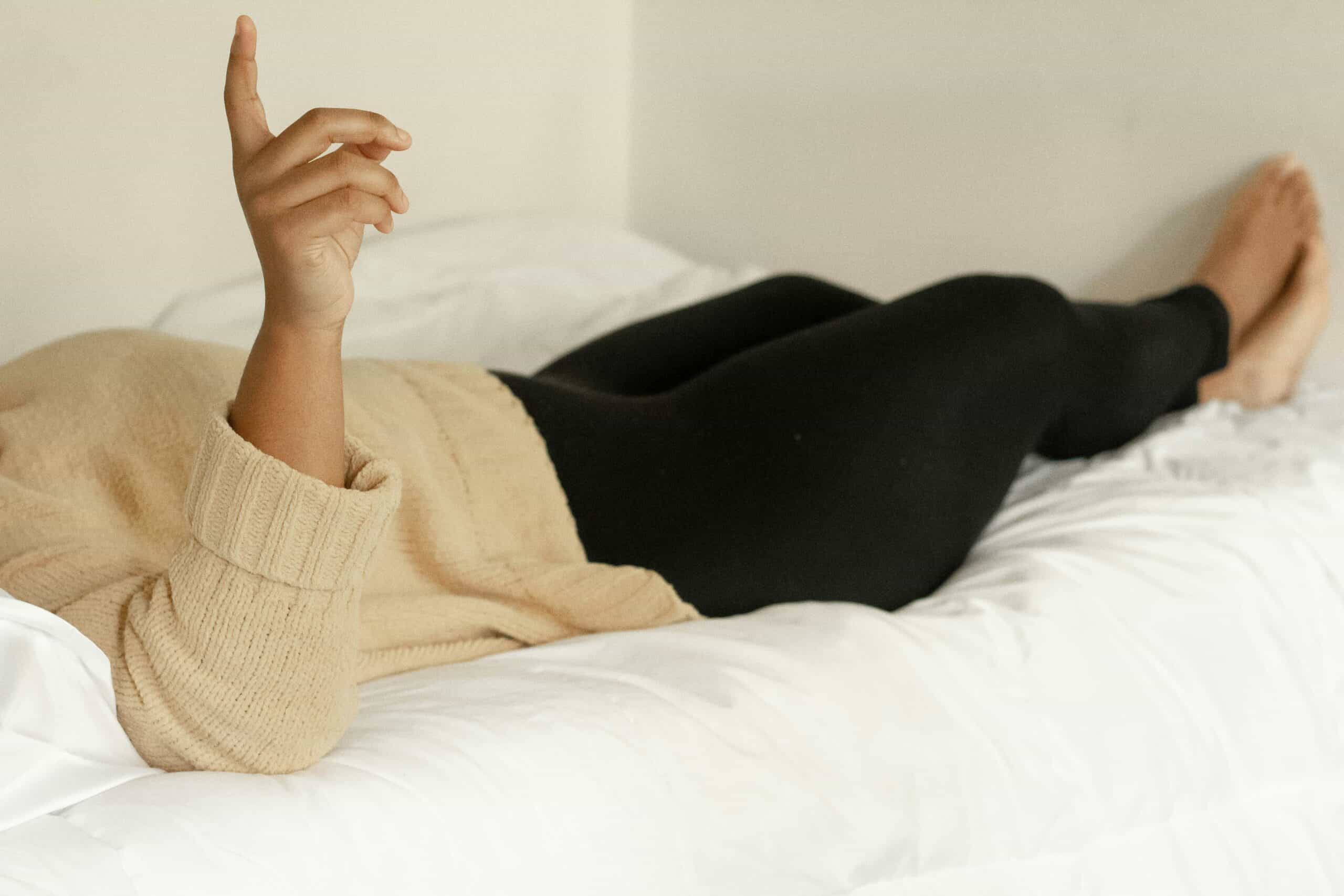
With sciatica, the mattress that feels best is usually one that keeps the lower back neutral while cushioning the hips, so the sciatic nerve is not compressed by a sagging midsection. The best mattresses for sciatica pair a supportive core with a contouring comfort layer, landing most people in the medium-firm range. A mattress is a comfort tool rather than a treatment, so use this alongside your clinician’s guidance. If you are starting from scratch, our primer on matching a mattress to your body and position is a good first read.
Medical Disclaimer
This guide covers mattress comfort and is not medical advice. Sciatica has many causes and varies from person to person, and only a qualified clinician can diagnose it or recommend care. A mattress does not treat or cure nerve pain. If you have leg weakness, numbness, loss of bladder or bowel control, or pain after an injury, seek medical care promptly rather than shopping for a bed.
Quick Verdict
For most people with sciatica, the DreamCloud Hybrid is a sensible starting point: coil support keeps the lower back from sinking while the comfort layer eases the hips. Side sleepers who want more give often prefer the Nectar Classic, heavier or back sleepers the firmer Bear Original, and budget shoppers the Lucid Hybrid. Choose supportive comfort for your position, and confirm the fit with your doctor.
Key Takeaways
- Support comes first: the mattress should stop the hips and lower back from sagging out of line.
- A medium-firm feel suits many people with sciatica, balancing support with pressure relief.
- Side sleepers usually want more contouring at the hip; back sleepers usually want firmer support.
- A mattress eases nighttime comfort but does not treat the underlying nerve compression.
- Numbness, leg weakness, or pain after injury calls for a clinician, not a new mattress.
How We Picked the Best Mattresses for Sciatica
We focused on the qualities that make a bed comfortable when the sciatic nerve is irritated: steady support that keeps the spine neutral, a comfort layer that relieves pressure at the hips and lower back, and a feel matched to sleep position. A medium-firm surface tends to balance support and pressure relief for the widest range of sleepers, supporting alignment without adding pressure.
We also weighed motion isolation and edge support, which help you shift positions without a struggle. Every pick uses CertiPUR-US certified foam and needs no box spring. None is offered as a remedy; they are comfort options to weigh alongside professional care.
DreamCloud Hybrid
Why It Stands Out
The DreamCloud Hybrid pairs a pocketed-coil core with a supportive comfort layer, which keeps the lower back lifted so the hips do not drop out of line. That midsection support is exactly what tends to feel best when sciatica flares. The medium-firm feel suits back and combination sleepers well.
Worth Knowing
As a taller hybrid it is heavier to move and firmer at the edge. It sleeps cooler than dense foam thanks to coil airflow. For extra targeted cushioning, our notes on toppers aimed at sciatic pressure offer a low-cost adjustment.
Best for back and combination sleepers who want firm midsection support. Skip it if you want a very plush, deep-sink surface or the lightest possible bed.
Check Price on AmazonNectar Classic Memory Foam
Why It Stands Out
The Nectar Classic is an all-foam bed with medium-firm support and deep contouring that side sleepers with sciatica often prefer. It cradles the hip and shoulder to relieve pressure while the firmer base keeps the spine from bowing. Strong motion isolation helps on a shared bed.
Worth Knowing
Foam sleeps warmer than coils, so breathable bedding helps in a hot room. The medium-firm feel reads plush to firm-mattress fans but firm to those wanting a soft cradle. It settles into its true feel after a night or two.
Best for side sleepers who want pressure relief with dependable support. Skip it if you sleep hot without cooling bedding or want coil bounce.
Check Price on AmazonBear Original
Why It Stands Out
The Bear Original leans firmer and more responsive, which suits heavier sleepers and back or stomach sleepers who need clear support under the midsection. The firm platform resists the sagging that can aggravate lower-back pressure. Its responsive foam makes shifting positions easy.
Worth Knowing
The firm feel is a poor match for lighter side sleepers, who usually want more give at the hip. Like most foam beds it runs warm. Those who also carry more weight may find our guide to mattresses built for heavier bodies useful.
Best for heavier and back sleepers who want firm, level support. Skip it if you are a lighter side sleeper needing deeper cushioning.
Check Price on AmazonLeesa Original
Why It Stands Out
The Leesa Original offers a balanced medium foam feel that flexes between support and cushioning, which suits combination sleepers who change position to relieve pressure. Its responsive top keeps you from feeling stuck, so moving off a sore hip is easy. The neutral feel works across back and side sleeping.
Worth Knowing
The medium feel reads soft to firm-mattress fans and firm to plush fans, making it a true middle choice. As an all-foam bed it sleeps warmer than a hybrid. It is a safe pick when you are unsure which feel suits you.
Best for combination sleepers who want a balanced, position-flexible bed. Skip it if you have a strong preference for very firm or very plush.
Check Price on AmazonLucid Hybrid
Why It Stands Out
The Lucid Hybrid is the budget option that still brings coil support, pairing a foam comfort layer with a pocketed-coil core. It delivers some of the midsection reinforcement of pricier hybrids at a lower price, which suits shoppers who want support without overspending. The medium feel is forgiving across positions.
Worth Knowing
Budget hybrids trade some durability and edge support for the price, so nightly-use owners should weigh a step up over time. Confirm the height suits your frame. It is a solid entry into supportive hybrid comfort.
Best for budget shoppers who want coil support and airflow. Skip it if you want premium longevity or the deepest contouring.
Check Price on AmazonZinus Green Tea Hybrid
Why It Stands Out
The Zinus Green Tea Hybrid is the price leader here, combining a foam comfort layer with a light coil core for support and airflow. For a guest room or a first supportive upgrade, it offers a comfortable medium feel that does not let the midsection collapse. It is easy to set up and forgiving across positions.
Worth Knowing
Budget foam has a shorter comfort lifespan, so daily-use owners should plan to reassess over the years. The feel is comfortable rather than luxurious. It pairs well with a supportive topper if you want extra cushioning later.
Best for tight budgets and guest-room use. Skip it if you want long-haul durability or a premium surface.
Check Price on AmazonSciatica Mattresses at a Glance
| Mattress | Type | Feel | Best for | Cooling |
|---|---|---|---|---|
| DreamCloud Hybrid | Pocketed hybrid | Medium-firm | Back and combination sleepers | Good |
| Nectar Classic Memory Foam | All-foam | Medium-firm | Side sleepers wanting cushion | Average |
| Bear Original | All-foam | Firm | Heavier and back sleepers | Above average |
| Leesa Original | All-foam | Medium | Combination sleepers | Above average |
| Lucid Hybrid | Pocketed hybrid | Medium | Budget coil support | Good |
| Zinus Green Tea Hybrid | Pocketed hybrid | Medium | Tight budgets | Good |
How to Choose a Mattress With Sciatica
Lead With Lower-Back Support
The main job is keeping the lumbar spine neutral so the hips do not sink and pull on the nerve. A supportive core, whether pocketed coils or firm base foam, does this. A surface that is too soft lets the midsection drop, which can worsen pressure.
Add Contouring for the Hips
Support alone is not enough; a comfort layer that cushions the hip and shoulder relieves the pressure points that sciatica can make sharper. The goal is pairing alignment with pressure relief rather than simply chasing firmness.
Match Firmness to Your Position
Side sleepers generally want a slightly softer surface at the hip; back and stomach sleepers generally want firmer support to keep the midsection lifted. Let your position, weight, and where the pain radiates guide the firmness.
Bring Your Clinician Into the Decision
Because sciatica stems from nerve compression that a bed cannot fix, general shopping advice cannot replace an exam. Mayo Clinic describes sciatica as pain from pressure on the sciatic nerve that often needs evaluation when symptoms persist, which is why your doctor’s input matters before you change your setup.1
Firm vs Medium-Firm for Sciatica
When Firmer Helps
Heavier sleepers and those who sleep on the back or stomach often do better on a firmer surface, since it resists sinking and keeps the lower back level. If a medium-firm bed lets your hips dip, a firmer pick may feel more supportive.
When Medium-Firm Is the Safer Default
For most people, and especially side sleepers, a medium-firm feel offers support plus enough give to cushion the hip. It is the balanced middle that suits the widest range of bodies, which is why it is a common starting point.
Common Sciatica Mattress Misconceptions
The Right Mattress Cures Sciatica
It does not. A mattress can make sleep more comfortable and keep the spine neutral overnight, but it cannot relieve nerve compression. Treatment belongs with a clinician, not a purchase.
Firmer Is Always Better
A rock-hard bed can add pressure at the hip and shoulder and is not automatically more supportive. The aim is balanced support with pressure relief, which usually points to medium-firm.
Any Leg Pain Means a New Bed
Radiating leg pain, numbness, or weakness can signal something a mattress cannot address. Mayo Clinic notes that sciatica can come with numbness or weakness that warrants medical attention.1 If symptoms are severe, worsening, or follow an injury, see your doctor rather than assuming the bed is the cause.
Sleep Position and Sciatica
Back Sleeping
Sleeping on the back spreads weight evenly and keeps the spine neutral, which many people with sciatica find comfortable. Slipping a pillow under the knees reduces the pull on the lower back. A supportive medium-firm surface keeps this position from letting the hips sink.
Side Sleeping
Side sleeping suits people whose pain eases when the spine curls slightly, especially with a pillow between the knees to keep the hips level. This is where a conforming comfort layer earns its place, cushioning the hip and shoulder. Our guide to knee pillows that hold the hips level pairs well with a side-sleeping setup.
Stomach Sleeping
Stomach sleeping tends to flatten the lower back and can strain it, so it is the position most people with sciatica are steered away from. If it is the only way you sleep, a firmer surface and a thin pillow help limit the arch. For broader position guidance, see our notes on sleep positions that ease lower-back strain.
Recommended Reading
- Mattresses that cushion aching hips
- Supportive beds for widespread body pain
- Toppers that ease morning back pressure
- Pillows that help keep the spine neutral
Frequently Asked Questions
What is the best mattress firmness for sciatica?
A medium-firm feel suits many people with sciatica because it supports the lower back while cushioning the hips. Firmer surfaces help heavier or back-dominant sleepers, while side sleepers often want a little more give. Your position and comfort should guide the exact firmness.
Is a firm or soft mattress better for sciatica?
Neither extreme is ideal for most people. A very soft bed lets the hips sink and pull on the nerve, and a very firm one can add pressure at the hip. A supportive medium-firm surface that keeps the spine neutral is the common middle ground.
Can a mattress help with sciatica pain?
A supportive, well-matched mattress can make sleep more comfortable and reduce pressure, which some people find eases nighttime discomfort. It is a comfort tool, not a treatment, and it will not relieve nerve compression. Ongoing or worsening pain should be assessed by a clinician.
Should I see a doctor about sciatica before buying a mattress?
Yes. Sciatica has many causes, and a clinician can identify what is compressing the nerve and explain your options. Use this guide for comfort ideas, but bring decisions about numbness, weakness, or worsening pain to your doctor first.
Is memory foam or a hybrid better for sciatica?
Both can work. Memory foam offers deep contouring that side sleepers often like, while a pocketed-coil hybrid adds lower-back support and airflow that back and combination sleepers tend to prefer. Choose based on your position, temperature, and comfort.
Can a new mattress make sciatica worse?
A mattress that is too soft can let the hips sink and pull on the nerve, which some people find aggravates symptoms. A very firm bed can add pressure at the hip for side sleepers. Matching support and cushioning to your position usually prevents both, and a break-in period of a few nights is normal before you judge a new bed.
How long should I test a new mattress for sciatica?
Give a new bed at least a couple of weeks, since your body needs time to adjust and the foam needs time to settle. Judging it after one night is unreliable. Many online mattresses include a trial period, so note the window and track whether your comfort improves over those weeks.
Are adjustable beds helpful for sciatica?
Some people with sciatica find relief raising the head and knees slightly, which takes tension off the lower back. An adjustable base lets you fine-tune that angle, though comfort varies by person. Our overview of adjustable bed bases explains how they pair with a supportive mattress.
What sleep position is best with sciatica?
There is no single right position, but many people find relief sleeping on the back with slight knee elevation or on the side with a pillow between the knees to keep the hips level. Comfort varies, so choose what keeps the spine neutral and raise persistent pain with your clinician.
Sources
- >Mayo Clinic. “Sciatica: Symptoms and Causes.” https://www.mayoclinic.org/diseases-conditions/sciatica/symptoms-causes/syc-20377435
For the bigger picture, see the complete guide to easing pain for better sleep.
