
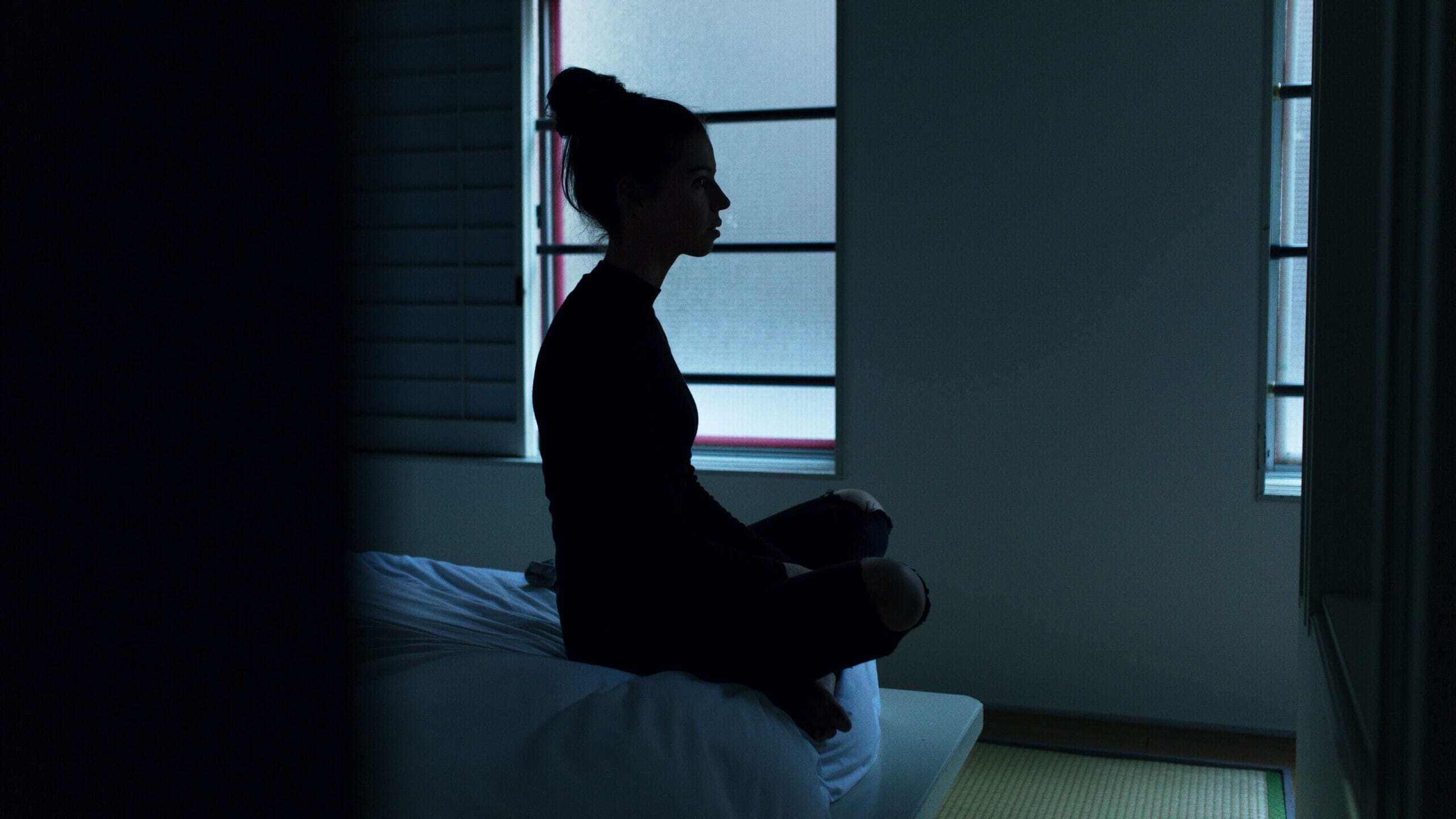
Dealing with insomnia naturally usually means avoiding sleep medications while improving sleep quality through behavior, environment, and lifestyle adjustments. The good news is that the most effective approach (Cognitive Behavioral Therapy for Insomnia, CBT-I) is itself non-pharmacological and outperforms sleep medications for long-term outcomes in chronic insomnia. The challenge is that genuinely effective natural approaches require consistency over weeks, not the overnight fix many people are looking for.
This guide covers what insomnia actually is clinically, the natural approaches that have evidence behind them, the natural approaches that don’t, and how to know when the natural-only path isn’t working. Throughout, the goal is realistic expectations: substantial improvement is achievable for most people, but it takes systematic work.
Last updated: June 8, 2026 | By Austin Murphy
This article is informational only and does not constitute medical advice. Persistent insomnia warrants evaluation by a qualified healthcare provider before pursuing only self-management.
Key Takeaways
- The American Academy of Sleep Medicine recommends multicomponent CBT-I as first-line treatment for chronic insomnia disorder in adults.
- Effective natural approaches include sleep hygiene, stimulus control, and sleep restriction; ineffective approaches include many popular supplements and herbal remedies.
- Chronic insomnia is defined by AASM as difficulty sleeping at least three nights per week for at least three months.
- See a doctor if insomnia persists more than four weeks of consistent self-management or if accompanied by significant daytime impairment, mood changes, or signs of other sleep disorders.
Medical Disclaimer
This is general information about consumer products, not medical advice. No product here diagnoses or treats any condition, and persistent or worsening symptoms should be assessed by a doctor rather than managed with a purchase.
What Insomnia Actually Is (Clinically)
Insomnia is more specific than just having trouble sleeping. Chronic insomnia disorder is defined by AASM ICSD-3 as difficulty initiating sleep, maintaining sleep, or early-morning awakening occurring three or more times per week, for three or more months, with associated daytime impairment[1]. The daytime impairment piece is important: difficulty sleeping without next-day consequences isn’t clinically defined as insomnia.
Acute insomnia (lasting less than 3 months) often resolves on its own or responds quickly to basic interventions. Chronic insomnia is the pattern that benefits from systematic treatment, whether natural approaches or otherwise.
The natural-approach question often gets framed as “can I avoid sleeping pills.” For chronic insomnia in adults, this is generally a reasonable goal. The evidence-based first-line treatment is behavioral, not pharmacological.
The Strongest Evidence-Based Natural Approach: CBT-I
Cognitive Behavioral Therapy for Insomnia is the gold standard. The American Academy of Sleep Medicine identifies multicomponent CBT-I, stimulus control, relaxation therapy, and sleep restriction therapy as evidence-supported behavioral treatments for chronic insomnia[2].
A 2015 meta-analysis of 20 randomized controlled trials in Annals of Internal Medicine found CBT-I produced clinically meaningful improvements in sleep onset latency, time awake after sleep onset, total sleep time, and sleep efficiency[3]. Effect sizes from the meta-analysis: sleep onset reduced by an average of 19 minutes, wake after sleep onset reduced by an average of 26 minutes, and sleep efficiency improved by 9.9 percentage points. Research also finds CBT-I outcomes match or beat sleep medications and persist longer after treatment ends. The diary that turns this into a plan is covered in our sleep journal and CBT-I workbook guide.
CBT-I as practiced by a sleep psychologist involves several components combined into a structured program delivered over several weeks. The components are also useful as standalone techniques people can implement on their own, with smaller benefit than the full program but real benefit nonetheless.
Stimulus control
The principle: rebuild the bed’s association with sleep rather than with wakefulness. Practical rules: only get into bed when sleepy, get out of bed if you can’t sleep within roughly twenty minutes, use the bed only for sleep and intimacy (no screens, work, or reading), wake up at the same time every day regardless of when you fell asleep, and avoid napping during initial treatment.
Sleep restriction
The principle: temporarily reduce time in bed to consolidate fragmented sleep. Practical implementation: if you’re currently in bed for 8 hours but only sleeping for 5, restrict your time in bed to roughly the actual sleeping amount (say, 5.5 hours). This produces short-term sleep deprivation that drives sleep efficiency up. Sleep window is then gradually extended as efficiency improves. Sleep restriction is the most powerful single component but feels counter-intuitive and is difficult to do alone; many people need guidance to implement it correctly.
Relaxation training
The principle: reduce physiological arousal that prevents sleep onset. Techniques include progressive muscle relaxation, diaphragmatic breathing, and guided imagery. Most benefit comes from regular practice (daily for weeks) rather than only using techniques in bed.
Cognitive therapy
The principle: address unhelpful thoughts about sleep that increase anxiety and worsen sleeplessness. Common targets include catastrophizing (“if I don’t sleep, tomorrow will be ruined”), unrealistic expectations (“I need exactly 8 hours every night”), and bed-related anxiety (“I’ll never fall asleep tonight”).
Sleep Hygiene: Useful But Not Sufficient Alone
Sleep hygiene practices are the foundation but rarely sufficient as a standalone intervention for clinical insomnia. NIH guidance recommends maintaining a consistent sleep schedule, limiting screen exposure before bed, and creating a quiet, cool, dark bedroom environment[4]. NHLBI also recommends avoiding heavy meals and caffeine close to bedtime as part of healthy sleep habits.
Practical sleep hygiene targets:
- Same bedtime and wake time every day, including weekends
- Bedroom cool (around 65-68°F for most people), dark, and quiet
- No caffeine within six or more hours of bedtime
- No alcohol within 3 hours of bedtime (alcohol initially sedates but fragments sleep)
- Limited screen exposure for an hour or two before bed
- Regular daytime exercise (but not in the hours close to bedtime)
- Light exposure in the morning, particularly natural sunlight
- No large meals close to bedtime
- Comfortable mattress and pillow appropriate to your sleep position
For broader bedroom optimization, our complete guide on how to cool a bedroom for better sleep covers the environmental side of sleep hygiene in detail.
Natural Approaches That Have Evidence
Beyond CBT-I and sleep hygiene, several natural interventions have some evidence supporting them.
Regular exercise. Moderate aerobic exercise (walking, cycling, swimming) most days of the week supports sleep quality. The mechanism likely involves both physical fatigue and reduction in physiological arousal at bedtime. Exercise too close to bedtime can interfere with sleep onset for some people.
Cooler bedroom temperatures. Core body temperature drops during sleep onset. A cool bedroom supports this drop. Most adults sleep best in the 65-68°F range, though individual preferences vary.
Morning light exposure. Natural sunlight or bright light therapy in the morning helps anchor the circadian rhythm. Particularly useful for people whose insomnia involves trouble falling asleep at a reasonable time.
Caffeine timing. Caffeine has a half-life of roughly 5 hours in most adults. A 3 PM coffee still has meaningful caffeine in your system at 11 PM. Earlier cutoff times (noon to 2 PM) work better than the common “no caffeine after 6 PM” rule.
Wind-down routines. Consistent pre-sleep routines (reading, light stretching, warm bath) signal to the body that sleep is approaching. The specific activities matter less than the consistency.
📑 Recommended Read: Building a wind-down routine is one piece of insomnia management. Check out our complete breakdown of how to create a bedtime routine for better sleep for the specific framework that supports natural sleep onset.
Natural Approaches With Weaker or Mixed Evidence
Several popular “natural” sleep aids have less evidence behind them than marketing suggests.
Melatonin. Evidence supports use for jet lag and shift-work circadian rhythm disorders. Evidence for chronic insomnia is weaker. Doses commonly sold (3-10 mg) are higher than the lower doses (0.3-1 mg) commonly described as optimal in melatonin literature; lower doses taken several hours before bedtime are often as effective and produce less morning grogginess.
Valerian root. Mixed research. Some users report benefit; controlled trials have generally found modest effect sizes that may not be clinically significant.
Chamomile tea. Likely supportive as part of a wind-down routine. Direct sleep-inducing effect is small.
Magnesium supplements. Some evidence for older adults with sleep complaints, particularly those who may be magnesium-deficient. Less evidence for younger adults without deficiency.
Lavender (oil, sprays, sachets). Aromatherapy effects exist but are modest. Useful as part of a calming routine; not a primary intervention.
CBD products. Marketed heavily for sleep. Research is limited and uneven. Product quality and dosing vary substantially in unregulated markets.
None of these are wrong to try, but presenting them as effective insomnia treatments overstates the evidence. CBT-I components have substantially stronger evidence behind them than any supplement-based approach.
Why “Just Try Harder to Sleep” Doesn’t Work
For the sleep-onset techniques that complement broader insomnia treatment, our guide on how to fall asleep faster covers the specific tools for the falling-asleep difficulty pattern.
One of the most consistent findings in insomnia research is that effort to fall asleep tends to make sleep harder, not easier. The harder you try, the more activated your nervous system becomes, and the further from sleep you get.
This is why several CBT-I components work counter-intuitively: getting out of bed when you can’t sleep, restricting time in bed when you want more sleep, accepting that you won’t sleep tonight rather than fighting for it. The acceptance reduces arousal, which paradoxically supports sleep.
Practical translation: when you can’t sleep, get out of bed and do something quiet and dim until you feel sleepy. Lying in bed trying to sleep teaches your brain that the bed is for trying-to-sleep rather than sleeping.
Common Mistakes and How to Avoid Them
Treating one bad night as a pattern. Everyone sleeps poorly sometimes. A few bad nights doesn’t mean you have insomnia. Clinical insomnia is the persistent pattern described in ICSD-3[1].
Trying ten interventions at once. Hard to know what’s helping. Add changes systematically: stable wake time first, then sleep environment, then stimulus control, etc. One change every week or two lets you evaluate what works.
Sleeping in to make up for lost sleep. Variable wake times disrupt circadian anchoring. Wake at the same time daily, even after bad nights.
Using the bed for non-sleep activities. Reading, watching TV, scrolling phones in bed all weaken the bed-sleep association. Use the bed only for sleep and intimacy during active insomnia treatment.
Long daytime naps. Reduce drive to sleep at night. Brief naps (under 30 minutes, before 3 PM) are acceptable for most people; longer or later naps worsen overnight insomnia.
Stacking sleep supplements. Multiple “natural” sleep aids combined can produce unexpected effects, especially in combination with alcohol or prescription medications. Pick one and try it for a few weeks rather than adding several together.
Expecting overnight results. Behavioral approaches need weeks to show full effect. Sleep restriction, in particular, often makes sleep worse before it gets better. The 2-week mark is too early to evaluate; a longer trial is more reasonable.
Stopping interventions as soon as sleep improves. The improvements often regress if the routines stop. Maintain the changes that worked even after sleep normalizes.
When to See a Doctor
Self-management isn’t the right path for several scenarios:
- Insomnia persisting more than a month despite consistent self-management
- Daytime symptoms significantly affecting work, relationships, or safety
- Loud snoring, witnessed pauses in breathing, or gasping during sleep (potential sleep apnea)
- Restless legs or unusual movements during sleep
- Persistent feeling of unrefreshing sleep despite adequate sleep time
- Daytime sleepiness so severe you fall asleep at inappropriate times
- Depression, anxiety, or mood changes accompanying the insomnia
- New onset insomnia after age 50 with no clear trigger
- Insomnia accompanied by medication use (some medications cause sleep disruption)
- Use of OTC sleep aids more than a few nights per week
- Use of alcohol to fall asleep
- History of substance use issues considering self-medicating sleep
- Pregnancy or post-partum sleep disruption that’s not improving
- Pain or other medical conditions disrupting sleep
A primary care doctor or sleep medicine specialist can evaluate for underlying causes and recommend appropriate treatment paths. Many primary care doctors can deliver some CBT-I components; sleep psychologists provide full programs.
Frequently Asked Questions
How long should I try natural approaches before considering medication? The American Academy of Sleep Medicine recommends CBT-I as first-line treatment[2]. Full CBT-I programs run 6-8 weeks. If a structured CBT-I attempt or 6+ weeks of consistent self-management hasn’t helped, medication discussion with a doctor is reasonable.
Are there any “natural” supplements that actually work? Evidence is strongest for low-dose melatonin (0.3-1 mg) for circadian-related sleep issues. Other supplements have weaker evidence than marketing suggests.
Why does sleeping in feel like it makes my insomnia worse? Variable wake times weaken circadian anchoring, which often worsens overall sleep. Consistent wake times (including weekends) help even after bad nights.
Should I take naps during the day if I didn’t sleep well at night? Generally no during active insomnia treatment. Naps reduce drive to sleep at night. Brief naps (under 30 minutes before 3 PM) are sometimes acceptable but eliminate naps if sleep efficiency is poor.
How long does insomnia normally last? Acute insomnia (under 3 months) often resolves on its own. Chronic insomnia (the ICSD-3 definition of 3+ nights per week for 3+ months) tends to persist without intervention.
Is it normal to wake up at 3 AM and not be able to fall back asleep? Brief wakings are normal; not being able to fall back asleep for more than 20 minutes consistently is a pattern worth addressing. Early-morning awakening can also be related to depression in some cases.
Can I do CBT-I on my own? Self-directed CBT-I with workbooks or apps has some evidence behind it, though less than therapist-delivered programs. The CBT-I Coach mobile app from the VA and Sleepio are commonly cited self-directed options.
Will melatonin help my insomnia? Strongest evidence is for circadian rhythm disorders (jet lag, shift work, delayed sleep phase). For chronic insomnia, evidence is weaker. Low doses (0.3-1 mg) work as well as higher doses with less morning grogginess.
This article is for general education and does not replace medical advice. Persistent or severe insomnia warrants evaluation by a qualified healthcare provider.
More Sleep Health Guides
Recommended Reading
See also our guides to why arms go numb sleeping.
Sources
- American Academy of Sleep Medicine. International Classification of Sleep Disorders, Third Edition Text Revision. AASM; 2023. View source
- Edinger JD, Arnedt JT, Bertisch SM, et al. Behavioral and psychological treatments for chronic insomnia disorder in adults: an American Academy of Sleep Medicine clinical practice guideline. J Clin Sleep Med. 2021;17(2):255-262. View source
- Trauer JM, Qian MY, Doyle JS, Rajaratnam SM, Cunnington D. Cognitive behavioral therapy for chronic insomnia: a systematic review and meta-analysis. Ann Intern Med. 2015;163(3):191-204. View source
- National Heart, Lung, and Blood Institute. Healthy Sleep Habits. National Institutes of Health. View source
Room temperature affects sleep onset directly. Whether a cooling bedroom helps insomnia covers what it does and does not address.
