
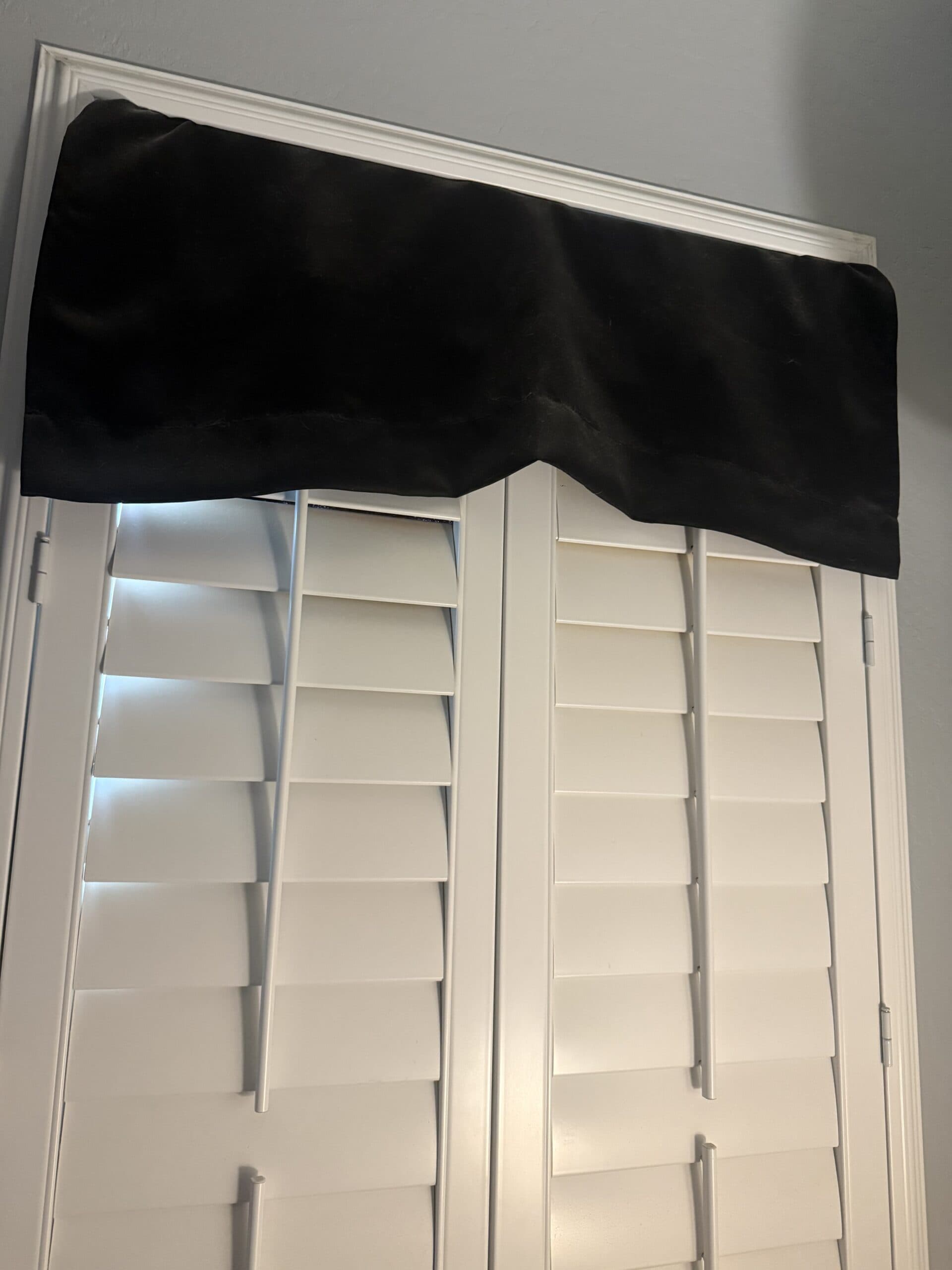
A desert bedroom has three problems and most sleep advice addresses one of them. It is hot, the air is dry, and the sun is relentless in a way that people in milder places do not quite believe. I sleep in Arizona and all three are real. What follows is what actually works, including the one I have not fixed, because pretending otherwise would be useless to you.
Quick Verdict
Blackout curtains do the most, because they handle sun and heat with one purchase. A cooling topper deals with the mattress. A fan is the cheapest thing that helps. Dry air is the problem I have left alone, and I will be honest about that rather than recommending something I do not use.
Key Takeaways
- Thick blackout curtains block sun and heat. Two jobs, one purchase.
- Sun through glass becomes heat in the room. Stop it at the window.
- Foam mattresses run hot, and a desert makes that worse.
- Dry air is real. A humidifier is the answer. I do not use one.
- A dehumidifier is the opposite problem and wrong here.
1. Thick Blackout Curtains, Best Overall
The single most useful thing in a desert bedroom and it is not close.
I use thick blackout curtains year-round, and they earn their keep twice over. They block the light, which is the job on the label. They also keep the room cooler, which is the job nobody advertises and the reason mine are up in January as well as July.
The mechanism is simple: sun coming through glass is heat arriving in your room. A lined curtain intercepts it before it lands, which means your air conditioning is fighting a smaller battle all afternoon and your bedroom is not an oven by the time you want to sleep in it.
Genuine thickness and a real blackout liner is what separates the ones that work from the ones using the word. After real use I have had no issues with mine at all. Blackout curtains covers what to look for including the pair I use, and curtains vs blinds if you are weighing the window options.
Best for: everyone in a hot sunny climate. Buy these first.
Skip if: your bedroom faces north and gets no sun, which is rare and lucky.
2. A Cooling Mattress Topper, Best for the Bed Itself
Because the room is only half of it and the mattress is the other half.
Foam mattresses run hot by design: the material softens with your body heat to contour, which means dense material with little air, holding warmth against you. In a mild climate you might tolerate it. Through a desert summer it compounds with everything else.
I sleep on a cooling topper every night here and through long brutal summers it has made a real difference. It helps a lot, which is the honest phrasing rather than a claim that it solves everything. The mattress underneath is still what it is.
What it does is change the surface you are in contact with while leaving the support alone, which is why it works when you like your mattress and only object to its temperature. Toppers for hot sleepers covers the range, and gear for a mattress that runs hot goes deeper on the whole problem.
Best for: anyone on foam in a hot climate, which is most people.
Skip if: you sleep on springs and they already breathe.
3. A Bedside Fan, Best Cheap Win
The cheapest thing on this page and it does something none of the others do.
Everything else manages heat where it is. A fan moves air across you, which helps sweat evaporate, and evaporation is how a body actually cools itself. In dry desert air that mechanism works better than it does anywhere humid, which is the one advantage of the climate.
It also gives you local control over a room that your thermostat is probably not treating fairly. A bedroom with afternoon sun exposure is a different thermal situation from a hallway, and one thermostat is deciding for both.
The steady noise is a bonus if you need masking, which makes it two purchases in one. Bedside fans covers the options, why fans help sleep the mechanism, and sleeping in hot weather without AC if that is your situation.
Best for: everyone, first, because it costs almost nothing.
Skip if: moving air dries you out, which in a desert is a genuine concern.
4. A Humidifier, Best Thing I Do Not Own
The honest entry on this page.
Desert air is dry, and dry air at night is a real problem: it dries out your nose and throat, it is why you wake up with a dry mouth, and it can make a room feel less comfortable than the temperature suggests. That is one of the three problems I named at the top and it is genuine.
The answer is a humidifier. I do not use one. I have not solved this problem, I have accepted it, and telling you I run one would be an easy sentence to write and a false one.
So take this as a research-voice recommendation rather than a personal one. If dry air is waking you or leaving you with a dry throat in the morning, this is the category that addresses it, and my not having got round to it is not evidence against. Bedroom humidifiers covers the types, and why you wake up with a dry mouth covers the symptom.
Best for: anyone waking with a dry throat, nose, or mouth.
Skip if: the dryness does not bother you. It does not bother me enough.
5. Cooling Sheets, Best Layer Against You
Thin percale, and the reasoning is the same as everything else here: air moving beats technology.
Percale is a plain weave and it is crisp and breathable. Sateen feels more luxurious and traps more heat, which is a trade nobody explains at the point of sale. In a desert summer that trade is not one you want to make.
Thinness does as much as the weave does. A lightweight sheet moves air, and a heavy sheet in a supposedly cooling fiber does not, whatever the packaging says about the material.
They are the cheapest layer to change, which makes them a reasonable place to start before spending on a topper. Cooling sheets covers fibers and weaves, and cooling bedding layers covers how they stack with everything else.
Best for: everyone. Cheap and it helps.
Skip if: you already sleep on thin percale, in which case you are done here.
6. Window Insulation, Best Structural Fix
For when the curtains are not enough, which in a west-facing room they may not be.
A curtain intercepts sun after it has already come through the glass, so the heat is technically in the room and the curtain is stopping it spreading. Window film and insulation kits work at the glass itself, which is earlier in the chain and more effective.
The desert case for it is strong on any window taking direct afternoon sun, where the glass becomes a radiator and stays warm long after sunset. That is why an evening room can feel hot with the sun gone.
It is more effort than hanging a curtain and it is renter-viable in film form. Window insulation kits covers the options, including for Arizona summers specifically.
Best for: west-facing windows, rooms that stay hot after dark.
Skip if: curtains already got you there. Do not solve it twice.
Desert Bedroom Priorities
| Item | Which problem | Priority |
|---|---|---|
| Blackout curtains | Sun and heat | Buy first, does two jobs |
| Fan | Heat, evaporation | Cheapest, try immediately |
| Cooling topper | The mattress | The bed half of the problem |
| Percale sheets | Heat at your skin | Cheap, early |
| Humidifier | Dry air | Real. I do not use one. |
| Window film | Sun at the glass | If curtains fall short |
| Dehumidifier | Nothing here | Wrong climate entirely |
Three Problems, Not One
This is what generic hot-sleeper advice misses about a desert.
Heat is the obvious one and it gets all the attention. But dry air is a separate problem with a separate solution, and the sun is a third, and treating them as one thing called “it is hot” means buying three cooling products and still waking with a dry throat at four.
They also interact. Sun makes heat. Dry air makes evaporation work better, which makes a fan more effective here than it would be in Florida, so the same product performs differently. Knowing which problem you are solving tells you which purchase to make.
My own setup reflects that unevenly. The sun problem is solved with curtains. The heat problem is handled with a topper and the layers on top of it. The dry air problem is not solved and I have decided to live with it, which is a legitimate answer as long as it is a decision rather than an oversight.
A Dehumidifier Is the Wrong Machine
Worth saying plainly because it comes up.
I own a dehumidifier. It was genuinely helpful in an old apartment when things got humid, and that is the situation it is for. It has nothing to offer a desert bedroom, where the air is already drier than you want.
Running one here would be actively counterproductive: taking moisture out of air that does not have enough is the opposite of the fix. If anything, this climate argues for the other machine.
The general lesson is that “bedroom air” advice is written for humid places by default, and a lot of it inverts in a desert. Check which climate the advice assumes before following it. Dehumidifiers covers when it is the right call, which is somewhere other than here.
The Sun Is the Part People Underestimate
Because in most places sun is a light problem, and here it is a thermal one.
A window in direct afternoon sun is delivering energy into your room for hours. That energy warms the glass, the frame, the floor, the walls, and all of it releases slowly afterward, which is why a bedroom can be hot at ten at night with the sun long gone and the AC running.
Stopping it at the window is worth more than cooling the room afterward, and it costs nothing to run. That is the whole argument for heavy curtains in a climate where people assume curtains are about darkness.
Mine are up year-round for that reason. Not for summer, year-round, because the sun does not take the winter off here. Sleep mask vs blackout curtains is worth reading if you were planning to solve the light half with a mask, because a mask does nothing about heat.
Recommended Reading
See blackout curtains, toppers for hot sleepers, and sleeping in hot weather without AC, and whether blackout curtains block heat. It also helps to understand building a cooling sleep setup.
Desert Bedroom FAQ
What is the best purchase for a desert bedroom?
Thick blackout curtains, easily. They block the sun and keep the room cooler, which is two of the three problems for one purchase. I use mine year-round in Arizona rather than just in summer, because the sun does not take the winter off here.
Do blackout curtains really help with heat?
Yes, and it is the benefit nobody advertises. Sun through glass is heat arriving in the room, and a lined curtain intercepts it before it lands. That means your AC is fighting a smaller battle all afternoon. Genuine thickness and a real liner is what separates the ones that work.
Should I use a humidifier in a desert bedroom?
Probably, and I do not. Dry air is a real problem here, it is why people wake with a dry mouth and throat, and a humidifier is the answer. I have accepted the dryness rather than solved it. That is my choice rather than a recommendation, and if it is waking you, buy one.
Is a dehumidifier useful in Arizona?
No, and it is the wrong machine. I own one and it was helpful in an old apartment when things got humid, which is the situation it is for. Taking moisture out of desert air is the opposite of what the climate needs.
Why is my room still hot after sunset?
Because the sun spent the afternoon heating the glass, the frame, the floor, and the walls, and all of it releases slowly. That is why stopping it at the window matters more than cooling the room afterward, and why a west-facing room stays warm long after dark.
Does a fan work in dry air?
Better than in humid air, which is the one advantage of the climate. Fans help sweat evaporate and evaporation is how bodies cool, and dry air evaporates readily. The caveat is that moving dry air across you all night can dry you out further.
What sheets for a desert bedroom?
Thin percale. It is a plain weave that lets air through, where sateen feels nicer and traps more. Thinness does as much work as the weave, so a lightweight sheet beats a heavier one in a technically cooler fiber.
Do I need window film if I have blackout curtains?
Only if the curtains fall short, which they can on a west-facing window. Film works at the glass, which is earlier in the chain than a curtain intercepting sun that is already inside. Do not solve the same problem twice if the curtains got you there.
Part of our full guide: the foundation principles of a sleep-cool bedroom.
