
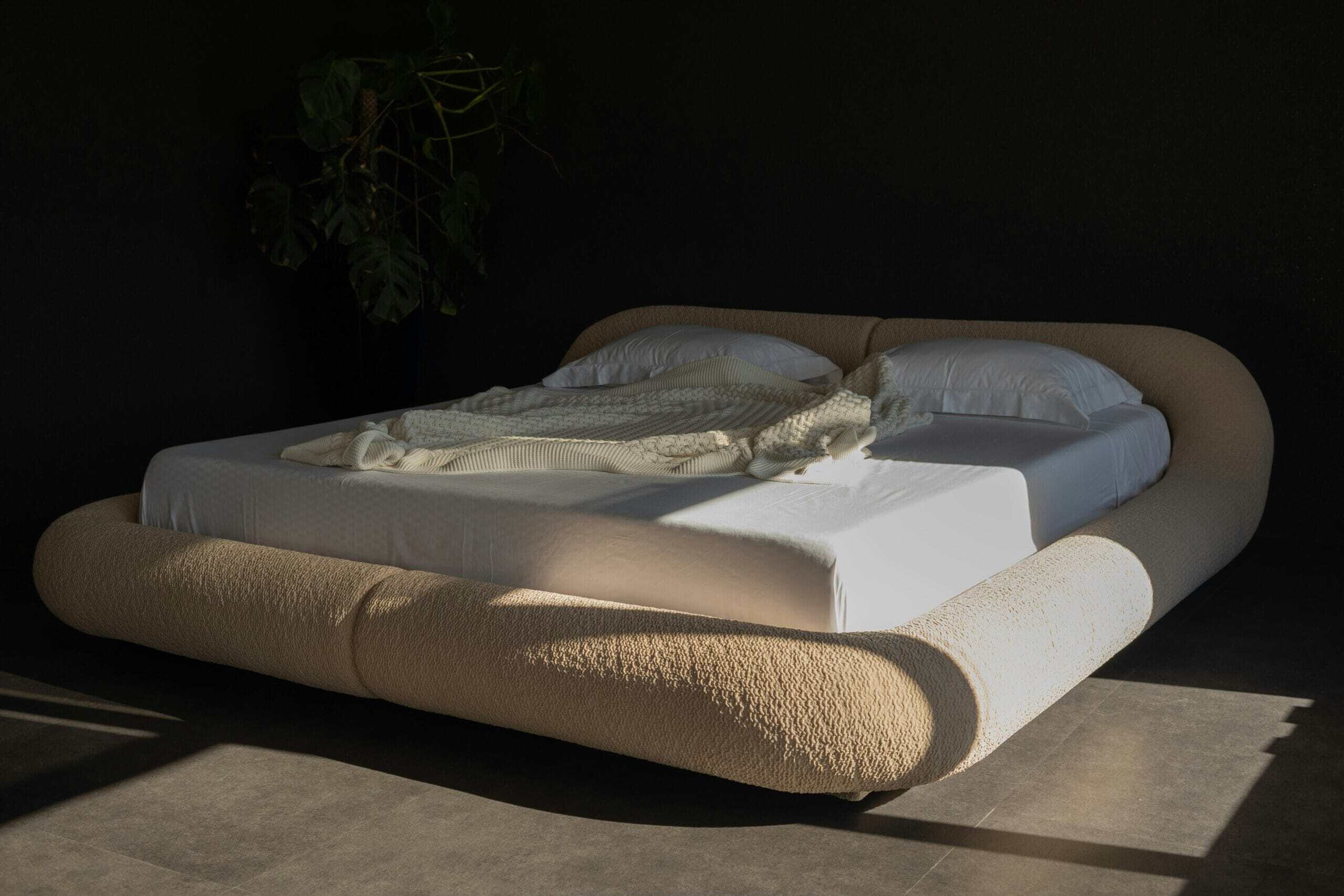
The reason adjustable beds keep showing up in conversations about back pain, acid reflux, and snoring is that head and foot elevation address each of those problems through a different mechanical change to the sleep position. Head elevation reduces nighttime reflux symptoms by keeping the stomach contents below the esophagus. Foot elevation helps return blood and lymphatic fluid from the lower legs back toward the heart. Both together produce the position commonly marketed as “zero gravity,” which redistributes body weight across the back rather than concentrating pressure at the lumbar region. On a budget? Compare a wedge pillow vs an adjustable bed.
None of this makes an adjustable bed a treatment for a medical condition. It makes the bed a comfort and positioning tool that some people find helpful for symptoms they are already managing with appropriate medical care. The picks below are all Amazon-available adjustable bases at price points from around $400 to around $900, chosen for build quality, real-world reliability, and the features that get used most often once the bed is installed.
For the mattress that pairs with an adjustable base, our guides to best mattress toppers for back pain and best cooling mattress pads cover the surface layers that work with an adjustable foundation.
Last updated: May 28 2026 | By Austin Murphy
This article is for general information only and is not medical advice. If you have back pain, acid reflux, sleep apnea, or other medical conditions you hope to address, please consult a qualified healthcare provider. An adjustable bed is a positioning aid, not a substitute for medical evaluation or prescribed treatment.
Quick Verdict
- Best for most buyers: the Lucid L300 at around $500 delivers head and foot elevation, a quiet motor, and a zero gravity preset at a price that makes the upgrade affordable.
- Skip if you have peripheral arterial disease or unmanaged sleep apnea: elevation can worsen arterial perfusion, and CPAP therapy needs medical supervision rather than positional substitution.
Disclosure: RestRight is reader-supported. As an Amazon Associate, we earn from qualifying purchases made through links on this page, at no extra cost to you.
Why Adjustable Beds Help With Common Sleep Problems
Three mechanisms drive most of the real-world benefits people report from adjustable beds.
Head elevation reduces nighttime acid reflux symptoms by keeping gravity working with the body rather than against it. The American College of Gastroenterology’s 2022 clinical practice guideline suggests elevating the head of the bed for patients with nighttime GERD symptoms, though the recommendation is conditional and based on low-quality evidence. The guideline does not specify a degree threshold; clinical research has tested various elevations, generally expressed as six to eight inches of bed elevation. An adjustable base achieves this elevation with the head section raised, and the position can be adjusted to comfort rather than locked at a single angle.
Foot elevation supports venous return from the lower limbs. Research published in Nursing Research and Reviews in 2022 found that elevating the legs reduced lower-limb discomfort in hospital patients, with the proposed mechanism involving gravity-assisted venous return. For sleepers who experience leg or ankle swelling after long days of standing or sitting, foot elevation through an adjustable base can offer comfort. Important caveat: leg elevation is contraindicated in peripheral arterial disease, where it can worsen arterial perfusion. If you have any diagnosed circulation condition, talk to a healthcare provider before adopting nightly leg elevation.
More Information
Head elevation also reduces the positional component of snoring and may reduce sleep apnea symptom severity for some people by keeping the tongue and soft palate from falling backward under gravity. For diagnosed obstructive sleep apnea, CPAP therapy remains the evidence-based standard of care; the American Academy of Sleep Medicine’s 2019 clinical practice guideline recommends positive airway pressure as the first-line treatment. An adjustable bed is not a substitute for CPAP. It may complement CPAP therapy by reducing the positional component of airway obstruction alongside the mechanical airway support CPAP provides.
Zero gravity positioning, often marketed as a specific protocol with exact head and foot angles, is more flexible in practice than the marketing suggests. The general principle is moderate head elevation paired with moderate foot elevation to distribute body weight across the back rather than concentrating pressure at the lumbar region. Comfort matters more than hitting specific angles. Adjust to what feels supportive.
What to Look for in an Adjustable Bed
Motor Quality and Noise
The motor that drives head and foot elevation is the part most likely to fail over the bed’s lifetime, and the noise level during adjustment is the easiest indicator of build quality. Dual-motor systems use separate motors for head and foot, which allow independent adjustment without mechanical coupling and tend to run quieter. Single-motor systems are usually adequate but louder. If you adjust position at night while a partner sleeps, motor noise matters.
Weight Capacity
Adjustable bases must support the mattress plus the sleeper through the full range of elevation. Most bases are rated for 600 to 750 pounds combined. Heavier mattresses, especially latex and hybrid models, can weigh 80 to 120 pounds in queen size on their own. Confirm the weight capacity covers your mattress weight, your weight, and a meaningful safety margin.
Preset Positions
Adjusting position at 3 a.m. while half-asleep is the use case that determines whether the bed’s features get used at all. Programmable presets for zero gravity, anti-snore, and flat positions, recallable with a single button, make adjustment practical. A complex button panel that needs to be navigated in the dark is a feature you stop using after a week.
Remote and Controls
Backlit remotes are easier to use at night. Wireless remotes mean you do not have to fish around for a tethered cord. Some bases include app control through Alexa or Google Assistant, which can be useful if you already have voice control in your bedroom. App control is not essential; a well-designed physical remote works fine.
Mattress Compatibility
Memory foam, latex, and hybrid mattresses with individually wrapped coils flex through the elevation range without damage. Traditional innerspring mattresses with interconnected coil systems do not flex and will be damaged by repeated adjustment. Confirm your current mattress is compatible before buying an adjustable base. Most major mattress brands specify adjustable base compatibility in their product descriptions.
Best Adjustable Beds in 2026
1. Lucid L300 Adjustable Bed Base: Best Overall
Best Overall Adjustable Bed | Price: ~$500 queen
Check Price on AmazonThe Lucid L300 is the practical answer to “what should most buyers get?” Head and foot incline with a quiet motor, wireless remote, programmable memory position, USB charging ports built into the frame, and a 750-pound weight capacity for the queen size. The upholstered frame looks like furniture rather than hospital equipment. Assembly takes about five minutes. The 10-year warranty is the longest on this list.
What you give up at this price point is a dedicated zero-gravity preset and a massage function. The memory position feature lets you save one custom position, which serves the same purpose as a preset if you set it once and use it nightly. The single-motor design is slightly louder than the dual-motor alternatives below, though most users find it quiet enough not to disrupt a sleeping partner.
Key Features
- Independent head and foot incline
- Wireless remote with built-in flashlight
- Programmable memory position
- Dual USB charging ports
- 750-pound weight capacity for queen
- 10-year warranty
PROS:
- Best balance of features and price on this list
- Five-minute assembly without tools
- Long Amazon review history with consistent positive feedback
- 10-year warranty exceeds most competitors
- Upholstered frames work as furniture in any bedroom
CONS:
- Single-motor design louder than dual-motor alternatives
- No dedicated zero gravity preset; use memory position instead
- No massage function
- No under-bed lighting
Best for: Most buyers who want the core features of an adjustable bed at a price that does not require justifying a $1,000+ investment, and who do not need massage or app control.
2. Zinus Nadia Adjustable Bed Frame: Best for Quiet Operation
Best Quiet Adjustable Bed | Price: ~$600 queen
Check Price on AmazonThe Nadia uses dual whisper-quiet motors that handle head and foot adjustment with less mechanical noise than the single-motor alternatives. Head elevation goes up to 63 degrees and foot elevation up to 35 degrees, which is more range than most buyers need but useful if you sit up in bed to read or work. The 5-button wireless remote is straightforward to use in the dark, and the fabric-wrapped frame reads as bedroom furniture rather than medical equipment.
Nadia is the right pick when motor noise matters most. Partners who wake from mechanical clicks during nighttime adjustment will notice the difference between this base and single-motor alternatives. The 750-pound combined weight capacity covers heavier mattresses with a margin.
Key Features
- Dual whisper-quiet motors
- Head incline up to 63 degrees, foot up to 35 degrees
- Wireless 5-button remote
- Fabric-covered frame
- Tool-free assembly
- 750-pound weight capacity
PROS:
- Among the quietest adjustable bases at this price tier
- Wider elevation range than typical bases
- Furniture-style design fits standard bedrooms
- Simple remote without complex button arrays
- Fast setup without tools
CONS:
- No programmable preset positions; adjust manually each time
- No massage function
- No USB ports built into the frame
- Higher price than the Lucid for a similar core function
Best for: Sleepers whose partners wake at the slightest mechanical sound, and anyone who wants the quietest adjustment available in this price range.
3. Sven and Son Classic Adjustable Bed Base: Most Features
Most Feature-Rich Adjustable Bed | Price: ~$800 queen
Check Price on AmazonThe Sven and Son Classic packs the longest feature list at this price tier. Head and foot lift with dual motors, massage at the head and foot zones, under-bed lighting that helps with nighttime navigation, USB charging ports, programmable memory positions including zero gravity, and a wireless remote that controls everything. The massage function targets two zones rather than one, with multiple intensity settings.
Whether the extra features are worth the step up from the Lucid depends on your priorities. The massage function is the feature most buyers either use nightly or stop using entirely within a few weeks. The under-bed lighting is genuinely useful if you get up at night, since it lets you find the floor without overhead lights. The zero gravity preset is a real convenience if you use that position regularly.
Key Features
- Dual-motor head and foot lift
- Dual-zone massage with intensity settings
- Under-bed LED lighting
- USB charging ports on both sides
- Zero gravity preset and memory positions
- Wireless remote with backlit buttons
PROS:
- Most complete feature set on this list
- Under-bed lighting genuinely useful at night
- Dual-zone massage rather than a single-zone
- Multiple preset positions, including zero gravity
- Backlit remote works in the dark
CONS:
- Higher price than the Lucid or Zinus
- Massage motors can develop noise over the years of use
- More features mean more potential failure points
- Heavier than the simpler alternatives, harder to move
Best for: Buyers who want under-bed lighting and massage along with the standard adjustable base features, and who will use the preset positions enough to justify the price step up.
4. Linenspa Adjustable Bed Base: Most Affordable Full-Feature
Most Affordable Full-Feature Adjustable Bed | Price: ~$450 queen
Check Price on AmazonLinenspa sits at the budget-friendly end of the Amazon adjustable base market and earns the spot through a price-to-feature ratio that the more expensive options struggle to match. Head and foot incline, wireless remote, simple installation, and a price that often dips below $400 during Amazon sales. The motor is louder than the premium alternatives, and the elevation range is slightly more limited, but it covers the standard therapeutic positioning range.
The Linenspa is the right pick for buyers who want a real adjustable base, not a stripped-down one, at the lowest practical price. Build quality is consistent with the price point: the frame is functional rather than premium-feeling, and the warranty is shorter than Lucid’s 10 years. For first-time adjustable bed buyers who want to test the format before committing to a premium base, the Linenspa removes the financial barrier.
Key Features
- Head and foot motorized incline
- Wireless remote control
- Simple installation
- Compatible with most mattress types
- Often discounted below $400 during Amazon sales
PROS:
- Lowest-cost full-feature option on this list
- Covers the core positioning needs that drive adjustable bed value
- Frequent Amazon sales drop the price further
- Functional design without premium features that drive up cost
CONS:
- Louder motor than the Lucid or Zinus
- Shorter warranty than Lucid’s 10 years
- No massage, under-bed lighting, or USB ports
- Build quality reflects the budget price point
Best for: First-time buyers testing whether an adjustable base sleep helps them before committing to a premium option, and anyone who wants the basic functionality at the lowest practical Amazon price.
5. Classic Brands Adjustable Comfort Bed Base: Best Entry Point
Best Entry-Cost Adjustable Bed | Price: ~$400 queen
Check Price on AmazonThe Classic Brands base ships at the lowest price point on this list while still delivering a head and foot motorized incline with a wireless remote. The single-motor design is the loudest of the options here during adjustment, and the elevation range is the most limited, but it covers the basic zero gravity positioning that drives most of the therapeutic value of an adjustable base.
The honest framing on the Classic Brands base is that it is a test purchase. If positional sleep improves your back pain, reflux, or snoring at $400, you have your answer about whether a premium adjustable base is worth pursuing. If the position adjustment does not produce a noticeable change after a few weeks, you have invested the least to find that out. Either way, the financial barrier to answering the question is the lowest.
Key Features
- Motorized head and foot incline
- Wireless remote
- Basic position control
- Compatible with most mattress types
- Easy assembly
PROS:
- Lowest price point on this list
- Covers the core zero gravity positioning range
- Lowest financial commitment for testing an adjustable base sleep
- Simple to assemble and install
CONS:
- Louder motor than every other option on this list
- More limited elevation range
- No preset positions, massage, lighting, or USB ports
- Shorter expected lifespan than the premium alternatives
Best for: Buyers who want to test whether adjustable base positioning improves their sleep at the lowest possible cost before deciding whether to invest in a premium alternative.
Which Adjustable Bed Fits Your Situation
| Your situation | Lucid L300 | Zinus Nadia | Sven and Son | Linenspa | Classic Brands |
|---|---|---|---|---|---|
| Most buyers, no special needs | Best fit: balanced features and price | Most buyers have no special needs | Workable: more than most need | Workable: cheaper but louder | Skip: cheapest but most limited |
| Workable: pay more for a quieter motor | Workable: single motor louder | Best fit: dual whisper-quiet motors | The partner wakes at small noises | Skip: louder single motor | Skip: loudest option |
| Workable: dual motor, but more features running | Skip: no massage or lighting | Skip: no massage or lighting | Best fit: both features included | Skip: no extras | Skip: no extras |
| Tight budget | Wants a massage and under-bed lighting | Skip: premium price for noise | Skip: most expensive here | Workable: middle of the pack | Best fit: lowest price |
| First adjustable bed, testing the format | Workable: solid first pick | Skip: premium for a test | Skip: premium for a test | Best fit: low cost, real features | Best fit: lowest test cost |
| Heavier sleeper or heavy mattress | Best fit: 750 lb capacity | Best fit: 750 lb capacity | Best fit: similar capacity | Best fit: under $450, often under $400 | Workable: confirm the capacity for your weight |
Prices above are approximations and shift with Amazon sales and seasonal promotions. Verify current pricing before purchase.
How to Choose an Adjustable Bed by Use Case
Match the bed to the primary reason you are buying. For nighttime acid reflux, what matters most is that the head section elevates to the angle your gastroenterologist or primary care provider suggests, and that the elevation stays stable through the night. Any of the five bases above handles this; the Linenspa at $450 is enough of a bed.
For lower back discomfort, what matters most is the ability to reach a comfortable zero gravity position and hold it consistently. The Lucid’s memory position feature lets you save your preferred angle once and recall it nightly. The Sven and Son’s dedicated zero gravity preset achieves the same end with one fewer programming step.
For snoring that wakes a partner, the value is in being able to adjust position at the moment the snoring starts. The Zinus Nadia’s quiet motors mean the adjustment itself does not wake the snorer further. The Lucid is also quiet enough for nighttime use.
For leg or ankle swelling from long days standing or sitting, foot elevation is the feature that matters. Any of the five bases provides it. Whether nightly leg elevation is appropriate for you depends on your circulatory health; talk to a healthcare provider if you have any diagnosed circulation condition.
When to See a Doctor
An adjustable bed is a positioning aid and a comfort tool, not a medical treatment. The following situations call for medical evaluation:
- Persistent or severe back pain that disrupts sleep or daily function deserves medical evaluation. An adjustable bed may improve comfort, but underlying causes need professional diagnosis.
- Frequent or severe acid reflux, especially with symptoms like difficulty swallowing, unintended weight loss, or persistent chest pain, needs evaluation. The ACG guideline supports head elevation as one piece of GERD management, alongside medical treatment.
- Suspected sleep apnea, indicated by loud snoring, witnessed pauses in breathing, gasping awakenings, or persistent daytime sleepiness, calls for a sleep study, not a bedding change. CPAP therapy is the evidence-based standard of care for diagnosed obstructive sleep apnea.
- Leg or ankle swelling that is new, asymmetric, or accompanied by pain warrants medical evaluation. Leg elevation is contraindicated in peripheral arterial disease and may worsen tissue perfusion in some conditions.
- If you are currently using CPAP and are not adherent or are not finding it tolerable, the fix is troubleshooting with your sleep medicine team, not substituting an adjustable bed.
An adjustable bed can complement appropriate medical care for many conditions. It should not replace medical evaluation when something is wrong.
Our Take on Adjustable Beds
The honest summary on adjustable beds is that they deliver a real positional change that helps real people with real symptoms, without being a treatment for any of those symptoms. Head elevation reduces reflux. Foot elevation supports venous return. Combined positioning distributes pressure across the back. None of this is contested in clinical practice; both the gastroenterology and sleep medicine bodies acknowledge positional measures alongside medical treatment.
For most buyers, the Lucid L300 at around $500 is the right starting point. Solid features, quiet enough motor, long warranty, and a price that does not require defending a four-figure purchase. Buyers who want quieter operation can step up to the Zinus Nadia. Those who want under-bed lighting and massage can step up to the Sven and Son Classic. And buyers who want the lowest-cost test purchase can drop to the Linenspa or Classic Brands.
The thing that drives whether the bed earns its price is whether you use the position adjustment. The bed that gets set to one position on day one and is never moved is a bed that does not need to be adjustable. The bed that gets adjusted nightly, or multiple times per night, returns the investment within months. If you are buying an adjustable bed to solve a specific problem, decide before purchase what position adjustment you expect to make and whether you will follow through.
Frequently Asked Questions
What is the best adjustable bed in 2026?
For most buyers, the Lucid L300 at around $500 delivers the best balance of features and price. Head and foot incline, quiet motor, memory position, USB ports, and a 10-year warranty. Buyers who need quieter operation can step up to the Zinus Nadia; buyers who want massage and under-bed lighting can step up to the Sven and Son Classic.
Will an adjustable bed help with my back pain?
Many people with lower back pain report that zero gravity positioning, with moderate head and foot elevation, reduces lumbar pressure and improves sleep comfort. Whether it works for your specific back pain depends on the underlying cause. Adjustable beds do not treat the cause of back pain; they may make sleeping more comfortable while you address the cause through appropriate medical care.
Can an adjustable bed help with sleep apnea?
Head elevation reduces the positional component of airway obstruction for some people. It does not treat sleep apnea. CPAP therapy remains the evidence-based standard of care for diagnosed obstructive sleep apnea per the American Academy of Sleep Medicine. An adjustable bed may complement CPAP, but should never substitute for it.
What mattress works with an adjustable base?
Memory foam, latex, and hybrid mattresses with individually wrapped coils flex through the elevation range without damage. Traditional innerspring mattresses with interconnected coil systems do not flex and will be damaged. Confirm your current mattress is rated as adjustable-base compatible before buying a base.
What is a zero gravity position?
Zero gravity is an adjustable base position with moderate head elevation paired with moderate foot elevation, designed to distribute body weight across the back rather than concentrating pressure at the lumbar region. The practical version is “adjust head and feet up until your lower back feels supported and your weight feels evenly distributed.”
How long do adjustable bed motors last?
Most adjustable base motors last 8 to 12 years with normal use. The Lucid L300’s 10-year warranty reflects this expected lifespan. Massage motors may show wear earlier with heavy daily use, and cheaper bases with lighter-duty motors generally have shorter lifespans than premium alternatives.
Does Medicare cover adjustable beds?
Medicare covers hospital beds when prescribed for specific medical conditions, but consumer adjustable bed bases like the ones in this article are generally not covered. If you have a condition that may warrant a covered hospital bed, talk to your doctor about the prescription and supplier process.
Can two people use an adjustable bed with different positions?
Split king adjustable bases use two separate twin XL bases that can be adjusted independently, so each partner controls their own side. Queen and full sizes have a single base that adjusts as one unit, meaning both partners share whatever position is set. If partners have significantly different preferences, a split king is the right choice.
Related Reading
Explore more: mattresses for platform beds, headboards for beds, sheets for adjustable beds, and adjustable pillows. Also explore: mouth tape for snoring.
Recommended Reading
See also our guides to headboards for beds, and sheets for adjustable beds.
