
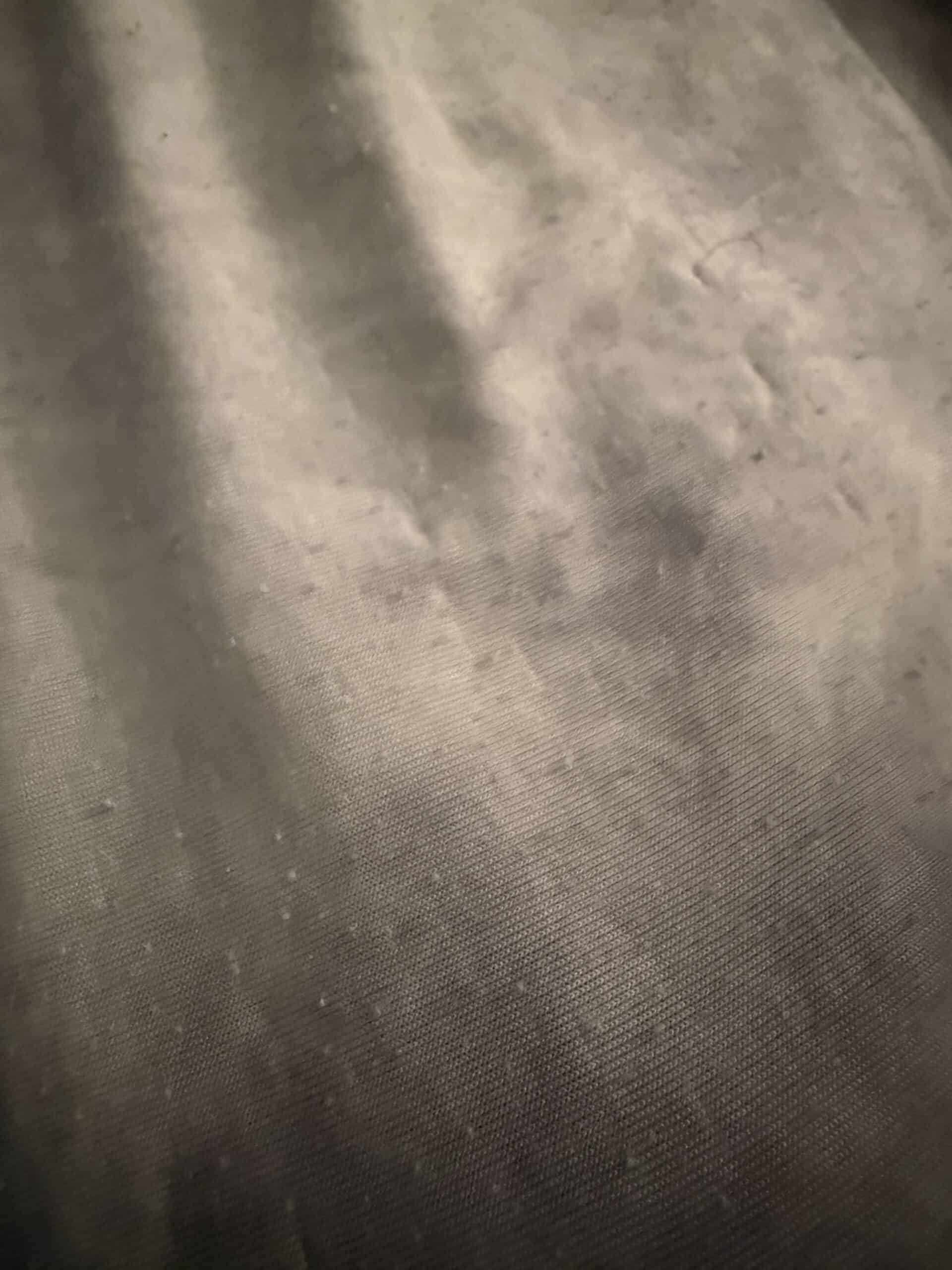
A cooling blanket typically lasts three to five years with regular use, and the cooling effect usually fades before the fabric shows any wear. Those are two separate timelines, which is why people replace blankets that still look fine.
Quick Answer
Expect the fabric to outlast the cooling. Washing is the main factor, since detergent residue and fabric softener coat the fibers that do the work. A blanket kept clean and washed correctly holds its performance considerably longer than one that is not.
Key Points
- Cooling fades before the fabric wears out
- Fabric softener is the fastest way to ruin one
- Heat from tumble drying damages cooling fibers
- Some fading is perception rather than the product
- Single-sided blankets wear unevenly
- Three to five years is typical with regular use
What Wears Out and When
| What changes | Typical timeline | Cause |
|---|---|---|
| Cooling feel weakens | 1 to 3 years | Washing, residue, fiber wear |
| Surface pilling | 2 to 4 years | Friction, washing with rough items |
| Fabric thinning | 4 to 6 years | General use |
| Seams and edges | 3 to 6 years | Pulling, machine agitation |
| Perceived cooling | Weeks | Habituation, not the blanket |
Where Mine Is After Eighteen Months
I have had my cooling blanket about a year and a half, and it is holding up better than I expected.
The cooling feels like it has weakened a bit, though I honestly cannot separate that from getting used to it. I do not think the change is large either way.
Physically there is nothing wrong with it. No pilling, no thinning, no change in how the fabric feels. It looks and handles the way it did when I got it.
Mine cools on one side only, which is common and which means one face gets all the use. I would expect that side to show wear first if any appears.
Eighteen months is not long enough to say much about lifespan. What it does suggest is that the fabric side of things is durable, and that any change happens in the cooling before it happens anywhere visible.
Washing Is What Decides It
Fabric softener is the single worst thing for a cooling blanket. It works by coating fibers with a thin lubricating film, and that film blocks the moisture transfer the cooling depends on.
Dryer sheets do the same thing for the same reason, and both effects build up over repeated washes rather than appearing at once.
Heat is the other problem. High dryer temperatures damage the synthetic fibers in most cooling fabrics, and repeated hot cycles degrade performance faster than the washing itself.
Detergent residue from overdosing also builds up. Using less than the recommended amount, or an occasional rinse-only cycle, clears it.
Is It the Blanket or Is It You?
Some of the fading people report is habituation rather than product decline. The first nights with a cooling blanket feel dramatic because the contrast with your old bedding is fresh, and that contrast stops being novel.
Seasonal change compounds it. A blanket bought in summer and assessed in autumn is working in different conditions, and the room matters more than the blanket does at any point in the year.
The check is simple. Wash it properly with no softener, dry it on low, and try it in a cool room. If it performs, nothing was wrong with it.
Genuine decline is gradual and survives that reset, and the mechanics sit in why cooling blankets stop feeling cool.
Getting More Years Out of It
Never use fabric softener or dryer sheets
This matters more than everything else combined. The coating they leave blocks the moisture movement the cooling relies on.
Wash cool and dry low
Heat damages synthetic cooling fibers. Cool water and a low or no-heat dry cycle preserve performance for years longer.
Wash it alone or with soft items
Zips, buttons, and rough fabrics abrade the surface and cause pilling on smooth cooling weaves.
Use a duvet cover or top sheet in winter
If you use it year-round, a layer between you and the blanket reduces how much washing it needs, covered in cooling bedding layers.
Why Cooling Fades Before the Fabric Does
The two timelines separate because they depend on different things, and understanding which is which tells you whether to replace or just wash properly.
The fabric wears mechanically. Threads abrade, seams take stress, and fibers thin under years of friction. That is slow, and a blanket used nightly still looks fine after several years.
The cooling depends on the fiber surface staying clear. Cooling fabrics work by wicking moisture along the fibers and spreading it over a wide area so it evaporates, and by conducting heat away through fiber contact with your skin.
Anything coating those fibers interrupts both. Softener film, detergent residue, and body oils all sit on the surface where the work happens, and none of them affect the thread strength underneath at all.
That is why the blanket that stopped cooling usually looks perfect. Nothing structural has failed, and the working surface is buried under something.
It also explains why a proper wash sometimes restores performance and sometimes does not. Residue comes off, and fiber damage from years of hot drying does not.
Material Affects Lifespan
Bamboo viscose
Soft and breathable with good moisture handling. It is less durable than synthetics and shows wear sooner, covered in bamboo cooling blankets.
Polyester and nylon blends
More durable and more dependent on the fiber structure staying clean. These are the ones softener ruins fastest.
Phase-change materials
The active material is embedded rather than applied, so it degrades more slowly. Usually the more expensive option.
Cooling weighted blankets
Heavier construction and more machine stress, and glass beads survive washing better than plastic pellets, covered in cooling weighted blankets.
When to Replace It
Pilling that persists after washing, thinning you can see against the light, and seams pulling apart are the physical signs.
On the cooling side, a blanket that performs no differently from an ordinary one in a cool room after a proper wash has done what it can.
Persistent odor is worth acting on too, since fibers that hold smell after washing have residue in them that is also affecting performance. That one is worth a stripping wash before you give up on the blanket entirely.
Before replacing, try one wash with no detergent at all. Residue buildup mimics end of life closely enough that it is worth ruling out.
Cost per year is the useful frame rather than sticker price. A blanket that holds its cooling for four years is better value than a cheaper one replaced twice in the same period, and washing habits move that number more than the purchase price does.
Related Reading
- why they stop feeling cool
- cooling blankets compared
- do cooling blankets work
- what makes a blanket cooling
- bamboo options
- washing bedding
- cooling bedding layers
Part of our guide to cooling a bedroom for better sleep.
Frequently Asked Questions
How long does a cooling blanket last?
Three to five years with regular use. The cooling effect usually weakens before the fabric shows wear, which is why people replace blankets that still look fine.
Why did mine stop feeling cool?
Most often fabric softener or dryer sheets, which coat the fibers and block moisture transfer. Habituation and a warmer room also account for a good share of it.
Can I use fabric softener?
No. It is the fastest way to ruin a cooling blanket, and the effect builds across washes rather than appearing after one.
How should I wash it?
Cool water, mild detergent used sparingly, no softener, and dry on low or no heat. Washing alone or with soft items prevents pilling.
Does washing it more often wear it out?
Less than washing it wrong does. Correct washing preserves performance, and a blanket left unwashed accumulates body oils that also block the fibers.
Can a cooling blanket be revived?
Sometimes. A wash with no detergent clears residue buildup, which mimics end of life closely enough to be worth ruling out first.
Does a cover help it last longer?
Yes, by reducing how often it needs washing and keeping body oils off the cooling surface. The tradeoff is a layer between you and the fabric doing the work.
Which material lasts longest?
Polyester and nylon blends outlast bamboo viscose physically, and phase-change materials hold their cooling longest since the active component is embedded rather than applied.
