
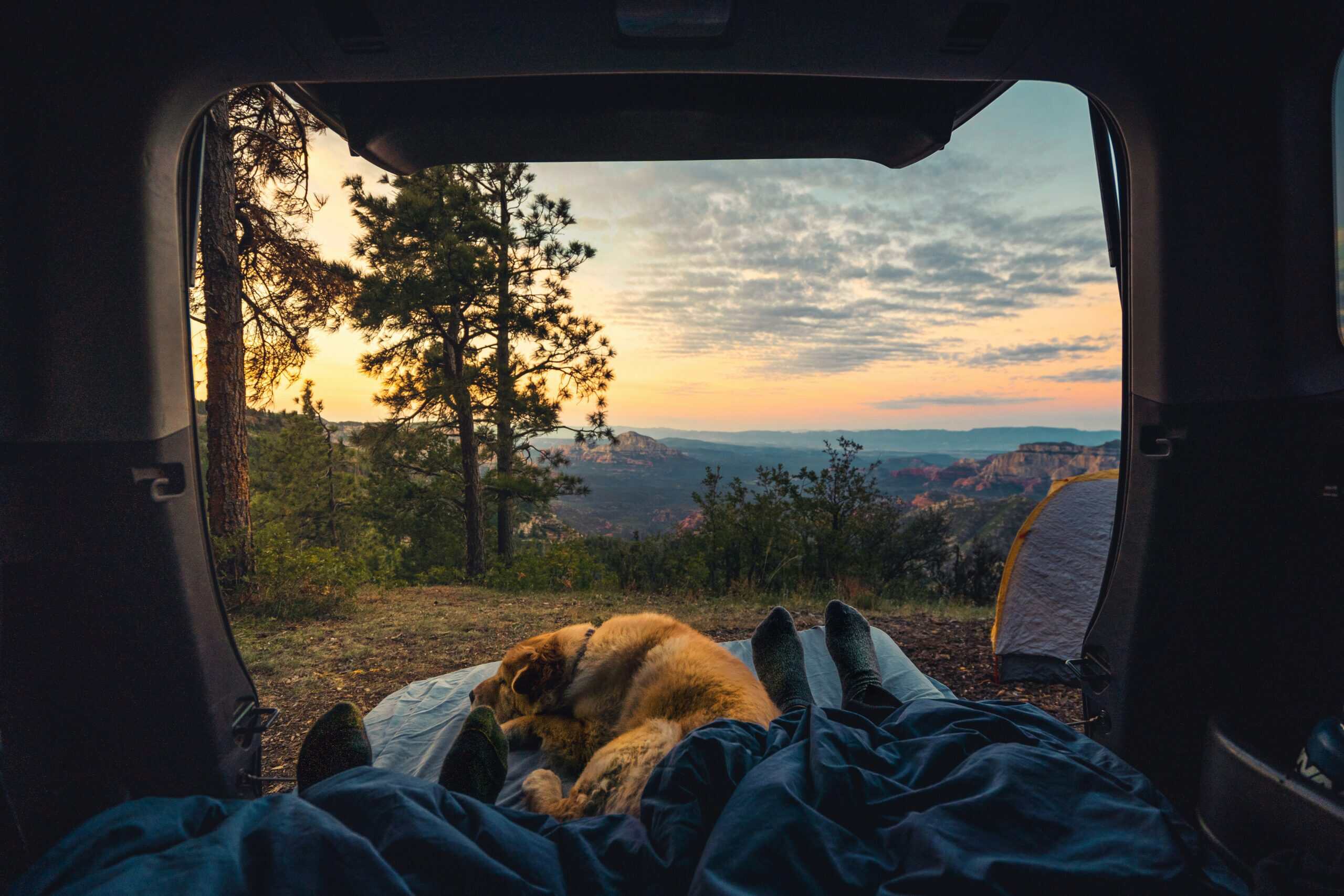
Cold nights outdoors are usually a ground problem rather than a bag problem. You lose far more heat into the surface beneath you than into the air around you, and a sleeping pad rated too low undoes a good bag entirely.
Van sleeping shifts the emphasis. You are on a fixed platform rather than the ground, so condensation, ventilation, and light control matter more than R-value.
Quick Verdict
Buy the pad before the bag. R-value determines cold-night comfort more than temperature ratings do. For van life, add window covers and manage condensation, since a sealed vehicle collects the moisture two people breathe out overnight.
Key Takeaways
- Ground insulation matters more than bag temperature rating
- R-value is the number to compare on pads
- Bag ratings describe survival rather than comfort
- Vans need ventilation even in cold weather
- Condensation soaks bedding from underneath
- Blackout window covers double as insulation
How We Picked
Insulation performance came first. R-value on pads and fill power on bags both describe measurable properties rather than marketing claims.
Packability ranked next for camping and mattered less for vans, where a bed stays made and storage works differently.
Moisture handling counted heavily for van sleeping. Two people breathing in a sealed vehicle produce enough water overnight to wet a mattress from below.
Setup time mattered for anyone moving daily. Gear that takes twenty minutes gets used differently from gear that unrolls.
Insulated Sleeping Pads
Why It Stands Out
The ground pulls heat out of you through conduction all night, and a pad is what stops it. R-value measures that resistance directly, so comparing pads on it works.
Roughly R-2 suits summer, R-4 handles three seasons, and R-5 and above covers winter. Those numbers matter more than any bag rating you pair them with.
Inflatable pads pack small and offer high R-values for their weight, which is why they dominate backpacking.
Pads also stack. Putting a foam pad under an inflatable adds its R-value and protects against punctures.
Worth Knowing
Inflatables fail. A puncture on a cold night ends the trip comfortably speaking, so a repair kit belongs in the bag.
They also crinkle and bounce, which some people find harder to sleep on than closed-cell foam.
Buy this before upgrading a bag. Skip low R-value pads for anything below freezing.
Check Price on AmazonSleeping Bags and Quilts
Why It Stands Out
Down offers the best warmth for weight and packs smallest, which matters when space is the constraint. Synthetic keeps insulating when damp, which matters in wet conditions and in a van collecting condensation.
Quilts drop the underside, since insulation compressed beneath you does nothing anyway. That saves weight and cost while relying entirely on your pad.
Rectangular bags suit van platforms where packed size does not matter and you want room to move.
Worth Knowing
Temperature ratings describe survival rather than comfort. A bag rated to 20 degrees keeps most people alive at 20 and comfortable closer to 30.
Down loses insulating ability when wet and takes a long time to dry, which is the case against it in humid conditions.
Buy a rating with margin below your expected low. Skip down if you sleep in a van that runs damp, and cold-weather bedding sits in flannel sheets for winter warmth.
Check Price on AmazonVan Mattress Toppers and Underlays
Why It Stands Out
A plywood platform with foam on it hits the same problem every van build does: moisture condenses underneath and the foam sits wet against the wood.
A ventilating underlay creates an air gap that lets moisture escape rather than pooling. Without one, foam grows mold on the underside within a season.
A topper over the base foam adds comfort without adding much height, which matters in a vehicle where headroom is fixed.
Worth Knowing
Memory foam holds moisture and sleeps warm, which is a poor combination in a van. Latex and open-cell foams both handle it better.
Lifting the mattress periodically to check the underside is standard practice regardless of what you buy.
Buy an underlay before a better mattress. Skip memory foam on a solid platform.
Check Price on AmazonBlackout Window Covers
Why It Stands Out
Insulated reflective covers block light, add thermal resistance, and give you privacy in a parking spot. One product doing three jobs is rare.
Glass is where most heat leaves a van, so covering windows does more for warmth than most people expect.
Magnetic and suction-mounted versions go up in seconds and store flat, which suits a vehicle you sleep in most nights.
Worth Knowing
Covers trap moisture against the glass, and condensation collects behind them overnight. Removing them in the morning lets the window dry.
Custom-fit sets cost considerably more than universal ones and seal far better at the edges.
Buy this for any vehicle you sleep in. Skip leaving them up all day, and light blocking generally sits in blackout curtains.
Check Price on AmazonVentilation Fans and Moisture Control
Why It Stands Out
Two people breathing overnight in a sealed van release a surprising volume of water. Without ventilation it condenses on cold metal and runs down the walls into your bedding.
A roof fan running on low all night moves that moisture out and costs very little power.
Cracking a window works too, and a fan controls the direction rather than leaving it to the wind.
Worth Knowing
Ventilating in cold weather feels wrong and remains necessary. A dry cold van sleeps warmer than a damp sealed one.
Moisture absorber tubs help in a closed vehicle during storage and cannot keep up with two people sleeping.
Buy this for any van used in cold weather. Skip sealing the vehicle completely, and RV ventilation sits in solar vent fans for RV roofs.
Check Price on AmazonCamp Pillows
Why It Stands Out
Neck position matters as much outdoors as at home, and a rolled jacket collapses within an hour. A compressible pillow with real fill holds loft through the night.
Shredded foam models pack down and recover their shape, unlike inflatable pillows that stay firm and slippery.
Hybrid designs use an inflatable core with a foam layer on top, which balances packed size against comfort.
Worth Knowing
Inflatable pillows slide off pads during the night. Some have a strap or a non-slip underside to address it.
In a van, packed size stops mattering and a normal pillow works fine.
Buy compressible fill for camping and a regular pillow for van sleeping. Skip pure inflatables if you move in your sleep, and loft guidance sits in choosing a pillow for your position.
Check Price on AmazonOutdoor Sleep Gear at a Glance
| Item | Camping | Van life |
|---|---|---|
| Insulated pad | Essential, match R-value | Replaced by mattress |
| Sleeping bag or quilt | Essential | Optional, bedding works |
| Ventilating underlay | Not applicable | Essential |
| Window covers | Not applicable | Essential |
| Ventilation fan | Not applicable | Essential in cold |
| Camp pillow | Compressible | Regular pillow fine |
What to Look For
Compare R-value, not bag ratings
Ground conduction takes more heat than air does. A high-rated bag on a summer pad still leaves you cold at three in the morning.
Read temperature ratings as survival numbers
Comfort sits roughly ten degrees above the stated rating for most people. Buy margin rather than matching the forecast.
Plan for moisture in a van
Condensation is the defining problem of sleeping in a vehicle. Ventilation and an air gap under the mattress both address it, and neither is optional.
Match packability to how you travel
Backpacking rewards small and light. A van rewards comfort, since nothing has to fit in a pack.
Where the Cold Actually Comes From
Four routes take heat away from you at night, and knowing the order stops you spending on the wrong one.
Conduction into the ground is the largest by a wide margin. Your body compresses insulation beneath you, and cold earth or a cold van floor draws heat directly out of you for eight hours.
Convection is next, where moving air strips warmth from your surface. A bag that seals at the neck and a hood both address this, and a draft through a van door does more damage than the outside temperature suggests.
Evaporation costs you more than most people expect. Sleeping in clothes you sweated in during the day means that moisture leaving your body all night, taking heat with it.
Radiation is the smallest and the one gear marketing talks about most. Reflective liners and emergency blankets address it and cannot compensate for a thin pad.
Which explains why the fix order runs: pad first, then draft sealing, then dry clothes, then everything else.
Camping Against Van Life
Camping
Ground insulation and packed size dominate every decision. Pads, bags, and compressible pillows are the whole system.
Van life
You have a platform and a fixed bed, so moisture, ventilation, and light control replace R-value as the problems. Normal bedding works, and the vehicle needs managing.
Common Mistakes to Avoid
Buying a warm bag on a thin pad
The most common cold-night error. Insulation compressed beneath you does nothing, so the pad carries that load.
Sealing a van against the cold
A closed vehicle collects the water two people breathe out, and damp bedding sleeps colder than dry bedding at the same temperature.
Putting foam straight on plywood
Moisture condenses between them with nowhere to go. An air gap underneath prevents the mold that otherwise appears within a season.
Ignoring what you wear
Damp clothes from the day cost you more warmth than most gear upgrades gain. Dry base layers kept only for sleeping are cheap and effective, and staying warm indoors sits in foot warmers for bed.
Recommended Reading
- warm bedding
- sleeping away from home
- travel sleep kits
- managing moisture
- pillow loft
- blocking noise outdoors
Frequently Asked Questions
What matters more, the sleeping bag or the pad?
The pad. Ground conduction removes more heat than cold air does, and insulation compressed beneath you provides almost nothing.
What R-value do I need?
Around R-2 for summer, R-4 for three seasons, and R-5 or higher for winter. Pads stack, so a foam pad under an inflatable adds their values together.
Are sleeping bag temperature ratings accurate?
They describe survival rather than comfort. Most people are comfortable roughly ten degrees above the stated number, so buy margin below your expected low.
Why does my van get damp overnight?
Two people breathing release a lot of water, which condenses on cold metal in a sealed vehicle. Ventilation is necessary even in cold weather.
Do I need special bedding in a van?
Regular bedding works. What you need is an air gap under the mattress, since foam sitting directly on plywood traps moisture and grows mold.
Down or synthetic?
Down packs smaller and offers better warmth for weight, and it fails when wet. Synthetic keeps insulating damp, which suits vans and humid conditions.
What should I wear to sleep outdoors?
Dry base layers kept only for sleeping. Damp clothes from the day cost more warmth than most gear upgrades gain back.
