
This article is for general educational purposes and is not medical advice. Occasional sleep paralysis is common and usually harmless, but frequent episodes can sometimes be a sign of an underlying sleep disorder like narcolepsy that warrants medical evaluation. If you experience frequent, distressing, or hallucination-paired episodes, talk to a doctor or sleep specialist. Comparing options? See our best wake up light alarm clocks roundup.
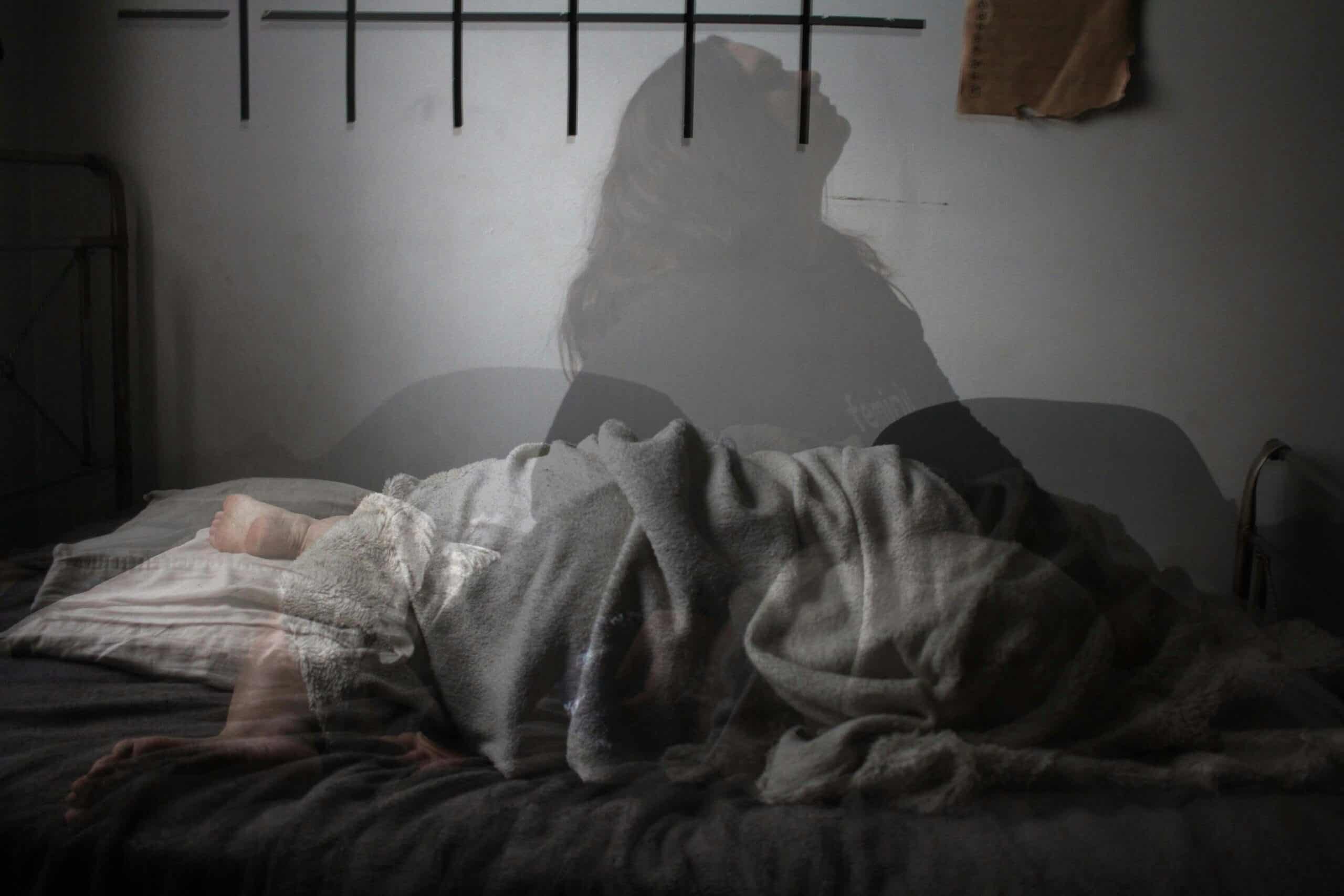
Waking up and being unable to move is one of the more terrifying experiences a sleeper can have. You’re awake. You can see the room. You’re aware of your surroundings. But your body won’t respond. You can’t speak. You can’t turn over. You can’t even reach toward your phone or partner. The episode typically lasts seconds to a couple of minutes, then resolves on its own, but those moments can feel agonizingly long.
This is sleep paralysis, and it’s far more common than most people realize. It’s a real, well-documented phenomenon caused by a brief mismatch between sleep state and wakefulness state. The good news: In most people, sleep paralysis is benign and not a sign of anything serious. The less-good news: occasional episodes occur in a substantial portion of the general population, and certain conditions can produce frequent recurrent episodes that warrant medical attention.
This guide walks through what’s actually happening during sleep paralysis, the most common triggers, when it might signal something more serious, and what helps.
Key Takeaways
- Sleep paralysis is a brief mismatch where your mind wakes up before your body’s REM-sleep muscle paralysis releases.
- Occasional episodes happen to many people and are typically harmless; frequent recurrent episodes can sometimes indicate narcolepsy or other sleep disorders.
- Common triggers include sleep deprivation, irregular sleep schedules, sleeping on your back, and high stress.
- The episodes are scary but not physically dangerous; most resolve within a couple of minutes.
What’s Actually Happening
During normal sleep, you cycle through different stages. The deepest dreaming stage, REM (rapid eye movement) sleep, has an unusual feature: your brain becomes very active (dreaming), but your body becomes temporarily paralyzed. This paralysis is called REM atonia, and it’s a safety mechanism. Without it, you’d physically act out your dreams, which could be dangerous.
The transition out of REM sleep normally happens smoothly: the brain shifts toward wakefulness while the body’s paralysis releases at the same time. By the time you’re aware enough to want to move, you can.
Sleep paralysis happens when this timing goes wrong. The brain reaches wakefulness before the body’s paralysis lifts. For a brief period, you’re conscious in a paralyzed body. You can usually breathe, blink, and move your eyes. But voluntary muscles in your limbs, your voice, and your trunk remain temporarily under REM atonia.
The episodes typically resolve within seconds to a couple of minutes as the body catches up to the brain’s wakefulness. You can also sometimes break out of an episode by trying to move small parts (a finger, an eye blink in patterns) until the paralysis fully releases.
Hypnagogic vs Hypnopompic Sleep Paralysis
Sleep paralysis episodes happen at two specific moments:
Hypnopompic. The more common type. Occurs as you’re waking up. The brain becomes conscious while the body’s REM atonia hasn’t yet been released. This is what most people describe as “waking up paralyzed.”
Hypnagogic. Occurs as you’re falling asleep. The body enters REM atonia briefly before the brain becomes fully unconscious. This produces episodes where you feel paralyzed, but you weren’t asleep yet.
The experience is similar, but the timing is different. Both involve the same underlying mechanism: misaligned timing between body paralysis and brain consciousness.
The Hallucinations That Sometimes Come With It
Sleep paralysis is sometimes accompanied by vivid hallucinations. These can be:
Visual. Seeing figures in the room, shadows that move, faces, or scenes that aren’t actually there.
Auditory. Hearing footsteps, voices, breathing, or other sounds that aren’t real.
Tactile. Feeling pressure on the chest (the classic “weight” sensation), touch on the body, or movement near you.
Sense of presence. The strong feeling that someone or something is in the room, often experienced as malevolent or threatening.
These hallucinations are believed to be REM dream content leaking into the waking state. Because the brain is partially in REM and the body knows something unusual is happening, the experience can be vivid and frightening. Cultural interpretations of sleep paralysis (the “old hag,” demonic visits, alien abduction experiences, etc.) often involve these hallucinations.
The hallucinations aren’t psychosis or mental illness. Their sleep stages overlap. Knowing this in advance helps people experiencing it stay calm.
Common Triggers
Several factors increase the likelihood of sleep paralysis episodes:
Sleep deprivation. Probably the most consistent trigger. Insufficient sleep disrupts normal sleep architecture and increases the likelihood of REM stage mismatches. Catching up on missed sleep often produces episodes.
Irregular sleep schedules. Shift work, jet lag, or chronically inconsistent sleep timing disrupts the body’s ability to manage sleep stage transitions cleanly. Sleep paralysis is more common in shift workers and people with disrupted schedules.
Sleeping on your back. Back sleeping increases sleep paralysis frequency in many people. The reason isn’t entirely understood, but the position seems to make REM stage transitions less smooth in some sleepers. Side sleeping reduces episodes for many people.
High stress or anxiety. Both increase sleep paralysis frequency. The mechanism may involve disrupted sleep architecture, increased arousals during the night, or both.
Sleep disorders. Narcolepsy, in particular, includes sleep paralysis as a common symptom (alongside excessive daytime sleepiness and other features). Other sleep disorders can also increase episode frequency.
Certain medications and substances. Some medications affecting REM sleep can increase episodes. Alcohol, caffeine, and recreational substances can also contribute.
Family history. Sleep paralysis tends to run in families to some degree, suggesting a genetic component to susceptibility.
For people experiencing sleep paralysis alongside other unusual sleep behaviors, our guide on why you talk in your sleep covers another parasomnia that sometimes coexists.
The Narcolepsy Connection
Sleep paralysis is a frequent symptom of narcolepsy, a chronic neurological sleep disorder. The full classic narcolepsy presentation includes:
- Excessive daytime sleepiness despite adequate nighttime sleep
- Sleep paralysis
- Hypnagogic/hypnopompic hallucinations
- Cataplexy (sudden, brief loss of muscle tone, often triggered by strong emotion, in some narcolepsy subtypes)
Not everyone with sleep paralysis has narcolepsy; most don’t. But sleep paralysis combined with excessive daytime sleepiness, especially with hallucinations or cataplexy, warrants evaluation for narcolepsy. The condition is treatable, and getting an accurate diagnosis matters because untreated narcolepsy significantly affects quality of life and safety (especially driving).
If you experience sleep paralysis along with frequent daytime sleepiness despite getting enough sleep, mentioning this to your doctor is worthwhile.
Is Sleep Paralysis Dangerous?
Episodes themselves aren’t physically dangerous. Despite feeling like you can’t breathe or that you’re suffocating, breathing actually continues normally throughout. The diaphragm isn’t subject to REM atonia, so respiration is preserved.
The “I can’t breathe” sensation comes from the inability to take deliberate, controlled breaths; you can’t take a deep breath or sigh, but autonomic breathing continues. People don’t die from sleep paralysis itself.
However, the experience can be psychologically distressing, especially with hallucinations. Some people develop anxiety about sleep itself after frequent episodes, which can worsen sleep deprivation and create a cycle of more episodes.
If sleep paralysis is causing significant sleep anxiety or distress, that itself is a reason to seek help, even if the underlying mechanism isn’t dangerous.
What Helps Reduce Episodes
Several strategies reduce sleep paralysis frequency for most people:
Regular sleep schedule. Consistent bedtime and wake time stabilizes sleep architecture and reduce stage transition problems. This is probably the single most effective intervention.
Adequate sleep duration. Sleep deprivation is a strong trigger. Getting consistent, adequate sleep substantially reduces episodes for most people.
Sleeping on your side rather than your back. Side sleeping reduces episodes in many sleepers prone to them.
Stress management. Reducing the overall stress level reduces episode frequency. Specific techniques (meditation, exercise, therapy, etc.) all contribute.
Limit alcohol, caffeine, and substances that affect sleep. Especially in the evening.
Address underlying sleep disorders. If narcolepsy, sleep apnea, or other sleep disorders are contributing, treating them often reduces sleep paralysis substantially.
Cognitive techniques during episodes. Some people find that staying calm, focusing on small movements (eye blinks, finger wiggles, breathing patterns), or mentally reframing the experience helps episodes resolve faster. Panic seems to prolong episodes for some people.
For more on building consistent sleep that reduces parasomnia frequency, see our companion article on why you wake up at 3 am, which covers the broader pattern of sleep fragmentation.
📑 Recommended Read: Improving overall sleep quality and consistency is one of the most effective ways to reduce sleep paralysis frequency. Check out our tested breakdown of the sleep aids for adults to find non-medication options that support more consistent, restorative sleep.
How to Get Out of an Episode
If you’re currently in a sleep paralysis episode (and somehow reading this), techniques some people find helpful:
Focus on breathing. Even though you can’t take deliberate breaths, attending to the breathing happening can be calming. The body is still breathing on its own; the conscious focus helps reduce panic.
Try small movements. Wiggling a finger or toe, blinking deliberately, or trying to move the eyes can sometimes trigger the full release of paralysis. Once one small movement works, full movement usually returns quickly.
Don’t fight the experience. Trying to thrash or struggle often doesn’t speed things up and can increase the panic feeling. Calm, focused effort to move small body parts works better than panicked struggle.
Remember, it’s temporary. Episodes typically last seconds to a couple of minutes. Knowing this and reminding yourself during the experience helps reduce panic.
If you sense hallucinations, remember they’re not real. The figures, sounds, and pressure sensations are dream content overlapping with waking. Knowing they’re dream artifacts in advance helps people cope when they happen.
Common Mistakes and How to Avoid Them
Assuming sleep paralysis means something supernatural. It doesn’t. It’s well-documented neurology with known mechanisms. Cultural and religious interpretations exist, but the underlying physiology is the same regardless of cultural framing.
Panicking and developing a fear of sleep. Understandable but counterproductive. Sleep avoidance leads to sleep deprivation, which triggers more episodes.
Ignoring frequent episodes. Occasional episodes are usually nothing. Frequent recurrent episodes, especially with daytime sleepiness, warrant evaluation.
Trying to thrash out of episodes. Small, focused movements work better than panicked struggle.
Continue to sleep on your back if it’s triggering episodes. Try side sleeping. Some people use pillows behind their backs to discourage rolling over.
Hiding the experience from a doctor out of fear of being dismissed. Sleep paralysis is well-documented and well-understood; doctors familiar with sleep medicine recognize it readily.
When to See a Doctor
The following warrants a medical evaluation:
- Frequent or recurrent sleep paralysis (multiple episodes per week or month, ongoing)
- Sleep paralysis combined with excessive daytime sleepiness despite adequate nighttime sleep
- Episodes that include cataplexy (brief loss of muscle tone while awake, often during strong emotion like laughter)
- Hallucinations during episodes that are distressing or interfering with sleep willingness
- Sleep paralysis that started after a head injury or medical event
- Episodes that started after beginning a new medication
- Loud snoring or witnessed breathing pauses (possible sleep apnea contributing to fragmented sleep)
- Sleep paralysis severely affects your ability to sleep or your daytime functioning
- Anxiety about sleep or avoidance of going to bed because of episodes
Frequently Asked Questions
Is sleep paralysis a sign of mental illness? No. Sleep paralysis is a sleep phenomenon, not a psychiatric condition. The hallucinations during episodes are sleep stage overlaps, not psychosis. People without any mental health condition experience sleep paralysis routinely.
Can sleep paralysis kill you? No. Despite feeling like you can’t breathe, breathing continues normally throughout. There are no documented cases of death from sleep paralysis itself. The episodes are frightening but not physically dangerous.
Why does it feel like someone is in the room? The “sense of presence” is a known feature of sleep paralysis hallucinations. The brain interprets the unusual REM-overlap state as a threat, often manifesting as a felt or seen presence. It’s a hallucination, not a real presence.
How long do episodes typically last? Most last seconds to a couple of minutes. Episodes longer than several minutes are unusual. The feeling of duration may be longer than the actual elapsed time during a distressing episode.
Will sleep paralysis go away on its own? Often yes, especially if related to a temporary trigger (acute sleep deprivation, stress period, jet lag). If it persists, addressing sleep habits and triggers usually reduces frequency substantially.
Is sleep paralysis the same as lucid dreaming? They’re related; both involve unusual awareness during sleep states. Lucid dreaming is awareness within a dream while the body is still in REM atonia, which is the normal state. Sleep paralysis is awareness with body atonia outside the usual context. Some people experience both.
Recommended Reading
See also our guides to miserable mornings why do i wake up with headaches every day, why do i have recurring dreams, and why do i wake up before my alarm.
Related Reading
Explore more: why do i wake up before my alarm, miserable mornings why do i wake up with headaches every day, how wake up easier morning, feeling suddenly hot in bed, Waking Up with Dry Mouth? Why It Happens and How to Fix It, and why do i wake up with lower back pain. Also explore: why counting sheep doesnt work.
