
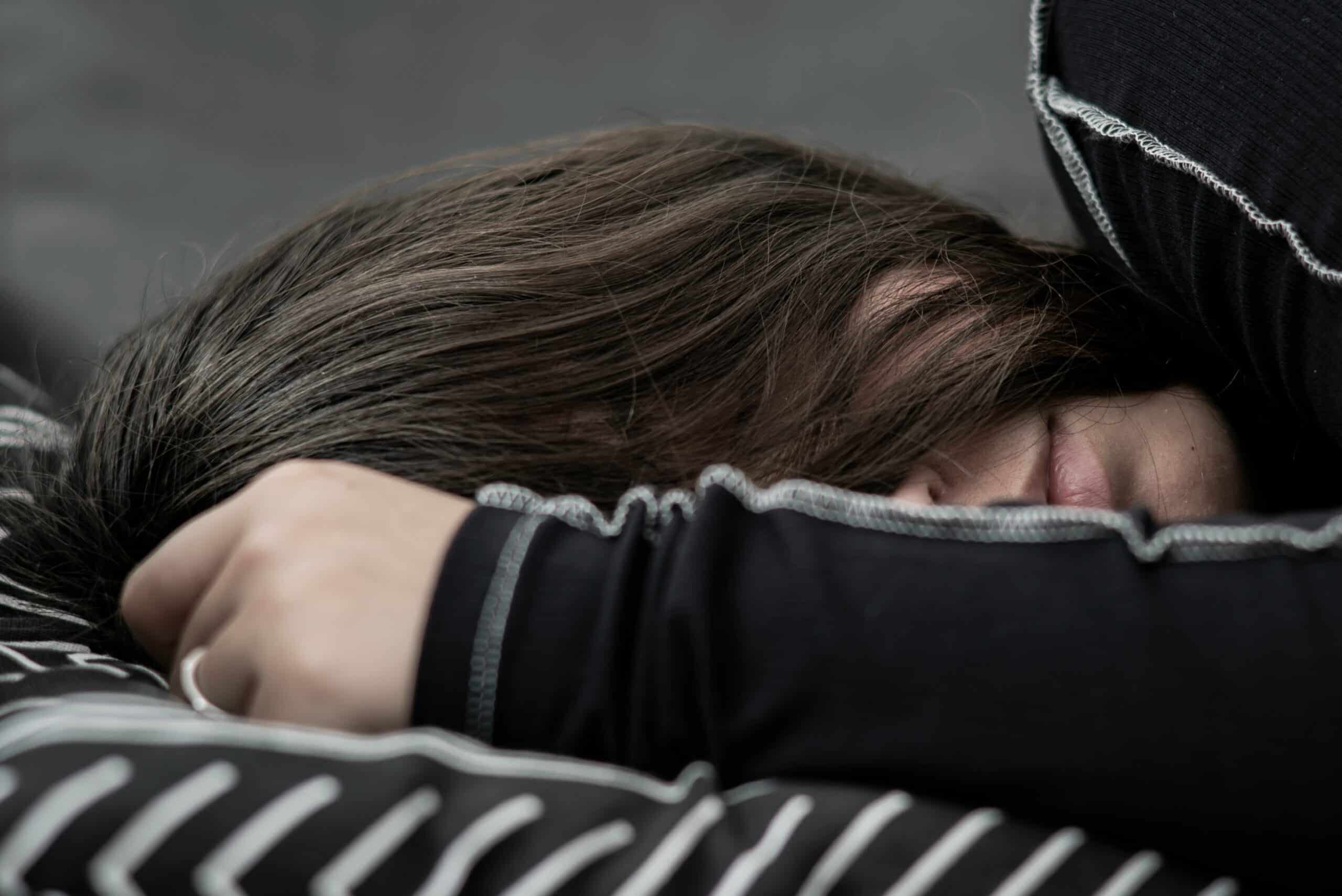
You’re drifting off, almost gone, and suddenly your whole body lurches. Maybe a leg kicks out, maybe your arm flails, maybe you feel like you’ve just stepped off a curb that wasn’t there. The sensation jolts you fully awake and leaves you wondering if something is wrong. For most people, this happens occasionally throughout life and means absolutely nothing pathological. The medical name is “hypnic jerk” or “sleep start,” and the experience is common enough that most adults have had at least one at some point.
The twitch happens because falling asleep isn’t a clean switch from awake to asleep. The brain transitions through several stages, with motor control systems and sensory systems winding down at slightly different rates. When the timing gets briefly out of sync, the result is sometimes a sudden muscle contraction that the still-awake parts of your brain interpret as falling, a flash of light, a loud sound, or just a generic startle. The dramatic sensations are byproducts of the brain trying to make sense of activity that doesn’t quite fit any normal pattern.
This article covers what’s actually happening in the nervous system during the hypnic jerk, why some people experience them more than others, the common triggers that increase their frequency, the sensory hallucinations that often accompany the muscle twitch, and when sleep starts to cross the line from normal variation into something that warrants medical evaluation.
Last updated: May 31 2026
Key Takeaways
- Hypnic jerks (also called sleep starts) are sudden muscle contractions that occur during the transition from wakefulness to sleep, affecting most people occasionally throughout life
- The mechanism involves brief desynchronization between motor and sensory systems as the brain transitions through sleep stages.
- Caffeine, stress, sleep deprivation, intense evening exercise, and irregular sleep schedules all increase frequency
- Hypnic jerks are normal and not a sleep disorder; if jerks happen during established sleep or cause significant sleep disruption, evaluation by a sleep specialist may be appropriate.
What’s Happening in the Body
Falling asleep is a transition, not a switch. As you drift off, the brain progresses through several distinct stages of consciousness. The motor control systems that keep your muscles active during waking hours gradually disengage. The sensory systems that process external input gradually quiet. The thinking parts of the brain slow their activity and start cycling toward the more disconnected patterns of sleep.
Most of the time, these systems wind down together. Motor control releases, sensory input fades, awareness drops, and you’re asleep without remembering the transition. Sometimes the timing breaks. Motor control briefly fires when sensory and conscious systems have already started shifting toward sleep. The result is a sudden muscle contraction in a body that’s otherwise becoming still.
The contraction can range from a small finger twitch to a whole-body lurch. Where it happens depends on which motor pathway is briefly activated. Legs are the most common location, followed by arms, with whole-body jerks less common but more memorable when they happen.
The reason hypnic jerks feel so dramatic isn’t just the contraction itself. The brain is in a transitional state where it’s trying to interpret what just happened, and the interpretation often takes on a sensory dimension. Common reports include the sensation of falling (the brain’s attempt to explain a sudden lurch), a flash of light or visual disturbance, a loud bang or other sound, and rarely a full hallucinatory image. These are normal byproducts of the brain operating in an unusual state, not signs of anything wrong.
Why the Falling Sensation
The falling sensation is one of the most reported aspects of hypnic jerks and has an interesting evolutionary explanation. As primates that spent significant time in trees, our ancestors faced real consequences from falling out of branches during sleep. The evolutionary speculation, supported but not proven by current research, is that the brain’s startle response to “falling” sensations was selected for because catching a slipping body in time mattered for survival.
The mechanism may work as follows. When the brain’s body-position monitoring system detects a sudden change (such as the muscle relaxation that precedes sleep), it briefly interprets the change as “you’re falling.” This triggers a protective response: muscle contraction to catch yourself, full alertness to assess the situation. The sequence has nothing to do with actual falling in your modern bedroom; it’s an ancient circuit firing in response to the muscle relaxation pattern that mimics the early stages of falling out of a tree.
This is speculation, not established science. But it explains why the falling sensation is so consistent across cultures, languages, and individual experiences. People in every documented society report some version of the same experience.
Other Sensory Phenomena
Beyond the falling sensation, hypnic jerks can come with several other sensory experiences:
Visual hallucinations. A flash of light, a brief image, or a fleeting scene. These are technically called “hypnagogic hallucinations” when they occur at sleep onset (versus “hypnopompic” at waking). They’re normal in the transitional state between waking and sleep and don’t indicate pathology unless they become elaborate, frequent, or are remembered as real events.
Auditory phenomena. A loud crack, bang, or other sound that seems to come from outside. When this happens repeatedly and dramatically without a corresponding muscle twitch, it’s called “exploding head syndrome” (an unfortunate name for a benign condition). The mechanism may involve the brain’s sound-processing system briefly misfiring during the sleep transition.
Tactile sensations. Tingling, pressure, or the feeling of being touched. Less common but reported.
Vertigo or spinning. The brain’s spatial orientation system briefly loses calibration during the transition.
All of these are normal byproducts of the transitional state. None individually indicates anything is wrong, though combinations of intense sensory phenomena occurring frequently can warrant evaluation.
What Makes Hypnic Jerks More Frequent
Sleep deprivation
The most consistently reported trigger. Going to bed substantially more tired than usual increases hypnic jerk frequency. The mechanism may relate to how aggressively the sleep transition proceeds when the body is desperate for sleep; faster transitions may produce more timing mismatches between motor and sensory systems.
Caffeine
Late-day caffeine raises overall nervous system arousal, which makes the sleep transition less smooth. People who consume substantial caffeine after early afternoon often notice more frequent or more dramatic hypnic jerks. Cutting caffeine to morning-only typically reduces the frequency within a week. If 3 AM waking is part of the pattern, our piece on why you wake up at 3 AM and what it means covers the cortisol and sleep architecture side of that experience.
Stress and anxiety
Elevated stress hormones during sleep onset disrupt the smooth transition. Cortisol, adrenaline, and the general state of hyper-arousal that comes with chronic stress all contribute to more frequent jerks. The relationship runs both ways: high stress causes more jerks, and frequent jerks during stressful periods can themselves become a source of sleep anxiety.
Intense evening exercise
Heavy exercise close to bedtime keeps the nervous system activated longer than usual. Strength training, intense cardio, or competitive sports shortly before bed often correlate with more frequent hypnic jerks. Light evening movement (walking, gentle stretching) doesn’t seem to have the same effect.
Irregular sleep schedule
Shift workers, frequent travelers, and people with inconsistent bedtimes report more hypnic jerks than people with stable schedules. The transition timing is harder for the brain to manage when the circadian system doesn’t know when sleep should happen.
Alcohol
Counter-intuitively, alcohol can either reduce or increase hypnic jerks depending on dose and timing. Light alcohol often suppresses them slightly (sedative effect, smoothing the transition). Heavier alcohol or alcohol that’s wearing off during the night can increase frequency in later sleep cycles.
Some medications
Stimulant medications (including some treatments for ADHD), certain antidepressants, and decongestants can increase hypnic jerk frequency. If a new sleep starts with a new medication, the connection may be real and worth discussing with the prescribing clinician.
Hypnic Jerks vs Other Sleep Movements
Several other phenomena involve movement during sleep but are mechanistically different from hypnic jerks:
Periodic limb movements of sleep (PLMS). Repetitive movements at regular intervals that occur throughout sleep rather than just at sleep onset. PLMS often coexists with restless legs syndrome and can fragment sleep. Different mechanism from hypnic jerks and may warrant evaluation. If repetitive leg movements are part of the picture, our explainer on what causes restless legs at night covers the related condition in more depth.
Sleep myoclonus. Brief muscle twitches that can occur during sleep, not just at onset. Usually benign, but can become frequent enough to warrant evaluation.
REM sleep behavior disorder. Acting out dreams during REM sleep, with sometimes complex movements. Different mechanisms and timing from hypnic jerks. Particularly important to recognize because it can be associated with neurodegenerative conditions in older adults.
Sleepwalking and complex sleep behaviors. Occur during deeper sleep stages, not the transition. Different timing and mechanism.
Epileptic seizures during sleep. Can mimic hypnic jerks but with key differences (longer duration, stereotyped pattern, post-event confusion, occurrence during established sleep rather than onset). Worth evaluating if suspected.
When Hypnic Jerks Become a Problem
The occasional hypnic jerk is normal and doesn’t require any intervention. Several patterns warrant attention:
The frequency that interferes with falling asleep
If hypnic jerks happen multiple times per sleep attempt, repeatedly waking you fully, the cumulative effect is sleep loss. Some people develop anxiety about hypnic jerks that itself makes them more likely, creating a self-reinforcing pattern. Addressing the underlying triggers (caffeine, stress, sleep schedule) usually breaks the cycle.
Anxiety about the experience
Some people find hypnic jerks frightening enough that they develop anticipatory anxiety about sleep onset. The anxiety makes the transition harder, which can increase jerk frequency, which increases anxiety. Cognitive reframing (understanding the experience is normal and harmless) often helps; for severe cases, brief behavioral therapy can break the cycle.
Sudden change in frequency or character
A long-standing pattern of occasional hypnic jerks doesn’t usually need attention. A sudden increase in frequency, intensity, or character of the movements may indicate other factors at work and is worth discussing with a clinician.
Jerks during established sleep, not just at onset
True hypnic jerks happen during the transition from wake to sleep, in the first few minutes of sleep onset. Movements during established sleep are a different phenomenon (PLMS, RBD, or other) and warrant separate evaluation.
Daytime symptoms
If hypnic jerks come with daytime symptoms like excessive sleepiness, memory problems, mood changes, or significant functional impairment, the underlying issue is probably broader than the jerks themselves and warrants medical evaluation.
What Tends to Help
Address the triggers
For most people, reducing caffeine in the morning, stabilizing sleep schedule, managing daytime stress, and avoiding intense evening exercise produce substantial improvement within a couple of weeks. These are also the foundations of generally good sleep hygiene.
Pre-sleep wind-down routine
A consistent pre-sleep routine (dim lights, no screens shortly before bed, calming activities) helps the nervous system transition more smoothly. The slower and more consistent the wind-down, the less likely the brain is to produce timing mismatches at the moment of sleep onset.
Cool bedroom temperature
The body’s natural temperature drop is part of the sleep transition. A cool bedroom (60-68°F) supports the transition; a hot bedroom fights against it. People with frequent hypnic jerks may find that a cooler bedroom helps simply by supporting smoother sleep onset overall.
Magnesium
Some people report fewer hypnic jerks with magnesium supplementation, particularly those with marginal dietary magnesium intake. Evidence is mixed, and the effect, when present, tends to be modest. Discuss with a clinician before starting supplements.
Don’t fight the jerk when it happens.
If a hypnic jerk wakes you, getting frustrated or anxious about it makes returning to sleep harder. Acknowledge it, breathe slowly, and return to whatever wind-down approach was working before. The jerk is over; the brain just needs to re-enter the transition.
When to See a Sleep Specialist
Several situations warrant evaluation rather than continued self-management:
- Hypnic jerks frequent enough to significantly delay sleep onset most nights
- Severe anxiety about the jerks that are disrupting sleep
- Sudden onset or significant increase in frequency without an obvious cause
- Jerks accompanied by other neurological symptoms (changes in cognition, mood, balance, or vision)
- Movements that happen during established sleep, not just at onset
- Acting out dreams with movement during the night (potential REM sleep behavior disorder)
- Daytime sleepiness, fatigue, or functional impairment
- Suspected sleep apnea, restless legs syndrome, or other coexisting sleep disorders
- Stereotyped, repetitive movements suggesting possible seizure activity
- Family history of neurological conditions and recent change in sleep movement patterns
Primary care evaluation is a reasonable first step. Sleep specialists, neurologists, and behavioral sleep medicine providers are appropriate for more complex cases.
Frequently Asked Questions
Why do some people get hypnic jerks more than others?
Individual variation in nervous system function, sleep architecture, and life patterns all contribute. Some people seem genetically predisposed to more frequent jerks. Others are responding to triggers (caffeine, stress, sleep deprivation) without realizing the connection. For most people, addressing identifiable triggers reduces frequency substantially.
Can I have a hypnic jerk without remembering it?
Yes. Many hypnic jerks happen without waking the person fully; only the more dramatic ones make it to conscious awareness. Bed partners sometimes report observing twitches that the sleeping person doesn’t remember. This is normal.
Are hypnic jerks related to dreams?
Hypnic jerks occur at sleep onset, before the brain reaches REM sleep, where most vivid dreaming happens. The sensory experiences accompanying hypnic jerks (falling sensation, flashes) are not dreams but rather the brain’s interpretation of the unusual neurological state during transition.
Do hypnic jerks get worse with age?
For most people, they decrease somewhat with age, possibly because sleep transitions become more gradual. New-onset frequent hypnic jerks in older adults, particularly with other neurological symptoms, warrant evaluation rather than being assumed to be normal aging.
Should I worry if my child has hypnic jerks?
Hypnic jerks in children are common and usually benign. Pediatric concern arises mainly when jerks are very frequent, accompanied by other neurological symptoms, or occur during established sleep. A pediatrician’s evaluation can differentiate normal sleep starts from other movement phenomena that need attention.
Related Reading
Explore more: falling asleep on couch not bed, and how to fall back asleep after waking up.
Recommended Reading
See also our guides to under desk footrests, and falling asleep on couch not bed.
