
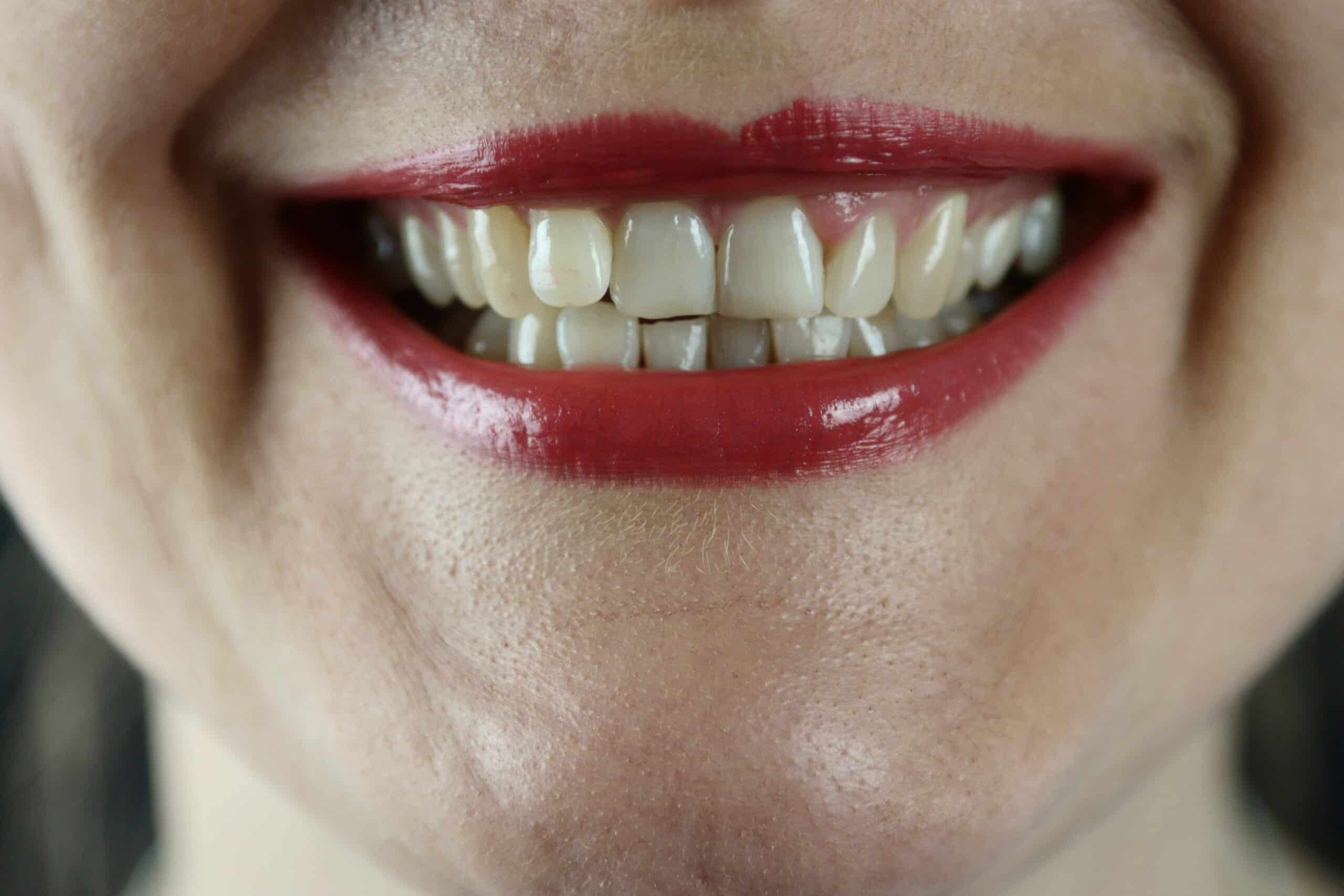
How to stop grinding your teeth at night starts with one fact most articles skip: a night guard does not stop bruxism. The guard protects your teeth from damage; the grinding keeps happening. Real reduction in nighttime grinding comes from addressing the underlying triggers, which include stress, anxiety, sleep apnea, certain medications, and sometimes structural jaw issues. For our current top picks, see the best night sweats solutions for better sleep guide.
Bruxism affects a meaningful share of adults during sleep, and most do not realize they are doing it. The damage shows up over months and years: cracked enamel, jaw pain, morning headaches, tooth sensitivity, and worn fillings. By the time the dentist points it out, the habit is well established. Catching it early saves teeth.
This guide covers what bruxism actually is, common drivers, the four-step approach to reducing it, and when the problem warrants professional evaluation rather than another night guard. I do not have bruxism myself, but have researched it extensively for the sleep medicine context, and what works comes down to consistent boring habits more than any single product.
Last updated: May 30 2026 | By Austin Murphy
This article is for informational purposes and is not medical or dental advice. Persistent grinding, jaw pain, or facial pain warrants evaluation by a dentist or healthcare provider.
Key Takeaways
- A night guard protects teeth from grinding damage; it does not stop the underlying grinding behavior.
- Most adult bruxism is associated with stress, sleep apnea, certain medications, or jaw misalignment.
- Catching bruxism early prevents cracked teeth, jaw pain, and chronic morning headaches.
- Persistent jaw pain, frequent morning headaches, or signs of sleep apnea (snoring, gasping) warrant medical evaluation.
What Bruxism Actually Is
Bruxism is defined by international consensus as a repetitive jaw-muscle activity characterized by clenching or grinding of the teeth, with both awake and sleep variants1. Sleep bruxism happens during sleep and is classified by the American Academy of Sleep Medicine as a sleep-related movement disorder2. Awake bruxism, often more closely tied to stress and anxiety, involves clenching during waking hours.
The mechanism matters because the treatment differs. Sleep bruxism often coexists with sleep-disordered breathing, particularly obstructive sleep apnea. Treating the apnea sometimes reduces the bruxism. Awake bruxism responds better to stress management, jaw awareness, and behavioral modification.
Severity ranges widely. Some people grind lightly and never show measurable wear. Others crack teeth, fracture crowns, and develop temporomandibular joint (TMJ) pain that affects eating and quality of life. The pattern usually waxes and wanes with stress and sleep quality.
Why You Grind Your Teeth at Night
The cleanest list of common drivers below is not exhaustive. Many people have more than one driver at once, which is why a single intervention rarely works.
Sleep-disordered breathing
Sleep apnea and other forms of disrupted nighttime breathing frequently coexist with sleep bruxism. The grinding may be the jaw’s response to upper airway obstruction. Snoring, gasping, witnessed apneas, daytime sleepiness despite adequate time in bed, and morning headaches are all signs that warrant sleep apnea evaluation.
Stress and anxiety
Daytime stress and anxiety are commonly associated with awake bruxism and are a frequent contributor to sleep bruxism as well. Periods of major life stress (job loss, divorce, illness, financial pressure) often produce a noticeable flare in grinding that subsides when the stress resolves.
Certain medications
Some medications are associated with bruxism, including selective serotonin reuptake inhibitors (SSRIs), some stimulants, and antipsychotics. If you started grinding after a medication change, mention it to your prescribing doctor; sometimes a dose adjustment or alternative medication resolves it.
Recreational substances
Caffeine, nicotine, alcohol, and recreational stimulants all worsen bruxism. The effect is dose-dependent and reversible. Cutting back is often the cheapest and fastest intervention worth trying.
Jaw misalignment or dental issues
Malocclusion (when upper and lower teeth do not fit together properly), high spots on fillings or crowns, and TMJ disorders can drive grinding. A dental exam usually catches these.
Signs You Might Be Grinding (Without Knowing)
Sleep bruxism happens during sleep, so most people learn about it from a partner, a dentist, or symptoms. The most common signs:
- Jaw soreness or stiffness on waking, especially in the temples or sides of the face
- Morning headaches, particularly in the temples
- Tooth pain or sensitivity that has no obvious cause
- Worn or flat-looking teeth, chipped enamel, or cracked teeth
- Indentations on the sides of the tongue or scalloped edges
- A clicking or popping jaw, a locked jaw, or pain when chewing
- A partner mentions grinding sounds at night
- Damaged or worn-down dental work (fillings, crowns)
A dentist can often diagnose bruxism from wear patterns alone. A definitive diagnosis of sleep bruxism uses polysomnography (a sleep study), though most cases are managed without one unless sleep apnea is also suspected.
Step 1: Get a Mouth Guard
A night guard does not stop bruxism, but it stops the damage from bruxism. This is the most important first move because tooth damage and TMJ wear accumulate every night the grinding goes unprotected.
Custom vs over-the-counter
Custom guards from a dentist run $300 to $800 and last 5 to 10 years with care. They fit precisely, do not affect bite, and protect the most reliably. Boil-and-bite guards from a pharmacy run $20 to $80 and last 6 to 18 months. They fit less precisely, can shift bite over time if used long-term, and tend to be bulkier. Both options protect teeth from damage; custom protects better.
The pragmatic move for most people: start with a boil-and-bite while you confirm you actually grind enough to need a guard long-term. If you find yourself reaching for it nightly and the grinding is clearly persistent, upgrade to a custom guard.
Upper or lower?
Either works for most people. Upper guards are more common because they are easier to fit, but lower guards may be more comfortable for people with strong gag reflexes or who breathe through their mouth.
Step 2: Address the Underlying Trigger
Step 1 stops the damage. The next move starts reducing the grinding itself. Pick the most likely driver based on the list above and address it specifically.
If sleep apnea is likely
Snoring, gasping, daytime exhaustion, morning headaches, or witnessed apneas warrant a sleep study. Treating sleep apnea (usually with CPAP or an oral appliance) often reduces sleep bruxism substantially. A sleep study is the gateway to insurance coverage for treatment and is non-negotiable here.
If stress and anxiety are the main drivers
The same techniques that help sleep-onset insomnia help anxiety-driven bruxism: scheduled wind-down, reduced evening screen time, cognitive techniques for rumination, and, in some cases, therapy or medication. If anxiety is severe enough to interfere with daily function, a primary care visit is the first step.
If a medication is started
Mention it to the prescribing doctor. Many bruxism-associated medications have alternatives or dose adjustments that resolve the grinding. Do not stop psychiatric or other prescription medications without medical guidance.
If recreational substances are the driver
Reducing caffeine (especially after noon), alcohol within 3 hours of bed, and nicotine often produces a visible reduction in grinding within 2 to 4 weeks. This is the fastest and cheapest intervention worth trying first.
Step 3: Build a Calming Pre-Sleep Routine
Daytime stress carries into nighttime grinding. A consistent wind-down routine reduces sympathetic arousal at the time it matters most. The principles are the same as standard sleep hygiene: dim lights 60 minutes before bed, no screens in bed, low-stimulation activity, and consistent timing.
For bruxism specifically, add a short jaw relaxation sequence to the routine. With your lips closed and teeth slightly apart, rest the tip of your tongue behind your upper front teeth. This is the natural resting position of the jaw. Hold it for 60 seconds. Repeat 3 times throughout the wind-down. The habit, built through repetition, carries into sleep.
Warm compresses on the jaw for 10 to 15 minutes before bed relax tight masseter muscles. Some people find magnesium supplementation supports muscle relaxation, though evidence is mixed. Talk to your doctor before adding any supplement, especially if you take other medications.
Step 4: Manage Jaw Tension During the Day
Awake bruxism feeds into sleep bruxism. People who clench during the day are more likely to grind at night. Daytime awareness is the cheapest intervention with no downside.
The “lips together, teeth apart” rule
Throughout the day, check your jaw. If your teeth are touching, separate them slightly. The natural resting position has lips closed and teeth NOT touching. Many people are surprised by how often they catch themselves clenching at the computer, in traffic, or during stressful conversations.
Phone reminders
Set 4 to 6 silent reminders on your phone for the first 2 weeks. Each reminder is a single word: “jaw.” When it buzzes, you check. By week 3, the awareness becomes a habit, and the reminders are no longer needed.
Avoid chewing gum and tough foods.
Frequent gum chewing fatigues the masseters and reinforces the clenching pattern. Tough or chewy foods (bagels, tough meats, hard candy) put repetitive load on the joint. Soft foods give the jaw a chance to rest, especially during flare-ups.
Heat and massage
A 10-minute warm compress to the jaw, plus light circular massage of the masseter and temporal muscles, releases accumulated tension. Do this once daily during flare-ups, less often during calmer periods.
What to Avoid
Some commonly suggested fixes do not work or backfire.
Over-the-counter “anti-grinding” patches and sprays
Most have no clinical evidence behind them. Some are caffeine-based, which can paradoxically worsen grinding by disrupting sleep. Money better spent on a basic mouth guard.
Alcohol as a stress reducer at bedtime
Alcohol fragments the second half of sleep, increases sleep-disordered breathing, and is associated with worse bruxism, not less. People who drink heavily and stop almost always notice their grinding decreases.
Sleeping on your back without checking for snoring
Back sleeping worsens sleep apnea for many people. If you grind and you also snore on your back, side sleeping may help temporarily, but the underlying breathing issue still needs evaluation.
Ignoring it because “everyone grinds a little.”
Light occasional grinding may not cause damage. Persistent grinding that produces symptoms (jaw pain, headaches, tooth wear) is not a phase to wait out. Tooth damage does not reverse on its own; protecting the teeth is the priority.
Active vs Preventive: What Night Guards Do and Don’t Do
A night guard is a passive protective device. It prevents the consequences of grinding but does not address the cause. Many people get a guard, stop thinking about bruxism, and continue grinding for years. The damage to teeth is prevented, but the underlying issue (sleep apnea, anxiety, medications, jaw misalignment) keeps going.
This matters because some underlying causes are themselves serious. Untreated sleep apnea raises cardiovascular risk substantially over the years. Anxiety left unaddressed reduces quality of life and is treatable. A guard is a first move, not a final solution, especially when the grinding is heavy or accompanied by sleep apnea signs.
For people whose only symptom is mild wear and no other issues, a guard plus daytime jaw awareness may be all that is needed. When headaches, jaw pain, snoring, or daytime exhaustion are present, a guard is the bridge while the underlying issue gets evaluated.
When to See Your Doctor or Dentist
Some patterns warrant professional evaluation rather than continued self-management:
- Jaw pain that interferes with eating, talking, or daily functioning
- Frequent morning headaches, especially in the temples
- Snoring with gasping, witnessed apneas, or daytime exhaustion (rule out sleep apnea)
- Visible tooth wear, chipping, or cracked teeth at the dental check-up
- Locked jaw, persistent clicking or popping, or jaw shifting during chewing
- New grinding that started after a medication change
- Tooth pain or sensitivity that does not have an obvious cause
- Earaches without ear infection (often referred pain from TMJ)
- Facial pain that radiates to the neck or shoulders
- Severe stress or anxiety affecting daily function
- Grinding in children that persists past the early teeth years (pediatric dental evaluation)
- Any pattern that has worsened over the past 3 to 6 months
A dental visit is the most common starting point and rules out structural causes. The dentist may refer to a sleep medicine provider if sleep apnea is suspected, or to a TMJ specialist if joint pain is prominent. See the best pillows for TMJ roundup for pillow options that reduce jaw strain in side sleepers.
Frequently Asked Questions
Can grinding teeth at night go away on its own?
Sometimes, yes, especially when the driver is under temporary stress or is on a medication that gets changed. Persistent grinding lasting more than a few months usually has a stable driver (sleep apnea, ongoing anxiety, medication) and needs intervention. Continued grinding without protection produces ongoing tooth damage.
Do over-the-counter mouth guards work?
For protecting teeth from damage, yes. Boil-and-bite guards from a pharmacy work for most people for 6 to 18 months. They fit less precisely than custom guards and tend to be bulkier, but they protect teeth at a fraction of the cost. Upgrade to a custom guard if you grind heavily, find the OTC guard uncomfortable, or use it nightly long-term.
Does stress really cause teeth grinding?
Stress and anxiety are commonly associated with both awake and sleep bruxism. The mechanism is not fully understood, but the pattern is well-documented across studies and clinical observation. Reducing stress reliably reduces grinding for many people, though not all.
Can children grow out of grinding?
Most do. Bruxism is common in young children, especially during the eruption of baby teeth and the transition to adult teeth. It typically resolves by adolescence. Persistent grinding past the early teen years warrants pediatric dental evaluation.
What does a sleep study cost, and is it worth it?
In-lab sleep studies typically cost $1,000 to $3,000 before insurance; many insurance plans cover them when sleep apnea is suspected. Home sleep tests are cheaper ($150 to $500) and are an option for adults with high pretest probability of moderate-to-severe apnea. If you have signs of apnea alongside grinding, the study is usually worth pursuing because untreated apnea carries cardiovascular risk over the years.
Does coffee or alcohol make grinding worse?
Both can. Caffeine in the afternoon raises evening alertness in many people, fragmenting sleep and worsening grinding. Alcohol fragments the second half of sleep, increases sleep-disordered breathing, and is associated with worse grinding in most people. Cutting back on either often produces a visible reduction within 2 to 4 weeks.
Should I use a soft or hard night guard?
Soft guards are more comfortable but wear through faster, especially with heavy grinding. Hard acrylic guards last longer and protect better against heavy grinders, but they take more getting used to. Dual-laminate guards (hard outside, softer inside) are a common compromise. Your dentist can recommend a guard type based on your grinding severity.
How long until I see improvement after addressing the underlying cause?
Reducing caffeine and alcohol often shows results within 2 to 4 weeks. Treating sleep apnea typically reduces grinding within 1 to 3 months of consistent CPAP or oral appliance use. Anxiety-related bruxism follows the anxiety trajectory; if therapy or medication helps the anxiety, the grinding usually follows within months.
Related Reading
Explore more: stop tossing and turning, how to sleep better on night shift, stop overthinking at night, how to stop waking up at 3am, night sweats solutions for better sleep, how naps affect night sleep, Waking Up with a Sore Jaw? Why You Grind Your Teeth at Night, and restless legs at night.
Recommended Reading
See also our guides to stop overthinking at night, stop tossing and turning, and why do i grind my teeth at night.
Sources
- Lobbezoo F, Ahlberg J, Raphael KG, et al. International consensus on the assessment of bruxism: Report of a work in progress. J Oral Rehabil. 2018;45(11):837-844. View source
- American Academy of Sleep Medicine. International Classification of Sleep Disorders, Third Edition Text Revision. AASM; 2023. View source
