
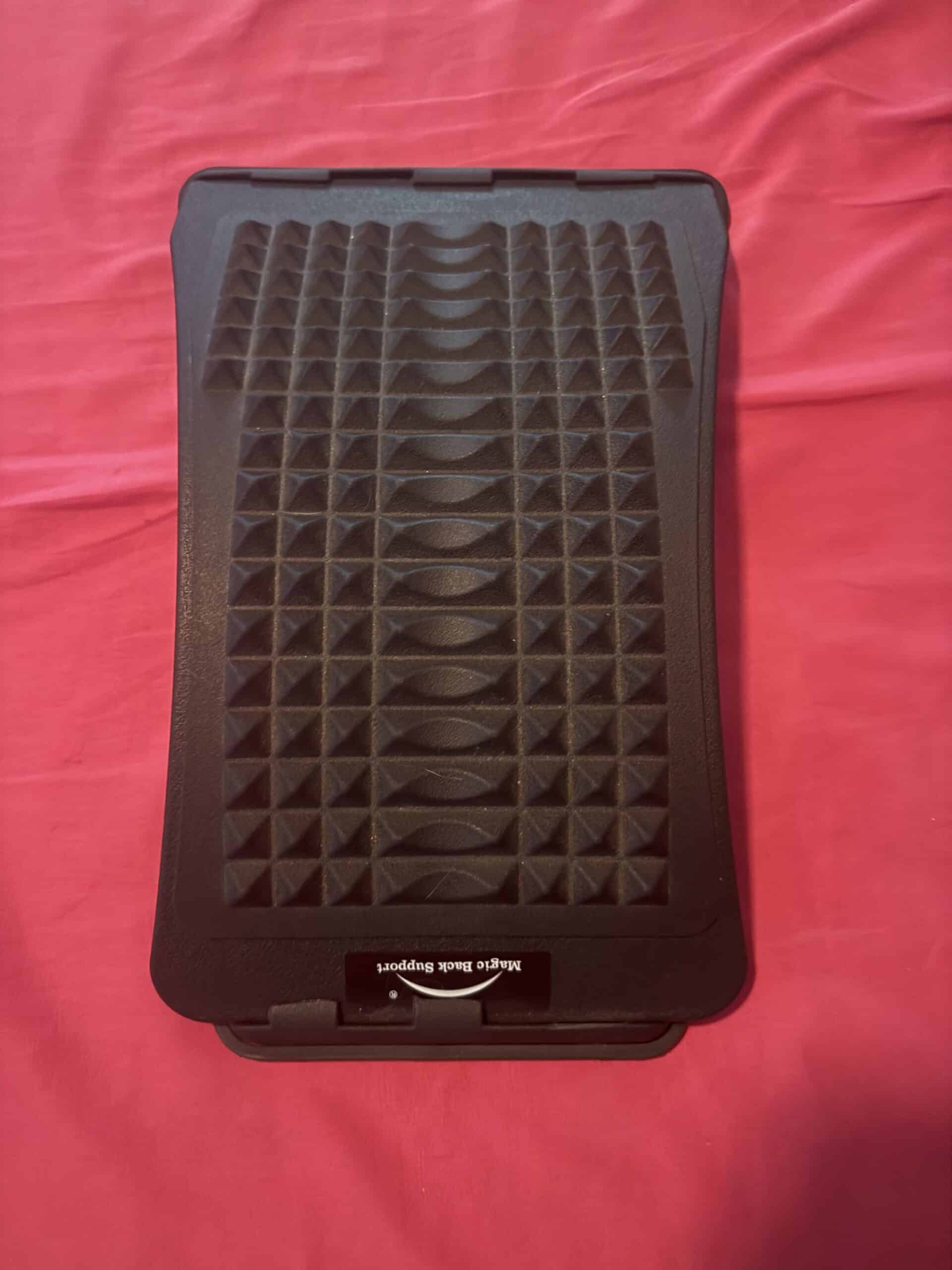
Waking up with a stiff back is common and usually comes down to how you sleep, your mattress, and inactivity overnight, though persistent or severe stiffness can point to something that needs a doctor. Understanding the usual causes helps you tell everyday morning stiffness from a sign worth checking. This guide walks through the common reasons and what tends to help, as general information rather than medical advice. For related help, see our guides on the best sleep positions for back pain and the best mattresses for back pain.
Quick Answer
Your back usually feels stiff in the morning because you stay still overnight, your sleep position strains the back, or your mattress no longer supports your spine. Gentle morning movement, a supportive mattress and pillow, and a spine-neutral sleep position tend to help. See a doctor if the stiffness is severe, persistent, worsening, or comes with symptoms like leg pain or numbness.
Key Takeaways
- Morning back stiffness usually comes from overnight inactivity, sleep position, or an unsupportive mattress.
- Gentle morning movement and stretching help loosen a stiff back.
- A supportive mattress, the right pillow, and a spine-neutral position can reduce stiffness.
- Daytime posture, age, and muscle tension can also contribute.
- See a doctor if stiffness is severe, persistent, worsening, or paired with other symptoms.
Everyday Causes of Morning Back Stiffness
Most morning stiffness comes from ordinary factors tied to sleep and overnight inactivity. These are the usual suspects.
Staying still overnight
During sleep you stay relatively still for hours, so the muscles and joints of the back can stiffen and fluid movement slows, leaving you stiff on waking. This is why gentle morning movement often loosens things up. A short stretch or walk after getting up helps get things moving again.
Your sleep position
Some sleep positions strain the back more than others, and poor spinal alignment overnight can leave you stiff. Sleeping in a position that keeps the spine neutral, sometimes with a pillow between or under the knees, can reduce morning stiffness. Our guide on {L(‘best-sleep-positions-for-back-pain’,’sleep positions for back pain’)} covers this in detail.
An unsupportive or worn mattress
A mattress that is too soft, too firm, or worn out can fail to support the spine, contributing to morning stiffness and aches. If your mattress sags or is old, it may be part of the problem. The right mattress and sometimes a supportive topper can make a real difference.
Other Factors That Contribute
Beyond sleep itself, a few other factors can leave your back stiff in the morning.
Daytime inactivity or posture
Long hours sitting, especially with poor posture, can leave the back tight, and that tightness is often most noticeable in the morning. Moving regularly during the day and supporting your posture helps. Desk setups and posture support can play a role here.
Lack of overnight movement with age
As people get older, joints and muscles can feel stiffer after periods of rest, including overnight, which is a common and usually harmless part of aging. Gentle regular movement and stretching help keep things mobile. Persistent or worsening stiffness, though, is worth mentioning to a doctor.
Muscle tension and stress
Tension carried in the back muscles, sometimes linked to stress, can leave you stiff on waking. Relaxation before bed and gentle stretching can ease this. If tension and pain are ongoing, a professional can help identify the cause.
What Tends to Help, and When to See a Doctor
Simple changes ease most everyday morning stiffness, but some signs mean it is time to seek professional advice.
Gentle morning movement and stretching
Light stretching or a short walk after getting up helps loosen a stiff back by getting the muscles and joints moving. Easing into movement rather than jumping straight into activity is gentler. Many people find a simple morning routine reduces the stiffness over time.
Improving your sleep setup
A supportive mattress, the right pillow, and a spine-neutral sleep position can all reduce morning stiffness, and a mattress topper can help an unsupportive bed. Addressing the sleep surface often makes a noticeable difference. Our {L(‘best-mattresses-for-back-pain’,’mattresses for back pain’)} guide can help.
When to see a doctor
See a doctor if your back stiffness is severe, persistent, getting worse, lasts well beyond the morning, or comes with other symptoms like pain radiating down a leg, numbness, or unexplained weight loss. Morning stiffness that does not ease, or that disrupts your life, deserves professional assessment. This article is general information, not a diagnosis.
Most morning back stiffness is everyday and eases with movement and a better sleep setup, but stiffness that is severe, persistent, or paired with other symptoms should be checked by a healthcare professional.
Recommended Reading
- Best Sleep Positions for Back Pain
- Best Mattresses for Back Pain
- How to Sleep with Lower Back Pain
- Best Mattress Toppers for Back Pain
Frequently Asked Questions About Morning Back Stiffness
Why is my back so stiff when I wake up?
Morning back stiffness usually comes from staying still overnight, your sleep position, or an unsupportive mattress, and it often eases with gentle movement. Persistent or severe stiffness, or stiffness with other symptoms, is worth discussing with a doctor.
Does my mattress cause morning back stiffness?
A mattress that is too soft, too firm, or worn out can fail to support the spine and contribute to morning stiffness. If your mattress sags or is old, it may be part of the problem, and a supportive mattress or topper can help.
How do I stop waking up with a stiff back?
Gentle morning stretching, a supportive mattress and pillow, a spine-neutral sleep position, and staying active during the day all tend to help. If stiffness persists despite these changes, it is worth seeing a professional.
Is it normal to feel stiff in the back every morning?
Some morning stiffness is common, especially from inactivity overnight or with age, and usually eases with movement. Stiffness that is severe, persistent, worsening, or paired with other symptoms is not something to ignore and should be checked.
What sleep position is best for a stiff back?
A position that keeps the spine neutral tends to help, and many people find sleeping on their side with a pillow between the knees, or on their back with support under the knees, reduces morning stiffness. The best position varies by person.
Does stretching help morning back stiffness?
Gentle stretching and light movement after getting up help loosen a stiff back by getting the muscles and joints moving. Easing into movement rather than sudden activity is best, and a regular routine can reduce stiffness over time.
When should I worry about morning back stiffness?
See a doctor if the stiffness is severe, persistent, worsening, lasts well beyond the morning, or comes with symptoms like pain radiating down a leg, numbness, or unexplained weight loss. These can signal something that needs assessment.
Morning stiffness connects to how you sleep. relieving pain overnight covers positioning.
