
To set up a cooling sleep environment, tackle heat from every angle at once: block the sun, cool the mattress surface, move air, and keep the room dark and dry. I live in the desert and I like my sleep as cool as possible, so this is something I have worked out through necessity. My setup layers a cooling topper over a mattress that runs hot, thick blackout curtains against the sun, and fans for moving air, and together they turn a hot room into a sleepable one.
A Quick Note
This covers comfort and room setup for sleeping cooler, based on my own experience in a hot climate. It is about environment, not a medical guide. If you regularly overheat at night in a way that worries you, that is worth raising with a doctor.
Key Takeaways
- Attack heat from several angles at once, not just one.
- A cooling topper makes a hot mattress sleepable.
- Blackout curtains block both sun and the heat it brings.
- Fans move air and make a room feel cooler.
- Dark, dry, and moving air all help you sleep cooler.
My Cooling Setup in the Desert
I live in the desert and I like to sleep as cool as I possibly can, so keeping the bedroom cool is not optional for me. Over time I have built a setup that handles heat from a few directions at once, because in a hot climate no single fix is enough on its own.
The core of it is a cooling topper over my mattress, thick blackout curtains that stay up year round, and fans moving air in the room. Each piece handles a different part of the heat problem, and together they let me sleep cool even when the climate outside is working against me. That layered approach is the main lesson: cooling a sleep space is about stacking several fixes, not finding one magic product. A desert bedroom setup covers the fuller picture.
Cool the Mattress Surface
The bed itself is where you feel heat most directly, so it is worth fixing first. My mattress runs hot, and rather than replace a mattress I like for its support, I put a cooling topper over it. That added a layer that sleeps cooler on top of a bed I wanted to keep, and it made the single biggest difference to how hot the bed feels through the night.
A cooling topper or pad is the most direct way to address a mattress that traps heat. It sits between you and the warm mattress and sleeps cooler against your body. For anyone whose bed feels hot, this is the first place I would spend, because it targets the heat right where you lie. Cooling mattress pads and toppers for hot sleepers cover the options.
Block the Sun
A room bakes during the day if the sun pours in, and it carries that heat into the night. I run thick blackout curtains year round, and blocking the sun is as much of the reason as blocking light. Drawn against the desert sun, they keep the room from heating up in the first place, which means it starts the night cooler.
Blocking solar heat is prevention, and it is easier than cooling a room that has already baked. Thick curtains drawn during the hottest, sunniest part of the day stop much of the heat that would otherwise build. In a hot, sunny climate this matters a lot; even elsewhere it helps keep a bedroom cooler for sleep. Blackout curtains and the gear for a hot-running mattress cover this side.
Move the Air
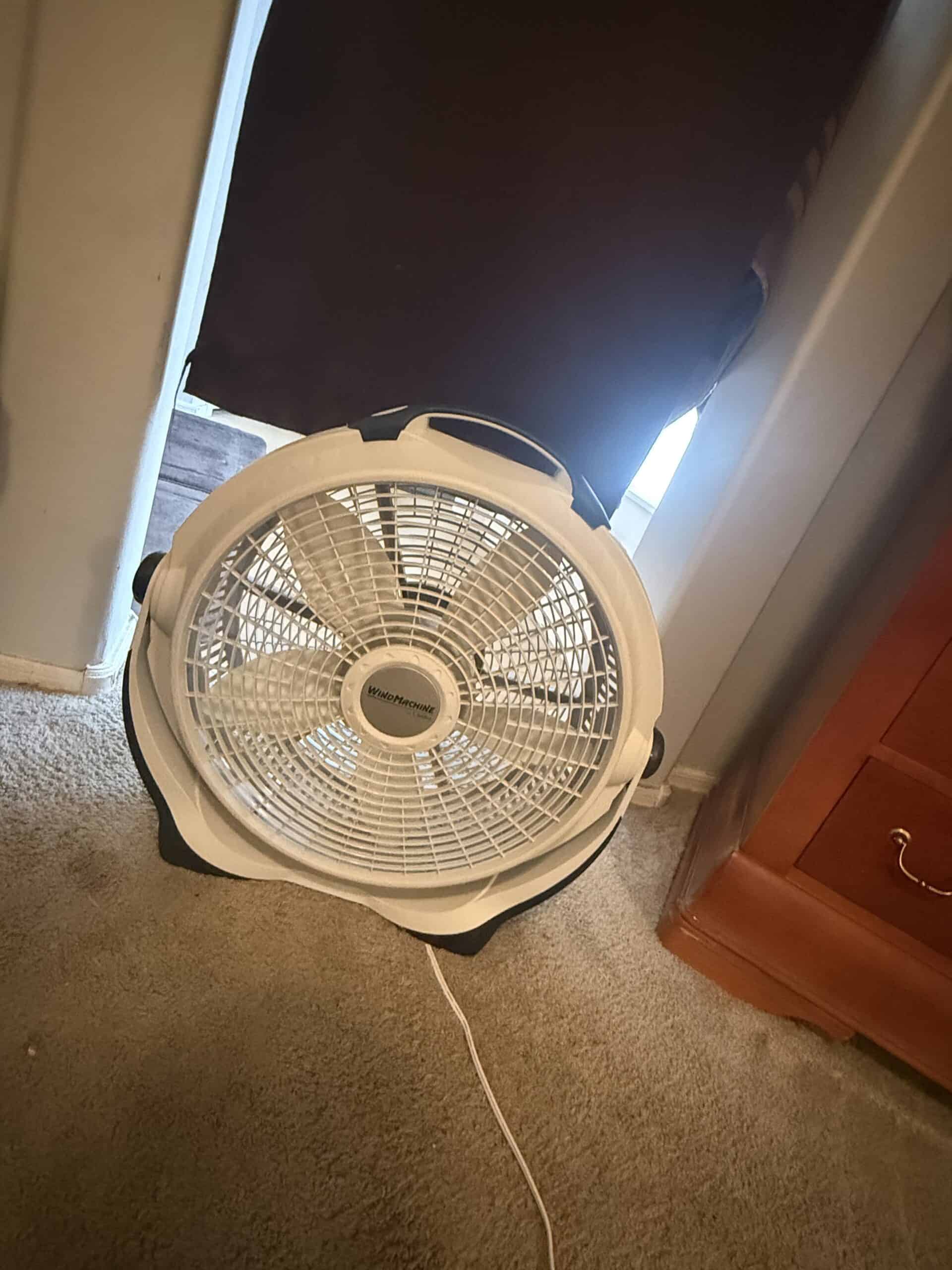
Still air feels hotter than moving air, so I use fans to keep air circulating in the room. Moving air helps carry heat away from your body and makes the whole room feel cooler than the temperature alone suggests. For me, fans are a simple, low-cost part of sleeping cool, and they run every night.
A fan is one of the easiest cooling additions there is. It does not lower the room’s temperature the way air conditioning does, but the air movement across your skin makes a real difference to how cool you feel, which is what matters for sleep. Combined with a cool surface and a dark room, moving air rounds out the setup. It is the piece I would not skip.
Keep It Dark and Dry
Beyond the big three, the room’s overall conditions matter. Dark helps, which the blackout curtains already handle, since a dark room is a cooler room and better for sleep generally. Keeping humidity in check helps too, because damp air feels warmer and stickier, though in the dry desert this is less of an issue for me than it would be in a humid place. In a muggy climate, managing moisture is a bigger part of feeling cool.
The point is that cooling a sleep space is about the whole environment, not one gadget. Dark, dry, moving air, and a cool surface each contribute, and stacking them is what gets a room genuinely comfortable to sleep in when it is hot. Bedroom dehumidifiers cover the humidity side for those who need it.
Putting the Setup Together
If you want to sleep cooler, layer the fixes the way the heat comes at you. Start with the mattress surface, since that is where you feel heat most, with a cooling topper or pad. Block the sun with thick curtains so the room does not bake during the day. Add fans to keep air moving. Keep the room dark, and manage humidity if your climate is damp. No single one of these fully solves it, but together they turn a hot room into one you can actually sleep in, which is exactly what they do for me in the desert. Build the setup in layers and adjust to your own climate. Cooling sheets add another layer against the skin.
Recommended Reading
Worth reading next: a desert bedroom setup, cooling mattress pads, blackout curtains, and cooling sheets.
How to Set Up a Cooling Sleep Environment FAQ
How do I set up a cooling sleep environment?
Attack heat from several angles at once. Cool the mattress surface with a topper or pad, block the sun with thick curtains, move air with fans, and keep the room dark and, if your climate is humid, dry. No single fix is enough; layering them is what makes a room sleepable in the heat.
What is the most important part?
The mattress surface, since that is where you feel heat most directly. A cooling topper or pad over a hot mattress made the biggest difference in my setup. If your bed feels hot, that is the first place to address before adding curtains, fans, and the rest.
Do blackout curtains really help keep a room cool?
Yes, especially against sun-driven heat. Drawn during the hottest part of the day, thick curtains stop much of the heat that would otherwise build in the room, so it starts the night cooler. Blocking solar heat is easier than cooling a room that has already baked.
Do fans actually cool a room?
A fan does not lower the room’s temperature the way air conditioning does, but moving air carries heat away from your body and makes you feel cooler, which is what matters for sleep. In my setup, fans run every night as a simple, low-cost part of sleeping cool.
Do I need a cooling topper if my mattress is fine?
If your mattress does not sleep hot, a topper is less essential, though a cooling pad can still help you feel cooler. The topper matters most for a mattress that traps heat, like mine, where it adds a cooler layer between you and the warm surface.
Does humidity affect how cool I feel?
Yes. Damp air feels warmer and stickier, so managing humidity helps you feel cooler in a muggy climate. In the dry desert this matters less to me, but in a humid place, controlling moisture is a bigger part of a cooling sleep setup than it is for me.
What is the cheapest way to sleep cooler?
Fans and blackout curtains are the low-cost pieces, moving air and blocking solar heat for little money. A cooling topper or pad costs more but targets the bed directly. Starting with fans and curtains, then adding a cooling surface if the bed runs hot, spreads the cost sensibly.
More in this guide: how to cool a bedroom for better sleep.
Desert heat changes what a setup has to handle. Setups built for hot climates covers the harder cases.
