
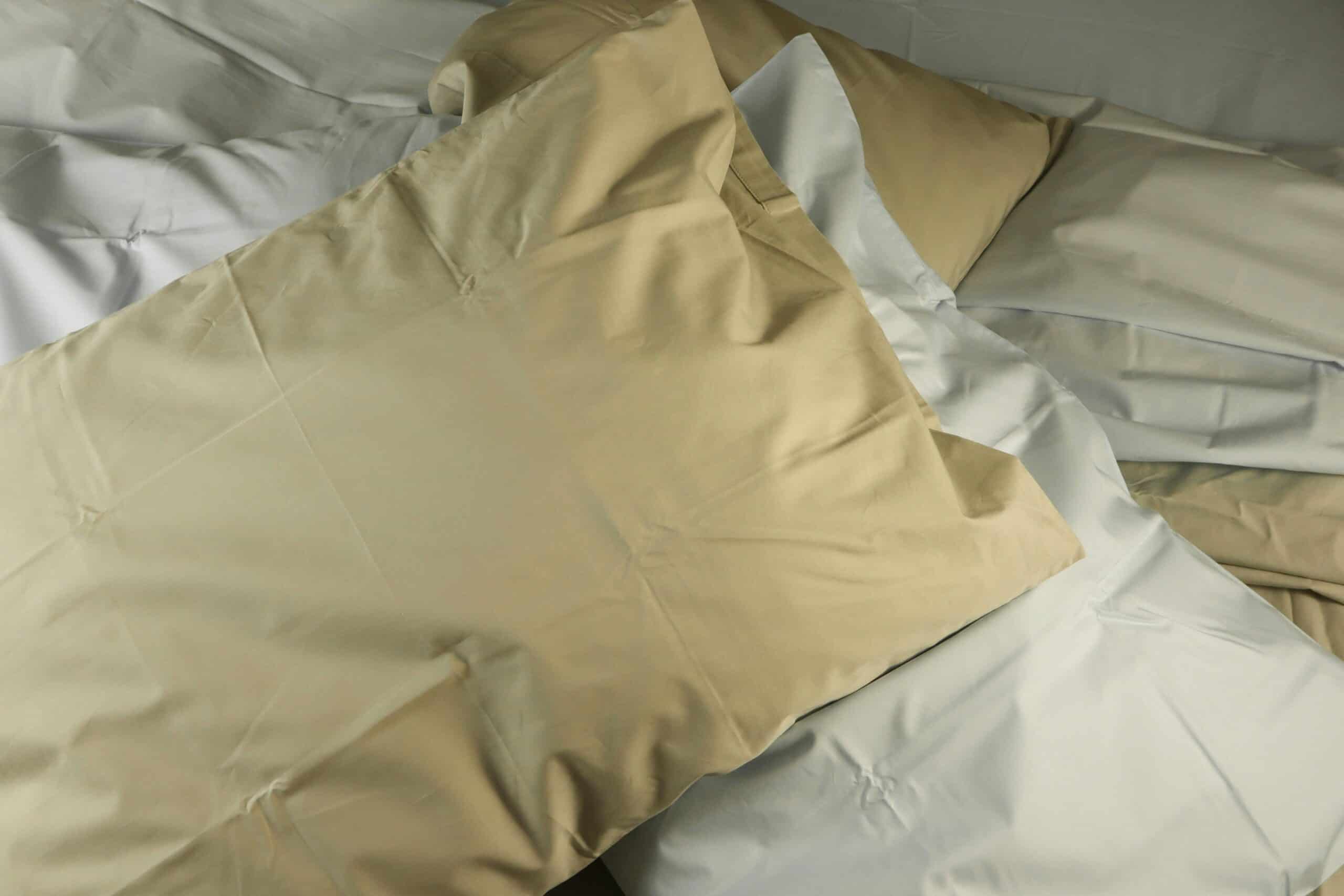
For our current top picks, see the best pillow sprays for sleep guide. To fluff a pillow, knead and punch it by hand to redistribute the fill, tumble it in the dryer with dryer balls to break up clumps, and air it out to restore loft and freshness. A flat, lumpy pillow drags down your sleep, but most pillows have more life in them than you think once you learn how to fluff a pillow properly. Different pillow types respond differently, and a truly worn-out pillow is past saving, but regular fluffing keeps a good pillow supportive far longer. Matching the right pillow to your sleep style matters too, as our side-sleeper pillow guide shows. This guide covers the methods, the pillow types, and when to fluff versus replace.
Quick Verdict
To fluff a pillow, knead and punch it by hand to redistribute the fill, tumble it in the dryer on low or air with a couple of dryer balls or clean tennis balls to break up clumps, and air it out to freshen it and restore loft. Do this regularly to keep support and comfort. If a pillow no longer springs back after fluffing, it is worn out and needs replacing rather than reviving.
Why Trust This Guide
Independent guidance, reader-supported through affiliate links at no cost to you. The notes draw on pillow-ergonomics and sleep sources cited in Sources, and describe general care rather than any single brand’s claims.
Key Takeaways
- Hand-fluffing redistributes the fill and restores shape quickly.
- A dryer tumble with dryer balls breaks up clumps and revives loft.
- Airing a pillow out freshens it and helps it regain fullness.
- Different fills respond differently, so fluff to suit the pillow type.
- If a pillow no longer springs back, it is worn out and should be replaced.
How We Researched This
This guide reflects pillow-ergonomics research by Gordon and colleagues on how pillow loft and support affect comfort during sleep, alongside general bedding-care practice. Because a supportive pillow helps keep the neck in a neutral position, restoring loft through fluffing supports comfortable sleep. A pillow that cannot be revived should be replaced.
How to Fluff a Pillow Step by Step
Follow these steps in order.
- Knead and punch the pillow by hand to loosen and redistribute the fill.
- Add it to the dryer with a couple of dryer balls or clean tennis balls.
- Run a low-heat or air-fluff cycle, checking the care label first.
- Make sure the pillow comes out completely dry to avoid clumping or mildew.
- Air it out in a well-ventilated spot to freshen it and restore full loft.
Why Does Fluffing a Pillow Matter?
Over time, the fill in a pillow compresses and clumps, so the pillow goes flat and loses the loft that supports your head and neck. Fluffing redistributes that fill and reintroduces air, restoring the height and support the pillow had when newer. Done regularly, it keeps a good pillow comfortable and extends its useful life.
Loft Is Support
As the Sleep Foundation notes, the loft of a pillow, its fullness and height, is what keeps your neck aligned through the night. A flattened pillow lets your head drop, which can leave you stiff, so maintaining loft through fluffing is about comfort and support, not just appearance.
Fluff It by Hand
The quickest method needs nothing but your hands and takes seconds.
Knead and Punch
Grab the pillow at both ends and push them together and apart, then knead it like dough and give the sides a few punches to loosen and redistribute the fill. Plumping it from several directions breaks up packed-down spots and restores its shape. A quick hand-fluff each morning keeps a pillow fuller day to day.
Tumble It in the Dryer
For a deeper fluff, the dryer does excellent work on many pillows.
Use Dryer Balls and Low Heat
Place the pillow in the dryer with a couple of wool dryer balls or clean tennis balls, which bounce around and break up clumped fill as it tumbles. Use a low-heat or air-fluff setting, since high heat can damage some fills, and check the care label first. This restores loft that hand-fluffing alone cannot reach.
Make Sure It Dries Fully
If the pillow got damp or you washed it, ensure it comes out completely dry, since leftover moisture leads to clumping and can cause mildew. Run extra time with the dryer balls until the pillow is uniformly light and dry.
Air It Out
Fresh air revives a pillow and helps it regain fullness.
Let It Breathe
Set the pillow out in a well-ventilated spot, or in fresh air and gentle sun where appropriate, for a while to air out moisture and odors and let the fill expand. Airing a pillow regularly keeps it fresher and helps maintain its loft between deeper fluffs.
Fluffing Different Pillow Types
The right approach depends on what is inside the pillow.
Down and Feather
These fluff beautifully by hand and in the dryer, since the fill is loose and resilient. Regular hand-plumping and an occasional low-heat dryer tumble with dryer balls keep down and feather pillows full and lofty.
Polyester and Down Alternative
Synthetic fills clump over time but respond well to a dryer tumble with dryer balls to break up the clumps, plus hand-fluffing. They benefit most from regular maintenance, since they pack down faster than down. See our down alternative pillows guide.
Memory Foam and Latex
Solid foam and latex pillows do not have loose fill to redistribute, so they are not fluffed the same way. Instead, air them out to freshen them and let them recover their shape, and avoid machine drying them, which can damage the foam. Our guides to memory foam and latex pillows cover their care.
Fluffing a Pillow After Washing
Washing tends to clump fill, so fluffing afterward is essential to restore loft.
Dry and Fluff Together
If your pillow is washable, follow the care label, covered in our guide on how to wash pillows without ruining them, then dry it thoroughly with a couple of dryer balls or clean tennis balls on a low or air setting to break up the wet, clumped fill as it dries. Stopping while the pillow is still damp leaves it lumpy and risks mildew, so run it until it is completely dry and lofty again.
Daily Habits That Keep a Pillow Full
Small routines keep a pillow fuller between deeper fluffs.
Plump It Daily
A quick hand-plump when you make the bed redistributes the fill before it packs down, keeping the pillow fuller day to day. Rotating or flipping the pillow also spreads wear so one area does not flatten faster than the rest.
Protect and Unburden It
Using a pillow protector keeps oils and moisture out of the fill, which helps it stay resilient, and avoiding piling heavy bedding or items on your pillows prevents them from being crushed flat. These habits extend how long fluffing keeps working.
When Fluffing Will Not Help
Sometimes a pillow is simply done.
The Spring-Back Test
Fold the pillow in half and let go. If it springs back open, it still has life and fluffing will help; if it stays folded or no longer regains loft after fluffing, the fill has broken down and the pillow needs replacing. No amount of fluffing rebuilds worn-out fill, so at that point a new pillow is the answer. Choosing the right one for how you sleep, per our sleep-position guide and side-sleeper picks, helps. Our neck-support pillow guide can help you choose.
Common Pillow Mistakes to Avoid
A few errors undo your fluffing or harm the pillow.
Using High Heat on the Wrong Fill
High dryer heat can damage some fills and foam pillows. Always check the care label, use low or air settings, and never machine dry memory foam or latex, which the heat can ruin.
Leaving a Pillow Damp
A pillow that goes back on the bed while still damp clumps and can develop mildew. Make sure it is completely dry after any wash or dryer cycle before using it again.
Trying to Revive a Worn-Out Pillow
Fluffing cannot fix fill that has fully broken down. If a pillow fails the spring-back test or leaves you waking stiff even after fluffing, replace it rather than fighting a losing battle.
Recommended Reading
- The best latex pillows
- Memory foam pillows
- Pillows for neck pain
- How to choose a pillow for side sleepers
Fluffing a Pillow FAQ
How do I fluff a pillow?
Knead and punch it by hand to redistribute the fill, tumble it in the dryer on low or air with a couple of dryer balls or clean tennis balls to break up clumps, and air it out to restore loft and freshness. Doing this regularly keeps a pillow full and supportive.
Can I fluff a pillow in the dryer?
Yes, for many pillows. Add a couple of wool dryer balls or clean tennis balls and use a low-heat or air-fluff setting to break up clumped fill, checking the care label first. Do not machine dry memory foam or latex pillows, which the heat can damage.
How often should I fluff my pillow?
A quick hand-fluff each day keeps a pillow fuller, while a deeper dryer tumble and airing out every so often restores loft. Regular fluffing maintains support and freshness and extends a good pillow’s life, so make a brief daily plump part of making the bed.
How do I fluff a memory foam pillow?
Memory foam has no loose fill to redistribute, so do not fluff or machine dry it the way you would a down pillow. Instead, air it out in a ventilated spot to freshen it and let it recover its shape. Solid foam regains its form on its own once unweighted.
Why is my pillow always flat?
Pillows flatten as the fill compresses and clumps with use. Regular fluffing by hand and in the dryer restores loft, but if a pillow stays flat even after fluffing and fails the spring-back test, the fill has worn out and the pillow needs replacing.
Does putting a pillow in the sun help?
Airing a pillow in fresh air, and gentle sun where appropriate, helps drive off moisture and odors and lets the fill expand, which freshens it and supports loft. Check the care label, since prolonged direct sun is not ideal for every material.
Can tennis balls fluff a pillow?
Yes. Clean tennis balls work like wool dryer balls, bouncing around the dryer to break up clumped fill and revive loft. Use them on a low or air setting and make sure the pillow comes out completely dry to avoid clumping or mildew.
When should I replace a pillow instead of fluffing it?
When it no longer springs back after fluffing, stays lumpy or flat, or leaves you waking with a stiff neck, the fill has broken down and the pillow should be replaced. Fluffing maintains a good pillow but cannot rebuild fill that is genuinely worn out.
Should I wash my pillow to fluff it?
Washing is for cleaning, not fluffing, but if your pillow is washable, following the care label and then drying it thoroughly with dryer balls restores loft as it dries. Be sure it comes out completely dry, since a damp pillow clumps and can develop mildew, undoing the fluffing.
Why does my pillow clump after washing?
Washing soaks and shifts the fill, which clumps as it dries unless it is broken up. Drying the pillow thoroughly with dryer balls or clean tennis balls on a low or air setting redistributes the fill and restores loft, and making sure it dries completely prevents both clumping and mildew.
Related Reading
Explore more: body pillow vs pregnancy pillow, down vs synthetic pillow, pillow sprays for sleep, and memory foam vs latex pillow.
Recommended Reading
See also our guides to pillow sprays for sleep, and silk vs satin pillowcase.
Fresh loft is most of why hotel pillows feel better. What hotels actually do differently covers the rest.
Some pillows recover and some do not. Where old pillows can go covers the options once they are done.
