
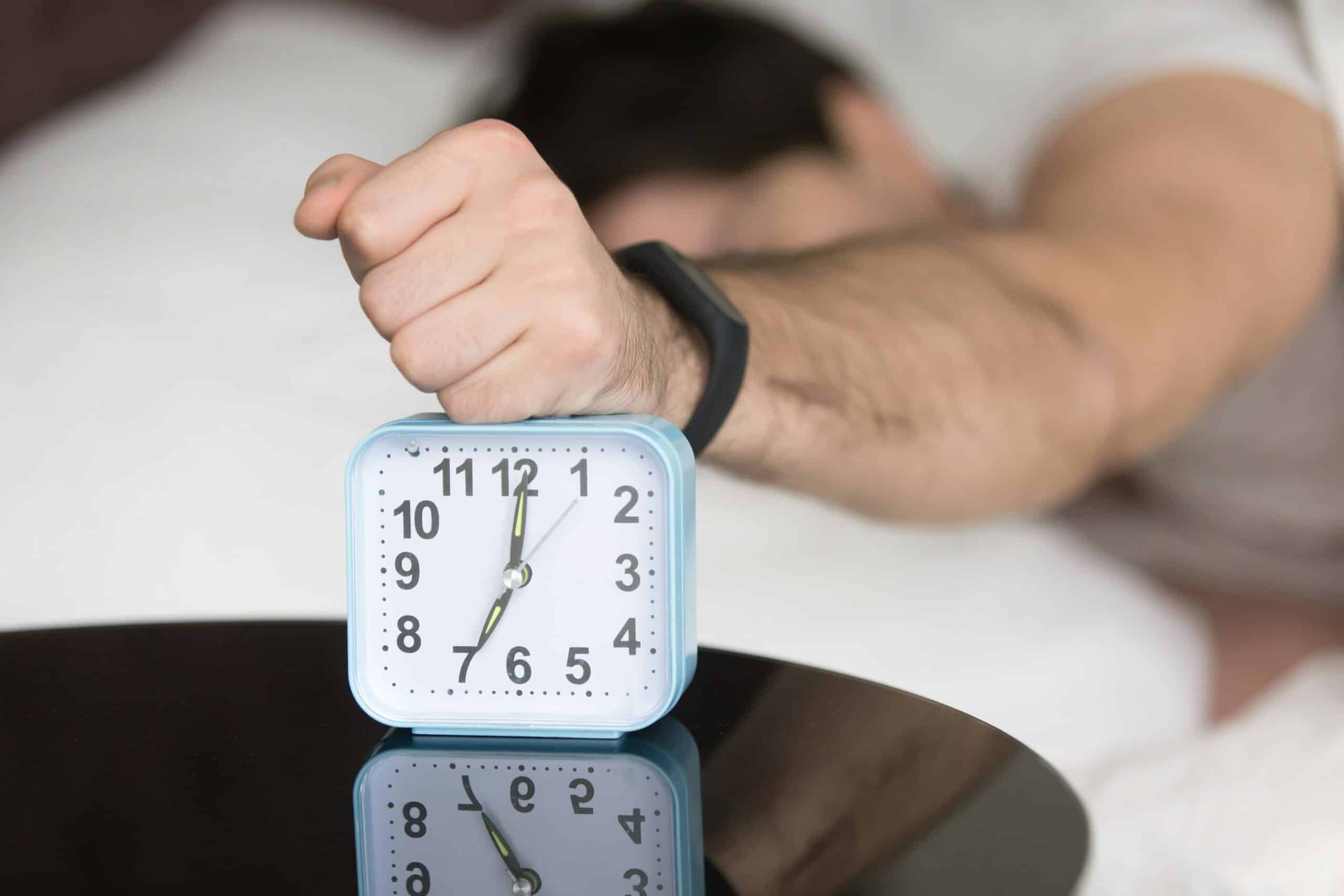
It feels uncanny, like some part of you is counting the minutes in the dark. The real reason why do I wake up before my alarm is far less mysterious: your body runs an internal clock that anticipates a regular wake time and starts preparing for it in advance, partly by raising the hormone cortisol in the hours before you rise. A consistent schedule trains that clock until it beats the alarm. Comparing options? See our best wake up light alarm clocks roundup.
Key Takeaways
- An internal body clock anticipates your habitual wake time and primes you to wake near it.
- Cortisol rises in the later part of the night, helping shift you toward wakefulness.
- Waking in light sleep just before the alarm feels like uncanny timing but is normal physiology.
- A consistent sleep and wake schedule strengthens this anticipation.
- Waking too early and being unable to return to sleep is a different pattern worth attention.
Your Body Has Its Own Clock
Deep in the brain sits a master clock that keeps your body running on a roughly 24-hour cycle, syncing your sleep, hormones, and alertness to the day. Light is its main cue, but it also learns from routine. When you wake at the same time day after day, the clock starts treating that hour as the target.
Anticipating a regular event is something biological clocks do well. Rather than waiting for the alarm to jolt you, your system begins ramping toward wakefulness ahead of time. The result is that you surface on your own, sometimes a minute or two before the alarm sounds.
This is the same machinery behind jet lag and the groggy first days of a schedule change. The clock is powerful but slow to adjust, which is exactly why consistency teaches it to wake you and inconsistency leaves it guessing. Our overview of how sleep cycles work covers the rhythm your clock is riding on.
The Cortisol Wake-Up Signal
One of the clock’s main tools is cortisol. Cortisol follows a strong daily rhythm, dropping to its lowest level during the first half of the night and climbing through the second half toward morning. By the time you wake naturally, cortisol has risen substantially from its overnight low.
There is also a sharp rise right around waking, called the cortisol awakening response, a rapid increase in cortisol within the first hour after you wake. This climb helps shift your body from sleep toward alertness and readiness for the day.
Because the rise is timed to your habitual schedule, it tends to crest near your usual wake hour. So part of why you stir just before the alarm is hormonal preparation that started while you were still asleep.
Why It Feels Like Perfect Timing
Sleep moves in cycles between lighter and deeper stages across the night, and the later cycles carry more light sleep. As morning approaches, you spend more time in stages that are easy to wake from. A small noise, a shift in light, or the cortisol climb can lift you out of light sleep with little effort.
You notice the wake-ups that happen near your alarm and forget the ones that did not line up, which makes the timing feel spookier than it is. The brain is good at flagging coincidences that fit a pattern. What you are experiencing is normal sleep architecture meeting a well-trained clock.
Recommended Reading
How to Use This to Wake Up Easier
If waking near your alarm feels good and you rise rested, your clock is doing its job and there is nothing to fix. If you want to lean into it, the lever is consistency. Going to bed and waking at the same times, including weekends, sharpens the anticipation until you reliably wake on your own.
Light reinforces the timing. A sunrise alarm that brightens gradually works with your clock instead of jolting you, and a steady morning light routine helps anchor the cycle. Browse wake-up light alarm clocks if a gentler signal appeals, and a sleep tracker can show you which stage you are waking from.
If your schedule has drifted and your clock is fighting you, resetting it deliberately helps. Our guide on fixing your sleep schedule walks through shifting bed and wake times in small steps so the clock can keep up.
When Early Waking Is a Different Problem
Waking a minute before your alarm, rested, is one thing. Waking well before you intended and being unable to fall back asleep is another. That pattern, especially in the small hours, can relate to stress, mood, or sleep disruption rather than a well-trained clock.
Chronic stress can heighten the cortisol awakening response, which may nudge waking earlier than you want. If you regularly wake too early and cannot return to sleep, our guide on how to stop tossing and turning at night and a conversation with a clinician are both reasonable next steps. The related pattern of waking at 3 a.m. has its own explanation.
Why Anticipation Sharpens the Timing
Part of what makes pre-alarm waking feel uncanny is anticipation. When you set an alarm for the same time night after night, your body starts preparing to wake before it goes off, lining up its internal signals with the expected hour. The brain treats a reliable wake time as a target and ramps up its morning arousal to meet it.
This is why the effect is strongest for people with steady routines and weakest for those whose schedules jump around. A consistent bedtime and wake time give the clock a clear pattern to anticipate. Our guide to understanding sleep cycles explains how the night is structured so this timing makes more sense.
The closer your natural rhythm sits to your alarm, the more often you will beat it. That alignment is the goal, not a glitch.
What Throws the Timing Off
The same system that wakes you early gets disrupted by anything irregular. Shifting your bedtime on weekends, traveling across time zones, or staying up far later than usual confuses the clock, so it no longer anticipates the right hour. The result can be oversleeping through the alarm or waking at odd times instead.
Light exposure is the strongest lever for keeping the rhythm steady. Bright light in the morning and dimmer light at night reinforce the clock, while late-night screens push it later. If your timing feels scrambled, our guide on fixing your sleep schedule covers how to reset it gradually.
Waking in the small hours and struggling to fall back asleep is a different pattern with its own causes, which we cover in why you wake up at 3 a.m.
Common Misconceptions About Waking Before the Alarm
A few beliefs make this feel stranger or more worrying than it is.
Reading it as a sixth sense overstates things, when a trained clock and a morning cortisol rise explain it plainly. The timing is physiology, not premonition.
Assuming it means you are not sleeping enough is usually wrong if you wake rested. Waking in light sleep near your target hour is a sign the system is working.
Treating weekend sleep-ins as harmless misses how much they blur the clock’s timing. Big shifts on days off make the anticipation less reliable all week.
Confusing comfortable pre-alarm waking with distressing early-morning waking lumps two different patterns together. The first is normal, the second can warrant attention.
Hitting snooze to grab fragmented minutes after waking rested tends to leave you groggier, since that broken sleep is shallow. Getting up when you first wake clear often feels better.
Frequently Asked Questions
Why do I wake up right before my alarm every day?
Your internal body clock anticipates a regular wake time and prepares you for it, partly by raising cortisol in the later hours of the night. Combined with more light sleep toward morning, this lifts you out of sleep near your usual hour, often just ahead of the alarm.
Is waking before my alarm a good sign?
If you wake rested and on your own, it usually means your sleep schedule is consistent and your clock is well trained, which is a good thing. It only becomes a concern if you are waking much earlier than intended and cannot fall back asleep.
What is the cortisol awakening response?
It is the rapid rise in the hormone cortisol within the first hour after you wake, part of cortisol’s normal daily rhythm. This climb helps move your body from sleep toward alertness and is timed to your habitual wake hour.
How do I train my body to wake up at the same time?
Keep your bed and wake times consistent every day, including weekends, and get bright light in the morning. Over time your clock learns the schedule and starts waking you near your target hour. A gradual sunrise alarm reinforces the cue without a jarring jolt.
Why do I wake up before my alarm but feel tired?
Waking near your alarm does not guarantee enough total sleep. If your bedtime is too late or your sleep is fragmented, you can wake on schedule yet underslept. Look at total time in bed and sleep quality, not just the timing of your final wake-up.
Does waking before my alarm mean I should change my alarm time?
Not necessarily. If you wake rested a minute or two early, your schedule suits you. If you consistently wake well before the alarm and lie awake, that points to looking at stress, bedtime, or sleep quality rather than simply moving the alarm.
When should I see a doctor about early waking?
Consider talking to a clinician if you regularly wake much earlier than intended, cannot return to sleep, and feel unrested, or if early waking comes with low mood, anxiety, or other changes. A professional can help sort routine clock-driven waking from a sleep or mood concern.
Is waking up before my alarm a sign of good sleep?
Often yes. It usually means your body clock is steady and well aligned with your wake time, which is a healthy sign. As long as you feel rested and are getting enough total sleep, beating your alarm is generally nothing to worry about and may mean you can rely on it less.
Should I get out of bed when I wake before my alarm, or wait?
If you wake shortly before your alarm and feel alert, getting up is fine and can feel better than dozing into a fragmented stretch. If it is much earlier and you feel tired, resting quietly is reasonable. A wake-up light can make those early-morning transitions gentler either way.
Can I train my body to wake up at a set time without an alarm?
To a degree, yes. Going to bed and waking at the same time every day, including weekends, teaches your body clock to anticipate the hour, and many people find they start waking on their own around it. It is rarely reliable enough to ditch a backup alarm entirely, but a steady schedule makes natural waking far more common.
Where can I learn more about circadian rhythms?
The NIH’s Circadian Rhythms fact sheet from the National Institute of General Medical Sciences explains how the body clock works and what keeps it in sync.
This article is for general information and is not medical advice. Sleep patterns vary by individual, and persistent early waking or unrefreshing sleep requires evaluation by a qualified healthcare provider for diagnosis and treatment.
Related Reading
Explore more: alarm clocks for heavy sleepers, miserable mornings why do i wake up with headaches every day, Waking Up Unable to Move? The Science of Sleep Paralysis, how wake up easier morning, Waking Up with Dry Mouth? Why It Happens and How to Fix It, bedside lamps reading before bed, and how to relax before bed. Also explore: smart bulbs.
Recommended Reading
See also our guides to alarm clocks for heavy sleepers, why do i wake up with a dry mouth, and why wake up feeling paralyzed.
The opposite problem has its own causes. Sleeping through an alarm covers what to change.
