
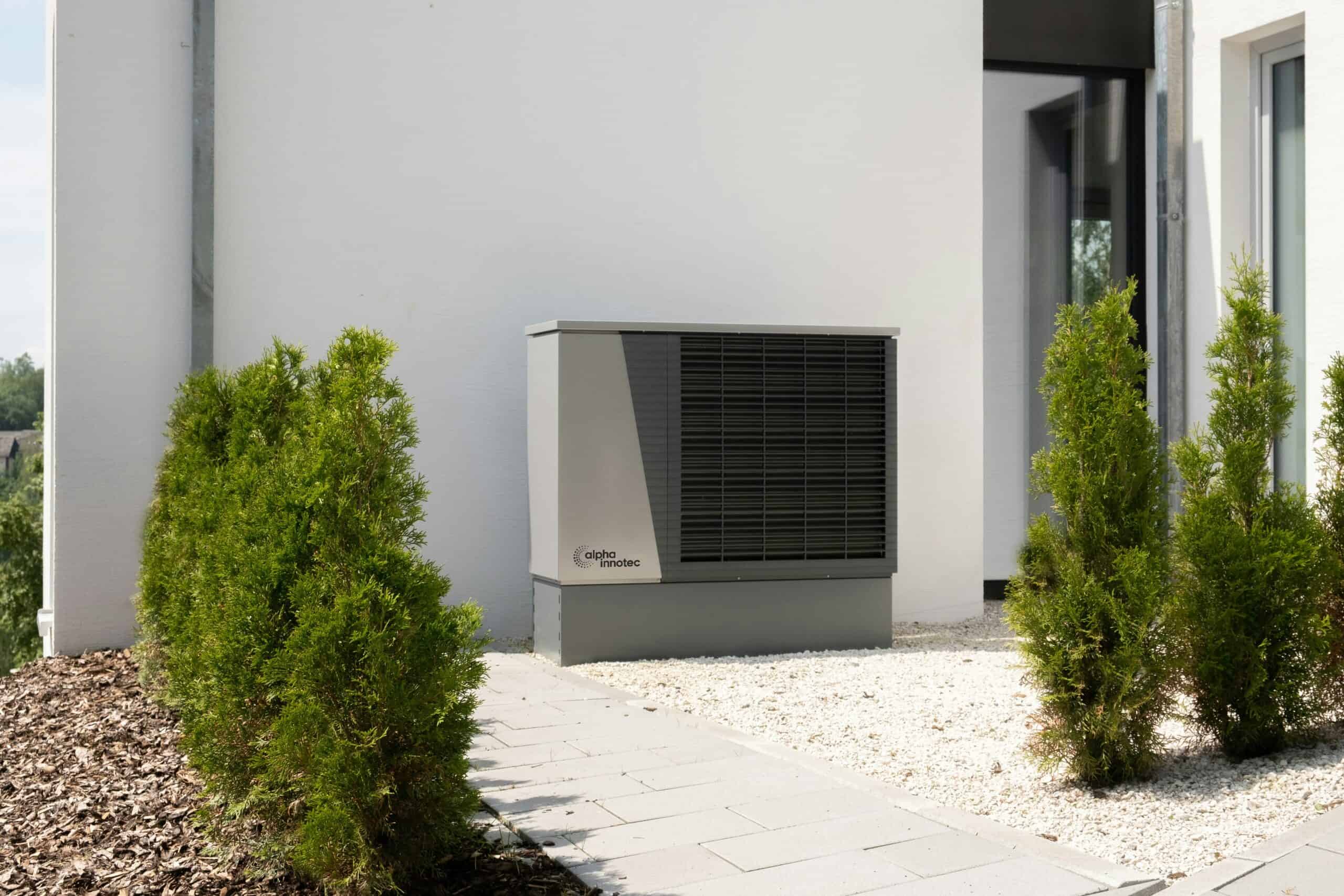
An evaporative cooler’s output is its pad. Air is cooled by passing through a wet medium, so when a pad collapses, scales over or channels, the machine keeps running and stops cooling. The best evaporative cooler pads and replacement filters are the ones matched to your unit’s frame and your water hardness, not the cheapest set that fits.
That is the diagnosis most owners miss. A cooler that worked last summer and does nothing this summer almost never has a motor or pump fault; it has a pad holding mineral deposit, or a pad that has gone soft and is letting air pass without wetting it.
Hard water drives all of it. Minerals left behind as water evaporates build on the pad surface, stiffen the fibers and close the air path, and in a dry climate with hard water that can happen within a single season. If you are still choosing a unit, evaporative coolers for dry bedrooms comes first and this page covers what it costs to keep running.
Quick Verdict
Rigid media pads last several seasons and cool better than aspen, so they are the right buy for a unit that runs all summer. Keep aspen for small portable units and for anyone who would rather replace a cheap pad annually. Add a water treatment or descaling routine if your water is hard, since that is what actually kills pads.
Key Takeaways
- Falling output is usually a scaled or collapsed pad rather than a mechanical fault.
- Rigid media pads cool more effectively and last years; aspen is cheap and annual.
- Pads are sized to the frame, so measure rather than ordering by model name alone.
- Hard water is the main cause of pad failure in dry climates.
- Run the pump without the fan for a minute so the pad is fully wet before cooling starts.
- Evaporative cooling adds humidity, which is the trade-off and not a defect.
How We Picked
Selection started from media type, because that single choice sets both cooling performance and replacement interval. Everything else is secondary to it.
Next came fit. Pads are cut to frame dimensions, and a pad an inch short lets air bypass the wet medium entirely, which produces warm air and a confused owner.
After that the criteria were resistance to mineral build-up, whether the medium holds its shape when saturated, and whether a product addresses the water rather than only the pad. Price was assessed per cooling season rather than per pad, which reverses the apparent ranking between aspen and rigid media. Each entry is a product class rather than a single model.
1. Rigid Media Pads, Best Overall
Why It Stands Out
Rigid media is a stiff corrugated cellulose block, usually several inches thick, with cross-fluted channels that hold water across a large surface while air passes through. It cools more effectively than aspen because there is far more wetted surface in the air path.
It also holds its shape when saturated. That is the difference that matters over a season, since a pad that keeps its geometry keeps its airflow.
Worth Knowing
These cost several times what aspen does and last several seasons, which makes them cheaper per summer in a unit that runs hard. In a cooler used three weeks a year the math does not favor them.
They need a frame deep enough to take the thickness. Not every portable unit can accept rigid media, so check the frame depth before ordering.
Best for whole-room and window units running through a dry summer. Skip it for small portable coolers with shallow pad frames.
Check Price on Amazon2. Aspen Fiber Pads, Best Value and Best for Portables
Why It Stands Out
Aspen pads are loose wood fiber held in a net, and they are the traditional medium for a reason: they wet quickly, they cost very little, and they fit the shallow frames on portable units.
Because they are cheap, replacing them annually is reasonable rather than annoying. A fresh aspen pad each spring is a dependable way to keep output where it should be.
Worth Knowing
They compress and sag over a season, especially when they dry out and re-wet repeatedly, and a sagging pad leaves a gap at the top of the frame where air bypasses it.
Aspen also sheds fiber, which ends up in the reservoir and eventually in the pump intake. Rinsing the reservoir mid-season keeps the pump healthy.
Best for portable and personal coolers and for occasional-use units. Skip it in a unit running continuously, where it will need replacing mid-season.
Check Price on Amazon3. Synthetic and Washable Pads, Best Reusable Option
Why It Stands Out
Synthetic pads use a plastic fiber mat that can be rinsed and refitted, so one purchase covers several seasons without the cost of rigid media. For a mid-size unit that is a reasonable middle ground.
They also resist rot, which matters for a unit stored damp or in a humid garage over winter.
Worth Knowing
Cooling performance sits below both aspen and rigid media, because synthetic fiber holds less water per unit of volume. You are trading some output for reusability.
Mineral scale still forms on them, and it has to be rinsed off rather than thrown away with the pad. A vinegar soak restores most of the surface.
Best for anyone who dislikes buying consumables and accepts slightly lower output. Skip it if maximum cooling is the priority.
Check Price on Amazon4. Pre-Filters and Dust Screens, Best for Pad Life
Why It Stands Out
A thin dust screen on the air intake side keeps pollen, dust and insects out of the wet medium. Debris in a pad blocks the air path and gives the water something to grow on.
These cost almost nothing and are washable, which means they extend an expensive rigid media pad for a trivial sum. On a dusty site it is the item that pays back the most.
Worth Knowing
A dirty pre-filter restricts airflow itself, so it needs rinsing on a schedule rather than fitting and forgetting. Monthly in dusty conditions is realistic.
Fit matters: a screen that bows into the pad defeats the point by holding debris against it. The same principle drives portable air conditioner filters, which protect a different component the same way.
Best for dusty climates, rural sites and anyone running rigid media worth protecting. Skip it only if your intake already has a screen you are cleaning.
Check Price on Amazon5. Descaling Solution and Water Treatment, Best Against Hard Water
Why It Stands Out
Scale is what ends pads, blocks distribution holes and seizes pumps. A descaling soak clears the deposit, and in-reservoir treatment tablets slow its formation between cleanings.
Treating the water is the only item here that addresses the cause rather than the symptom, which makes it the one that extends everything else.
Worth Knowing
Plain white vinegar handles most scale as a soak and costs almost nothing. Dedicated products are more convenient and not dramatically more effective.
Draining the reservoir rather than topping it up is the free half of this. Standing water concentrates minerals as it evaporates, which is the same reasoning behind cleaning a dehumidifier.
Best for hard-water households, which is most of the dry climates where these units make sense. Skip it if you run soft or distilled water, where there is little to treat.
Check Price on Amazon6. Replacement Pumps and Distribution Hoses, Best for a Unit That Has Stopped Wetting
Why It Stands Out
If the fan runs and the pad stays dry, the pump or the distribution tubing has failed, and both are inexpensive parts. Replacing a seized pump is far cheaper than replacing the cooler.
Distribution hoses and spider tubing clog with scale at the outlet holes, and a new length of tubing restores even wetting across the pad.
Worth Knowing
Pumps are rated by flow and head height, and an underpowered replacement will not lift water to the top of a tall pad. Match or exceed the original specification.
Uneven wetting usually means clogged distribution holes rather than a failing pump, which is worth checking before buying anything.
Best for an older unit whose pad will not wet evenly. Skip it if the pad is simply scaled, where a new pad and a descale solve it.
Check Price on AmazonPad Types at a Glance
| Media | Cooling output | Typical life | Cost | Best unit |
|---|---|---|---|---|
| Rigid media | Best | Several seasons | High | Whole-room, window |
| Aspen fiber | Good | One season | Lowest | Portable, personal |
| Synthetic washable | Moderate | Several seasons | Moderate | Mid-size, low-maintenance |
| Pre-filter screen | Not a pad | Washable, years | Very low | Any, dusty sites |
| Descaler and treatment | Not a pad | Consumable | Low | Hard-water areas |
| Pump and tubing | Not a pad | Years | Low | Units not wetting |
What to Look For
Frame dimensions, measured
Measure the pad opening in all three dimensions rather than trusting a model-number listing. Depth is the one that catches people, because rigid media needs a deeper frame than aspen.
Media matched to how much you run it
All summer, every night means rigid media. A few hot weeks means aspen. The cost comparison only makes sense once you decide which you are.
Your water hardness
Hard water shortens every pad’s life and clogs distribution tubing. If your kettle scales, your cooler scales, and a treatment routine belongs in the budget.
Whether the problem is the pad at all
Dry pad with a running fan means pump or tubing. Wet pad with weak airflow means a blocked pre-filter or a sagging pad. Cool air that feels clammy means the room needs ventilation, not a new pad.
Aspen Against Rigid Media
Where aspen wins
Cost, availability and fit in shallow portable frames. It wets fast from dry, which suits a unit switched on for a few hours at a time.
Where rigid media wins
Output and durability. More wetted surface in the air path means colder air, and holding its shape when saturated means it keeps performing through a whole season. In a unit that is part of a nightly routine alongside a fan running all night, that consistency is the reason to pay more.
Common Mistakes to Avoid
Running the fan before the pad is wet
Air through a dry pad is just air. Run the pump alone for a minute or two first, which most units allow, and the first few minutes stop being disappointing.
Topping up instead of draining
Adding water to standing water concentrates minerals and accelerates scale. Drain and refill, especially at the end of a hot week.
Expecting cooling in a closed room
Evaporative cooling adds moisture, and in a sealed room the humidity rises until the cooling stops working. A cracked window is part of the design, which is why these suit dry climates and why cooling a bedroom without central air treats them as one option among several.
Storing it wet
A pad left damp over winter rots or grows mold, and the smell carries into the airflow next spring. Drain, dry and remove the pad before storage.
Recommended Reading
- A full dry-climate bedroom setup
- Air conditioners where humidity rules out evaporative cooling
- Dehumidifiers for the opposite problem
- Humidifiers and bedroom moisture balance
Evaporative Cooler Pad FAQ
How often should evaporative cooler pads be replaced?
Aspen pads are generally an annual item, and rigid media commonly runs several seasons. Hard water shortens both considerably, and falling output with a wet pad is the practical signal.
Why has my evaporative cooler stopped cooling?
Most often a scaled or collapsed pad, or a pad that is not getting wet because the pump failed or the distribution holes clogged. Check whether the pad is actually wet before suspecting the fan or motor.
Are rigid media pads worth the extra cost?
In a unit that runs most of the summer, yes, because they cool better and last several seasons. For a cooler used a few weeks a year, aspen is the cheaper choice overall.
Can I wash and reuse an evaporative cooler pad?
Synthetic pads are designed for it. Aspen falls apart when handled wet, and rigid media can be rinsed gently but not scrubbed, since the corrugations crush easily.
What causes the white build-up on my pad?
Mineral deposit left behind as water evaporates. It is the normal consequence of hard water, and a descaling soak plus draining rather than topping up slows it.
Do I need to open a window?
Yes. Evaporative cooling raises humidity, and in a sealed room that humidity rises until cooling stops. A partly open window or a cracked door is part of how these are meant to run.
Can I use a swamp cooler in a humid climate?
Not effectively. The cooling depends on dry air having capacity to take up moisture, so output falls sharply as outdoor humidity rises. An air conditioner is the right equipment there.
