
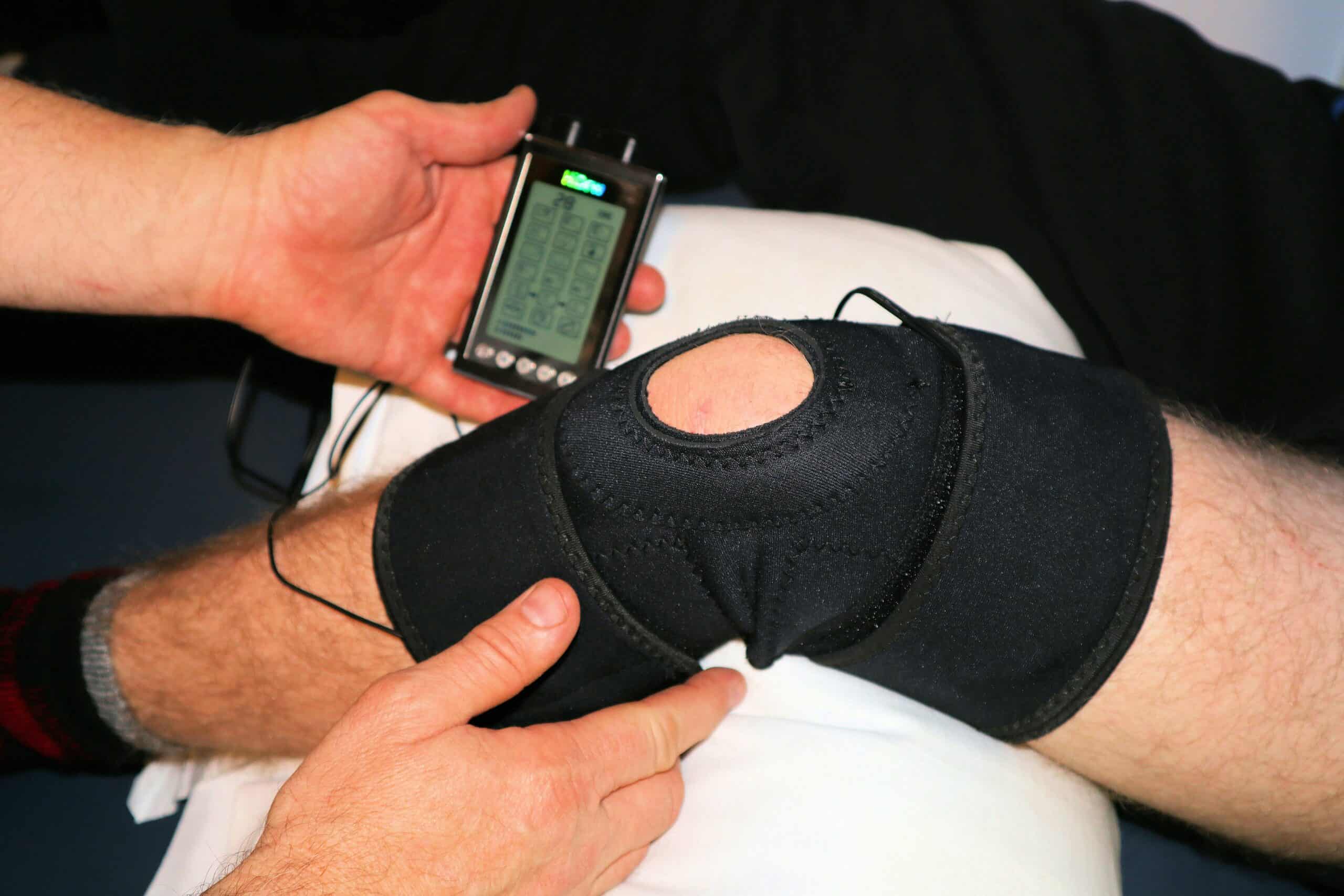
Most knee bracing sold for daytime use is wrong for bed, because rigid hinges and tight straps restrict the small position changes you make all night. The best knee braces and sleeves for nighttime pain instead offer light compression, gentle warmth, and either a fixed comfortable angle or free movement. Choosing between those two approaches is the real decision.
The National Institute of Arthritis and Musculoskeletal and Skin Diseases describes braces and supportive devices among the non-drug approaches used for knee osteoarthritis. What helps during the day does not automatically transfer to overnight use.
Positioning often matters as much as the brace itself. Side sleepers usually get more relief from a knee pillow between the legs than from any wearable support.
Quick Verdict
For most people with nighttime knee pain, a light compression sleeve is the right starting point, since it adds warmth and proprioceptive feedback without restricting movement. Move to an adjustable wrap only if you need targeted pressure, and to an immobilizer only when a clinician has told you to hold the joint still. Rigid hinged braces belong to daytime activity, not sleep.
Medical Disclaimer
This article is general information about brace categories and is not medical advice, and nothing here diagnoses or treats any knee condition. Do not use an immobilizer or a locked brace overnight without direction from a clinician, since prolonged immobilization carries its own risks. Sudden swelling, a knee that locks or gives way, calf pain or tenderness, redness and warmth, or pain after an injury all need prompt medical attention.
Key Takeaways
- Overnight support should allow position changes, not prevent them.
- Compression sleeves give warmth and feedback with minimal restriction.
- Straps that wrap the whole thigh and calf commonly cut circulation in bed.
- Open-patella designs reduce pressure on the kneecap while lying on your side.
- Immobilizers are clinical tools, not comfort items.
- A knee pillow often outperforms a brace for side sleepers.
How We Picked These Knee Braces and Sleeves
We judged every option by how it behaves during the movements people actually make in bed. Rolling, bending, and drawing a knee up all happen dozens of times a night. Anything that fights those movements wakes you up, regardless of how well it supports standing.
Circulation came next. Overnight wear at rest is very different from wear during activity, because muscle pumping is absent while you sleep. Wide, low-tension bands scored better than narrow straps that concentrate pressure.
We also weighted thermal behavior. Neoprene traps a lot of heat, which some people want and hot sleepers cannot tolerate. Breathable knit options addressed that without giving up all compression.
Finally, we considered whether the brace competes with better tools. For many people the underlying issue is joint pressure from surface and position, which is why mattress toppers for joint pain and position adjustments often do more than a wearable.
1. Light Compression Knit Sleeves
Why It Stands Out
A knit compression sleeve is the most sleep-compatible support available. It adds mild even pressure and a sense of where the joint is, which many people find calming, and it never blocks bending. Nothing digs in when you roll.
Warmth is part of the appeal. Gentle retained heat eases the stiff, achy quality that many people describe at night.
Worth Knowing
Sleeves do not stabilize anything mechanically. If your knee actually gives way or shifts, a sleeve will not change that and you need a clinical opinion. Expect symptom comfort rather than support.
Sizing is measured at the mid-knee, or sometimes above and below. Take both measurements if the chart asks for them, because a sleeve that rolls down is useless.
Best for: Aching, stiffness, and general nighttime knee discomfort with no instability. Skip it if a clinician has told you the joint needs real stabilization.
Check Price on Amazon2. Open-Patella Wrap Braces
Why It Stands Out
Open-patella designs cut a hole over the kneecap, which removes direct pressure on the most sensitive spot. Side sleepers with kneecap pain often notice the difference immediately. The surrounding wrap still provides compression around the joint.
Adjustable hook-and-loop closure also lets you set tension precisely. You can run it looser at night than you would during the day.
Worth Knowing
The opening can create an edge that irritates skin over several hours. Look for a padded or bound rim rather than a raw cut. Some designs add a soft buttress ring, which distributes pressure better.
Wraps also bunch behind the knee when you bend deeply. Check the popliteal area for a gathered seam before buying.
Best for: Kneecap-centered pain, especially for side sleepers whose knees press together or against the mattress. Skip it if your discomfort sits on the inner or outer joint line instead.
Check Price on Amazon3. Adjustable Dual-Strap Supports
Why It Stands Out
Dual-strap supports use separate bands above and below the joint, so you can add compression where it helps and leave the rest loose. That selectivity matters at night, when a full circumferential squeeze becomes uncomfortable within an hour. It also fits a wider range of leg shapes.
Independent adjustment helps on variable nights too. Flare-ups get more tension, quiet nights get less.
Worth Knowing
Straps are where circulation problems start. Wide bands at low tension are fine, and narrow bands cranked tight are not, particularly over the calf. Loosen at the first sign of tingling, swelling, or cold feet.
These also slide more than knit sleeves. Silicone grip lines inside the bands help considerably.
Best for: People who want targeted pressure above or below the joint without wearing a full sleeve. Skip it if you tend to sleep deeply and would not notice a strap that had worked itself too tight.
Check Price on Amazon4. Post-Operative Immobilizers
Why It Stands Out
Immobilizers hold the knee at a set angle with rigid stays and wide straps, which is what some surgical and injury protocols require. When a clinician has prescribed one for overnight use, this is the correct tool and nothing else substitutes. They are also easy to put on with one hand.
Angle control is the point. Holding a specified position protects healing tissue in a way no sleeve can.
Worth Knowing
Do not buy one to self-treat pain. Immobilization at night reduces the small movements that keep joints comfortable, and prolonged use has its own consequences. This category belongs to a treatment plan.
Comfort management matters if you are in one. People recovering from surgery usually need a positioning strategy too, which our guide on sleeping after knee replacement surgery covers.
Best for: Post-surgical or post-injury use exactly as directed by your surgeon or physical therapist. Skip it entirely as a self-selected comfort product.
Check Price on Amazon5. Warming and Thermal Knee Wraps
Why It Stands Out
Thermal wraps combine light compression with either retained body heat or a low-level heating element. Warmth eases the stiff ache many people feel when they lie still, and it helps people fall asleep. The compression is secondary here.
Cordless rechargeable versions have improved a lot. They let you use heat in bed without a cable running to an outlet.
Worth Knowing
Never sleep through an active heating element. Use a unit with an automatic shutoff, apply heat before sleep rather than during it, and follow the maker’s instructions exactly. Burns from low heat over long exposure are a real risk, especially with reduced sensation.
For the heat-versus-cold question generally, our guide to heat versus ice lays out how each is usually applied.
Best for: Stiffness and aching that eases with warmth, applied before sleep rather than all night. Skip powered versions entirely if you have neuropathy, reduced sensation, or circulation problems.
Check Price on Amazon6. Cooling Gel Knee Wraps
Why It Stands Out
Cold wraps target the hot, swollen, throbbing quality that some people get in the evening, especially after a long day on their feet. A flexible gel pack in a compression sleeve applies cold and light pressure together. That combination is a common pre-bed routine.
Reusable gel packs also beat loose ice for bed use, since they contour and do not leak as they thaw.
Worth Knowing
Cold goes on before sleep, not through the night. Follow the wrap’s stated time limit, keep a layer of fabric between gel and skin, and take it off before you doze. Prolonged cold contact damages skin.
If you want a continuous circulating system rather than a passive pack, that is a different product entirely, covered in our cold therapy machines guide.
Best for: Evening swelling and heat in the joint, used for a limited session before bed. Skip it if cold makes your stiffness worse, which is common in inflammatory arthritis.
Check Price on AmazonKnee Braces and Sleeves for Nighttime Pain at a Glance
| Type | Restriction | Wear All Night | Main Benefit | Best For |
|---|---|---|---|---|
| Knit compression sleeve | Minimal | Yes | Warmth and feedback | General aching |
| Open-patella wrap | Low | Yes | Kneecap pressure relief | Side sleepers |
| Dual-strap support | Low to moderate | With care | Targeted pressure | Variable symptoms |
| Immobilizer | Highest | Only if prescribed | Fixed angle | Post-op protocols |
| Thermal wrap | Low | Heat before sleep only | Eases stiffness | Stiff, achy knees |
| Cooling gel wrap | Low | No, timed session | Reduces heat and swelling | Evening swelling |
What to Look For in a Nighttime Knee Support
How much compression is right for sleep?
Light is the answer for overnight wear. You want to feel gentle even pressure, not a squeeze, because muscle pumping stops while you sleep. If the sleeve leaves deep marks or your foot feels cool, go looser or a size up.
Should the kneecap be covered or open?
Open-patella designs help when the kneecap itself is tender or when side sleeping presses the knees together. Closed sleeves distribute warmth more evenly and cause fewer skin edges. Try open first if your pain sits directly on the front of the joint.
What material suits overnight wear?
Breathable knit blends work for most people, and neoprene suits those who want more heat and less breathability. Hot sleepers should avoid thick neoprene entirely. Look for flat seams wherever the brace contacts the mattress.
How do you size one correctly?
Measure the circumference at mid-knee, and also above and below if the chart requests it. Measure in the evening, since legs are often slightly larger then. Between sizes, choose the larger one for sleep use.
Compression Sleeve vs Adjustable Wrap
When the sleeve is the better choice
Choose the sleeve for whole-night wear, for consistent mild symptoms, and for anyone who moves a lot in bed. It cannot work itself too tight and it has nothing to snag. Simplicity is its advantage.
When the wrap is the better choice
Choose the wrap when you need pressure in one specific place or when symptoms vary night to night. Adjustability is genuinely useful during a flare. Check the tension before sleep and keep it lighter than daytime settings.
What Trips People Up
Wearing a hinged sport brace to bed
Hinged braces exist to control the knee during loading and movement. In bed they add bulk, catch on bedding, and stop the small adjustments that keep a joint comfortable. Save them for activity.
Overtightening straps before sleep
People tighten a brace to the point where it feels reassuring, then fall asleep in it for eight hours. Swelling, numb toes, and cold feet follow. Set overnight tension noticeably lighter than daytime tension.
Sleeping through an active heat source
Low heat applied for hours can burn skin, and the risk rises with reduced sensation. Use heat as a pre-sleep session with automatic shutoff. Never combine a heating wrap with a heated mattress pad.
Skipping the position fix
A brace cannot correct a mattress that lets the hips sink or a side-sleep position that grinds the knees together. Address surface and position first, then add support, using resources like our chronic pain sleep guide. Many people find they need less bracing afterward.
Recommended Reading
- Compression boots for recovery
- Foam rollers for quad and calf tension
- Massage guns and how they are used
- TENS units for pain relief
- Calf massagers for lower-leg tightness
Frequently Asked Questions
Are knee braces and sleeves for nighttime pain safe to wear all night?
Light compression sleeves are generally worn overnight without issue, provided they do not restrict circulation. Straps and rigid braces are different, and immobilizers should only be worn overnight on clinical advice. Remove anything that leaves deep marks or makes your foot cold.
Does a knee sleeve help arthritis pain at night?
Many people find light compression and retained warmth ease the stiff, achy quality that shows up when they lie still. Braces and supportive devices appear among the non-drug approaches described for knee osteoarthritis. A sleeve manages symptoms and does not change the joint.
Should you use heat or cold on a knee before bed?
Warmth generally suits stiffness and aching, while cold generally suits heat, swelling, and throbbing. Both are typically applied for a limited session rather than overnight. Ask a clinician which fits your specific condition.
Is a knee pillow better than a brace?
For side sleepers, often yes. A pillow between the knees stacks the hips and stops the joints pressing together, which removes the mechanical cause rather than padding it. Many people use a pillow plus a light sleeve.
How tight should a knee sleeve be for sleeping?
Snug enough to stay in place and light enough that you stop noticing it. It should not leave indentations or change the color or temperature of your foot. Size up for overnight use if you are between sizes.
Can you sleep in a hinged knee brace?
Only if a clinician has told you to. Hinged braces are built to control movement during activity, and overnight they mostly disrupt sleep. A light sleeve serves comfort far better.
How do you keep a knee sleeve from sliding down?
Check sizing first, since a sleeve that rolls is usually too large at the thigh. Silicone grip bands at the top edge help, and so does a tapered knit. Replace sleeves once the elastic relaxes.
When should you see a doctor about nighttime knee pain?
See a doctor for sudden swelling, a knee that locks or gives way, redness and warmth, pain following an injury, or calf tenderness. Night pain that keeps worsening also warrants evaluation. Calf pain with swelling needs prompt attention, since it can signal a clot.
Sources
- National Institute of Arthritis and Musculoskeletal and Skin Diseases. Osteoarthritis. National Institutes of Health. https://www.niams.nih.gov/health-topics/osteoarthritis
- MedlinePlus. Knee Injuries and Disorders. National Library of Medicine. https://medlineplus.gov/kneeinjuriesanddisorders.html
- OrthoInfo. American Academy of Orthopaedic Surgeons. https://orthoinfo.aaos.org/
- Centers for Disease Control and Prevention. Arthritis. https://www.cdc.gov/arthritis/
