
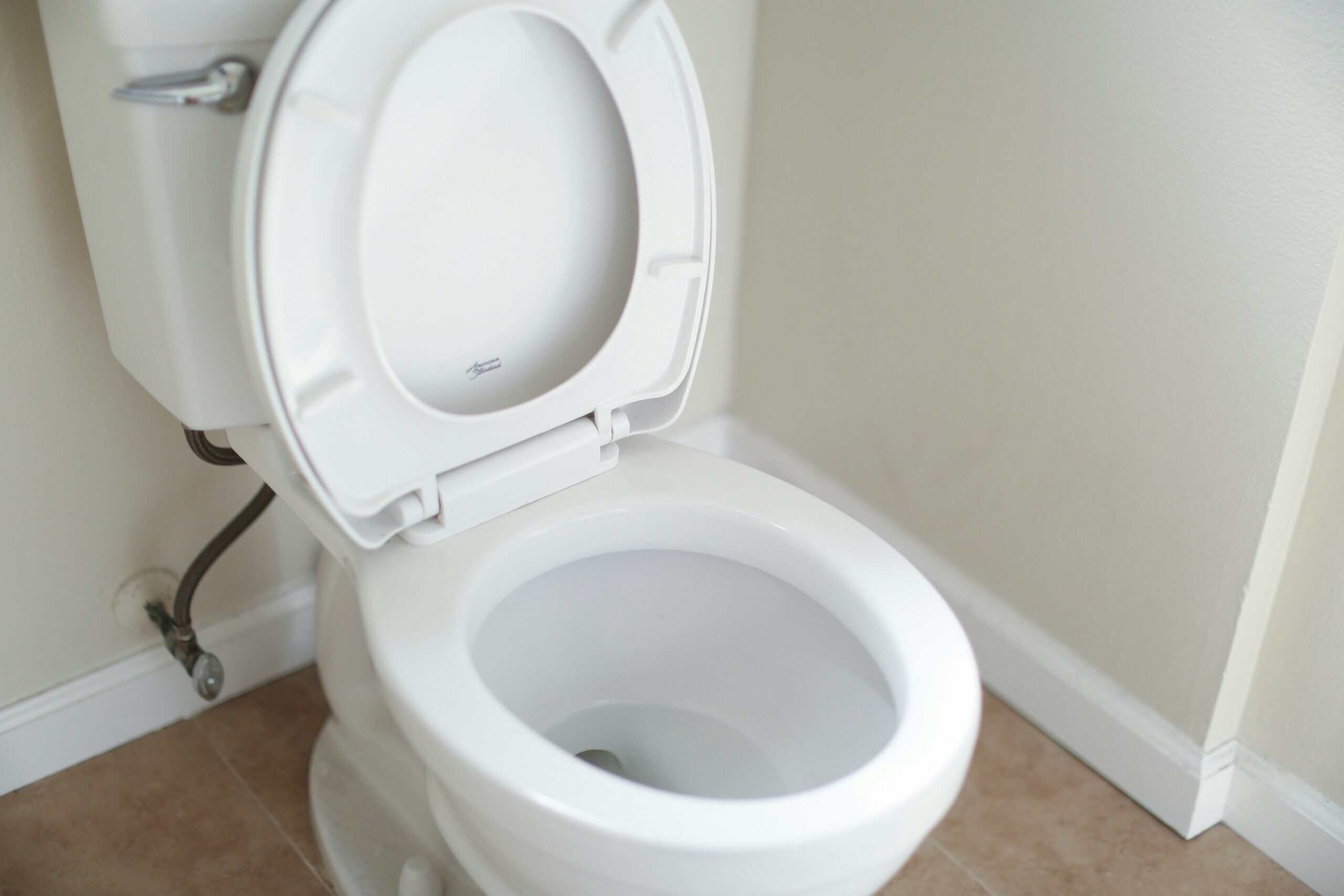
Raising the seat shortens the sit-and-stand movement, which is the specific thing that becomes difficult after hip or knee surgery and with arthritis. The best raised toilet seats and toilet risers split into six types, and the deciding factor is whether you want something removable, something permanent, or something with arms to push from. Height alone helps, and height plus arms helps considerably more.
Bathrooms concentrate fall risk because the surfaces are hard and the transitions are frequent, and the National Institute on Aging treats bathroom modification as a core part of preventing falls at home1. A seat is one of those modifications.
Something to hold still matters as much as the height. Our guide to grab bars and bathroom safety rails covers the fixture that belongs beside it.
The Short Version
A clamp-on raised seat is the cheapest and quickest fix and suits most short-term recoveries. Seats with integrated arms are the better long-term choice, because arms do more for standing up than height alone. Toilet safety frames surround the existing toilet, riser rings sit under the seat, and a comfort-height replacement toilet is the permanent answer.
Key Points
- Arms do more for standing up than added height does on its own.
- Bowl shape matters, since elongated and round toilets need different products.
- Clamp-on seats can shift, so the locking mechanism is the part to check.
- Post-surgery hip and knee precautions come from the surgeon, not from a product page.
- A raised seat changes how feet contact the floor, which affects stability.
- Anything supporting body weight has a rating, and that rating belongs to the product.
How We Picked
We compared riser types rather than individual models, because lineups turn over while the designs stay stable. Each section covers one type and the situation it suits.
We ranked types on four things: how securely they attach, whether they provide something to push from, how much they interfere with normal household use, and how easily they come off again.
We excluded anything without a stated weight rating, and we have not published height increases or capacities, since those come from the product and from clinical guidance.
1. Clamp-On Raised Toilet Seats
Why It Stands Out
A clamp-on seat fits over the existing bowl in minutes with no tools and comes off just as fast. For a six-week recovery, that is exactly the right commitment level.
Cost is the lowest in this category, which matters when the need may be temporary.
Worth Knowing
Movement is the complaint, and a seat that shifts under load is worse than none. Look at the clamping mechanism specifically and retighten it regularly.
Bowl shape has to match, since round and elongated are different products. Anyone recovering from surgery should read our guide to back surgery recovery products for the rest of the setup.
Best for: Short-term recovery and anyone testing whether height helps. Skip it if the clamp cannot be kept tight.
Check Price on Amazon2. Raised Seats with Integrated Arms
Why It Stands Out
Arms give the hands somewhere to push from, and pushing is what actually gets someone up. Height reduces the distance, and arms provide the force.
Two-handed support is also far more stable than reaching sideways for a single bar.
Worth Knowing
Arms add width, which can be a problem in a narrow water closet. Measure the space either side of the toilet before ordering.
They also make the toilet awkward for everyone else in the house. Our guide to lift chairs covers the same push-to-stand principle in a chair.
Best for: Anyone who struggles with sit-to-stand rather than just height. Skip it in a very tight bathroom.
Check Price on Amazon3. Toilet Safety Frames and Surround Rails
Why It Stands Out
A frame stands around the toilet or bolts to it, providing arms without changing the seat height at all. For someone who needs support but not elevation, that is the right split.
Most are height-adjustable, so the arms can be set where the forearms rest naturally.
Worth Knowing
Floor-standing frames need enough clear floor, and a tight bathroom rules them out. Bolt-on versions take the load through the toilet itself.
They also stay in place permanently, unlike a seat you lift off. Our guide to bed rails covers the same support-without-modification approach at the bedside.
Best for: Support without raising the seat, and rentals where drilling is not allowed. Skip it if the bathroom is too small for the footprint.
Check Price on Amazon4. Toilet Riser Rings and Spacers
Why It Stands Out
A riser ring fits between the bowl and the existing seat, so the toilet keeps its normal lid and appearance. It is the least intrusive way to add height.
Because the original seat stays on, the toilet still looks and works like a toilet for everyone else.
Worth Knowing
Installation means removing and refitting the seat bolts, which is more work than a clamp-on. It is not a five-minute job.
Height added is modest by design, so it suits mild difficulty rather than severe. Our guide to seat cushions covers comfort once seated.
Best for: Shared bathrooms and anyone wanting a discreet, permanent-feeling fix. Skip it if a large height increase is needed.
Check Price on Amazon5. Bolt-Down Elevated Seats
Why It Stands Out
A bolt-down elevated seat replaces the existing seat entirely and fixes to the bowl with the original hardware. Nothing shifts, because it is genuinely attached.
Many include a hinged lid, so the toilet keeps normal function.
Worth Knowing
Fitting takes tools and the bowl shape must match precisely. Removing it later means refitting the original seat.
It is also the height the household lives with. Our guide to waterproof bedding covers the wider planning where night-time trips are frequent.
Best for: Long-term need and anyone bothered by a seat that moves. Skip it in a shared bathroom where others object to the height.
Check Price on Amazon6. Comfort-Height Replacement Toilets
Why It Stands Out
Replacing the toilet with a taller bowl builds the height into the fixture, so nothing sits on top and nothing moves. It also looks like a normal bathroom.
For a house someone intends to age in, that is the durable answer rather than a series of add-ons.
Worth Knowing
This is plumbing work with plumbing costs, and it is the slowest path to a solution. Nobody recovering from surgery next week should be waiting on it.
A taller bowl also suits taller people and not shorter ones, since feet still need to reach the floor. Foot contact is part of what makes standing up controlled.
Best for: Permanent aging-in-place planning and bathroom renovations. Skip it for a short-term recovery.
Check Price on AmazonRaised Toilet Seats at a Glance
| Type | Has arms | Install effort | Removable | Best situation |
|---|---|---|---|---|
| Clamp-on seat | Sometimes | Minutes | Yes | Short recovery |
| Seat with arms | Yes | Minutes | Yes | Sit-to-stand difficulty |
| Safety frame | Yes | Low | Yes | Support without height |
| Riser ring | No | Moderate | Yes, with tools | Shared bathrooms |
| Bolt-down seat | Sometimes | Moderate | Yes, with tools | Long-term need |
| Comfort-height toilet | No | Plumbing job | No | Aging-in-place renovation |
What to Look For in a Toilet Riser
Is the difficulty height or strength?
Added height shortens the distance, and arms provide the force to cover it. Someone who can lower themselves but cannot get back up needs arms more than inches.
Most people benefit from both. A safety frame plus a modest riser is a common combination.
What shape is the bowl?
Round and elongated bowls take different products, and a mismatch either will not fit or will not sit securely. Check before ordering rather than after.
Bolt spacing matters for anything that attaches with the seat hardware. Photograph the existing setup if you are unsure.
How long will it be needed?
A six-week recovery and a permanent change deserve different answers. Clamp-on seats suit the former and bolt-down or replacement suits the latter.
Buying permanent for a temporary need usually wastes money. Buying temporary for a permanent need usually means buying twice.
Do the feet still reach the floor?
Raising the seat lifts the feet, and feet that dangle reduce stability during the transition. That effect is stronger for shorter users.
Moderate height plus arms often beats maximum height alone. A therapist can judge that balance for the specific person.
Who else uses this bathroom?
Frames and arms make a toilet awkward for other household members, and a permanently raised seat is not everyone’s preference. In a single-bathroom home that friction is real.
Removable options keep the peace. Our guide to helping seniors sleep better covers the night-time routine this equipment serves.
How will it be cleaned?
Anything added to a toilet creates seams and surfaces that need cleaning, and a clamp-on seat is the worst offender. Removable designs let you take it off and clean underneath properly.
Smooth molded plastic wipes down far more easily than padded or textured surfaces. Padding in this location is rarely worth it.
Set a cleaning routine when the seat goes on rather than after it becomes a problem. Whoever does the cleaning should be part of the choice.
Does it stay usable at night?
Night-time trips are where bathroom falls concentrate, and a seat that has shifted since the morning is a hazard in the dark. Fixed options remove that variable.
Lighting the route matters as much as the seat itself. A low-level light in the hallway and the bathroom costs very little.
Where trips are frequent, a bedside option may be the safer plan altogether. That is worth raising with a clinician rather than solving with more equipment.
Raised Seat vs Safety Frame
Where a raised seat wins
It reduces the distance travelled, which directly addresses hip and knee pain and post-surgical stiffness. Installation is trivial and reversible.
It also takes no extra floor space, which matters in a small water closet.
Where a safety frame wins
Arms give two-handed support, which does more for standing up than height. It also leaves the seat at normal height for everyone else.
Many households end up with both. Our guide to bed exit alarms covers the caregiving layer around night-time trips.
What Trips People Up
Not retightening a clamp-on seat
Clamps loosen with use, and a seat that slides during a transfer is a fall waiting to happen. Check it weekly.
Assuming surgical precautions from a product page
Hip and knee replacement precautions are specific to the surgery and the surgeon, and they change over the recovery. Follow the discharge instructions rather than a listing.
Choosing maximum height by default
Too high lifts the feet off the floor and reduces control. The right height is the one that suits the person, not the largest available.
Skipping the rest of the bathroom
A seat addresses one transition, and the Centers for Disease Control and Prevention treats home modification as one component of a broader fall prevention plan2. Our guide to night lights covers the part that matters at 3am.
Medical Disclaimer
This article is general information about products, not medical advice. Post-surgical precautions after hip or knee replacement come from your surgeon and change through recovery, so follow those instructions rather than any general guidance. Weight capacity and correct fitting come from the specific product. Anyone with balance problems, a history of falls, or a recent operation should be assessed by a clinician or an occupational therapist, who can recommend the right height and equipment for that person.
Recommended Reading
- Bed step stools cover the other transition that gets harder with stiff joints.
- Mattress toppers for seniors cover getting out of bed in the first place.
- Hospital bed alternatives cover the wider recovery setup.
Frequently Asked Questions
What are the best raised toilet seats and toilet risers?
A clamp-on raised seat is the fastest and cheapest fix and suits most short-term recoveries. For ongoing difficulty standing up, a seat with integrated arms or a separate toilet safety frame does more, because arms provide the force that height alone does not.
How much should you raise a toilet seat?
Enough to shorten the movement without lifting the feet off the floor, which varies by person and by height. An occupational therapist can judge that for the individual, and maximum available height is rarely the right answer.
Do raised toilet seats move around?
Clamp-on models can shift if the clamp loosens, which is why the locking mechanism is the part to evaluate and retighten. Bolt-down seats and riser rings attach with the seat hardware and do not move.
Are toilet safety frames better than raised seats?
They do a different job, since a frame provides arms to push from while a seat reduces the distance. Someone who can sit down but struggles to rise usually benefits more from the frame.
Will a raised seat fit any toilet?
No. Round and elongated bowls take different products, and bolt spacing varies, so check the bowl shape before ordering. A mismatched seat will not sit securely.
Do you need a raised seat after hip replacement?
Many people are advised to use one during recovery, and the specific precautions come from the surgeon and change over time. Follow the discharge instructions rather than general advice.
Can you install a raised toilet seat in a rental?
Clamp-on seats and freestanding safety frames both work without modifying anything, which suits rentals. Bolt-down seats use the existing seat hardware and are reversible, while replacing the toilet is not.
When should you ask a professional about toilet safety?
After any fall, a new diagnosis affecting movement, or an upcoming joint replacement, an occupational therapy assessment is the right first step. A therapist evaluates the actual bathroom and the actual person rather than the product category.
Sources
- National Institute on Aging, Preventing Falls at Home: Room by Room. nia.nih.gov
- Centers for Disease Control and Prevention, Older Adult Fall Prevention. cdc.gov
