
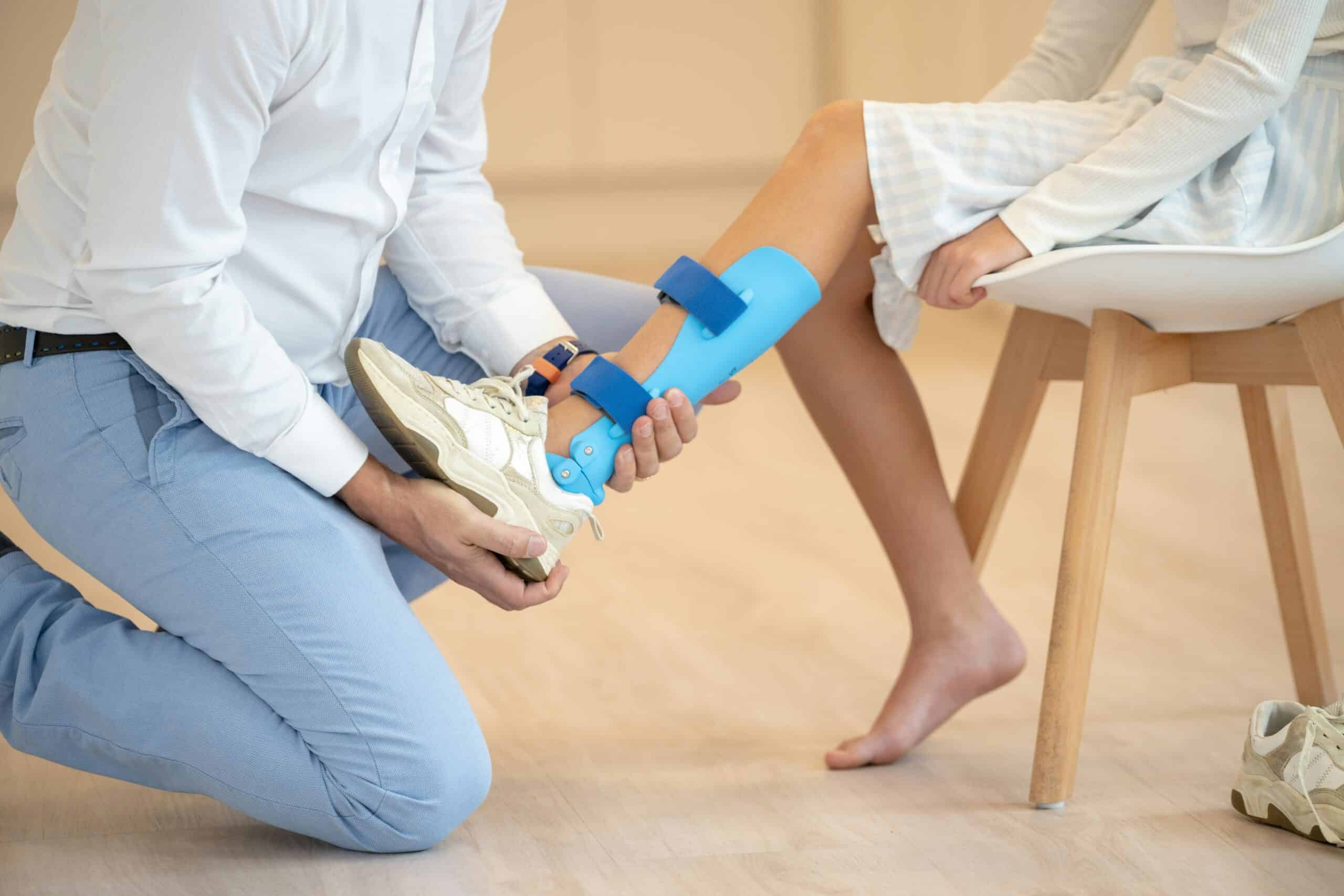
A night splint holds the foot in slight dorsiflexion while you sleep, which keeps the plantar fascia from shortening overnight and reduces the first-step pain that defines the condition. The best plantar fasciitis night splints split into six designs, and the deciding factor is whether you will tolerate wearing it for a full night. A splint abandoned after three nights does nothing.
That morning pain has a mechanical explanation. The fascia tightens while the foot rests in a pointed position, then gets stretched abruptly when you stand, which is why the first steps hurt most and ease as you move.
Night splints are one part of a treatment plan rather than the plan itself. Stretching, footwear and load management all sit alongside them, and our guide to sleeping with chronic pain covers the wider picture.
Quick Verdict
Soft dorsiflexion straps are where most people should start, because comfort decides compliance. Rigid boot splints apply the most consistent stretch and are the hardest to sleep in. Adjustable-angle designs let you build tolerance gradually, sock-style splints suit side sleepers, and a day-use compression sleeve is a complement rather than a substitute.
Key Takeaways
- The mechanism is holding the ankle at a slight upward angle, which keeps the fascia from shortening while you sleep.
- Compliance is the whole problem, so the splint you tolerate beats the one that applies the most stretch.
- Aggressive angles cause more discomfort without adding benefit, and building up gradually works better.
- Side sleepers struggle with rigid boots, which is why softer designs exist.
- Morning pain relief is the outcome to watch, and it usually takes weeks rather than nights.
- A splint does not replace stretching, footwear changes, or a clinical diagnosis.
How We Picked
We compared splint designs rather than individual units, because lineups turn over while the underlying designs stay stable. Each section covers one design and who tolerates it.
We ranked designs on four things: how consistently they hold the stretch, how comfortable they are for a full night, whether they work for side sleepers, and how adjustable the angle is.
We excluded anything claiming to cure plantar fasciitis, and we have not stated treatment durations, since those come from a clinician rather than a product guide.
1. Soft Dorsiflexion Straps
Why It Stands Out
A soft strap system uses fabric and adjustable tension to pull the forefoot up toward the shin. There is no rigid shell, so the foot can still shift position in bed.
That flexibility is the reason this design gets worn. A splint you forget about by midnight is a splint still on at six.
Worth Knowing
Tension is easy to overdo on the first night. Start slack enough that it feels like almost nothing, then tighten across a week.
Straps stretch out over months of washing and wear, so the tension you set at the start drifts. Check it periodically rather than assuming.
Best for: First-time users, side sleepers, and anyone who has already abandoned a rigid boot. Skip it if your clinician has specified a fixed angle you need held precisely.
Check Price on Amazon2. Rigid Boot Splints
Why It Stands Out
A rigid posterior shell holds the ankle at a set angle and does not give. That consistency is the strongest version of the intervention this category offers.
The fixed structure also prevents the foot rolling into a pointed position during deep sleep, which is exactly when a soft strap loses its grip.
Worth Knowing
Bulk is the problem. These are hot, heavy, and awkward for anyone who sleeps on their side or shares a bed.
Padding quality varies enormously and determines whether the shell rubs. Check the liner rather than the shell, and see our guide to relieving pain for better sleep for positioning around it.
Best for: Back sleepers with significant morning pain who can tolerate the bulk. Skip it if you sleep on your side, which is most people.
Check Price on Amazon3. Adjustable-Angle Dorsiflexion Splints
Why It Stands Out
These use a hinge or a ratchet to set the dorsiflexion angle in steps. Starting at a mild angle and increasing it weekly is how people build tolerance without abandoning the splint.
Adjustability also matters because the right angle differs between people. A setting that feels like a gentle stretch for one person is unbearable for another.
Worth Knowing
Hinges and ratchets add hard points that can press on the shin or the heel. A model with generous padding at those contact points is worth the premium.
More angle is not better. Discomfort that wakes you costs more than the additional stretch gains, which is a real trade rather than a cautious one.
Best for: Anyone who found a fixed splint too aggressive, and anyone following a clinician’s staged plan. Skip it if the adjustment mechanism sits where your ankle bone does.
Check Price on Amazon4. Sock-Style and Sleeve Splints
Why It Stands Out
Sock-style splints apply a gentle upward pull through an elasticated strap built into a sock. They are the least intrusive design available and by far the easiest to sleep in.
For side sleepers and anyone in a shared bed, that difference decides whether treatment happens at all.
Worth Knowing
The stretch is mild. This is the trade you accept for wearing something all night rather than half of one.
Fit matters more than with other designs, because a loose sock delivers almost no tension. Size down rather than up if you are between sizes.
Best for: Side sleepers, travel, and anyone easing into treatment. Skip it if morning pain is severe and a mild stretch has already failed.
Check Price on Amazon5. Combination Splint and Compression Sets
Why It Stands Out
These bundle a night splint with daytime compression sleeves, arch supports, and often a massage ball. The appeal is covering the whole day rather than only the night.
Compression during the day and a stretch at night address different parts of the same problem, which is why clinicians commonly recommend both.
Worth Knowing
Bundle quality is uneven, and the splint is usually the weakest component. Buy the bundle for the extras, not for the splint.
A massage ball is a genuinely useful inclusion, and our massage ball guide covers using one on the arch.
Best for: Anyone starting from nothing who wants day and night covered in one order. Skip it if you already own the accessories.
Check Price on Amazon6. Dorsal Night Splints With a Low Profile
Why It Stands Out
A dorsal splint sits on the front of the shin and the top of the foot, leaving the sole free. That keeps the heel unloaded, which suits anyone whose heel is tender to pressure.
The low profile also means less bulk under the covers than a posterior boot.
Worth Knowing
Pressure moves to the top of the foot instead, so the padding there is what determines comfort. Thin liners create a new hot spot.
The angle range is narrower than a full boot offers. For a mild-to-moderate stretch that is fine, and for an aggressive one it is not.
Best for: Tender heels, and anyone who found a posterior shell uncomfortable under the foot. Skip it if the top of your foot is where your pain sits.
Check Price on AmazonNight Splints at a Glance
| Design | Stretch consistency | Side-sleeper friendly | Angle adjustable |
|---|---|---|---|
| Soft dorsiflexion straps | Moderate | Yes | By tension |
| Rigid boot | Highest | No | Limited |
| Adjustable angle | High | Sometimes | Yes, in steps |
| Sock style | Mild | Yes | By fit only |
| Combination set | Varies with the splint | Varies | Varies |
| Dorsal low profile | Moderate | Partly | Narrow range |
What to Look For in a Night Splint
Will you actually sleep in it?
This is the only question that predicts results. A splint that wakes you gets removed at two in the morning, and a removed splint applies no stretch at all.
Choose for tolerance first and stretch second, then increase the stretch once wearing it is a habit.
Does it suit your sleep position?
Side sleeping is the most common position and the hardest to combine with a rigid boot. Soft and sock designs exist because of that.
If you already use a knee pillow to stay comfortable on your side, factor the splint into that arrangement.
Can you set the angle?
An adjustable design lets you start where it is bearable. That matters more than the maximum angle the product can reach.
Aggressive stretching from night one is the most common reason people quit.
Where does it press?
Every design puts pressure somewhere: under the heel, on the shin, or across the top of the foot. Match that to where you are not tender.
Padding at the contact points is worth more than the shell material.
How long will you need it?
Most people use a night splint through a flare rather than forever. Plan on weeks of nightly use before judging it, and expect to stop once morning pain settles.
That changes what matters in a purchase. Durability counts less than tolerable comfort, since a splint that gets abandoned on night three helps nobody.
It also argues against buying the most elaborate option first. A simple sock style often answers the question of whether overnight stretch helps you at all.
Does it work with the rest of your setup?
A splint shares the bed with sheets, a partner, and whatever bedding you already use. Bulky boot styles snag on fitted sheets and drag blankets around.
Heat matters too. Padded shells trap warmth against the foot, so hot sleepers usually get further with an open sock design.
Check the strap ends as well. Long hook-and-loop tails catch on bedding and wake people up, though most trim down without harm.
Night Splints vs Daytime Stretching and Support
What a splint does
It applies a sustained low-load stretch across many hours, which is a different stimulus from a few minutes of active stretching. The Cleveland Clinic lists night splints among the conservative measures used for plantar fasciitis1.
Its limitation is that it works only while you are wearing it, and only if you keep wearing it.
What daytime measures do
Calf and fascia stretching, supportive footwear, arch support and load management all address the tissue while you are on your feet. Most conservative plans combine them with a splint rather than choosing one.
Our guides to resistance bands and foam rollers cover the calf side, which is where a lot of the tension originates.
Common Misconceptions
“More stretch means faster recovery”
An aggressive angle causes discomfort that ends compliance. A milder angle worn all night beats a severe one worn for an hour.
“Morning pain means the splint is not working”
Improvement is measured in weeks. Judging it after a few nights is judging it too early.
“A splint replaces stretching”
Conservative management is usually a combination, and the splint covers the overnight portion of it. Neither part substitutes for the other.
“Heel pain is always plantar fasciitis”
Several conditions produce heel pain, including nerve entrapment, stress fractures and Achilles problems. That is why diagnosis comes before equipment.
Medical Disclaimer
This article is general information about products, not medical advice, and it does not diagnose or treat anything. Heel pain has several possible causes and a clinician should identify which applies to you before you start any treatment. Stop using a splint and seek advice if it causes numbness, tingling, skin breakdown, or new pain elsewhere.
Recommended Reading
- Foot massagers cover the evening routine around a splint.
- Heat versus ice covers which applies to an inflamed tissue and when.
- Stretching mats cover the surface for morning calf work.
Frequently Asked Questions
What are the best plantar fasciitis night splints?
Soft dorsiflexion straps suit most people to start, because tolerating a full night matters more than the strength of the stretch. Rigid boots apply the most consistent angle for back sleepers who can handle the bulk. Adjustable designs let you build up gradually, and sock-style splints are the easiest for side sleepers.
How do night splints work for plantar fasciitis?
They hold the ankle in slight dorsiflexion so the plantar fascia and calf stay lengthened overnight rather than shortening while the foot rests pointed. That reduces the abrupt stretch on the first steps of the morning, which is when the pain is typically worst. The effect builds over weeks rather than nights.
How long should you wear a night splint?
Through the night is the intention, and building up from shorter periods is the usual way people get there. How many weeks of treatment applies to you is a question for the clinician who diagnosed you. Wearing a tolerable splint consistently matters more than any single night’s duration.
Can you sleep on your side with a night splint?
With a soft strap or a sock-style splint, usually yes. Rigid boots are difficult for side sleepers and are the most common design people abandon for that reason. If side sleeping is your position, start with the softer designs rather than working down to them.
Do night splints actually help?
They are among the conservative measures commonly used for plantar fasciitis, and results vary between people. Mayo Clinic describes night splints as one of the therapy options used alongside stretching and supportive footwear2. Compliance is the practical limit: the benefit depends on wearing it.
Is a night splint or an orthotic more important?
They do different jobs, since a splint stretches overnight and an orthotic supports while you are loading the foot. Most conservative plans use both rather than ranking them. Which matters more for you depends on your diagnosis and daily activity.
Why does my heel hurt more in the morning?
The fascia shortens while the foot rests in a pointed position overnight, then gets stretched suddenly when you put weight on it. That first-step pain easing as you walk is a characteristic pattern. It is also the specific problem a night splint is designed to address.
When should you see a doctor about heel pain?
If pain persists beyond a few weeks of self-care, worsens, or follows an injury, and promptly for numbness, tingling, swelling or an inability to bear weight. Several conditions besides plantar fasciitis cause heel pain and they need different treatment. A clinician should make the diagnosis before you commit to equipment.
Sources
- Cleveland Clinic, Plantar Fasciitis: Symptoms, Causes and Treatment. my.clevelandclinic.org
- Mayo Clinic, Plantar fasciitis: Diagnosis and treatment. mayoclinic.org
