
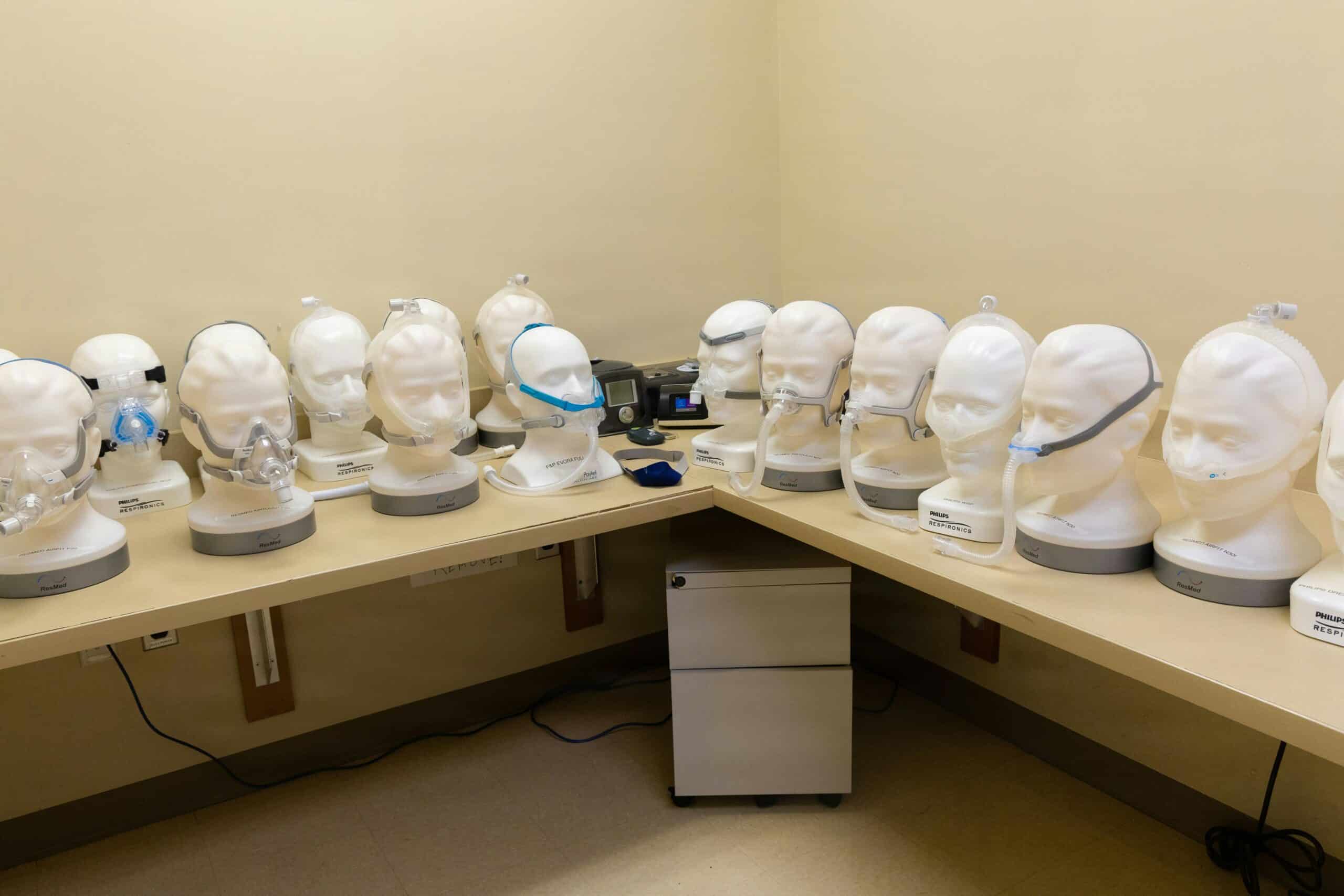
Mask liners, hose insulation, fresh filters, and a mask-friendly pillow solve most CPAP comfort complaints. The best CPAP accessories never change therapy pressure, and they are not meant to; they remove the daily friction that makes people give up on the mask. Red marks across the bridge of the nose, condensation gurgling in the tube, and a pillow that shoves the cushion sideways are all fixable with cheap add-ons. Before spending anything, it helps to know whether the underlying problem is equipment or breathing, and the difference between ordinary snoring and sleep apnea is a sensible starting point.
Medical Disclaimer
This article offers general information about consumer accessories, not medical advice. CPAP is a prescription therapy. Pressure settings, ramp options, humidity levels, and mask fitting belong with your clinician and your durable medical equipment supplier, who can measure fit and check your data. Nothing here should replace their guidance, and no accessory substitutes for a proper titration or a follow-up appointment.
Quick Verdict
Mask liners deliver the fastest comfort win for anyone with skin irritation or minor seal leaks. A hose cover handles condensation in cold bedrooms. Replacement filters matter most for long-term air quality. A CPAP pillow helps side sleepers, and a travel case protects the machine on the road.
Key Takeaways
- Accessories improve comfort and hygiene, not therapy effectiveness or pressure delivery.
- Compatibility is decided by mask model and machine model, so check both before ordering.
- Filters and cushions are consumables with replacement schedules, not one-time purchases.
- Persistent leaks, headaches, or daytime sleepiness are clinical issues rather than shopping problems.
- Cloth liners can slightly alter seal geometry, which suits some masks and not others.
How We Picked
These are category recommendations rather than hands-on product trials. The site owner does not use CPAP therapy, so no unit here was operated, measured, or scored. What follows is research-led guidance built from published clinical education material, manufacturer-neutral patient resources, and the recurring complaints that dominate CPAP user forums.
Selection rested on three questions. Does the accessory address a problem that clinicians and patient-education sources actually describe? Is the category widely available in generic, non-proprietary form? Can a buyer verify fit themselves before ordering?
One limitation deserves emphasis. Compatibility with a specific machine and a specific mask is the buyer’s own check, every time. Filter shapes, hose diameters, and cushion mounts vary between models, and a listing that says universal often is not. Match part numbers against your own equipment documentation or ask your supplier.
Guidance from the American Academy of Sleep Medicine shaped the framing here, particularly the point that adherence problems deserve clinical attention rather than retail solutions alone.
1. Mask Liners
Why It Stands Out
Mask liners are thin fabric barriers that sit between the silicone cushion and the skin. They absorb sweat and facial oil, which is the main cause of the squeak-and-slide effect that wakes people at two in the morning. For anyone waking with red pressure marks on the nose bridge or cheeks, a liner is the cheapest first intervention.
The soft layer also reduces the cold-silicone sensation that bothers new users. Many people find the mask feels less clinical with cloth against the face.
Worth Knowing
Liners add material where the seal forms, so they can change how the cushion contacts skin. On some masks this improves the seal by filling small gaps. On others it creates a wicking path and makes leaks worse, especially with nasal pillow styles that rely on a tight, small-diameter seal.
Liners also need washing, and they wear out. Treat them as laundry, not hardware. If leak numbers on your machine report climb after adding one, remove it and reassess with your supplier rather than tightening the headgear.
Best for: Full face and nasal mask users with skin irritation, oily skin, or minor leaks at the nose bridge. Skip liners if you use nasal pillows, if your seal is already stable, or if your machine data shows rising leak after the change.
Check Price on Amazon2. Hose Covers and Insulation Wraps
Why It Stands Out
A fabric sleeve around the air tube slows heat loss between the humidifier and the mask. That single change addresses rainout, the condensation that collects inside the hose and then splashes into the mask. Cold bedrooms make this worse, which is why complaints spike in winter.
Covers also quiet the plastic rustle that happens when a hose drags across a headboard. Partners often notice that difference before the user does.
Worth Knowing
Insulation manages symptoms; it does not set humidity. If rainout persists, the humidifier level or room temperature is usually the lever, and those adjustments belong with your clinician or supplier.
Room air quality plays a role too, and some people pair therapy with a bedroom humidifier chosen for sleep to stabilize ambient conditions. Check hose diameter before ordering, since heated-tube and standard hoses differ.
Best for: Users in cold or drafty bedrooms who hear gurgling or wake to water in the mask. Skip it if your room stays warm year round, or if your heated tube already includes climate control.
Check Price on Amazon3. CPAP-Safe Cleaning Wipes and Brushes
Why It Stands Out
Masks accumulate skin oil, and hoses accumulate moisture. Unscented, alcohol-free wipes let users clean the cushion each morning without hauling parts to the sink. A long flexible brush reaches the inside of the tube, which a cloth cannot.
Consistency is the real benefit. Patient education material from the Mayo Clinic emphasizes routine cleaning of mask and tubing, and a wipe left on the nightstand gets used far more often than a cleaning ritual that requires ten minutes.
Worth Knowing
Cleaning products are where people overspend and sometimes cause harm. Household disinfectants, scented wipes, and alcohol degrade silicone and leave residue that irritates skin. Ozone and ultraviolet sanitizing gadgets are a separate category with disputed safety claims, and they are not covered here.
Best for: Anyone who finds full washing too tedious to sustain nightly, and travelers without reliable sink access. Skip specialty wipes if you already wash parts daily and your skin tolerates plain soap.
Check Price on Amazon4. Travel Cases
Why It Stands Out
A padded, compartmented case keeps the machine, hose, mask, and power supply together. That matters because the most common travel failure is not damage; it is a forgotten cord. Dedicated pockets remove that risk.
Hard-shell protection also guards the humidifier chamber, which cracks easily under luggage pressure. Airlines in many regions allow medical devices as an additional carry-on item, so a case sized for the cabin is worth prioritizing over a large one.
Worth Knowing
Interior dimensions decide everything, and generic listings often describe the exterior. Measure your machine with the humidifier attached, then compare against the stated internal space. Machines with integrated humidifiers are noticeably deeper than the base unit.
Best for: Frequent flyers, campers, and anyone who moves the machine between homes. Skip it if the device never leaves the nightstand, since the original box handles occasional storage.
Check Price on Amazon5. CPAP Pillows
Why It Stands Out
A CPAP pillow has cutouts or scalloped edges that give the mask and hose somewhere to go. Side sleepers benefit most, because a conventional pillow presses the cushion into the face and breaks the seal.
Shaped pillows also reduce hose tug, which is a frequent cause of position-dependent leaks. If your leak readings jump only when you roll onto one side, pillow shape is a reasonable suspect. A separate guide to pillows designed around CPAP masks covers the shapes in more detail.
Worth Knowing
Loft is the variable people get wrong. A pillow too tall pushes the chin toward the chest and can encourage mouth opening; too flat, and the mask still contacts the surface. Neither problem is solved by the cutouts themselves.
Foam pillows also need a break-in period, and the first few nights often feel worse than the old pillow.
Best for: Side sleepers and combination sleepers with position-dependent leaks or hose drag. Skip it if you sleep on your back with a stable seal, where a standard pillow of the right height already works.
Check Price on Amazon6. Replacement Filters
Why It Stands Out
Filters are the least glamorous accessory and the easiest to neglect. They trap dust, pollen, and pet dander before that air reaches the hose. A clogged filter makes the motor work harder and can leave the machine louder than it should be.
Buying a multi-pack removes the main barrier, which is simply not having a spare on hand. People with seasonal congestion notice the difference most, and anyone managing nighttime allergy symptoms has extra reason to keep the schedule.
Worth Knowing
Filter shape is model-specific and rarely interchangeable, even between machines from the same product family. A filter that nearly fits allows unfiltered air around the edge, which defeats the point. Match the part against your machine documentation.
Replacement intervals vary by filter type and household conditions. Follow the schedule in your machine manual rather than a generic rule from a product listing.
Best for: Every CPAP user, and especially those in dusty homes or with pets. Nobody should skip this category, though households with strong air filtration may stretch intervals within manufacturer limits.
Check Price on AmazonCPAP Accessories at a Glance
| Accessory | Problem it addresses | Check before buying |
|---|---|---|
| Mask liners | Skin irritation, red marks, slipping cushion | Mask style and cushion size; nasal pillows often unsuitable |
| Hose covers and wraps | Condensation in the tube, plastic rustle noise | Hose diameter and length; heated tube compatibility |
| Cleaning wipes and brushes | Oil buildup on cushion, residue inside tubing | Unscented and alcohol-free formula; brush length |
| Travel case | Damage in transit, forgotten cords and parts | Interior dimensions with humidifier attached |
| CPAP pillow | Mask displacement when sleeping on the side | Loft height for your shoulder width and sleep position |
| Replacement filters | Dust and dander entering the air path | Exact model fit; reusable versus disposable type |
How to Choose CPAP Accessories
Does It Fit Your Machine and Mask?
Fit is the only question that cannot be worked around later. Write down your machine model and your mask model plus cushion size before browsing. Listings that claim universal fit usually mean common, which is not the same thing.
For filters and hoses in particular, cross-check the part reference in your machine manual.
Is It Safe to Clean and Reuse?
Anything that touches skin or air needs a washing routine you will actually follow. Cloth items should tolerate repeated laundering without shedding fibers. Avoid scented detergents, which leave residue you then breathe for hours.
How Often Will It Need Replacing?
Accessories fall into consumables and durables. Filters, liners, and cushions are consumables with defined intervals. Cases, pillows, and hose covers last years.
Does It Affect Seal or Pressure Delivery?
Anything placed at the seal line can change leak behavior, for better or worse. Watch your machine’s leak data after any change at the mask. The American Thoracic Society patient education material on positive airway pressure therapy stresses that seal problems and adherence problems should be reviewed with a clinician.
No accessory should ever be used to compensate for pressure that feels wrong. That is a settings conversation, not a shopping one. Some people also research non-CPAP snoring devices, but those are not substitutes for prescribed therapy.
Mask Liners vs Mask Cushion Replacements
What Mask Liners Actually Do
A liner is a comfort layer. It buffers skin against silicone, absorbs oil, and softens pressure points. It does not restore a cushion that has lost its shape.
Liners are cheap, washable, and reversible. That makes them a sensible first experiment when the complaint is irritation rather than leak.
When a New Cushion Is the Real Fix
Silicone cushions stretch and flatten with use. Once the edge no longer springs back, no liner will recover the seal. Chronic leak that appeared gradually over months usually points here.
Cushion replacement is also covered by many insurance supply schedules, which liners are not. Ask your supplier what you are already entitled to before buying a workaround.
What Trips People Up
Buying Before Checking the Mask Model
Most returns trace back to a single skipped step. Cushion sizes differ within the same mask name, and liners are cut for specific frames. Confirm the size letter printed on your cushion.
Treating Accessories as a Fix for Mouth Leak
Air escaping through the mouth needs a clinical assessment, not a gadget. People often reach for chin straps marketed for snoring or mouth tape products without asking whether the mask type is wrong for them. A full face mask may be the correct answer, and only your clinician can make that call.
Skipping the Filter Replacement Schedule
Filters degrade quietly. Nothing alarms, and the machine keeps running, so the task slips. Set a recurring phone reminder tied to the interval in your manual.
Tightening Headgear Instead of Diagnosing
Over-tightening is the instinctive response to leak and almost always the wrong one. It distorts the cushion, deepens pressure marks, and often makes the leak worse. Loosen, reseat the mask, and then look at cushion age and pillow position.
Recommended Reading
For readers still working out whether their breathing problem needs equipment at all, the comparison of oral appliances for snoring and the practical notes on sharing a bed with a snorer both help set expectations. Readers curious about the evidence behind strap-based options can also read whether chin straps do anything for snoring.
Frequently Asked Questions
What are the best CPAP accessories to start with?
Start with the consumables and the cheapest comfort fix. A supply of correct replacement filters and a pack of mask liners together cost very little and address the two most common complaints: air quality and skin irritation. Add a hose cover if your bedroom runs cold, and a shaped pillow if you sleep on your side.
Do mask liners reduce air leaks?
Sometimes. On full face and standard nasal masks, a liner can fill small gaps caused by facial contours or stubble and slightly improve the seal. On nasal pillow masks it often does the opposite by creating a wicking path. Watch your machine’s leak readings for a week after adding one.
How often should CPAP filters be replaced?
Follow the interval in your machine manual, because it varies by filter type. Disposable fine filters are replaced far more often than washable foam filters. Households with pets, smokers, or heavy dust typically need shorter intervals. Visible discoloration is a signal to change the filter sooner rather than waiting.
Can a regular pillow work with a CPAP mask?
Yes, for many back sleepers. Problems appear mainly for side and combination sleepers, where a standard pillow presses the mask sideways and breaks the seal. If your leak only rises on one side, pillow shape is worth changing. Loft height matters as much as the cutouts themselves.
Are CPAP cleaning wipes necessary?
No, but they help consistency. Mild soap and warm water remain the baseline cleaning method described in most equipment documentation. Unscented, alcohol-free wipes simply make daily cushion cleaning fast enough that people keep doing it. Avoid household disinfectants and scented products, which degrade silicone and irritate skin.
Does a hose cover stop water in the tube?
It reduces condensation rather than eliminating it. Insulation slows heat loss along the tube, which is what causes warm humidified air to condense in a cold room. If water still collects, humidity settings and room temperature are the actual controls, and your supplier or clinician should guide those adjustments.
When should a CPAP user see a doctor?
See a doctor if daytime sleepiness persists during the day, wake with headaches, develop persistent nasal congestion, or cannot achieve a seal despite correct parts. Information from the National Heart, Lung, and Blood Institute notes that untreated sleep apnea carries cardiovascular risk, so unresolved therapy problems deserve a prompt appointment rather than more shopping.
Do nasal strips help CPAP users?
They are a separate product aimed at nasal airflow, not at mask performance. Some users with congestion report easier breathing, though evidence for strips is modest and they treat none of the underlying apnea. The overview of what nasal strips do for snoring covers the research position.
Sources
- American Academy of Sleep Medicine, clinical practice guideline on positive airway pressure treatment for obstructive sleep apnea in adults
- American Thoracic Society, patient education guidance on positive airway pressure therapy, mask fit, and adherence
- Mayo Clinic, patient guidance on CPAP machines and troubleshooting common comfort problems
- National Heart, Lung, and Blood Institute, public health information on sleep apnea diagnosis, treatment, and health risks
Our guide to traveling with a CPAP machine covers the airline and power side of taking one away with you.
