
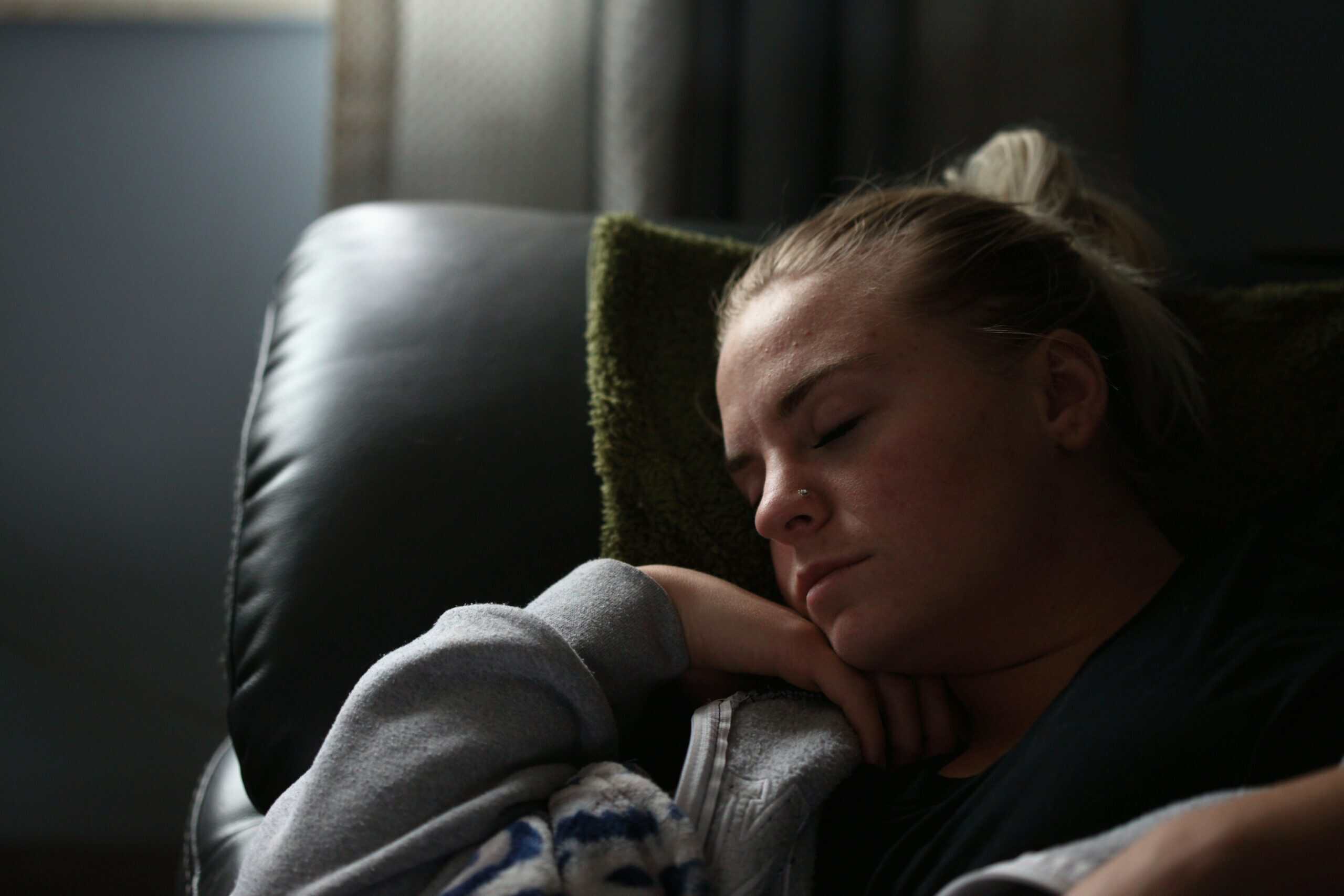
Daytime napping runs into a specific problem: the environment is wrong. Light is coming in, the household is awake, and your body is not expecting to sleep. Most nap advice addresses timing, and the equipment side is what makes a nap actually happen.
| Obstacle | What addresses it |
|---|---|
| Daylight through the window | Sleep mask or blackout coverage |
| Household and street noise | Earplugs or masking sound |
| Napping somewhere uncomfortable | Nap pillow or recliner |
| Sleeping too long | A gentle alarm set before you start |
| Waking groggy | Keeping it under about 20 minutes |
| Napping too late | Earlier in the afternoon |
Key Points
- Short naps avoid the grogginess longer ones produce
- Light blocking matters more during the day than at night
- A set alarm prevents a nap becoming two hours
- Napping late in the day affects night sleep
- Comfort matters less than darkness and quiet for a short nap
- Regular long daytime sleepiness is worth discussing with a doctor
Part of our guide to falling asleep faster.
How We Picked
Light blocking came first. Daytime napping happens in a bright environment, and that is the single largest obstacle.
Portability ranked next, since naps happen on sofas, in cars, and at desks rather than only in bedrooms.
Speed of setup mattered because a nap is twenty minutes, and equipment taking five to arrange eats a quarter of it.
We treated timing and duration as part of the answer rather than only equipment, since the wrong nap length undoes the benefit regardless of what you bought.
Contoured Sleep Masks
Why It Stands Out
Daylight is far brighter than anything you deal with at night, and a mask blocks it wherever you are without changing the room.
Contoured designs with eye cavities let you open your eyes and avoid the pressure flat masks put on the eyelids.
A nose bridge seal is what stops light leaking in at the bottom, which is where most masks fail during the day.
They pack into a bag, which suits napping somewhere other than home.
Worth Knowing
Cheap flat masks press on the eyes and let light in under the nose, which is the combination that makes people give up on them.
Strap adjustment matters, since too tight causes a headache and too loose slides off.
Good anywhere you nap. Skip flat unstructured masks, and options sit in sleep masks.
Nap Pillows and Travel Supports
Why It Stands Out
Naps happen sitting up as often as lying down, and a head unsupported in a chair drops forward and wakes you.
Memory foam neck supports hold the head upright, and the wraparound designs stop the sideways drop that a standard travel pillow allows.
Small nap pillows also work on a desk, which suits people napping at work.
Worth Knowing
Wraparound supports are bulky and awkward to store, which is why people leave them behind.
For lying-down naps a normal pillow is usually fine, so this suits sitting naps specifically.
Good for sitting naps and away from home. Skip for napping in your own bed, and options sit in nap pillows.
Earplugs and Masking Sound
Why It Stands Out
Daytime noise is constant in a way night noise is not. Traffic, household activity, and neighbors all peak during nap hours.
Foam earplugs reduce volume enough for a short nap and cost almost nothing, so keeping a pair in a bag is straightforward.
A masking sound covers the variable noise that earplugs alone leave audible, and a phone app handles it without carrying anything.
Worth Knowing
Full blocking means not hearing an alarm, which matters when the whole point is waking after twenty minutes. Setting a phone to vibrate against you solves it.
Earplugs used repeatedly need cleaning, and reusable silicone suits daily use better than disposable foam.
Good for daytime household noise. Skip full blocking without a tactile alarm, and options sit in earplugs for sleeping.
Blackout Coverage for Daytime Rooms
Why It Stands Out
For anyone napping in the same room regularly, blocking the window beats putting a mask on every time.
Portable blackout panels with suction cups suit rooms where permanent curtains would be unwanted, such as a home office.
Full blackout matters more during the day, since afternoon light through thin curtains is far brighter than streetlight at night.
Worth Knowing
Light enters at the edges rather than through fabric, so coverage past the frame does more than heavier material.
Portable panels leave marks on some window frames and lose suction in heat.
Good for a regular nap room. Skip for napping in varied places, and options sit in blackout curtains.
Recliners and Nap Chairs
Why It Stands Out
A recliner puts you between sitting and lying, which suits a short nap better than a bed does for people who struggle to get up afterward.
Being somewhere other than the bed also keeps the bed associated with night sleep, which matters for anyone with insomnia.
Zero-gravity positions elevate the legs, which many people find more comfortable than flat for a short rest.
Worth Knowing
A comfortable recliner encourages long naps, which is the opposite of what a short nap needs. An alarm matters more here.
They take real floor space, which rules them out for small homes.
Good for regular nappers with room. Skip if you struggle to keep naps short, and options sit in recliners for sleeping.
Gentle Alarms and Timers
Why It Stands Out
The alarm is what separates a nap from accidentally sleeping two hours, which is the failure that makes people avoid napping.
Vibrating alarms wake you without waking a household, and they work through earplugs.
Gradual sound alarms suit waking from light sleep better than an abrupt tone, which is jarring mid-afternoon.
Worth Knowing
Setting it before you lie down is the part people skip, and a nap without a set end time is where the problem starts.
Allow a few minutes to fall asleep when setting the duration, or a twenty-minute alarm gives you twelve minutes of sleep.
Good for every nap. Skip napping without one, and wake-up options sit in wake-up light alarm clocks.
What to Look For
Block light before anything else
Daylight is the largest obstacle to daytime sleep, and a good mask does more than any comfort upgrade.
Set the alarm before you lie down
A nap without a defined end is how twenty minutes becomes two hours and the night gets disrupted.
Match the gear to where you nap
A mask and earplugs travel anywhere. Blackout panels and recliners suit one location and do nothing elsewhere.
Keep setup under a minute
A twenty-minute nap cannot absorb five minutes of arranging things. Simple equipment gets used and complicated equipment does not.
Nap Length and Timing
Short naps avoid grogginess
Around ten to twenty minutes keeps you in lighter sleep, and waking from deep sleep is what produces the heavy disoriented feeling.
Longer naps have a cost
A full sleep cycle of roughly ninety minutes avoids waking mid-cycle, and it takes a large part of an afternoon and affects night sleep more.
Earlier is better
Napping late in the afternoon reduces the sleep pressure that helps you fall asleep at night, which is the main way naps cause problems.
Consistency helps
Napping at roughly the same time each day makes falling asleep quicker, the same way a regular bedtime does.
When You Cannot Actually Fall Asleep
Plenty of people lie down for twenty minutes and stay awake the whole time, which feels like a waste and is not.
Quiet rest with your eyes closed provides some of the restorative benefit even without sleep. Treating the twenty minutes as rest rather than a failed nap changes whether you bother doing it.
The pressure to fall asleep is itself the obstacle. Checking the clock and calculating how long you have left keeps you alert, which is why a set alarm helps by removing the need to track time.
Give it a consistent slot for a couple of weeks. Falling asleep quickly at a set time is a learned pattern, and the first few attempts rarely work.
Accept that some days it will not happen. Caffeine earlier in the day, stress, and simply not being tired enough all prevent it, and forcing it does not help.
If you never manage to nap and you are not tired during the day, that is worth noting as information rather than a problem to solve.
Napping in Bed Against Elsewhere
In bed
Most comfortable and easiest to fall asleep in, and it encourages longer naps and can weaken the bed-sleep association for people with insomnia.
Elsewhere
A sofa or recliner keeps the bed for night sleep and naturally limits how long you stay. Less comfortable, which for a short nap is arguably the point.
Common Mistakes to Avoid
Napping without an alarm
This is the single most common problem. A nap with no defined end regularly runs long and affects the following night.
Napping too late
Late afternoon naps reduce the pressure that helps you fall asleep at bedtime, which is how naps get blamed for insomnia.
Sleeping through the transition
Around thirty to sixty minutes wakes you from deeper sleep, which produces the grogginess people associate with naps generally.
Ignoring persistent daytime sleepiness
Needing long naps regularly, or feeling unrefreshed after normal night sleep, is worth raising with a doctor rather than managing with equipment, and the relationship sits in how naps affect night sleep.
Worth reading next: how naps affect night sleep covers the timing, nap pillows covers support, and sleep masks covers light. For shift work specifically, sleeping during the day and shift worker setups are the relevant guides.
Frequently Asked Questions
How long should a nap be?
Ten to twenty minutes keeps you in lighter sleep and avoids grogginess. A full cycle of around ninety minutes is the other option, and thirty to sixty is the range that leaves you groggy.
What is the best time to nap?
Earlier in the afternoon. Napping late reduces the sleep pressure that helps you fall asleep at night, which is the main way naps cause problems.
Why do I wake up groggy from naps?
Waking from deep sleep rather than light sleep. That happens most in the thirty to sixty minute range, which is why short naps and full cycles both work better.
What helps most for daytime napping?
Blocking light. Daylight is far brighter than anything you deal with at night, and a contoured mask with a nose seal does more than any comfort upgrade.
Should I nap in bed?
It is the easiest place to fall asleep and it encourages longer naps. A sofa or recliner naturally limits duration and keeps the bed associated with night sleep.
Do naps ruin night sleep?
Short early naps generally do not. Long ones and late ones both reduce the pressure that helps you fall asleep at bedtime.
When should I see a doctor about daytime sleepiness?
If you need long naps regularly, feel unrefreshed after a normal night, or fall asleep unintentionally. Those are worth assessing rather than managing with equipment.
