
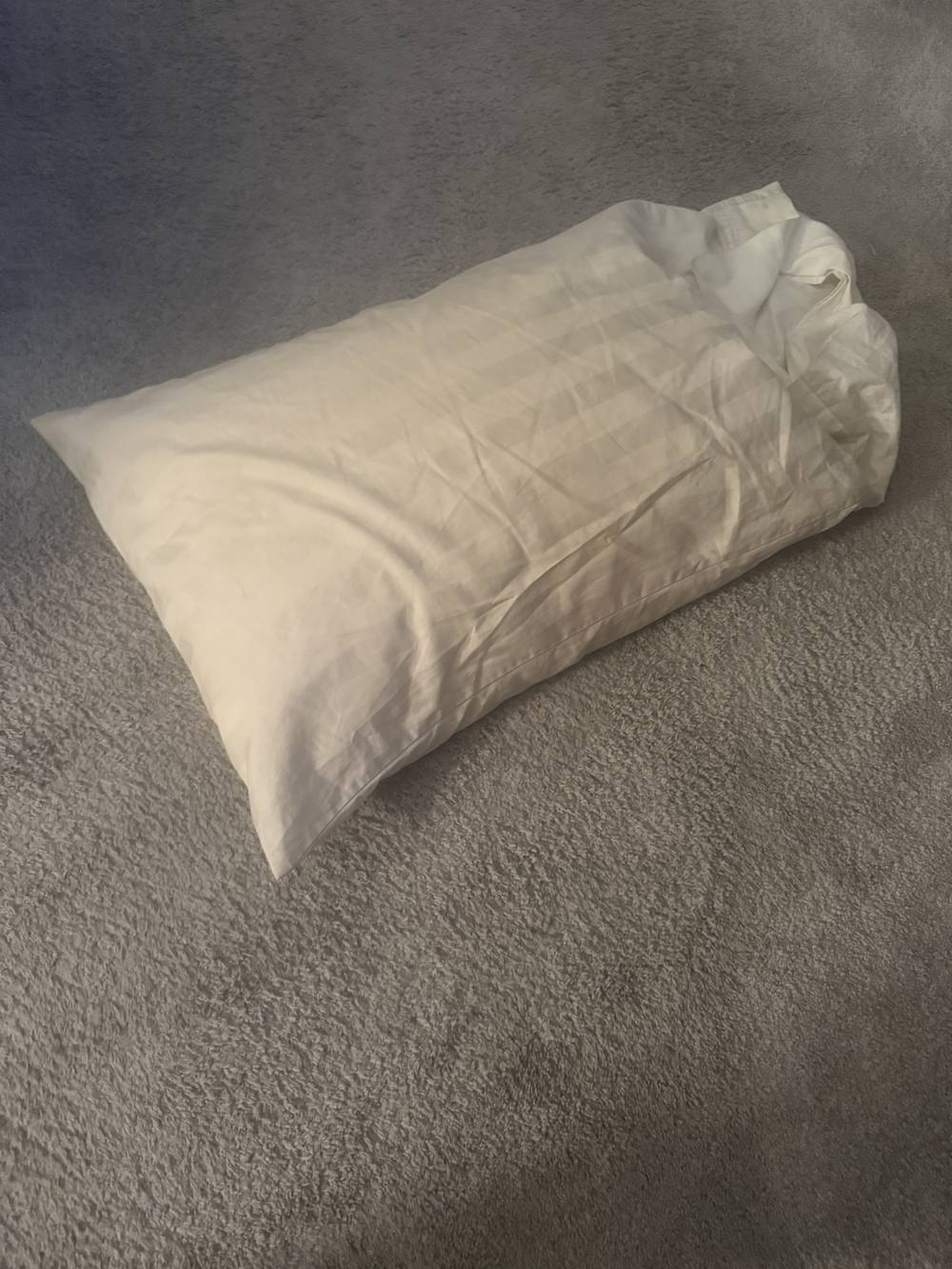
The best nap pillow is compact, keeps your head at the right height for a short rest, and stays cool enough that you drift off fast. Choosing one comes down to the profile, the fill, and how cool it sleeps. I nap on a thin, low-profile pillow I have used for a few years, and I prefer it for naps precisely because it is slim, light, and cool. Below are six nap pillows worth considering, from contoured foam to travel designs. For nighttime, see our cervical pillows guide.
Quick Verdict
For a quick daytime rest, a thin, low-profile cooling pillow is what I reach for, because the slim, cool feel makes it easy to drift off without propping my head too high. If you want more neck support, a contoured foam pillow is better; office nappers should choose a desk pillow, upright nappers a travel neck pillow, and warm rooms call for a dedicated cooling pillow.
Why Trust This Guide
Independent picks, reader-supported through affiliate links at no cost to you. One pick reflects genuine personal use for napping over a few years; the rest draw on product research and general guidance on rest and neck support.
Key Takeaways
- Nap pillows are compact and made for short daytime rest rather than full nights.
- A thin, low-profile pillow keeps the head from being propped too high and stays cool.
- Contoured memory foam gives more head-and-neck support for those who want structure.
- Desk pillows suit forward office naps; travel neck pillows suit upright napping.
- Match the pillow shape and loft to how and where you nap.
How I Picked These Nap Pillows
These picks span the main nap-pillow styles by shape, loft, cooling, and portability, with one, a thin low-profile pillow, being the one I have used for naps for a few years, and the rest chosen from product research. Because a nap pillow is personal to how you rest, I have described my own preference honestly while keeping the other picks research-based.
1. Thin Low-Profile Cooling Pillow, My Nap Pick
The pillow I reach for when I nap is a thin, low-profile one, and I like it more for naps than a thick pillow precisely because it is slim, light, and cool. It makes lying down for a quick rest genuinely easy.
Why It Stands Out
For me the thinness is the whole appeal: a low loft keeps my head from being propped too high for a short daytime rest, and it stays cool and light rather than trapping heat the way a dense, tall pillow can. I drift off faster with it, which is exactly what you want from a nap. As an Arizona hot sleeper, the cool, breathable feel matters even for twenty minutes.
What I Observe
I have napped on the same thin, low-profile pillow for a few years, and its slim, cool feel is still what gets me to sleep fastest for a short rest.
Worth Knowing
A thin pillow gives less neck support than a contoured one, so if you need firm alignment for longer sleep it may feel too flat, and it suits back and stomach napping more than heavy side sleeping. That trade is exactly why I like it for naps rather than full nights. Choose the loft that matches how you rest.
For nighttime, where I want more support, our cooling pillows guide covers those.
Best For: Best for people who nap on their back or front and want a cool, easy, low-loft rest. Skip if you side-sleep through naps and need tall, firm support.
Check Price on Amazon2. Contoured Memory Foam Nap Pillow, Best for Neck Support
A compact contoured memory foam pillow supports the head and neck for a quick nap, cradling the natural curve so you wake without a stiff neck.
Why It Stands Out
The contour fills the gap under the neck and keeps the head aligned during a nap, which helps even for a short rest, and memory foam conforms for pressure relief. A compact size makes it easy to keep on a couch or at a desk. It suits nappers who want structure.
Worth Knowing
Memory foam can sleep warm, so look for a cooling cover for daytime naps in warm rooms. Contoured shapes suit back and side napping more than stomach.
For full-time neck support at night, see our cervical pillows guide.
Best For: Best for nappers who want head-and-neck support. Skip if you prefer a thin, flat feel.
Check Price on Amazon3. Desk Nap Pillow, Best for Office Naps
A desk nap pillow is designed to rest your head on a desk or table, often with an arm cradle or face cutout, ideal for a midday rest at work.
Why It Stands Out
These pillows let you nap forward on a desk comfortably, supporting your head and arms so you do not wake with a dead arm or sore neck, and some have a hollow for your face to breathe. They make short office naps genuinely restful.
Worth Knowing
They are specialized for desk napping and less useful for reclining rests. Choose one that fits your desk setup and nap posture.
Best For: Best for office workers who nap at their desk. Skip if you nap lying down rather than forward on a surface.
Check Price on Amazon4. Travel Neck Pillow, Best for Napping Upright
A U-shaped travel neck pillow supports your head when napping upright in a chair, car, or plane, stopping your head from lolling to the side.
Why It Stands Out
The U-shape cradles your neck so your head stays supported while you doze sitting up, which is exactly the situation naps often happen in, and many pack down small. It turns an upright seat into a nappable spot.
Worth Knowing
Bulkier foam versions take up bag space, though inflatable ones pack down. Fit around your neck matters for real support.
For a lounging option, see our body pillows guide.
Best For: Best for napping upright while traveling or in a chair. Skip if you always nap lying flat.
Check Price on Amazon5. Cooling Nap Pillow, Best for Warm Rooms
A nap pillow with cooling foam or a breathable cover stays comfortable during daytime rests in warm rooms, where heat buildup can cut a nap short.
Why It Stands Out
Cooling gel foam or a breathable cover wicks heat so a short nap does not turn sweaty, which matters more in the warmer daytime hours, and it keeps the surface pleasant for the length of a nap. Comfort in heat is its main draw.
Worth Knowing
Cooling effects are strongest at the start and fade as the pillow warms, so ventilation helps. Pair with a fan in hot rooms.
For nighttime heat, see our cooling pillows guide.
Best For: Best for napping in warm rooms or for hot sleepers. Skip if you nap in a cool space.
Check Price on Amazon6. Budget Nap Pillow, Best Value
An inexpensive compact nap pillow covers the basics for a low price, an easy way to keep a dedicated nap pillow at work or in the car.
Why It Stands Out
Even a budget nap pillow gives you head support for short rests for little money, making it easy to have one in several places, and basic foam or fiber fill works fine for quick naps. The low cost suits keeping a spare at the office.
Worth Knowing
Cheaper pillows may flatten faster or lack cooling, so check the fill. Treat one as a convenient extra rather than a premium pillow.
Best For: Best for keeping an affordable nap pillow handy in multiple spots. Skip if you want cooling or contoured support.
Check Price on AmazonNap Pillow Types at a Glance
| Type | Best For | Loft | Cool |
|---|---|---|---|
| Thin low-profile | Easy back or front naps | Low | Yes |
| Contoured foam | Neck support | Medium | Varies |
| Desk pillow | Office naps | Varies | Varies |
| Travel neck | Upright naps | N/A | Varies |
How to Choose a Nap Pillow
Match the loft to your nap position
A thin, low-profile pillow keeps your head from being propped too high for back or front napping and feels cool and light, while side nappers often want a taller, contoured pillow for neck alignment. Start with how you rest, since that determines the loft you need.
Match the shape to where you nap
A forward desk nap needs a desk pillow, an upright chair nap needs a U-shaped travel pillow, and a lying-down nap suits a thin or contoured pillow. Your usual nap spot points to the shape.
Consider cooling for daytime
Naps happen in the warmer daytime, so a thin, breathable, or cooling pillow keeps short rests comfortable in warm rooms. If you run hot, as I do, prioritize a cool, low-heat surface.
Common Nap Pillow Mistakes to Avoid
Using a tall pillow for a quick rest
A thick, lofty pillow can prop your head too high for a short back nap and trap heat. For easy daytime naps, a thinner, cooler pillow often makes it easier to drift off, which is why I prefer one.
Ignoring cooling for daytime naps
A warm pillow in a sunny afternoon room can make a nap sweaty. In warm spaces, choose a thin, breathable, or cooling pillow to stay comfortable.
Picking the wrong shape for your position
A flat pillow does little for an upright chair nap, and a U-pillow does little lying flat. Match the shape to how you actually nap so the support works.
Thin Low-Profile vs Contoured: Which Nap Pillow
Thin low-profile for cool, easy naps
A thin pillow keeps your head level and stays cool, so you drift off fast for a back or front nap, which is why I use one. It gives less neck support, so it suits naps more than full nights.
Contoured for neck support
A contoured foam pillow cradles the neck and holds alignment, better for side nappers or anyone wanting structure. It can sleep warmer, so look for a cooling cover for daytime use.
Recommended Reading
Frequently Asked Questions About Nap Pillows
What is a nap pillow?
A nap pillow is a compact, supportive pillow designed for short daytime rest, whether lying down, at a desk, or sitting upright. It provides head support without the bulk of a full bed pillow, and some people prefer a thin, cool one for easy napping.
Is a thin pillow good for naps?
Many people, including me, prefer a thin, low-profile pillow for naps because it keeps the head from being propped too high and stays cool and light, making it easy to drift off. It suits back and front napping more than heavy side sleeping.
What is the best nap pillow for the office?
A desk nap pillow designed to rest your head forward on a desk, often with an arm cradle or face cutout, is best for office naps. It supports your head and arms so you do not wake sore.
Are memory foam pillows good for naps?
Contoured memory foam supports the head and neck well for naps, though it can sleep warm, so a cooling cover helps for daytime use. Those who prefer a flat, cool feel may like a thin low-profile pillow instead.
How do I nap upright without neck pain?
A U-shaped travel neck pillow supports your head when napping upright in a chair, car, or plane, preventing your head from falling to the side. Fit around your neck is key for real support.
Should a nap pillow be cooling?
Cooling helps because naps happen in warmer daytime hours when heat can make a short rest sweaty. If you run hot or nap in a warm room, a thin, breathable, or cooling pillow is worth choosing, which is what I look for.
Can I use a nap pillow at night?
You can, but nap pillows are compact and made for short rests, so a full-size pillow suited to your sleep position is usually better for a whole night. A thin nap pillow in particular may be too flat for full-night side sleeping.
Pillow needs vary with position and purpose. matching a pillow to your sleep position covers loft.
