
Softening a firm mattress takes thickness and low density, and most people buy the wrong thing because the shelf is full of toppers designed for other jobs. A thin cooling topper does not soften anything, and a high-density foam adds support rather than cushioning.
The specification that matters is three inches or more of low-density material. Below that you are changing the surface feel rather than how far you sink, and how far you sink is what firmness means.
My Experience
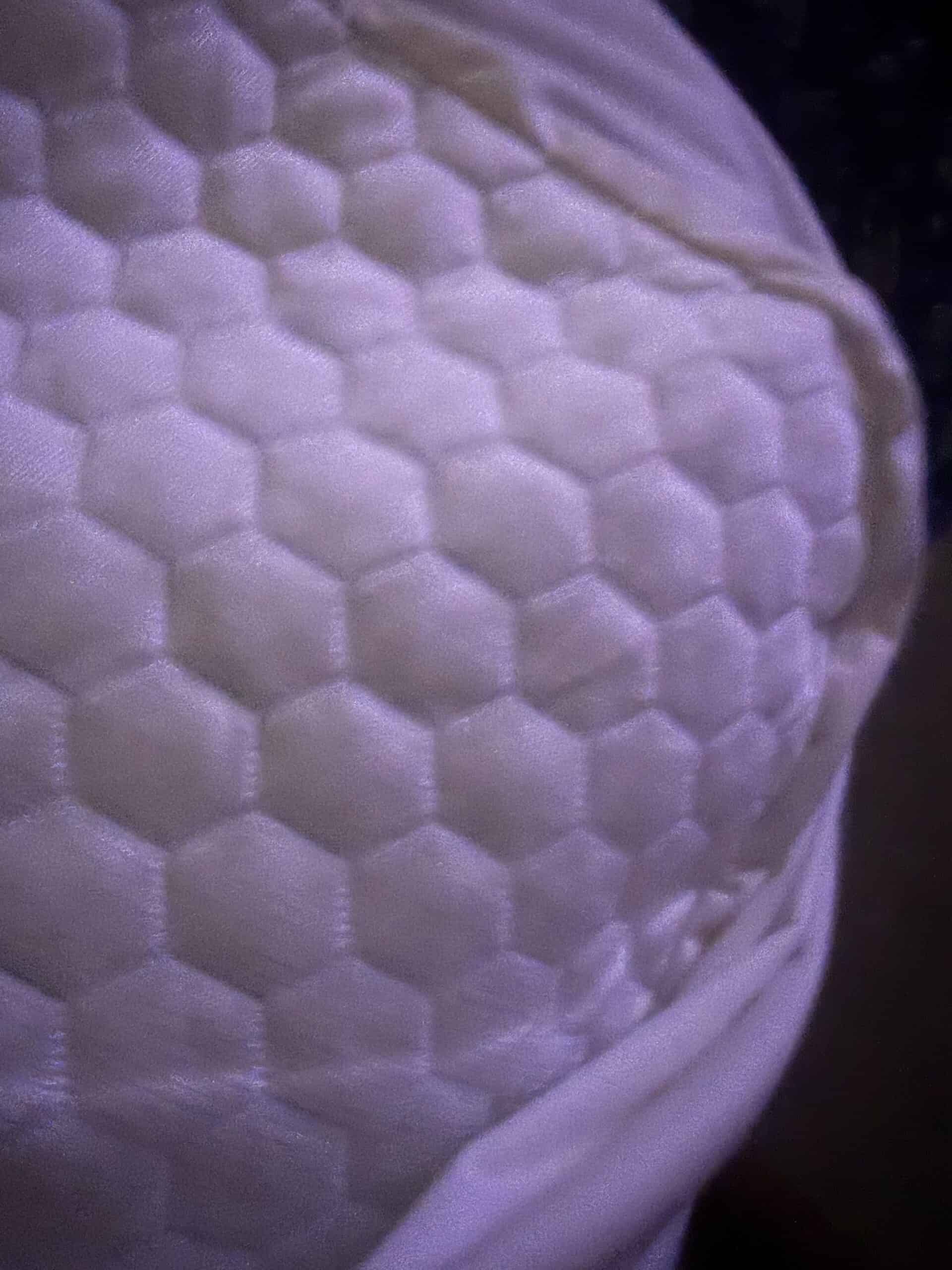
I bought my topper for cooling rather than firmness, and it is a thin gel foam. It stays put well under the sheet, which is the practical thing I would report about it.
I do think it helps comfort, though I would not claim it softened the mattress. A thin cooling topper is a different product from a firmness topper, and mine is the former.
Which is worth saying because the shelf does not make that obvious. If your mattress is too firm, a two-inch gel cooling topper is not the fix, and I own the evidence for that rather than the reverse.
Quick Verdict
Three to four inches of low-density memory foam or soft latex softens a firm mattress meaningfully. Thin toppers and high-density foams change the surface without changing the feel. Check density in pounds per cubic foot rather than trusting words like plush or soft.
How We Picked
Thickness came first, because it sets the ceiling on how much a topper can do. Below two inches nothing meaningfully changes how far a body sinks.
Density mattered next and is the specification most listings omit. Low-density foam compresses under body weight, and high-density foam resists it, so the same thickness can feel entirely different.
Support without collapse ruled some options out. A topper soft enough to feel plush and thin enough to bottom out leaves you resting on the firm mattress anyway. Our guide to the firm versus plush question walks through both directions in detail.
We separated cooling from softening deliberately, since products marketed for one are frequently bought expecting the other.
Three-Inch Memory Foam Topper
Why It Stands Out
The standard answer for a mattress that is genuinely too firm. Three inches is enough depth for the foam to contour around shoulders and hips rather than compressing flat.
Memory foam also distributes pressure rather than pushing back, which is what makes a firm surface feel harsh at the contact points.
Worth Knowing
Memory foam retains heat, and adding three inches of it over a mattress makes any existing heat problem worse. Cooling versions help and do not eliminate it.
New foam off-gasses for several days, which is normal and unpleasant. Airing it before putting sheets on is worth the wait.
Best for side sleepers on a firm mattress with shoulder or hip pressure. Skip if you already sleep hot, where the tradeoff may not be worth it.
Four-Inch Plush Topper
Why It Stands Out
Where three inches is not enough, four gives noticeably more give and works on mattresses that are very firm rather than moderately so.
The extra depth also prevents bottoming out for heavier sleepers, who compress a thinner topper flat and end up feeling the mattress underneath regardless.
Worth Knowing
Four inches changes the bed height enough that standard fitted sheets stop fitting. Deep-pocket sheets become necessary rather than optional.
It is also heavy and awkward to move or rotate, which matters when it needs airing or the mattress needs turning.
Best for very firm mattresses and heavier sleepers. Skip if your sheets are standard depth and you do not want to replace them.
Soft Latex Topper
Why It Stands Out
Latex softens the surface while pushing back rather than sinking, which suits people who find memory foam too enveloping. It also runs considerably cooler than memory foam.
Durability is the long-term argument. Latex holds its shape for years where cheaper foam compresses and develops permanent body impressions.
Worth Knowing
Soft latex is still more responsive than memory foam, so it softens less at the same thickness. Anyone wanting to sink in will find it insufficient.
It costs substantially more, and natural latex more again than synthetic.
Best for hot sleepers who need softening and cannot tolerate memory foam. Skip on a budget, where thickness buys more than material does.
Feather or Down Alternative Topper
Why It Stands Out
Creates a soft cushioned surface immediately with none of the sinking sensation foam produces. For anyone who wants plushness rather than contouring, this is the different approach.
It also breathes far better than foam, which matters when adding a layer to a bed that already sleeps warm.
Worth Knowing
Fill compresses under body weight and needs redistributing regularly, otherwise it flattens where you sleep and stays thick elsewhere.
It softens the surface without providing support, so a firm mattress underneath still feels firm to the hips and shoulders after the fill compresses.
Best for people who want a plush surface rather than pressure relief. Skip if the problem is pressure points rather than surface hardness. Fill comparisons sit in down against down alternative.
Gel-Infused Memory Foam Topper
Why It Stands Out
Addresses the main objection to memory foam by conducting heat away from the body. At three inches or more it softens meaningfully while running cooler than standard foam.
For anyone whose mattress is both too firm and too hot, this handles both without needing two separate layers.
Worth Knowing
Gel infusion reduces heat retention rather than eliminating it. A three-inch gel topper still sleeps warmer than latex or a feather bed.
Thin gel toppers are sold for cooling rather than softening, and buying one expecting a firmness change is the common mistake. Whether they deliver on cooling sits in whether cooling toppers work.
Best for firm mattresses in warm rooms. Skip anything under two inches if softening is the goal.
Deep-Pocket Fitted Sheets
Why It Stands Out
The purchase people forget until the topper arrives. A three or four inch topper puts the total depth beyond what standard fitted sheets accommodate, and a sheet that pops off overnight ruins the whole arrangement.
Deep-pocket sheets also hold the topper in place, which prevents the shifting that makes toppers feel unstable.
Worth Knowing
Pocket depth is stated inconsistently between brands, so measuring your mattress plus topper and comparing against the number matters.
Very deep pockets on a shallow bed leave excess fabric that bunches, so overbuying has its own cost.
Best for anyone adding three inches or more. Skip only if your current sheets already have deep pockets.
What Actually Softens a Bed
| Thickness | Effect on firmness | Suits |
|---|---|---|
| Under 2 inches | Surface feel only | Cooling, protection |
| 2 inches | Slight softening | Marginally firm mattresses |
| 3 inches | Meaningful softening | Most too-firm mattresses |
| 4 inches | Substantial change | Very firm beds, heavier sleepers |
| Any thickness, high density | Adds support, not softness | Sagging mattresses |
Density Matters as Much as Thickness
Density describes how much material occupies a given volume, measured in pounds per cubic foot. Low-density foam compresses easily under body weight, and high-density foam resists.
That means two toppers of identical thickness can feel opposite. A three-inch high-density topper adds firmness, which is the correct choice for a sagging mattress and the wrong one for a hard one.
Listings frequently omit density and use words instead. Where a number is not given, the product is usually not built for softening, and the wider decision sits in topper against a new mattress.
When a Topper Will Not Fix It
A mattress that is too firm for your body type may need replacing rather than covering. Toppers change the top few inches, and support comes from underneath.
Pain that persists after adding three or four inches of soft foam suggests the issue is support rather than surface hardness. That is a mattress problem.
Sagging is the opposite problem and a topper laid over a valley reproduces the valley. Firmness guidance sits in choosing a mattress, and testing before committing sits in testing a mattress.
What to Check Before Buying
Thickness against how firm it is
Moderately firm responds to three inches. Very firm usually needs four. Under two inches will not change how the bed feels regardless of material.
Density in pounds per cubic foot
Low density for softening, high density for support. Where the number is missing, assume the product was not designed for this job.
Whether it stays put
Toppers with elasticated corners or a non-slip base stay where you put them. Loose foam slabs migrate under a sheet.
Sheet depth
Measure the mattress, add the topper, and compare against your fitted sheets before ordering rather than afterwards.
Recommended Reading
- whether to top or replace
- the cooling side
- firmness from the start
- the opposite problem
- toppers for two sleepers
- keeping one usable
Related: mattress toppers for guest beds.
Related: mattress protectors for kids beds.
Frequently Asked Questions
How thick should a topper be to soften a firm mattress?
Three inches for most too-firm mattresses and four for very firm ones or heavier sleepers. Anything under two inches changes the surface feel without changing how far you sink.
Will a cooling topper make my mattress softer?
Usually not. Cooling toppers are typically thin and built to move heat rather than to cushion. Softening needs depth and low density, which are different specifications entirely.
What density should I look for?
Low density for softening, since it compresses under body weight. High density adds support and firmness, which suits a sagging mattress rather than a hard one.
Memory foam or latex for a firm bed?
Memory foam softens more at the same thickness by contouring around pressure points. Latex softens less and sleeps considerably cooler, which suits people who dislike sinking in.
Will I need new sheets?
With three inches or more, probably. Standard fitted sheets do not accommodate the extra depth and pop off overnight, so deep-pocket sheets are part of the purchase.
Do toppers slide around?
Plain foam slabs can. Designs with elasticated corners or a non-slip backing stay in place, and a well-fitted deep-pocket sheet holds most toppers steady.
Should I just replace the mattress instead?
A topper is the cheaper test. If three or four inches of soft foam does not resolve the discomfort, the problem is support rather than surface firmness, and that means the mattress.
