
For the foundational guidance behind these picks, see the comprehensive mattress buyer's guide.
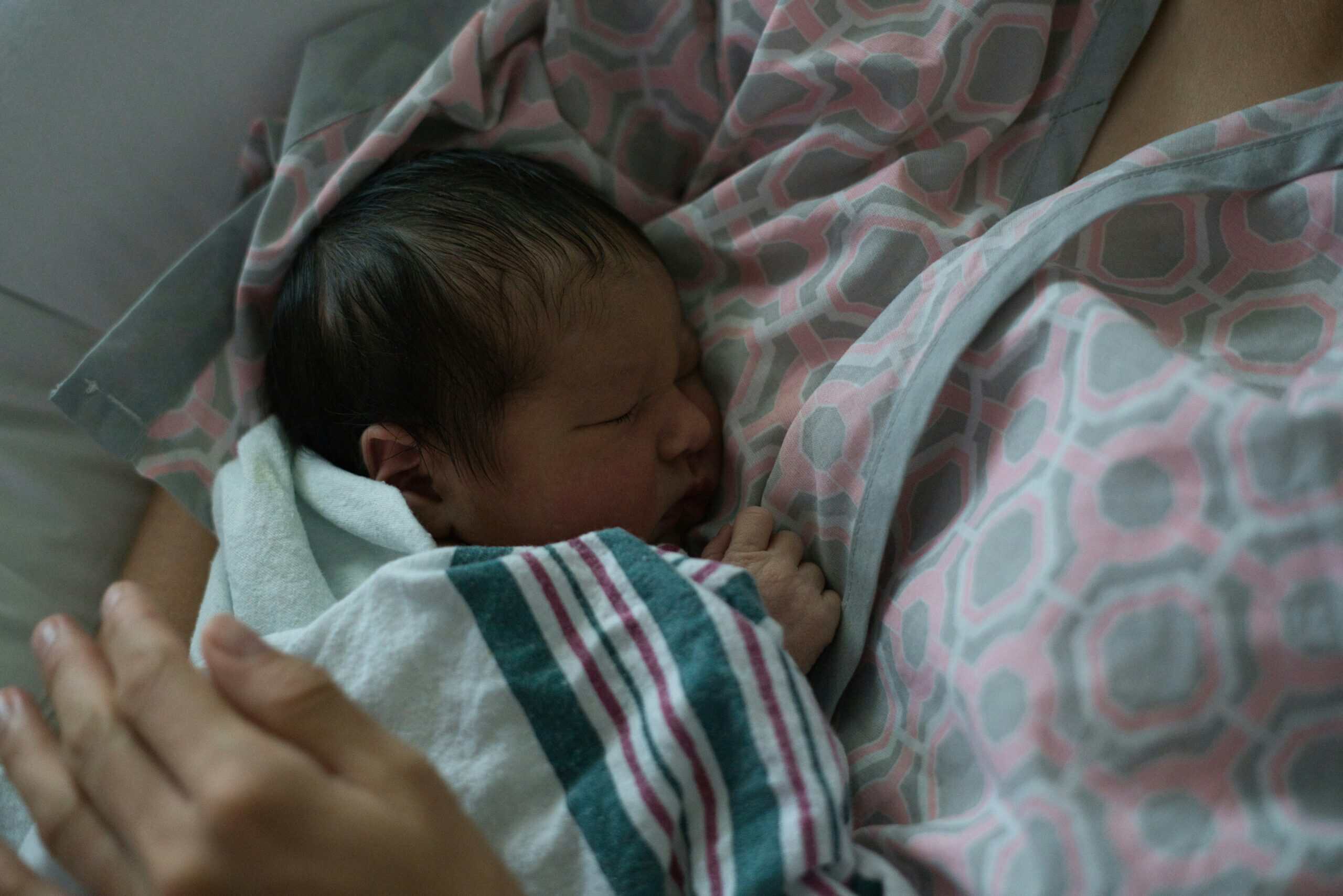
A good swaddle blanket wraps a newborn snugly to calm their startle reflex and help them settle, and the easiest designs make a secure wrap simple for tired parents at 3 a.m. The best swaddle blankets balance a snug upper wrap with room for the hips to move, use breathable fabric to avoid overheating, and suit safe-sleep guidance. This is general information, not medical advice; follow your pediatrician’s guidance for your baby. The six picks below cover swaddle styles for every newborn and parent. If you are weighing options, our guide on the best baby sleep sacks goes deeper.
Quick Verdict
An adjustable Velcro or zip swaddle is the easiest choice for a consistently snug wrap without complicated folding. Whatever style you choose, always place a swaddled baby on their back to sleep, keep the wrap snug at the arms but loose at the hips, use breathable fabric to prevent overheating, and stop swaddling as soon as your baby shows signs of trying to roll.1
Why Trust This Guide
Independent picks, reader-supported through affiliate links at no cost to you. Because infant sleep is a safety topic, the guidance here follows the American Academy of Pediatrics and the U.S. Consumer Product Safety Commission rather than marketing claims, with sources cited below. This is not medical advice; always follow your pediatrician and current safe-sleep guidance.
Key Takeaways
- Always place a swaddled baby on their back to sleep, on a firm, flat surface with nothing loose in the sleep space.1
- Swaddle snugly around the arms and chest but leave room for the hips and legs to bend and move.1
- Use breathable fabric and dress lightly, since overheating is a safety concern.1
- Stop swaddling as soon as your baby shows any signs of trying to roll over.1
How We Picked the Best Swaddle Blankets
We looked at ease of a secure wrap, breathability, hip-healthy design, and fabric quality, all within safe-sleep guidance. Ease and a reliably snug wrap led, since a swaddle that comes loose is both frustrating and a safety concern. We valued breathable fabrics to reduce overheating, roomy hip designs, and simple, washable construction. The picks span traditional wraps and adjustable designs for different parents.
1. Adjustable Velcro Swaddle
Why It Stands Out
An adjustable Velcro swaddle is the best pick for ease. Wings that fasten around the baby give a consistently snug wrap without the folding a traditional blanket requires, which helps tired parents get it right every time. For simplicity at night, the adjustable design is the friendliest.
Worth Knowing
The fastening can be loud when opened, which may stir a light sleeper. Choose a size that fits your baby snugly at the arms while leaving the hips free to move.1
Choose it if you want the easiest secure wrap. Skip it if you prefer a simple fabric blanket.
Check Price on Amazon2. Zip-Up Swaddle Sack
Why It Stands Out
A zip-up swaddle sack is the best pick for quiet nighttime changes. The baby slides in and the zipper closes, giving a snug wrap with a quieter opening than Velcro, which helps during diaper changes without fully waking the baby. For minimal disturbance, the zip design is convenient.
Worth Knowing
Look for a two-way zipper so you can open the bottom for changes without unwrapping the arms. Confirm the sack allows the hips and legs to move freely.1
Choose it if you want quiet, easy changes. Skip it if you prefer adjustable arm wings.
Check Price on Amazon3. Traditional Muslin Swaddle Blanket
Why It Stands Out
A traditional muslin swaddle blanket is the best pick for breathability and versatility. The light, airy weave helps prevent overheating and the large square doubles as a nursing cover, stroller shade, or burp cloth, making it a flexible staple. For a breathable, multi-use option, muslin is a classic.1
Worth Knowing
A flat blanket requires learning the wrapping technique to stay snug and secure. Practice the fold so it holds, and stop using it for swaddling once your baby starts trying to roll.1
Choose it if you want breathable, versatile fabric. Skip it if you want a no-fold adjustable wrap.
Check Price on Amazon4. Transitional Arms-Up Swaddle
Why It Stands Out
An arms-up transitional swaddle is the best pick for babies moving past the tight wrap. It keeps a cozy, snug feel while letting the arms rest up near the face, easing the shift toward arms-free sleep as a baby approaches the rolling stage. For the transition period, this design bridges the gap.
Worth Knowing
This style suits the transition, but once a baby actively rolls, move to a sleep sack with arms free.1 Check the fabric is breathable to avoid overheating.
Choose it if your baby is nearing the rolling stage. Skip it for a newborn who still needs a full wrap.
Check Price on Amazon5. Hip-Healthy Swaddle
Why It Stands Out
A swaddle designed with a roomy lower pouch is the best pick for hip health. It keeps the arms snug while giving the hips and legs plenty of room to bend and spread, which pediatric guidance recommends to support healthy hip development. For parents focused on hip-friendly design, this style prioritizes it.1
Worth Knowing
Every swaddle should allow hip movement, so this is about a design that makes it easy. Still follow all safe-sleep basics, including back sleeping and a bare sleep space.1
Choose it if you want an easy hip-healthy design. Skip it only if another style already leaves the hips free.
Check Price on Amazon6. Budget Swaddle Set
Why It Stands Out
An affordable multipack is the best value pick. Swaddles get soiled often and need frequent washing, so a budget set of several gives you spares in rotation without a high cost. For covering laundry cycles, a value multipack is practical.
Worth Knowing
Check that budget fabrics are genuinely breathable and the fasteners hold snugly. Wash before first use and follow the care label.
Choose it if you want spares affordably. Skip it if you prefer a single premium swaddle.
Check Price on AmazonSwaddle Blankets at a Glance
| If you want this | Reach for | Why |
|---|---|---|
| The easiest wrap | Velcro Swaddle | Snug with no folding |
| Quiet changes | Zip Sack | Quieter than Velcro |
| Breathability | Muslin Blanket | Airy and versatile |
| Nearing rolling | Arms-Up Swaddle | Eases the transition |
| Hip-friendly design | Hip-Healthy | Roomy lower pouch |
| The best value | Budget Set | Spares for laundry |
How to Choose a Swaddle Blanket
Put Safe Sleep First
Whatever swaddle you choose, safe-sleep basics come first: always place your baby on their back, on a firm, flat surface, with nothing loose in the sleep space.1 Set up the sleep area with a firm crib mattress or bassinet mattress and a snug fitted sheet, keeping the swaddle as the only wrap.
Choose Snug Arms, Loose Hips
A good swaddle is snug around the arms and chest to calm the startle reflex but roomy at the hips so the legs can bend and spread freely.1 This hip room supports healthy hip development, so avoid wrapping the legs tightly straight down.
Prioritize Breathable Fabric
Overheating is a safety concern, so choose breathable fabrics like muslin or lightweight cotton and dress your baby lightly under the swaddle.1 A comfortable room temperature and light layers help, and a nursery humidifier can keep the air comfortable without adding heat. A calm room also helps a baby settle, so many parents add blackout curtains, a white noise machine or sound machine, a soft nightlight, and a bedroom air purifier.
Plan for the Transition
Swaddling should stop as soon as your baby shows any signs of trying to roll, usually around a couple of months, after which a sleep sack with arms free is safer.1 Choosing an easy-to-use style and having a transitional option ready makes that shift smoother.
Common Swaddling Mistakes to Avoid
Swaddling the Hips Too Tightly
Wrapping the legs tightly straight down restricts the hips and is discouraged. Leave room at the hips so the legs can bend and spread, which supports healthy hip development while the arms stay snug.1
Continuing Past the Rolling Stage
Swaddling a baby who can roll is a safety risk, since a swaddled baby who rolls to their stomach cannot easily reposition. Stop swaddling at the first signs of rolling and move to an arms-free sleep sack.1
Overheating the Baby
Heavy fabric plus warm clothing can cause overheating, which is a safety concern. Use breathable fabric, dress your baby lightly, and keep the room at a comfortable temperature so the baby does not get too warm.1
Adding Loose Bedding
The swaddle itself is the only covering a baby needs, and loose blankets or soft items in the sleep space are unsafe. Keep the crib or bassinet bare aside from a fitted sheet, following safe-sleep guidance.1,2
Recommended Reading
Frequently Asked Questions
Is it safe to swaddle a baby?
Swaddling can be safe when done correctly: place the baby on their back, keep the wrap snug at the arms but loose at the hips, use breathable fabric to prevent overheating, and stop once the baby shows signs of rolling.1 Always follow current safe-sleep guidance and your pediatrician’s advice.
When should I stop swaddling?
Stop swaddling as soon as your baby shows any signs of trying to roll over, which is often around two months but can be earlier.1 After that, a sleep sack with the arms free is safer, since a swaddled baby who rolls cannot easily reposition.
How tight should a swaddle be?
Snug around the arms and chest to calm the startle reflex, but loose enough at the hips for the legs to bend and spread freely.1 You should be able to fit a couple of fingers between the swaddle and the baby’s chest, and the hips should never be wrapped tightly straight.
What fabric is best for a swaddle?
Breathable fabrics like muslin or lightweight cotton are good choices because they help prevent overheating, which is a safety concern.1 Dress your baby lightly under the swaddle and keep the room at a comfortable temperature to avoid getting too warm.
Can swaddling affect my baby’s hips?
Wrapping the legs tightly straight down can stress developing hips, so pediatric guidance recommends leaving room for the hips and legs to bend and spread.1 A hip-healthy swaddle keeps the arms snug while giving the lower body freedom to move.
Velcro, zip, or blanket swaddle: which is best?
Velcro and zip swaddles are easiest for a consistently snug wrap, while a traditional blanket is breathable and versatile but requires folding technique. The best choice depends on your preference, as long as the swaddle follows safe-sleep basics of back sleeping, snug arms, and free hips.
How many swaddles do I need?
Because swaddles get soiled and washed often, several in rotation is practical, which is why budget multipacks are popular. Having spares means you always have a clean one ready during laundry cycles, without needing many premium wraps.
Do I still need safe-sleep precautions when swaddling?
Yes, swaddling does not replace safe-sleep basics. Always place the baby on their back on a firm, flat surface, keep the sleep space bare aside from a fitted sheet, avoid overheating, and stop swaddling at the rolling stage.1,2 Follow your pediatrician’s guidance.
Sources
- American Academy of Pediatrics, HealthyChildren.org, A Parent’s Guide to Safe Sleep, on back sleeping, a bare firm sleep surface, avoiding overheating, and safe swaddling including stopping at the rolling stage and allowing hip movement. https://www.healthychildren.org/English/ages-stages/baby/sleep/Pages/a-parents-guide-to-safe-sleep.aspx
- U.S. Consumer Product Safety Commission, Safe Sleep, on keeping the infant sleep space free of loose bedding and soft objects. https://www.cpsc.gov/SafeSleep
More in this guide: how to improve sleep quality naturally.
