
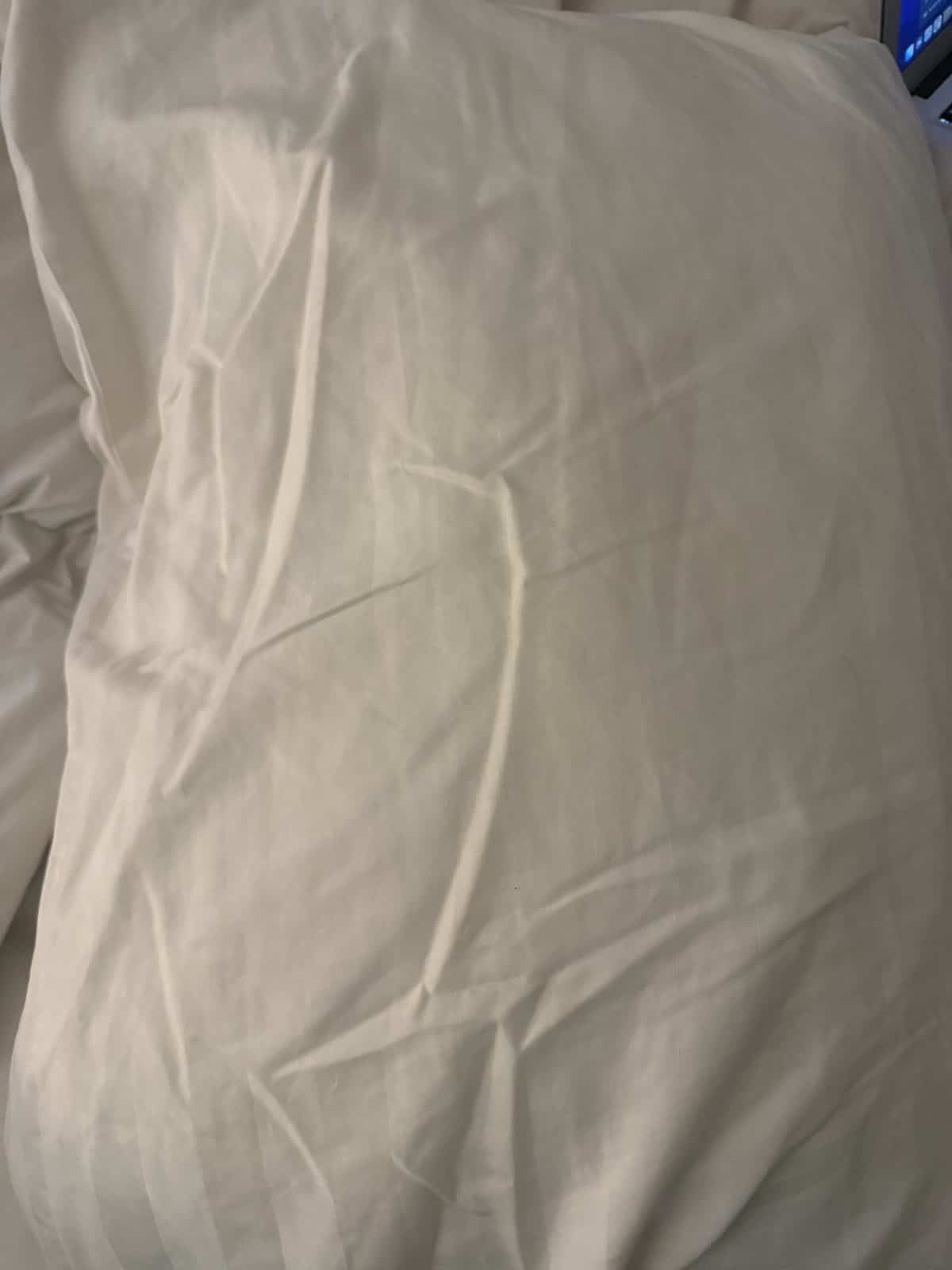
If you want the most benefits and breathability and do not mind the price or the careful washing, silk wins; if you want most of that smoothness for far less money and easy machine washing, satin is the smart pick. That is the heart of the silk vs satin pillowcase question, and it hinges on one fact people often miss: silk is a natural fiber, while satin is a type of weave, usually made from synthetic threads. Both give you the smooth, low-friction surface that is gentler on hair and skin than cotton, but they differ in feel, care, and cost. I sleep on a satin pillowcase myself, so this guide pairs that hands-on experience with product research and the sleep and dermatology sources cited below. If you are still sorting out the pillow underneath, our guide to choosing the right pillow pairs well with this.
Quick Verdict
Silk is the premium choice: the smoothest, most breathable, and gentlest on hair and skin, but it costs more and needs delicate care. Satin delivers much of that silky feel at a fraction of the price and washes easily in the machine. For a practical, low-maintenance upgrade, satin is hard to beat.
Why Trust This Guide
Reader-supported through affiliate links at no cost to you. I am a side sleeper who uses a satin pillowcase, so I can speak firsthand to how satin feels, washes, and wears. First-person notes here describe the satin pillowcase I actually use, in my own words with no brand claimed, while the silk side and all hair and skin claims follow the sources cited below.
Key Takeaways
- Silk is a natural protein fiber; satin is a weave, usually synthetic, so “satin” describes construction, not material.
- Both reduce friction versus cotton, helping with hair frizz and breakage and skin creasing.
- Silk is more breathable and better for hot sleepers, but pricier and more delicate to wash.
- Satin is affordable, machine-washable, and vegan, with silk-like smoothness and slightly fewer natural benefits.
How We Compared Silk vs Satin Pillowcases
We compared these two on the things that actually change your sleep and your morning: feel, hair and skin benefits, breathability, care, cost, and durability. We leaned on sleep and dermatology sources for the material science, since the Sleep Foundation notes that silk is a natural fiber while satin is a weave that can be made from silk or, more often, synthetics. We weighed the hair and skin friction benefits that both share, and the breathability and care differences that set them apart. Where it helps, I add what I have noticed living with a satin pillowcase, kept to feel, washing, and fit rather than beauty claims.
Silk vs Satin at a Glance
| Factor | Silk | Satin |
|---|---|---|
| What it is | Natural protein fiber | A weave, usually synthetic |
| Feel | Buttery, luxurious | Smooth, glossy |
| Breathability | High, cool for hot sleepers | Lower, can trap heat |
| Hair and skin | Best friction reduction | Good, slightly less |
| Care | Delicate, often hand wash | Machine washable, easy |
| Price | Higher | Budget-friendly |
| Durability | Strong with careful care | Can fray sooner |
Silk Pillowcases: Pros and Cons
Pros
- A natural protein fiber with the smoothest surface, best for reducing hair breakage and skin creasing.
- Breathable and temperature-regulating, which hot sleepers appreciate.
- Hypoallergenic and resistant to dust mites, and less absorbent so it helps skin keep its moisture.
- Durable and luxurious in feel when cared for properly.
Cons
- Considerably more expensive than satin.
- Delicate care, often hand washing or a gentle cycle and air drying.
- Quality varies, so you want genuine mulberry silk with a stated momme weight.
Silk suits sleepers who want the maximum hair, skin, and cooling benefits and are willing to pay more and wash gently. It is less ideal if you want a cheap, toss-in-the-machine option.
Satin Pillowcases: Pros and Cons
Pros
- Affordable, delivering silk-like smoothness for a fraction of the price.
- Easy care, machine washable on a delicate cycle without special handling.
- Vegan and cruelty-free, and available in many colors and patterns.
- Still low-friction, so it helps reduce hair frizz and skin creasing versus cotton.
Cons
- Synthetic satin is less breathable and can trap heat against the skin.
- Fewer natural benefits than silk, and it may fray or wear out sooner.
- Quality ranges widely depending on the fibers used.
The satin pillowcase I use is genuinely soft and feels high quality, it washes easily and comes out fine, and it stays put on my pillow instead of sliding off, which is a small thing that annoys people with slippery cases. For a practical, budget-friendly upgrade, satin does the job. It is less ideal if you run very hot or want the absolute best natural fabric.
Head-to-Head on Hair and Skin
Silk wins on hair and skin, though satin is closer than its price suggests. Both fabrics are far smoother than cotton, so both reduce the friction that causes frizz, tangles, hair breakage, and sleep creases. Silk edges ahead because its natural protein fibers are the smoothest of all and, being less absorbent, they let your skin and overnight skincare keep their moisture rather than wicking it away. Dermatology-reviewed sources also note silk’s hypoallergenic quality, which suits sensitive or acne-prone skin. Satin still delivers a real, noticeable improvement over cotton, which is why so many people are happy with it, but for the maximum benefit, silk is the gentler surface.
Head-to-Head on Breathability and Temperature
Silk wins on staying cool. As a natural fiber, silk is more breathable and temperature-regulating, so the Sleep Foundation notes that hot sleepers often prefer it. Synthetic satin, by contrast, can trap heat and moisture against the skin, which warm sleepers may notice on hot nights. Living in a hot climate, I find my satin case feels cool and smooth when I first lie down, though a natural fiber would breathe better over a whole night. If you sleep hot or live somewhere warm, this is the category that most favors silk, and it is worth pairing either pillowcase with cooling pillows for hot sleepers if temperature is your main concern.
Head-to-Head on Care, Cost, and Convenience
Satin wins decisively on practicality. It is far cheaper than silk and machine washable on a delicate cycle, so you can keep it clean without fuss. Washing pillowcases regularly matters, since they collect hair oils and skin bacteria, and satin makes that routine easy. Silk, by contrast, usually needs hand washing or a very gentle cycle and air drying, and it costs more up front. In my experience, easy washing is a big part of why a satin case is livable day to day: I can clean it often without babying it. If budget and low maintenance rank high for you, satin is the clear pick.
Which Should You Choose
| If this is you | Better choice |
|---|---|
| You want the best hair and skin benefits | Silk |
| You sleep hot or live somewhere warm | Silk |
| You want silky feel on a budget | Satin |
| You want easy machine washing | Satin |
| You prefer a vegan, cruelty-free option | Satin |
| You have sensitive or acne-prone skin | Silk |
How to Choose Between Them
Start with your priorities. If maximum hair and skin benefit, breathability, and a natural fabric matter most, and you will treat it gently, choose silk, and look for genuine mulberry silk with a stated momme weight rather than a vague “silky” label. If you want most of that smoothness without the price or the careful washing, choose satin and enjoy an easy, affordable upgrade over cotton.
Whichever you pick, a couple of details help. Look at fit, since a pillowcase that slips off all night is a daily irritation, so an envelope closure or a snug size keeps it in place. And plan to wash it regularly, because a smooth pillowcase still gathers oils and bacteria. If you are weighing a beauty-focused option, our guide to pillowcases for acne-prone skin goes deeper on that angle.
The Verdict
Silk is the better pillowcase in absolute terms: the smoothest, most breathable, and gentlest on hair and skin, and the choice if you want the best and will pay for it and wash it with care. Satin is the better value: it captures most of that silky, low-friction feel for far less money and washes with no fuss, which is exactly why it is such a popular everyday pick. Think of it as best-in-class versus best-for-most. As a side sleeper who uses satin, I get a soft, cool-feeling surface that stays on the pillow and cleans easily, and for many people that practical package is all they need. If temperature or the ultimate natural fabric is your priority, spring for silk.
Recommended Reading
- choosing bedding fabric generally
- silk pillowcases
- pillowcases for acne-prone skin
- choosing the right pillow
- pillows for side sleepers
- cervical pillows
- bamboo sheets
- cooling blankets
- fluffing a pillow
Common Mistakes and Misconceptions
Thinking Satin and Silk Are the Same
Silk is a fiber and satin is a weave, so a satin pillowcase is usually synthetic unless it is labeled silk satin. If a product says only “satin” with no mention of silk, assume it is made from polyester or a similar synthetic, which affects breathability and benefits.
Expecting Miracles From Either
Both fabrics reduce friction and can help with frizz and sleep lines, but neither is a cure for hair or skin problems. Treat a smooth pillowcase as a helpful, gentle upgrade over cotton, not a replacement for good hair and skin care.
Skipping Regular Washing
A luxurious pillowcase still collects oils, skincare residue, and bacteria. Wash it regularly, satin easily in the machine on delicate and silk more gently, so the surface against your face stays clean, which matters as much as the fabric itself.
Ignoring Fit and Closure
A slippery pillowcase that slides off ruins the experience. Check the size and closure, an envelope or zippered design stays put better, so your case stays on the pillow through the night rather than bunching on the floor.
Frequently Asked Questions
Is silk or satin better for your hair?
Both are smoother than cotton and reduce friction that causes frizz and breakage, but silk performs a little better because its natural fibers are the smoothest. Satin still gives a noticeable improvement over cotton, making it a solid, affordable choice for hair.
What is the difference between silk and satin?
Silk is a natural protein fiber from silkworm cocoons, while satin is a type of weave that can be made from silk or, more commonly, synthetic fibers like polyester. So silk describes the material and satin describes how the fabric is woven.
Is satin as good as silk for skin?
Satin offers similar low-friction smoothness, so it helps reduce skin creasing much like silk. Silk goes further by being more breathable and less absorbent, which helps skin retain moisture, and it is hypoallergenic, so it has an edge for sensitive or acne-prone skin.
Which is easier to care for?
Satin is easier, since most satin pillowcases are machine washable on a delicate cycle. Silk usually needs hand washing or a very gentle cycle and air drying, so if low-maintenance care matters to you, satin is the more convenient option.
Which is better for hot sleepers?
Silk, because as a natural fiber it is more breathable and temperature-regulating, while synthetic satin can trap heat. If you sleep hot, silk or a pillowcase paired with cooling bedding will feel better through the night.
Is a satin pillowcase worth it?
For many people, yes. It delivers much of silk’s smooth, friction-reducing feel at a far lower price and washes easily, making it a practical everyday upgrade over cotton. If you want the maximum natural benefits and breathability, silk is worth the extra cost.
How often should I wash a silk or satin pillowcase?
Regularly, ideally around once a week or when you wash your hair, to remove oils and bacteria. Wash satin in the machine on delicate and silk more gently, and avoid harsh detergents so the fabric lasts.
Does the pillowcase stay on the pillow?
It depends on the closure and fit. Envelope-style or zippered cases sized to your pillow stay put well, while loose or open-end cases can slide off. Check the closure before buying so your pillowcase stays in place overnight.
Related: satin sheets sleep cool.
Full sets differ from pillowcases alone. satin sheet sets covers the whole bed.
