
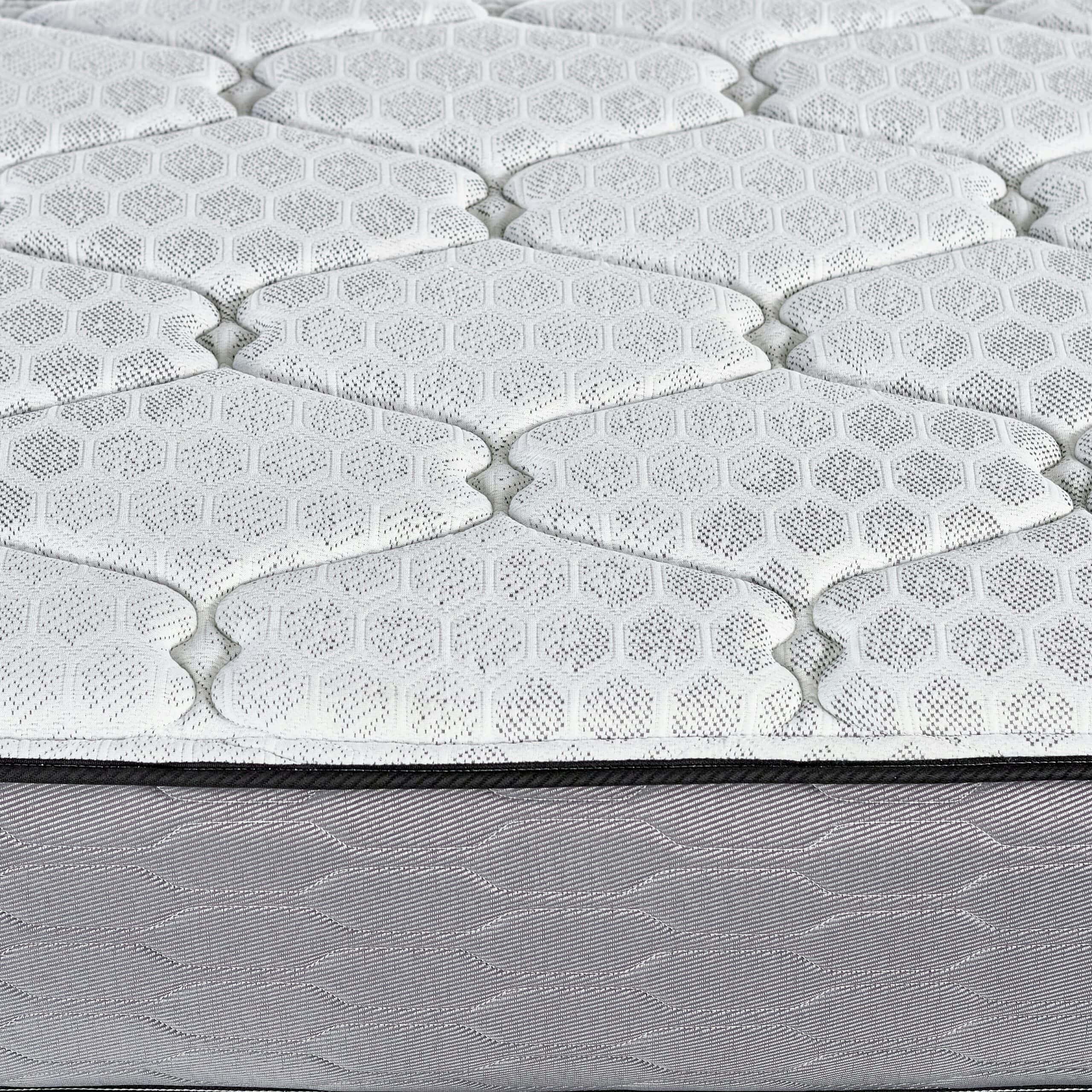
Comparing options? See our best mattress toppers roundup. Why is my mattress sagging? Usually from normal age and wear, the foam or materials breaking down where you lie, not enough support underneath from the foundation, or never rotating the mattress so one spot takes the load. A sagging mattress is more than an eyesore, since the dip at the middle or your hips can quietly wreck your sleep and your back. Some sagging can be slowed or eased, but a worn-out mattress eventually needs replacing. Knowing which cause is at work tells you whether to fix it or shop. If sagging has you considering an upgrade, our guide on how to choose a mattress helps. This guide covers each cause and your options. Related reading: our guide to how to rotate a mattress.
Quick Verdict
Mattresses sag mainly from age and wear, the foam or materials compressing where you sleep, inadequate support from the foundation or bed frame underneath, and never rotating the mattress so one area takes all the weight. Rotating it, fixing the support, or adding a firm topper can slow or ease mild sagging, but a mattress that is worn out is best replaced. Persistent back pain is worth discussing with a professional.
Why Trust This Guide
Independent guidance, reader-supported through affiliate links at no cost to you. The notes draw on mattress-support and sleep sources cited in Sources. This is general information; persistent back or joint pain should be discussed with a healthcare professional.
Key Takeaways
- Age and normal wear are the most common reasons mattresses sag over time.
- Foam and materials compress where you lie, creating body impressions.
- Weak support from the foundation, slats, or frame causes or worsens sagging.
- Not rotating the mattress concentrates wear in one spot.
- Rotating, fixing support, or a firm topper can help, but a worn mattress needs replacing.
How We Researched This
This guide reflects general guidance on mattress support and how a supportive sleep surface affects comfort and the spine’s alignment, drawing on the Sleep Foundation and published research. Because firmness and support influence back comfort, a sagging surface that no longer supports the body can contribute to discomfort. Persistent pain is a matter for a professional, not a mattress alone.
Sagging Causes and Fixes at a Glance
This table summarizes the key points at a glance.
| Cause | Sign | What to do |
|---|---|---|
| Age and wear | Body impressions that do not recover | Replace once genuinely worn out |
| Foam breakdown | Soft dips under hips and shoulders | Rotate, add a firm topper, replace if advanced |
| Weak support underneath | Center dip; worn foundation or slats | Repair or replace the foundation or slats |
| No rotation | Wear concentrated in one spot | Rotate head to foot regularly |
| Exceeding support limits | Premature sagging | Use a suitable, sturdy foundation |
What Causes a Mattress to Sag?
Sagging is the loss of even support, usually showing up as a dip where you sleep or a soft spot in the middle. It comes from the mattress itself wearing down, from what is underneath it failing to support it, or from uneven wear. The causes below are the usual suspects, and often more than one is at play.
Normal Age and Wear
Every mattress has a lifespan, and over years of nightly use the materials gradually compress and lose their ability to bounce back. This is the most common reason for sagging, and no mattress lasts forever, no matter how well it is cared for.
What It Looks Like
You will notice body-shaped impressions that do not fully recover, or a general softening and dipping where you lie. Once age-related wear is advanced, there is no fixing it, and replacement becomes the real answer. Our guide on how long mattresses last sets expectations.
Foam and Material Breakdown
The comfort layers, especially foams, soften and break down where your body presses night after night. The areas under your hips and shoulders take the most load, so they sag first, creating an uneven surface.
Why It Happens There
Your weight concentrates in the same spots every night, compressing those materials faster than the rest of the mattress. This is why sagging often appears as distinct body impressions rather than uniform softening across the whole surface.
Inadequate Support Underneath
A mattress is only as good as what it sits on. A worn box spring, widely spaced or broken slats, or a weak bed frame can let the mattress dip even when the mattress itself is still sound.
Check the Foundation First
Before blaming the mattress, inspect the support beneath it. Slats that are too far apart, a sagging foundation, or a failing frame can cause or worsen a dip. Fixing the support can resolve sagging that is not actually the mattress’s fault, which our mattress guide touches on, and our foundations and bases guide covers in depth.
Not Rotating the Mattress
Sleeping in the same position every night without rotating the mattress concentrates wear in one area, accelerating sagging there while the rest stays firmer.
Spread the Wear
Rotating the mattress regularly distributes the load more evenly, slowing the development of permanent dips. Many mattresses are made to be rotated head to foot, though most modern ones should not be flipped, so check what yours allows.
How to Fix or Slow Sagging
Depending on the cause, you may be able to ease mild sagging or at least slow it down.
Rotate It Regularly
Make rotating the mattress head to foot a routine to even out wear. This will not undo existing damage, but it helps prevent or slow new sagging, especially earlier in a mattress’s life.
Fix the Support
Repair or replace a worn foundation, add or close-space slats, or shore up a weak frame. If inadequate support was the cause, addressing it can noticeably reduce the dip without buying a new mattress.
Add a Firm Topper
A firm mattress topper can mask mild sagging and restore some comfort and support as a temporary fix, buying time before replacement. Our guide to toppers for back support covers options, though a topper does not repair a genuinely worn-out mattress.
When to Replace the Mattress
Sometimes the honest answer is a new mattress.
Signs It Is Time
If the mattress is old, the sagging is deep and permanent, you wake up sore, or a topper and support fixes no longer help, the mattress has reached the end of its life. At that point, replacing it does more for your sleep and back than any patch. Our back-support mattress guide can help you choose.
Does Mattress Type Affect Sagging?
Different mattresses sag in different ways, which affects what you can do about it.
Foam Mattresses
All-foam mattresses tend to develop body impressions as the foam softens where you sleep, with lower-density foams giving way sooner. Rotating helps spread the wear, but once the foam has compressed permanently, the dip is there to stay and signals the mattress is wearing out. See our memory foam mattress guide for durable picks.
Innerspring and Hybrid Mattresses
Spring-based mattresses can sag as coils gradually lose tension and the comfort layers above them break down, sometimes showing up as softness at the edges or under the heaviest load. A sturdy foundation matters even more here, since coils rely on even support beneath to perform as designed.
Common Mistakes to Avoid
A few habits worsen sagging or mask the real cause.
Ignoring the Foundation
Blaming the mattress when the real problem is a worn box spring or broken slats means you replace the wrong thing. Always check the support underneath before deciding the mattress is done.
Never Rotating It
Leaving a mattress in one orientation for years concentrates wear and speeds up sagging. Build rotating into your routine to spread the load, unless your mattress is specifically designed not to be moved.
Exceeding the Support Limits
Using a foundation or frame not rated for the mattress, or overloading it beyond its intended support, can cause premature sagging. Match the mattress to a suitable, sturdy foundation from the start.
Recommended Reading
- How to choose a mattress
- Mattresses for back pain
- Mattress toppers for back support
- The best hybrid mattresses
Sagging Mattress FAQ
Why is my mattress sagging in the middle?
A middle dip often comes from weak support underneath, such as a sagging foundation or a frame lacking a center support bar, or from the materials breaking down. Check the foundation and frame first, since a center sag is frequently a support problem rather than the mattress alone.
Can a sagging mattress be fixed?
Mild sagging can sometimes be eased by rotating the mattress, fixing the support underneath, or adding a firm topper as a temporary measure. However, a mattress that is genuinely worn out cannot be repaired, and replacement is the real solution at that point.
How do I stop my mattress from sagging?
Rotate it regularly to spread wear, make sure the foundation and frame provide firm, even support, and avoid overloading it. These steps slow the development of sagging, especially earlier in the mattress’s life, though they cannot reverse advanced wear.
Does a mattress topper help with sagging?
A firm topper can mask mild sagging and restore some comfort and support as a temporary fix, buying time before you replace the mattress. It does not repair a worn-out mattress underneath, so view it as a stopgap rather than a permanent solution.
Is my foundation causing the sag?
It might be. A worn box spring, slats spaced too far apart, broken slats, or a weak frame can cause a mattress to dip even when the mattress is still good. Inspect the support underneath before concluding the mattress itself is the problem.
How long before a mattress starts to sag?
It varies with the mattress, its quality, your weight, and how it is supported and cared for. Rotating it and giving it firm support helps delay sagging, while poor support, never rotating, or an aging mattress brings it on sooner. Body impressions over time are normal wear.
Should I rotate or flip my mattress?
Rotating head to foot helps spread wear and slow sagging on most mattresses. However, many modern mattresses are one-sided and should not be flipped, so check the manufacturer’s guidance and rotate rather than flip unless yours is specifically designed to be flipped.
Can a sagging mattress hurt my back?
Research linking mattress support to back comfort, such as work by Kovacs and colleagues, underlines that a mattress no longer supporting the body evenly can contribute to waking up sore, since it lets the spine fall out of a neutral position. Easing the sag or replacing the mattress often helps, but persistent back pain should be evaluated by a healthcare professional. Related reading: why you wake up with lower back pain and firm vs soft mattress.
Do memory foam mattresses sag?
Memory foam can develop body impressions over time as the foam softens where you lie, especially lower-density foam. Rotating the mattress helps spread the wear, but once foam has permanently compressed, the impression remains and indicates the mattress is nearing the end of its life.
Does putting a board under the mattress help with sagging?
A firm board or bunkie board between the mattress and a weak foundation can add support and reduce a dip caused by inadequate support underneath. It will not repair a mattress whose own materials have broken down, so it helps with support-related sagging but not with a genuinely worn-out mattress.
Is sagging covered by a mattress warranty?
Many mattress warranties cover sagging only beyond a specified depth measured with no weight on the bed, and often require proper support to stay valid. Check your warranty’s terms and the dip depth it specifies, and make sure you have used an approved foundation, since improper support can void coverage.
Related Reading
Explore more: how to store a mattress, mattress cleaners, heated mattress pads, Are Heated Mattress Pads Safe? A Practical Safety Guide, king vs california king mattress, mattress topper vs mattress pad, hybrid vs latex mattress, and purple mattress review.
Recommended Reading
See also our guides to how to store a mattress, and hybrid vs latex mattress.
Warranty claims turn on a measured sag depth. What warranty terms actually cover explains the thresholds.
Support problems sometimes start with the frame. choosing a frame that stays quiet covers construction.
