
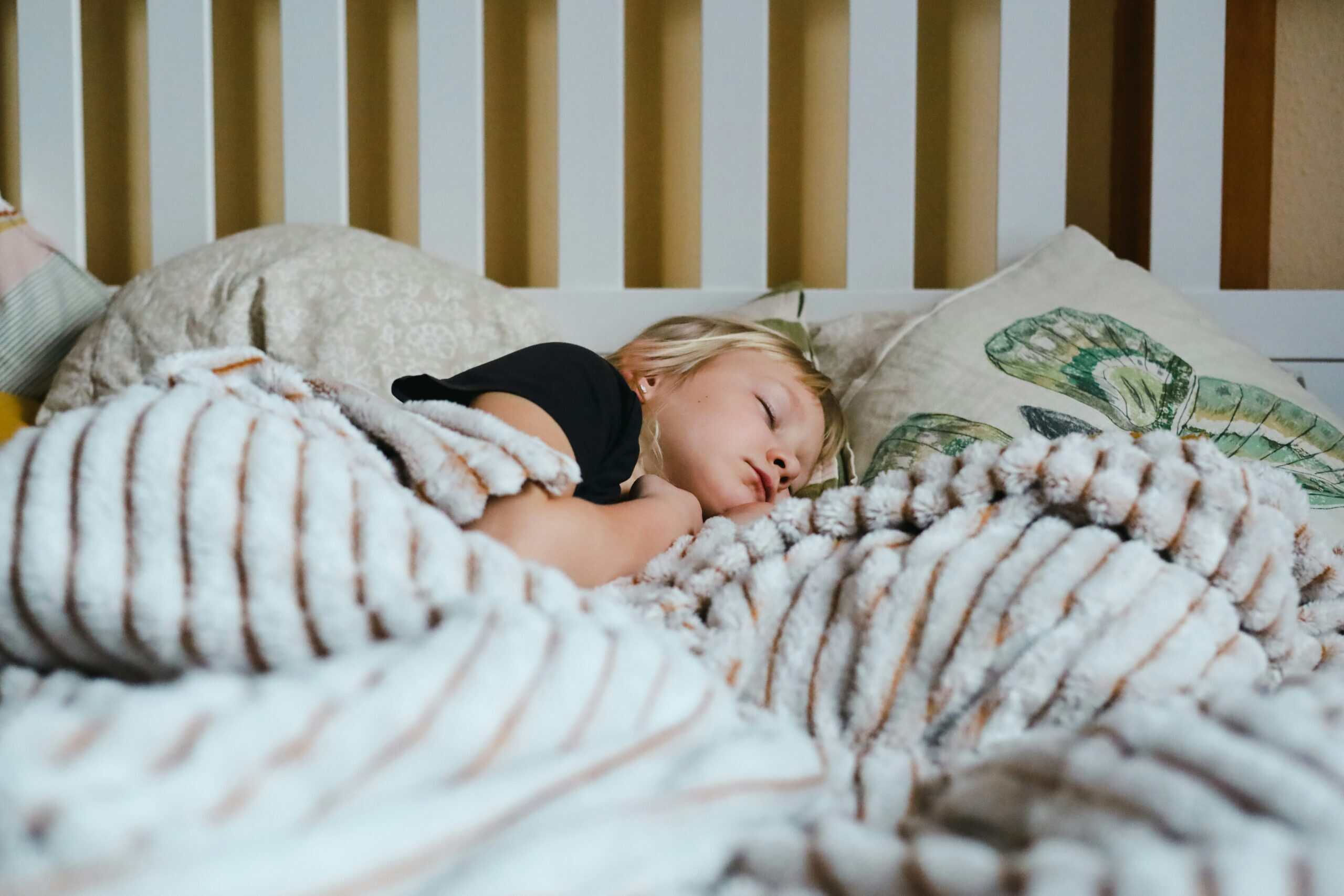
A weighted blanket for a child uses evenly distributed glass beads to create gentle, even pressure that many kids find calming at bedtime. The best weighted blankets for kids use the right weight for the child, keep beads evenly contained, and come in soft, washable covers. This guide compares weight options, fabrics, and safety features so you can choose with confidence. Weight choice is the part that matters most, so our guide to choosing a weighted blanket is worth reading alongside this one.
Quick Verdict
The YnM Kids Weighted Blanket is the best all-rounder, with multiple kid-appropriate weights and a well-contained glass-bead fill. The Luna Kids blanket is the value pick with breathable cotton, and the ZonLi Kids blanket is the choice for warm sleepers thanks to its cooler fabric. Always size the weight to the child, not the bed. Before settling on a weight, it helps to read the age and supervision guidance for children, since the limits are stricter than they are for adults.
Key Takeaways
- Weight should be matched to the child’s body weight, not the bed size, with a lighter blanket being the safer choice when unsure.
- Weighted blankets are not recommended for infants or toddlers, and a child should be able to lift the blanket off without help.
- Glass-bead fill is finer and quieter than plastic pellets, and a sewn grid keeps the beads evenly spread.
- A removable, washable cover keeps the blanket fresh and makes spills easy to handle.
Disclosure: RestRight is reader-supported. As an Amazon Associate, we earn from qualifying purchases made through links on this page, at no extra cost to you.
How We Picked These Weighted Blankets for Kids
We prioritized safety first, then weight options, fabric breathability, bead containment, and cover washability, favoring blankets designed specifically for children rather than scaled-down versions of blankets built for adults with anxiety. The general approach to weighted blankets as a calming sleep aid draws on the idea of deep, even pressure, an approach with a real but limited evidence base that is strongest in adults rather than young children1. Because every child is different, weight and suitability are worth discussing with your pediatrician, especially for kids with medical or developmental needs.
1. YnM Kids Weighted Blanket
Why It Stands Out
The YnM offers a range of kid-appropriate weights and a tightly sewn grid that keeps the glass beads from pooling. The construction is well-made for the price, which is why it is a frequent first pick.
Worth Knowing
The standard cotton version can feel warm, so warm sleepers may prefer a cooler cover.
Choose it if you want reliable construction and weight choices. Skip it if your child sleeps hot and needs a cooler fabric.
Check Price on Amazon2. Luna Kids Weighted Blanket
Why It Stands Out
The Luna pairs breathable cotton with even bead distribution at a budget-friendly price, making it an easy first weighted blanket. Color and weight options are broad.
Worth Knowing
It does not always include a separate cover, so you may want to add a washable duvet cover.
Choose it if you want a breathable, affordable option. Skip it if you need a cover included in the box.
Check Price on Amazon3. Sivio Kids Weighted Blanket
Why It Stands Out
The Sivio is the budget standout, delivering even glass-bead fill and soft fabric at the lowest price here. It is a low-risk way to see whether a weighted blanket helps your child settle.
Worth Knowing
The finishing is simpler than premium blankets, though the core construction is sound.
Choose it if price is the deciding factor. Skip it if you want a more premium cover and stitching.
Check Price on Amazon4. Bare Home Kids Weighted Blanket
Why It Stands Out
The Bare Home uses soft, breathable cotton and a careful grid stitch, landing between budget and premium. It feels cozy without trapping much heat.
Worth Knowing
Weight options are slightly more limited than the broadest ranges.
Choose it if you want soft cotton at a fair price. Skip it if you need the widest weight selection.
Check Price on Amazon5. Quility Kids Weighted Blanket
Why It Stands Out
The Quility ships with a removable, washable duvet cover, which makes cleanup after spills genuinely easy. The two-piece design keeps the weighted core protected.
Worth Knowing
The included cover adds to the price compared with cover-free options.
Choose it if an included washable cover matters to you. Skip it if you already have covers and want to spend less.
Check Price on Amazon6. ZonLi Kids Weighted Blanket
Why It Stands Out
The ZonLi offers cooler fabric options that suit warm sleepers, with even bead distribution and several kid weights. It is the pick for a child who runs hot under cotton.
Worth Knowing
The cooler fabrics feel less plush than brushed cotton, which is a matter of preference.
Choose it if your child sleeps hot. Skip it if you want the coziest, warmest feel.
Check Price on AmazonWeighted Blankets for Kids at a Glance
| Blanket | Best For | Standout Trait | Watch-Out |
|---|---|---|---|
| YnM Kids | Overall | Weight range, solid build | Can feel warm |
| Luna Kids | Value | Breathable cotton | Cover not always included |
| Sivio Kids | Budget | Lowest price | Simpler finishing |
| Bare Home Kids | Soft cotton | Cozy, breathable | Fewer weights |
| Quility Kids | Easy cleaning | Washable cover included | Higher price |
| ZonLi Kids | Warm sleepers | Cooler fabric | Less plush |
How to Choose a Weighted Blanket for a Child
Match the Weight to the Child
A common starting point is roughly one-tenth of the child’s body weight, though lighter is the safer choice for younger or smaller children. When in doubt, size down, and ask your pediatrician if you are unsure.
Mind the Age and Independence
Weighted blankets are not suitable for infants or toddlers, who are better served by simple bedding like toddler pillows; a child old enough to use one should be able to lift it off on their own. The blanket should never cover the face or head.
Fabric and Temperature
Cotton breathes well and feels cozy, while cooling fabrics suit kids who sleep hot. The right fabric prevents the blanket from being kicked off because it is too warm.
Bead Type and Cover
Glass beads are finer and quieter than plastic pellets, and a sewn grid keeps them evenly spread. A removable, washable cover makes upkeep far easier.
Fabric for Year-Round Use
Cotton breathes well and feels cozy, while cooling fabrics suit a child who sleeps hot. A blanket that is too warm gets kicked off, which defeats the purpose. Choosing the fabric with the child’s bedroom temperature in mind keeps the blanket comfortable in every season.
Glass Bead vs Plastic Pellet Fill
Glass Beads
Glass beads are small and dense, so the blanket can stay thinner while holding its weight, and they make less noise when your child moves. This is the more common choice in quality kids’ blankets, and our glass vs plastic fill comparison goes deeper.
Plastic Pellets
Plastic pellets are larger and can feel lumpier, and they tend to be a bit louder. They sometimes appear in lower-cost blankets, so check the fill type before buying.
Common Weighted Blanket Mistakes to Avoid
Choosing by Bed Size
The weight should match the child, not the bed. A blanket that is too heavy is the most important thing to avoid, so err lighter, and see how a weighted option differs from a regular blanket.
Using One Too Early
Weighted blankets are not for infants or toddlers. Wait until a child is old enough to move freely and remove the blanket independently.
Skipping the Cover
A weighted core without a washable cover gets grimy fast and is hard to clean. A removable cover keeps the blanket fresh and simplifies spills.
Sharing One Blanket Between Siblings
A blanket sized and weighted for one child is rarely right for another of a different size. Passing a heavier blanket to a smaller child can make it too heavy to move under safely. Sizing each blanket to each child keeps comfort and safety intact.
Introducing a Weighted Blanket to Your Child
Easing Into It
A new weighted blanket feels unfamiliar at first, so introducing it gradually helps a child get comfortable. Starting with the blanket over the legs during quiet time, like reading or watching a show, lets the sensation feel calming rather than surprising. Letting the child be part of choosing the color or cover often builds a sense of ownership. A relaxed, no-pressure introduction tends to work better than presenting it as a fix for sleep.
Safety Comes First
The blanket should be light enough that the child can lift it off and move freely without help, and it should never cover the face or head. Weighted blankets are not suitable for infants or toddlers, whose smaller bodies and limited mobility make them unsafe. Choosing a conservative weight, and erring lighter when unsure, keeps comfort the priority. For a child with any medical or developmental condition, a pediatrician is the right person to weigh in before use.
Reading Your Child’s Response
Some children find the even pressure soothing right away, while others simply do not take to it, and both responses are normal. Signs the blanket is helping include settling more easily and seeming calmer, rather than restless or too warm. If a child kicks it off or seems uncomfortable, a lighter weight or a cooler fabric may suit them better. Following the child’s lead matters more than pushing a tool that is not landing.
Keeping It Clean and Cozy
A removable, washable cover makes the inevitable spills and accidents far easier to handle. Following the care label for the weighted core, which is often machine-washable on gentle for lighter weights, protects the even bead distribution. Drying the cover fully keeps the blanket fresh between washes. A clean, familiar blanket is one a child is more likely to reach for at bedtime.
Pairing It With a Calm Routine
A weighted blanket works best as one part of a steady wind-down rather than a standalone solution. A consistent bedtime, dimmer lights, and a quiet activity beforehand set the stage for the blanket to do its gentle work. Treating it as a comfort tool, not a treatment, keeps expectations realistic and the experience positive. When the broader routine supports sleep, the blanket becomes a cozy finishing touch.
Recommended Reading
- a cooling blanket for a child who sleeps hot
- weighted blankets
- cooling weighted blankets
- how to choose a weighted blanket
- Weighted Blanket Weight Guide
Frequently Asked Questions
What weight weighted blanket should a child use?
A common starting point is around one-tenth of the child’s body weight, with lighter being safer for smaller or younger children. If you are unsure, size down and check with your pediatrician.
At what age can a child use a weighted blanket?
Weighted blankets are not suitable for infants or toddlers. A child should be old enough to move freely and lift the blanket off on their own before using one.
Are weighted blankets safe for kids?
Used with the right weight, on an appropriate-age child who can remove it independently, and never over the face, they are widely used as a calming sleep aid. This is general information, not medical advice, so talk to your pediatrician about your child’s specific needs.
Glass beads or plastic pellets, which is better for kids?
Glass beads are finer, quieter, and let the blanket stay thinner while holding its weight. They are the more common choice in quality children’s blankets.
Can a weighted blanket help a child sleep?
Many families find the gentle, even pressure calming at bedtime. The evidence base is strongest in adults, so think of it as a comfort tool rather than a treatment, much like choosing the right mattress for a child supports better sleep overall.
How do I wash a kids’ weighted blanket?
Wash a removable cover per its label, and follow the blanket’s care instructions for the weighted core, which is often machine-washable on gentle for lighter weights. A cover makes routine cleaning much easier.
Should I talk to a doctor before using one?
For children with medical or developmental conditions, or if you have any concerns, it is worth asking your pediatrician first. They can advise on whether a weighted blanket is appropriate for your child.
Can a weighted blanket replace a bedtime routine?
No. It works best as one part of a steady wind-down with consistent timing and a calm activity beforehand. Treated as a cozy finishing touch rather than a fix, it supports the routine rather than replacing it.
Related Reading
Explore more: wearable blankets, weighted blanket vs heated blanket, cooling blankets, throw blankets for couch and bed, and electric blankets for fibromyalgia sufferers.
Recommended Reading
See also our guides to wearable blankets.
Sources
- Ekholm B, Spulber S, Adler M. A randomized controlled study of weighted chain blankets for insomnia in psychiatric disorders. J Clin Sleep Med. 2020;16(9):1567-1577. https://jcsm.aasm.org/doi/10.5664/jcsm.8636
