
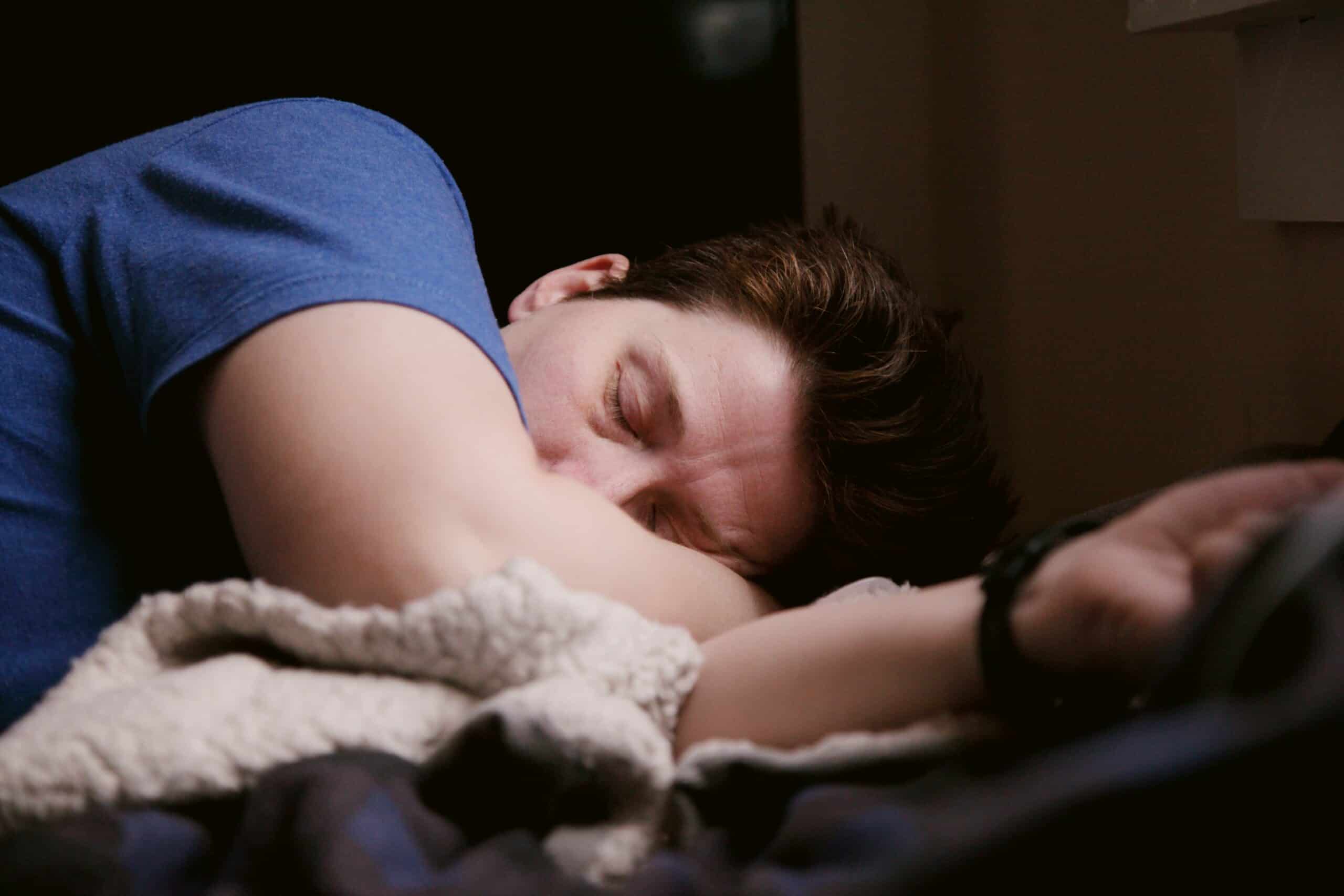
You wake up to a damp patch on the pillow and a wet cheek, and wonder what is going on. Why do I drool in my sleep usually has a simple answer: during deep sleep your muscles relax, including the ones that hold your mouth closed and manage swallowing, so saliva that would normally be swallowed pools and escapes instead. Sleeping position, a stuffy nose, and mouth breathing all make it more likely.
Key Takeaways
- Drooling happens when relaxed muscles let saliva pool instead of being swallowed during deep sleep.
- Side and stomach sleeping let gravity pull saliva out, so position is the most common factor.
- Nasal congestion forces mouth breathing, which leaves the mouth open and prone to drooling.
- Adjusting your pillow and clearing your airway address most ordinary nighttime drooling.
- New, heavy, or persistent drooling alongside other symptoms is worth raising with a clinician.
What Causes Drooling During Sleep
Your body makes saliva around the clock, and while you are awake you swallow it without thinking. During sleep, especially the deeper stages, the muscles of your face, jaw, and throat relax. Swallowing slows down at the same time, so saliva can collect in your mouth.
If your lips part, that pooled saliva has an exit. Whether it leaves depends largely on how your head is positioned and whether your mouth stays open. None of this is unusual, and occasional drooling on its own is a normal feature of relaxed, deep sleep.
The factors that turn occasional drooling into a nightly damp pillow are mostly mechanical: which way you face, how your airway is doing, and what your pillow is doing to your head and neck. Each of those is adjustable.
Sleeping Position Is the Biggest Factor
Position decides where saliva goes. Sleep on your back and gravity keeps saliva at the back of your mouth, where it tends to get swallowed even in sleep. Sleep on your side or stomach and gravity pulls it toward your lips and out onto the pillow.
This is why side and stomach sleepers notice drooling far more than back sleepers. If you wake on your side with a wet pillow, your position is the likeliest cause. Pillow ergonomics tie into this, since pillow height affects head and neck alignment and whether your mouth falls open.
You cannot fully control your position once you are asleep, but you can make back sleeping more comfortable and side sleeping less drool-prone. The right pillow loft for your body keeps your airway open and your jaw supported, which a well-chosen pillow for side sleepers is designed to do.
Mouth Breathing and a Stuffy Nose
If your nose is blocked, your body breathes through your mouth instead, and an open mouth all night is an open invitation to drool. Allergies, a cold, a deviated septum, or simple dryness can all push you into mouth breathing without your noticing.
Clearing nasal congestion before bed often reduces drooling on its own, because it lets you keep your lips closed and breathe through your nose. Our guide on how to sleep with a stuffy nose covers humidifiers, elevation, and other ways to open the airway at night.
Chronic mouth breathing also leaves you waking with a dry mouth, the flip side of the same coin, which we cover in why you wake up with a dry mouth. Some people find a supportive pillow that keeps the chin from dropping helps, and anti-snoring pillows are built around that idea.
Sleep Stage and Why Deep Sleep Matters
Drooling clusters in deep sleep and REM, when muscle relaxation is at its peak. In REM in particular, the body relaxes most of its voluntary muscles, which is part of normal sleep architecture. Reduced swallowing during these stages lets saliva accumulate.
That is also why you might drool more on nights of especially deep, hard sleep, after exhaustion or a long day. Deeper sleep means more relaxation, which means more pooling. It is a sign your body reached its restorative stages, not a problem in itself.
Recommended Reading
How to Drool Less at Night
The practical fixes target position and airway. Encouraging back sleeping is the most direct, since it keeps saliva where it gets swallowed. A supportive pillow that cradles the head, or a wedge that elevates you slightly, makes back sleeping easier to hold.
Match your pillow to your sleep style so your head stays aligned and your mouth stays closed. A pillow that is too flat or too tall tips the head and drops the jaw open, so the right side-sleeper pillow or a supportive option can change your night. General sleep-hygiene habits help too, like keeping the bedroom humidified if dry air is drying your airway and pushing you toward mouth breathing.
Treating congestion before bed rounds it out. Address allergies, run a humidifier, and elevate your head a little if a stuffy nose is the trigger, so you can breathe through your nose and keep your lips together.
When Drooling Points to Something Else
Most sleep drooling is ordinary and mechanical. Sometimes it travels with other issues worth noting. Loud snoring, gasping, or waking unrefreshed alongside drooling can be part of a sleep-disordered-breathing picture that a clinician can evaluate.
Certain medications increase saliva production, and some neurological and swallowing conditions affect saliva control. None of this means occasional drooling is a warning sign. It means that if drooling is new, heavy, or paired with other changes, a doctor is the right person to sort out the cause.
How Your Sleep Position Shapes Drooling
Position is the biggest everyday factor. When you sleep on your side or your stomach, gravity pulls saliva toward the front of your mouth and onto the pillow, while a relaxed jaw lets your lips part. Back sleepers tend to keep saliva pooled toward the throat, where it gets swallowed automatically, so they wake to a drier pillow.
Pillow support plays into this. A pillow that lets your head tip and your mouth fall open invites more drooling, so head and neck alignment that keeps the jaw gently closed can reduce it. Side sleepers often do better with a supportive option built for that posture, like the choices in our guide to pillows for side sleepers.
None of this means side sleeping is a problem to fix. It simply explains why the same person drools on some nights and not others, mostly tracking how they lay and how their mouth sat.
The Role of Mouth Breathing and Congestion
Drooling rises when you breathe through your mouth at night, because an open mouth lets saliva escape instead of pooling and being swallowed. Anything that pushes you toward mouth breathing tends to increase it.
A stuffy nose is the common trigger. When congestion from a cold, allergies, or dry air blocks the nasal passage, the body switches to mouth breathing to keep air moving. Clearing the nose before bed often reduces both the mouth breathing and the drooling that follows, and our guide on sleeping with a stuffy nose walks through gentle ways to do that.
This is also why drooling and a dry mouth can show up together on different nights. Both trace back to how you are breathing while you sleep, a connection covered in our look at waking up with a dry mouth.
When Drooling Is Worth Mentioning to a Doctor
For most people, occasional drool is a harmless side effect of position and breathing, not a sign of anything wrong. It tends to come and go with congestion, sleep posture, and how deeply you sleep.
That said, a noticeable change worth a conversation with a clinician includes new or heavy drooling paired with loud snoring, gasping, or daytime exhaustion, since those can point to a breathing issue during sleep that a professional can evaluate. A doctor or dentist is also the right person to ask if drooling comes with jaw, swallowing, or new neurological symptoms. This article is general information, not medical advice.
Common Misconceptions About Sleep Drooling
A few myths cloud what is happening, and clearing them up makes the fixes more obvious.
Believing drooling means poor sleep gets it backward, since it often accompanies the deep, restorative stages you want. Heavy sleep can mean more relaxation and more pooling.
Assuming position does not matter overlooks the single biggest lever. Side and stomach sleeping let gravity do the work, while back sleeping largely prevents it.
Ignoring a blocked nose keeps you mouth breathing all night. Treating congestion before bed is often the fix people skip.
Blaming the pillow’s price rather than its fit misses the point. A pillow at the wrong height for your body tips your head and opens your mouth regardless of cost.
Waiting out heavy, new, or persistent drooling instead of mentioning it to a clinician is the one to avoid, not out of alarm but because a professional can identify a treatable cause if there is one.
Frequently Asked Questions
Why do I drool in my sleep all of a sudden?
New drooling often traces to a change in position, a recent bout of congestion, or a new medication that boosts saliva. Think about what shifted: a different pillow, allergy season, a cold, or a prescription change. If it is heavy or persistent, a clinician can help identify the cause.
Is drooling in your sleep a sign of good or bad sleep?
Drooling tends to happen during deep sleep and REM, when your muscles relax most, so it often signals that you reached restorative stages. On its own it is not a sign of poor sleep. It is simply saliva pooling while swallowing slows down.
Does sleeping position cause drooling?
Position is the most common factor. Side and stomach sleeping let gravity pull saliva toward your lips and onto the pillow, while back sleeping keeps it where it gets swallowed. Encouraging back sleeping with a supportive pillow is the most direct fix.
Can a stuffy nose make me drool?
Yes. A blocked nose forces mouth breathing, and an open mouth all night lets saliva escape. Clearing congestion before bed, running a humidifier, and elevating your head slightly often reduce drooling by letting you breathe through your nose with your lips closed.
How do I stop drooling on my pillow?
Aim for back sleeping with a pillow matched to your body, treat any nasal congestion, and keep the bedroom from getting too dry. A pillow at the right height keeps your head aligned and your mouth closed. A water-resistant pillow protector handles the laundry side in the meantime.
Does drooling mean I have sleep apnea?
Not by itself. Drooling is usually a normal, position-driven event. When it comes with loud snoring, gasping, or waking unrefreshed, those together can suggest sleep-disordered breathing, which a doctor can evaluate. Drooling alone is not a diagnosis.
When should I see a doctor about drooling in my sleep?
Consider an evaluation if drooling is new and heavy, persists despite position and airway changes, or comes with snoring, choking, difficulty swallowing, or other new symptoms. A clinician can check for treatable causes such as congestion issues, medication effects, or sleep-disordered breathing.
Does drooling mean I am sleeping deeply?
It can line up with deeper sleep, because your muscles relax most then, including the ones that keep your mouth closed and swallow saliva. A relaxed jaw and slower swallowing let saliva escape. So a damp pillow is often just a sign your body settled into rest, not a problem on its own.
Can changing my pillow reduce drooling?
Sometimes. A pillow that keeps your head and neck aligned and your jaw gently supported can help your mouth stay closed, which cuts down on escaping saliva. It will not override heavy congestion or habitual mouth breathing, but for position-driven drooling it is a low-effort thing to try.
Where can I learn more about healthy sleep?
The educational resources at Sleep Foundation cover sleep position, bedroom environment, and breathing during sleep, with material written for general readers.
This article is for general information and is not medical advice. Sleep and drooling vary by individual, and persistent or unusual symptoms require evaluation by a qualified healthcare provider for diagnosis and treatment.
Related Reading
Explore more: Do Essential Oils Help You Sleep? What Helps Your Sleep, Which Essential Oils Actually Help You Wind Down for Sleep i, how to help seniors sleep better, sleep mask vs blackout curtains, what time should you go sleep, how to choose sleep aids, how to sleep in a hotel, and how to sleep with tinnitus.
Recommended Reading
See also our guides to how to sleep after knee replacement surgery, and why do cold feet make it hard to sleep.
