
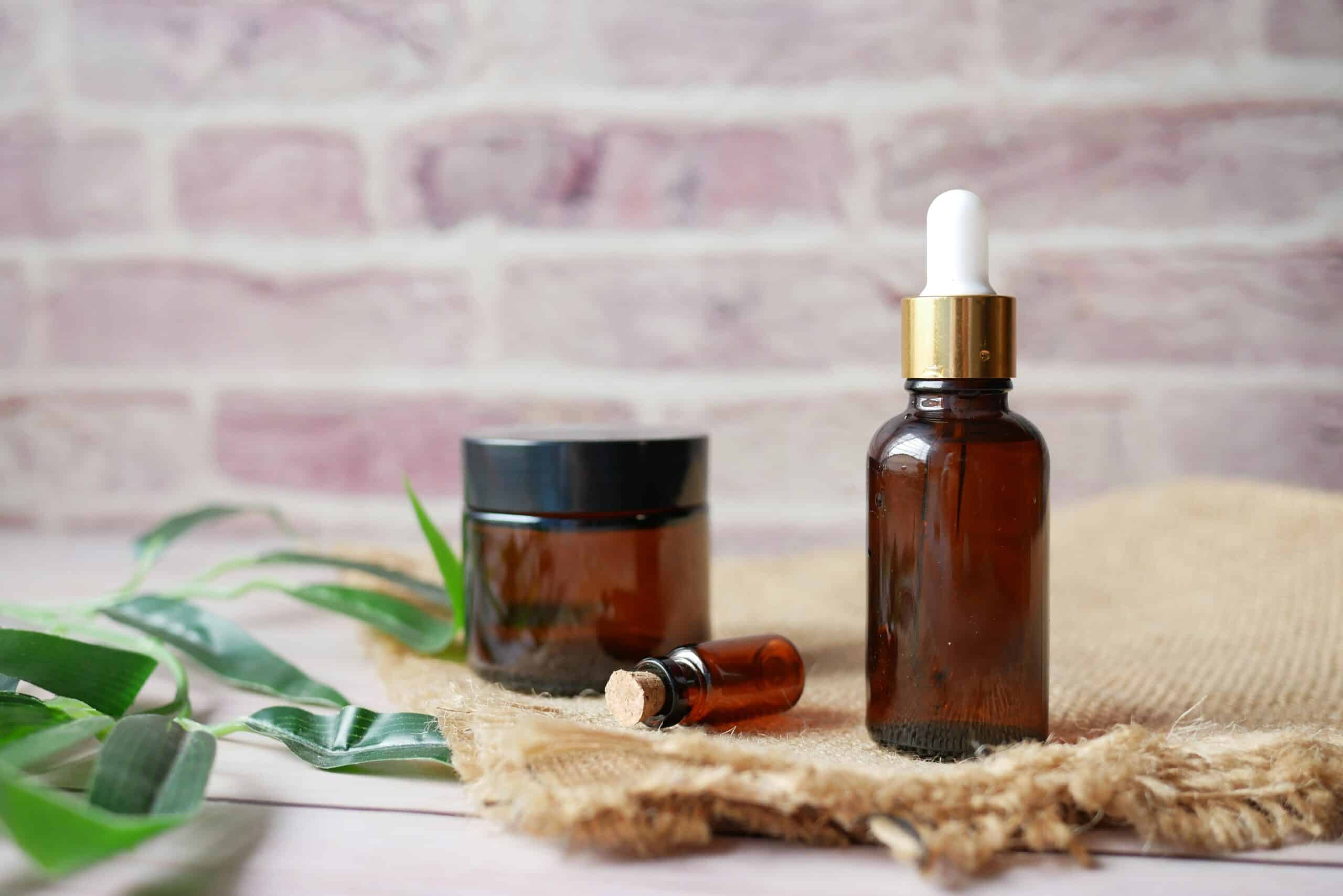
Can a few drops of lavender oil really change how you sleep? People want to know whether essential oils help you sleep, and the honest answer is mixed: many find certain scents calming, while the clinical evidence remains limited. Used as part of a wind-down routine rather than a standalone cure, they may help some people relax before bed. If you’re shopping, start with our guide to the best essential oils for sleep.
Key takeaways:
- Many people find scents like lavender relaxing as part of a bedtime routine.
- Research on essential oils for sleep is limited and the findings are mixed.
- Oils work best alongside solid sleep habits, not as a replacement for them.
- Safe use means diluting oils, never ingesting them, and keeping them away from children.
- Several common oils are toxic to pets, so check with your vet before diffusing.
- Ongoing insomnia warrants a conversation with a doctor, not just aromatherapy.
Do Essential Oils Help You Sleep?
The appeal is easy to understand, since smell connects closely to mood and memory. Many people report that a calming scent helps them relax at the end of the day. Whether that relaxation reliably improves sleep is where the picture gets less certain.
Aromatherapy is best understood as a gentle support, not a sleep medication. It may help set the stage for rest by lowering tension and signaling that the day is over. For people who respond to scent, that nudge can be enough to ease the transition to sleep.
The key is realistic expectations from the start. Essential oils may help you sleep a little more easily, but they rarely fix a serious sleep problem on their own. Pairing them with good habits gives them the best chance to work.
How Aromatherapy Affects the Body
Scent travels a short path to the parts of the brain that handle emotion. When you inhale an aroma, receptors in the nose send signals to the limbic system, which influences mood and stress. A calming scent can encourage the kind of relaxed state that makes falling asleep easier.
This is why a familiar, pleasant smell can feel soothing within moments. The response is partly physical and partly learned, since your brain ties certain scents to comfort. Over time, using the same scent at bedtime can become a cue your body recognizes.
That cue effect matters more than any single oil. Building a consistent association between a scent and sleep can reinforce a wind-down routine. The aroma becomes part of the signal that it is time to rest.
Which Essential Oils People Use for Sleep
A handful of oils show up again and again in sleep blends and diffuser recipes. None is guaranteed to work for everyone, and personal preference plays a large role. Here are the ones people reach for most.
Lavender
Lavender is the most popular choice for sleep and relaxation by a wide margin. Many people find its scent calming, and it appears in most commercial sleep blends. If you try one oil first, this is the common starting point.
Chamomile
Chamomile carries the same gentle, soothing reputation it has as a bedtime tea. The Roman chamomile variety is the one used most often in sleep blends. People who like soft, slightly sweet scents tend to gravitate toward it.
Cedarwood and Sandalwood
These woody, grounding scents appeal to people who find floral oils too sweet. They blend well with lavender to round out a sleep mix. Many users describe them as warm and steadying at the end of the day.
Bergamot and Ylang-Ylang
Bergamot offers a citrus note that is calming rather than energizing, unlike most citrus oils. Ylang-ylang is rich and floral and often used in small amounts. Both show up in relaxation blends aimed at easing tension.
Sweet Marjoram
Sweet marjoram has a warm, slightly herbal scent that some people find grounding at night. It blends easily with lavender for a softer overall aroma. Try it if the more common oils have not worked for you.
What the Research Actually Shows
The science on essential oils for sleep is still thin, and quality varies between studies. Some small studies on lavender suggest possible benefits for relaxation and sleep quality, but the evidence is not strong enough to call it a proven treatment. Larger, rigorous trials are limited.
Health authorities treat aromatherapy as a complementary approach rather than a primary therapy. That framing is useful, since it positions oils as one supportive piece among many. It also explains why results differ so much from person to person.
None of this means essential oils are useless for sleep. It means the honest stance is cautious optimism paired with modest expectations. If a scent helps you relax, that benefit is real even where the broader evidence stays mixed.
The safest read is to enjoy what works for you while keeping your expectations grounded. A scent that calms you is worth using, whatever the studies conclude.
Recommended read: Building a calmer night? See our guides to the best essential oils for sleep, the best aromatherapy diffusers, and how to create a bedtime routine.
How to Use Essential Oils Safely for Sleep
How you use an oil matters as much as which one you pick. A diffuser is the simplest and most common method for the bedroom. Topical use is possible but requires dilution, and ingestion is never appropriate.
Diffusing in the Bedroom
A diffuser disperses a fine mist of water and oil into the air. Run it shortly before bed so the scent fills the room as you settle in. Follow the device instructions for how much oil to add, and avoid running it all night without ventilation.
Diluting for Topical Use
Never apply undiluted essential oil straight to your skin, since it can irritate or burn. Mix a small amount into a carrier oil such as coconut or jojoba first. Test a little on your forearm before using it more widely.
Pillow and Linen Sprays
A light linen spray puts a hint of scent near you without skin contact. Keep it to a few spritzes so the aroma stays subtle. A scent that is too strong can backfire and keep you alert.
Safety first: Do not ingest essential oils, and always dilute them before any skin contact. Keep oils and diffusers out of reach of children. Several common oils, including tea tree, eucalyptus, and many others, are toxic to dogs and cats, so check with your veterinarian before diffusing around pets. Stop use and seek medical advice if you notice headaches, nausea, or breathing trouble.
Carrier Oils and Simple Sleep Blends
If you want to use oils on your skin, a carrier oil is essential. Carrier oils dilute the concentrated essential oil so it is gentle enough for contact. They also help the scent linger without the harshness of a neat application.
Common Carrier Oils
Fractionated coconut oil is light, nearly scentless, and absorbs cleanly, which makes it a popular base. Jojoba and sweet almond oil are also widely used for blends. Pick one that suits your skin and does not overpower the aroma.
Easy Bedtime Blends
A simple lavender and cedarwood mix in a carrier oil makes a calming pulse-point blend. Lavender with a touch of chamomile is another gentle option for the wrists or neck. Keep the essential oil concentration low, especially when you are starting out.
Patch Test Every New Blend
Skin reacts differently to each oil, so test any new blend on a small area first. Apply a little to your forearm and wait to see how your skin responds. Stop using a blend that causes redness, itching, or irritation.
Choosing a Diffuser for the Bedroom
The diffuser you pick shapes how the scent reaches you at night. Most bedroom diffusers are ultrasonic, using water and vibration to create a fine mist. They are quiet, affordable, and add a little humidity to dry rooms.
Nebulizing diffusers use no water and disperse a stronger, more concentrated scent. They suit people who want a powerful aroma but can use oil quickly. For a small bedroom, a gentle ultrasonic model is usually the easier choice.
Look for a quiet motor, an auto shutoff, and a timer so it does not run unattended all night. Our roundup of the best aromatherapy diffusers for sleep walks through the features that matter. Match the tank size and run time to how long you want the scent to last.
Where Oils Fit Among Other Sleep Aids
Essential oils sit at the gentle end of the sleep-support spectrum. They carry little risk for most adults and can be pleasant to use, but their effect is modest. Stronger options exist when relaxation alone is not enough.
Some people layer oils with other non-drug tools for a bigger combined effect. A white noise machine masks disruptive sound, while a weighted blanket adds calming pressure. Each addresses a different barrier to sleep.
If you are weighing supplements as well, that is a separate decision worth researching carefully. Our guides to sleep aids for adults and sleep supplements cover those choices. Talk with a doctor before adding any supplement to your routine.
Building Oils Into a Bedtime Routine
The biggest gains usually come from the routine, not the oil by itself. Using a scent at the same time each night helps your brain link it to winding down. Consistency turns a pleasant smell into a reliable sleep cue.
Start the diffuser as you begin your last quiet activity of the evening. Dim the lights, put screens away, and let the scent become part of that shift. The combination is stronger than any single step alone.
Good sleep habits still do the heavy lifting underneath. A cool, dark, quiet room and a steady schedule give any aromatherapy a foundation to build on. Treat oils as the finishing touch on a routine that already works.
Setting Realistic Expectations
It helps to be clear about what aromatherapy can and cannot do. For many people, a calming scent eases tension and makes the start of sleep feel smoother. That is a genuine benefit, even if it is not dramatic.
What oils cannot do is override an underlying sleep disorder or a stimulant-heavy lifestyle. Late caffeine, an irregular schedule, or untreated insomnia will outweigh any scent. Address those basics first, then let oils support the routine.
Give a new oil a fair trial of consistent nightly use before judging it. If it does nothing after a couple of weeks, switch scents or methods. The right approach is the one you actually find relaxing.
Who Should Be Cautious With Essential Oils
Most healthy adults tolerate gentle aromatherapy well, but some groups need extra care. Knowing where caution applies keeps a relaxing habit from causing problems. When any doubt exists, a professional opinion is the safe path.
People who are pregnant or nursing should check with a doctor before using essential oils, since some are not recommended during pregnancy. Anyone with asthma or a respiratory condition may find diffused oils irritating and should introduce them carefully. A healthcare provider can advise on what is appropriate for your situation.
Children and pets are the most sensitive of all and deserve the most caution. Keep oils and diffusers out of children’s reach, and confirm pet safety with your veterinarian before diffusing. For these groups, less is always safer than more.
Common Essential Oil Sleep Mistakes
A few habits keep people from getting the calm they are after. Most are easy to fix once you spot them.
Using too much oil is the most frequent error, since a heavy scent can feel overpowering and keep you alert. A light, subtle aroma works better for sleep than a strong one. Start small and add more only if needed.
Applying undiluted oil to skin is both ineffective and risky, because it can cause irritation or a burn. Always blend with a carrier oil first. A quick patch test prevents most reactions.
Diffusing around pets without checking safety is a serious oversight, as several oils are toxic to dogs and cats. Confirm with your veterinarian before running a diffuser near animals. When in doubt, keep the diffuser in a pet-free room.
Expecting oils to fix insomnia on their own leads to disappointment. Aromatherapy supports a routine but does not replace medical care for a real sleep disorder. Treating it as a cure sets you up to give up too soon.
Ignoring persistent sleep problems is the costliest mistake of all. If you have struggled to sleep for weeks despite good habits, that is a reason to see a doctor rather than to buy another oil. Professional guidance matters when self-help stalls.
Frequently Asked Questions
Do essential oils actually help you sleep?
Many people find certain scents like lavender relaxing, which can make falling asleep easier. The research is limited and mixed, so oils are best seen as a gentle support rather than a proven treatment. They work best alongside good sleep habits.
Which essential oil is best for sleep?
Lavender is the most popular and widely used oil for sleep and relaxation. Chamomile, cedarwood, and bergamot are common alternatives. Personal preference matters most, since the scent you find calming is the one most likely to help.
How do you use essential oils for sleep?
A diffuser running shortly before bed is the simplest method for most people. You can also use a diluted topical blend or a light linen spray. Keep the scent subtle, since a strong aroma can backfire and keep you awake.
Are essential oils safe to use every night?
For most adults, gentle nightly diffusing is considered low risk when done with proper ventilation. Dilute any oil used on skin, and never ingest essential oils. Stop use if you notice headaches, nausea, or irritation.
Are essential oils safe around pets?
Many common oils, including tea tree and eucalyptus, are toxic to dogs and cats. Check with your veterinarian before diffusing around animals. When unsure, keep diffusers in rooms your pets cannot access.
Can essential oils cure insomnia?
No, essential oils cannot cure insomnia or replace medical treatment. They may help you relax as part of a routine, but ongoing insomnia has causes that aromatherapy does not address. Persistent sleep problems deserve a professional evaluation.
When should I see a doctor about my sleep?
If poor sleep lasts for several weeks despite good habits, or it affects your daytime functioning, talk with a doctor. Loud snoring with gasping, long pauses in breathing, or extreme daytime sleepiness also warrant evaluation. A professional can identify causes that self-help cannot.
Where can I learn more about sleep and relaxation?
The National Sleep Foundation and NIH NCCIH publish guidance on sleep and complementary approaches like aromatherapy.
This article is for general information and is not medical advice. Sleep problems vary by individual and may require evaluation by a qualified healthcare provider for diagnosis and treatment.
Recommended Reading
See also our guides to how alcohol affects sleep, and how to help seniors sleep better.
