
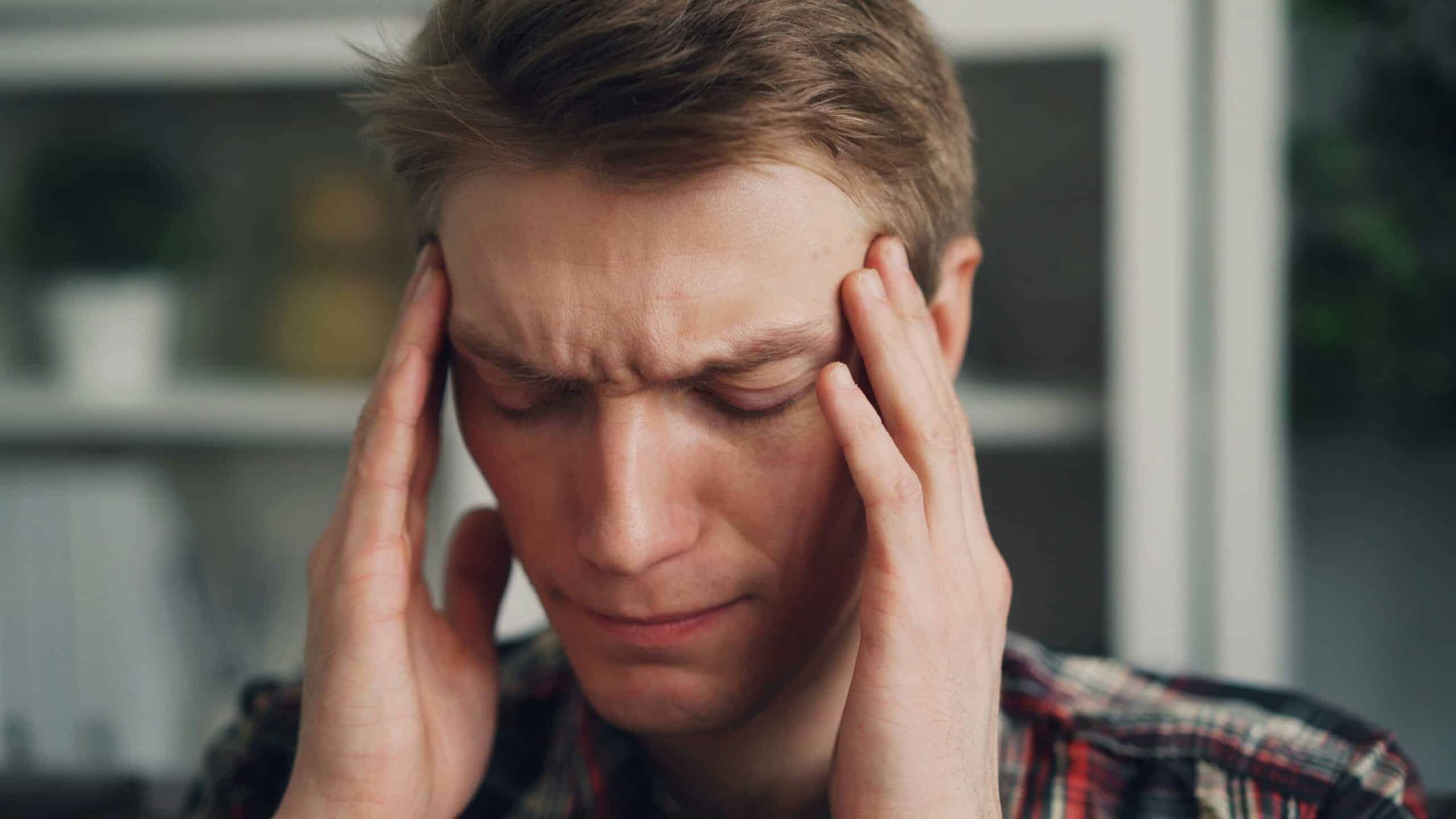
This article is for general educational purposes and is not medical advice. Recurring morning headaches can be a sign of sleep apnea, medication overuse, or other conditions that need medical evaluation. If you wake up with headaches more than a couple of times a week, or if the headaches are severe, sudden in onset, or different from headaches you’ve had before, talk to a doctor rather than relying on home interpretation. For our current top picks, see the best wake up light alarm clocks guide.
Waking up with a headache is one of the more frustrating ways to start a day. You haven’t done anything to cause it; you’ve just been lying still for hours. Yet there it is, sometimes a dull background ache, sometimes throbbing intensity, sometimes a tension band around the head. The pattern matters because morning headaches actually have a fairly specific set of causes, and identifying which one applies usually points to what to do about it.
The catalog ranges from the easily fixed (dehydration, caffeine withdrawal, sleeping position) to the genuinely-needs-medical-attention (sleep apnea, medication overuse, certain primary headache syndromes). Most morning headaches fall into the first category and respond to straightforward changes. A smaller but important subset don’t, and recognizing the difference is the main practical skill this guide tries to teach.
Key Takeaways
- Common morning headache causes include sleep apnea, teeth grinding (bruxism), tension from sleeping position, dehydration, caffeine withdrawal, and certain sleep disorders.
- Sleep apnea is one of the most consistently missed causes; loud snoring with morning headaches warrants evaluation.
- Patterns help identify the cause: weekend-only headaches often suggest caffeine withdrawal; headaches with jaw soreness suggest bruxism; headaches with snoring suggest apnea.
- Recurring morning headaches more than a couple of times per week warrant medical evaluation, especially if accompanied by other symptoms
The Common Causes of Morning Headaches
Most morning headaches trace to one of a handful of causes. Knowing the patterns helps you figure out which is operating in your case.
Obstructive Sleep Apnea
Obstructive sleep apnea (OSA) is one of the most important causes of morning headaches to know about because it’s commonly missed, and the headaches are often the most visible symptom that something is wrong.
The mechanism: during apnea episodes, breathing pauses cause oxygen levels to drop and carbon dioxide levels to rise. These changes affect cerebral blood vessels, which can produce headaches that are worst on waking and improve through the morning as breathing normalizes.
The pattern of sleep apnea-related morning headaches: dull, generalized, present on waking, improving over the first hour or two of the day. Usually accompanied by loud snoring (often witnessed by a partner), sometimes by gasping or choking awakenings, often by daytime sleepiness despite enough sleep, and frequently by dry mouth or sore throat on waking. People with apnea often don’t realize how poorly they’re breathing at night.
This is worth taking seriously. Untreated sleep apnea has cardiovascular and metabolic consequences over time. The diagnosis is established by a sleep study (often done at home now with portable equipment), and treatment is usually effective. Headaches that resolve once apnea is treated are a common confirmation that the apnea was the cause.
For more on the positional aspect of snoring that often accompanies apnea, see our article on why do I snore only on my back.
Sleep Bruxism (Teeth Grinding)
Many people grind or clench their teeth during sleep without being aware of it. The clenching engages the masseter and temporalis muscles around the jaw and temples, producing tension headaches that are worst on waking.
The pattern: dull, often one-sided or band-like headaches in the temples, jaw, or above the ears. Often accompanied by jaw soreness on waking, sometimes by tooth sensitivity, and frequently noticed by partners (the grinding sound) or dentists (wear patterns on teeth).
Triggers include stress, certain medications (especially some antidepressants), caffeine, alcohol, and sleep disorders. Treatment usually involves a custom night guard from a dentist, stress management, and addressing any underlying triggers. Our companion article on why do I grind my teeth at night covers this specifically.
Sleeping Position and Pillow Issues
Sleeping in a position that strains the neck or sleeping on a pillow that doesn’t support proper alignment can produce headaches that originate from neck muscle tension and radiate up into the head.
The pattern: pain that starts at the base of the skull or in the neck and spreads upward; often a tension or band sensation; usually develops overnight rather than being severe immediately on waking. Frequently accompanied by neck stiffness or limited range of motion.
Common position-related triggers: sleeping in an awkward position because of an uncomfortable pillow, stomach sleeping with the head turned, pillows that are too high or too low for the sleep position, and sleeping in an unusual place (couches, hotel beds, etc.).
Fixes are usually mechanical: the right pillow for your sleep position. Our guide on how to choose the right pillow for your sleep position covers this in depth.
Dehydration
Going eight or more hours without fluids leaves many people mildly dehydrated by morning. Mild dehydration is a common headache trigger; cerebral blood vessels are sensitive to fluid balance.
The pattern: general headache, sometimes worse on standing up, often accompanied by dry mouth and thirst. Tends to resolve quickly after drinking water in the morning.
This is worse for people who drink alcohol in the evening (alcohol increases urine output and worsens overnight dehydration), people who sweat substantially during sleep (warm bedrooms, hot sleepers), people on certain medications (diuretics, lithium), and people with diabetes or kidney conditions.
If morning headaches resolve quickly after water and don’t have other concerning features, dehydration is a likely contributor. Maintaining hydration through the day and limiting alcohol in the evening usually helps.
Caffeine Withdrawal
People with regular caffeine intake can experience withdrawal headaches if their morning caffeine is delayed or skipped. Even ordinary overnight fasting without coffee can cause headaches for heavy caffeine users.
The pattern: headaches that develop overnight or peak in the early morning; relieved (often dramatically) by morning coffee. Often worse on weekends or vacation days when wake time and coffee timing shift later.
This is a benign cause, but it can be miserable. The fix is either consistent caffeine timing (don’t skip morning coffee even on weekends) or reducing total caffeine intake so that withdrawal doesn’t happen overnight.
Medication Overuse Headache
Using pain medications (over-the-counter or prescription) for headaches more than around half the days of any given month can paradoxically cause more headaches, including morning ones. This is a well-recognized clinical phenomenon called medication overuse headache.
The pattern: daily or near-daily headaches, often morning headaches, in someone who’s been using analgesics regularly. The headaches feel similar to the original ones but happen more often and respond less well to the same medications.
The treatment is supervised withdrawal of the overused medication, often with help from a neurologist. Headaches typically improve substantially within weeks of stopping the offending medication, though the withdrawal period itself is unpleasant.
Hypnic Headaches
A specific primary headache disorder where headaches occur only during sleep and wake the person up. Rare, mostly affecting people over 50, and recognized as its own headache type in the international headache classification.
The pattern: regular awakenings (often at consistent times of night) with a dull or throbbing headache; resolves within minutes to a few hours after waking; no other symptoms during the headache; happens repeatedly.
Treatment is specific (caffeine before bed is one of the more counterintuitive but evidence-supported approaches) and involves a neurologist. Worth knowing about because it’s specifically a sleep-related primary headache.
Migraine
Migraines can occur on waking, particularly for people whose migraines have a sleep relationship (some migraine sufferers have more attacks after either too little or too much sleep).
The pattern: throbbing one-sided headache (often), sensitivity to light or sound, sometimes nausea, sometimes preceded by aura. Distinct from other morning headaches in character and severity.
Migraine is a primary headache disorder with its own treatment landscape. If you have recurring migraines that often occur in the morning, working with a doctor on migraine management usually produces better results than treating each one as a separate event.
Hangover
Alcohol consumed the evening before is the most common cause of “I have a headache this morning” in healthy adults. Alcohol affects multiple headache pathways (dehydration, vasodilation, acetaldehyde toxicity, sleep disruption) and produces hangover headaches that peak in the morning.
The pattern: headache after drinking, usually accompanied by other hangover symptoms (fatigue, nausea, light sensitivity). Predictable from the previous night’s intake.
The fix is straightforward: drink less or hydrate more around drinking. Less straightforwardly, this is one of the most common preventable causes of morning headaches.
Less Common but Worth Knowing
A few other causes occur less often but are worth recognizing.
Brain tumor. Often comes up as a fear when people have morning headaches. The actual probability is very low for typical morning headaches in otherwise healthy people. Tumor-related headaches usually have additional features: progressive worsening over weeks or months, new-onset headaches in someone over 50, neurological symptoms (vision changes, weakness, balance problems), nausea or vomiting not explained by other causes, or headaches that wake the person from sleep with increasing severity. These features warrant evaluation; a typical mild morning headache without these features seldom indicates a tumor.
Hypertension. Severe hypertension can cause morning headaches. Routine moderate hypertension usually doesn’t, but very high blood pressure can. If you have known hypertension or suspect it, your doctor can investigate.
Hypoglycemia. Low overnight blood sugar can produce morning headaches, particularly in people with diabetes or those who eat very little before bed and have impaired blood sugar regulation.
Sinus issues. Sinusitis or chronic sinus pressure can produce morning headaches that worsen with lying down. Often accompanied by congestion, facial pressure, or other sinus symptoms.
Cervicogenic headache. Headaches that originate from cervical spine issues (degenerative changes, disc problems, muscle strain) can be worst on waking. Often related to sleep position and pillow.
Carbon monoxide exposure. Rare but important. Faulty heating systems can produce low-level CO exposure that causes morning headaches (worst on waking, improve after leaving the house, recur). Worth checking CO detectors if morning headaches are unexplained and you live in a home with combustion heating.
📑 Recommended Read: Position-related morning headaches often trace to pillow support, particularly for back and side sleepers whose cervical spine isn’t aligned through the night. Check out our tested breakdown of the cervical pillows to find options designed to support the cervical curve and reduce the muscle tension that produces morning headaches.
Patterns That Point to the Cause
Different headache types tend to have different patterns. Recognizing yours helps point toward the cause and the right next step.
Headache with loud snoring. Suspicion of sleep apnea. Get evaluated.
Headache with jaw soreness or tooth wear. Probable bruxism. Talk to your dentist about a night guard.
Headache that improves with morning coffee. Likely caffeine withdrawal. Consistent timing helps.
A headache that develops in the second half of sleep. Often dehydration or alcohol-related.
Weekend headache that isn’t present on weekdays. Often caffeine timing differences (sleeping in delays first coffee) or alcohol the night before.
Headache with neck stiffness or pain. Often position-related, pillow and sleep posture are worth examining.
Headache with light or sound sensitivity, possibly throbbing and one-sided. Likely migraine. Worth managing as migraine rather than as a generic morning headache.
A headache that wakes you up consistently at the same time of night. Could be hypnic headache (rare, mostly older adults) or sleep apnea. Either way, evaluation.
A daily headache in someone using pain medication daily. Medication overuse headache should be considered.
Headache that progressively worsens over weeks or months, with new neurological symptoms. Doesn’t fit any benign pattern; warrants evaluation promptly.
What Helps Most of the Common Causes
While the specific fix depends on the cause, some general measures help most morning headache types.
Hydrate consistently through the day. Drinking enough water throughout the day (not just before bed, which causes bathroom wake-ups) reduces overnight dehydration headaches.
Limit alcohol, especially within a few hours of bed. Alcohol affects sleep architecture, hydration, and headache pathways. Reducing intake helps for multiple reasons.
Consistent sleep schedule. Both too little and too much sleep can trigger headaches. Keeping consistent bed and wake times helps. Our companion article on how to create a bedtime routine for better sleep covers this.
Cool bedroom. A warm bedroom disrupts sleep and increases overnight sweating and dehydration. Our guide on how to cool a bedroom for better sleep covers this.
Right pillow. Support that maintains neutral cervical alignment through the night reduces neck-related morning headaches.
Address bruxism. If you grind your teeth, a night guard from your dentist is the standard intervention.
Consistent caffeine timing. Either consistent intake or gradual reduction, depending on your goals. Sudden changes trigger withdrawal headaches.
Get sleep apnea evaluated if appropriate. This is the most consequential single intervention for many people with chronic morning headaches.
When to See a Doctor
The following warrants a medical evaluation rather than continued home management:
- Morning headaches more than a couple of times per week
- Headaches with loud snoring, gasping during sleep, or witnessed breathing pauses
- Headaches with daytime sleepiness despite enough sleep
- Headaches that have progressively worsened over weeks or months
- New-onset headaches in someone over 50
- Headaches accompanied by neurological symptoms (vision changes, weakness, numbness, confusion)
- The worst headache of your life, or a sudden, severe onset
- Headaches that wake you up consistently at the same time
- Daily use of pain medication for headaches
- Headaches with fever, stiff neck, or other systemic symptoms
- Headache after a head injury
- Significant change in headache pattern, severity, or character
A primary care doctor can do an initial assessment and refer to a specialist (sleep medicine, neurology) if appropriate. Many morning headache cases get resolved with relatively simple interventions once the cause is identified.
Common Mistakes and How to Avoid Them
Assuming morning headaches are just stress. Stress can contribute, but morning headaches usually have specific physiological causes that respond to specific interventions.
Treating each headache with pain meds without investigating the pattern. Daily or near-daily pain medication use creates its own problems and doesn’t address underlying causes.
Not telling your partner about your sleep symptoms. Partners often witness sleep apnea symptoms (snoring, pauses, gasping) that the person sleeping isn’t aware of. Ask explicitly.
Skipping the dentist for jaw pain or tooth sensitivity. Bruxism is common, treatable, and often discovered by dentists before patients realize they’re grinding.
Self-diagnosing a brain tumor. The probability is very low for typical morning headaches without other symptoms. Anxiety about this can prolong avoidance of more productive evaluation (sleep apnea screening, etc.).
Drinking heavily and then troubleshooting morning headaches. If you’re regularly drinking before bed, that’s likely a major contributor. Address the alcohol piece before chasing other causes.
Buying anti-snoring products instead of evaluating for sleep apnea. Anti-snoring products may help reduce noise, but don’t address the breathing interruptions that cause apnea-related health issues and headaches.
Frequently Asked Questions
Why do I get headaches more on weekends? Most often, this is caffeine withdrawal from sleeping past your usual coffee time. Less commonly, it’s alcohol from Friday night. Less commonly still, it’s the absence of weekday stress causing a “letdown” headache pattern (real phenomenon, less common than the caffeine and alcohol explanations).
Can my pillow really cause headaches? Yes, if it keeps your neck bent through the night. The muscle tension from a poorly-aligned cervical spine produces headaches that originate at the base of the skull and spread upward. The right pillow for your sleep position prevents this.
Are morning headaches a sign of sleep apnea? They can be. Apnea-related headaches typically improve through the morning as breathing normalizes, and they often come with snoring, daytime sleepiness, or witnessed breathing pauses. If these features fit, evaluation matters.
Should I drink water before bed to prevent dehydration headaches? Mild hydration close to bedtime is fine, but drinking large amounts causes overnight bathroom trips that disrupt sleep. The better strategy is consistent hydration through the day so you go to bed adequately hydrated.
Why do my headaches improve once I get up? Several mechanisms. Sleep apnea-related headaches improve as breathing normalizes after waking. Dehydration headaches improve with morning fluids. Position-related headaches improve as you move and your neck muscles relax. Sleep-related headache patterns generally improve through the first hour or two of being up.
Is caffeine bad for headaches? Complicated. For some people, caffeine helps (it’s actually in many headache medications). For others, withdrawal headaches result from inconsistent caffeine intake. For chronic daily caffeine users, both intake and withdrawal can cause headaches. The right answer depends on your pattern.
When should I really worry about a morning headache? Sudden severe onset (worst headache of your life), accompanying neurological symptoms (vision changes, weakness, confusion), recent head injury, headache with fever and stiff neck, or progressive worsening over time. These warrant prompt evaluation, not waiting it out.
Recommended Reading
See also our guides to why do i have nightmares, and why wake up feeling paralyzed.
Related Reading
Explore more: Waking Up Unable to Move? The Science of Sleep Paralysis, how to layer bedding for every season, how wake up easier morning, Waking Up with Dry Mouth? Why It Happens and How to Fix It, and why you wake up hot every night. Also explore: smart bulbs.
Sources
- National Institutes of Health. MedlinePlus health topics. https://medlineplus.gov/
- American Academy of Sleep Medicine. Clinical resources and practice guidelines. https://aasm.org/clinical-resources/practice-standards/practice-guidelines/
