
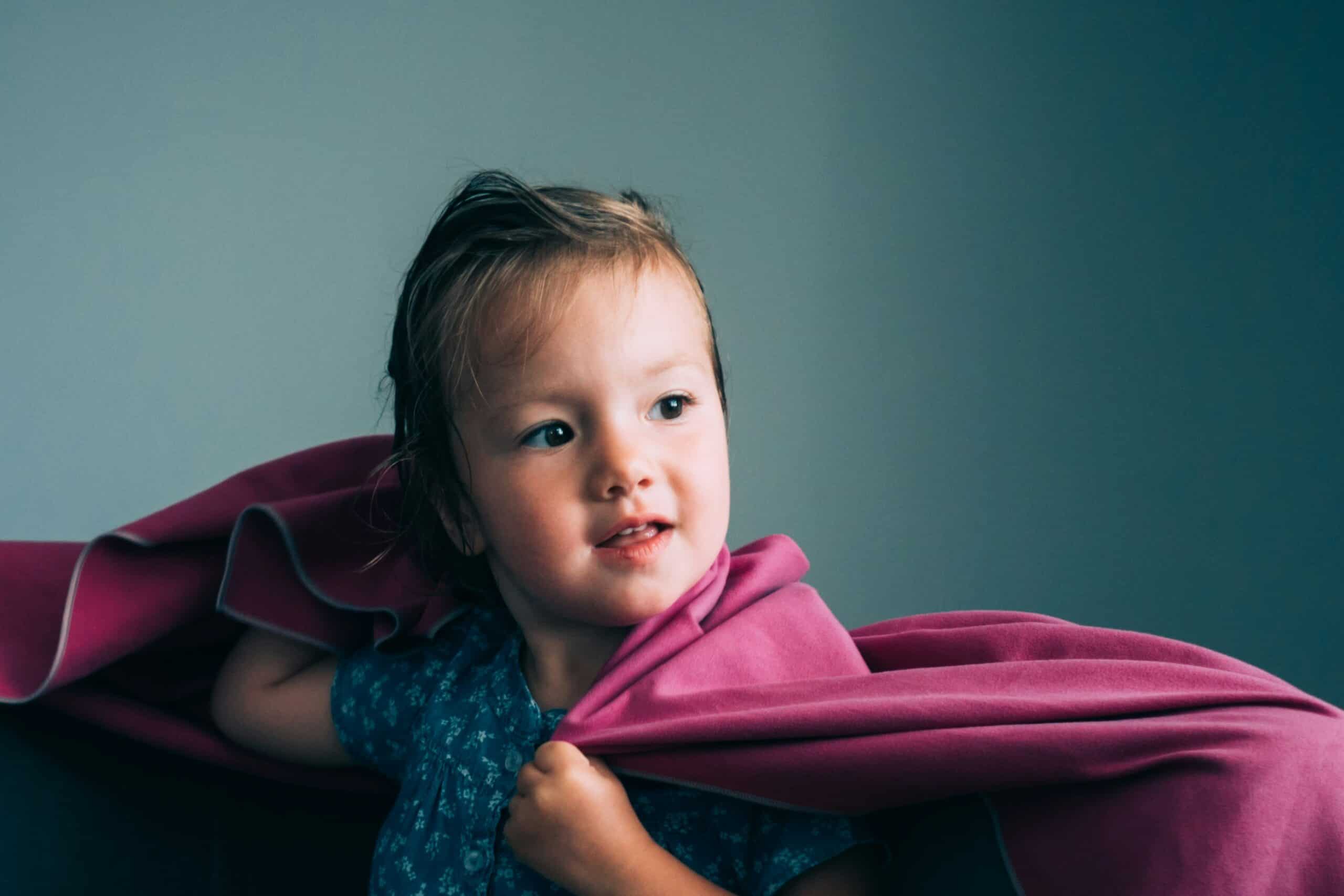
A kid who kicks the blanket off at midnight is usually not restless; they are hot. Children run warm and regulate temperature less efficiently than adults, so bedding that feels right to a parent can be genuinely too much for a child. The best cooling blankets for kids use breathable fabric and light weight so the blanket stays on the bed instead of on the floor, in a size that suits a twin or toddler mattress. One thing first, because it matters more than any pick below: blankets are not for babies. Here is how to choose for older children, with the wider category in our roundup of cooling blankets.
Safety First: Blankets and Infants
The American Academy of Pediatrics safe sleep guidance is clear that soft bedding, including blankets, quilts, and pillows, does not belong in a sleep space for babies under 12 months, because of the risk of suffocation and sleep-related infant death. For infants, a wearable sleep sack is the safe way to keep a baby warm, and our roundup of baby sleep sacks covers those. Everything below is for older children. This is general information rather than medical advice, so talk to your pediatrician about your own child, especially about when a blanket is appropriate for them.
Quick Verdict
A lightweight cotton blanket in twin size is the right choice for most kids: breathable, washable, and light enough that they keep it on. Bamboo cools best if your child runs genuinely hot, cooling weighted blankets suit kids who want pressure without the heat, and toddler sizing matters more than parents expect. Prioritize washability above almost everything, because a child’s blanket will be washed constantly whether you planned for it or not.
Key Takeaways
- No blankets in the sleep space for babies under 12 months.
- Kids run warm; lighter bedding often stays on.
- Cotton is the practical default; bamboo cools best.
- Size to the mattress, not to an adult blanket.
- Washability outranks nearly every other feature.
How We Picked
We judged these on what matters in a child’s bed rather than an adult’s: breathability and weight, since an overheating kid simply removes the blanket, fabric safety and the absence of loose trims or embellishments that could come off, sizing that suits a toddler or twin mattress rather than swamping it, and above all washability, since children’s bedding faces spills, illness, and accidents at a rate adult bedding never does. We kept every pick to older children, because the safe sleep guidance for babies is unambiguous and no product changes it.
Lightweight Cotton Kids Blanket (Best Overall)
A thin, breathable cotton blanket sized for a toddler or twin bed, with simple construction and no fussy trims.
Why It Stands Out
Cotton breathes, washes endlessly without degrading, and softens over time, which is the exact profile a child’s blanket needs. It is light enough that a warm kid keeps it on and tough enough to survive the laundry cycle a kid’s bedding actually lives. For most families this is both the first and the last blanket to consider.
Worth Knowing
Cotton holds moisture more than synthetics, so it is not the coolest option available. Best for most children in most bedrooms.
Check Price on AmazonBamboo Kids Blanket (Best Cooling)
Bamboo viscose sized for children, the most breathable common option.
Why It Stands Out
If your child genuinely runs hot and wakes up damp or throws bedding off every night, the fiber upgrade is worth it, since bamboo moves moisture and heat better than cotton does. It also feels smooth, which matters for kids sensitive to fabric texture, and our roundup of bamboo cooling blankets covers the material.
Worth Knowing
Viscose wants gentle washing, which is a real ask for a child’s blanket. Best for hot kids in households that will follow a care label.
Check Price on AmazonCooling Weighted Blanket for Kids (Best Calming)
A child-appropriate weighted blanket with a breathable cover, built for kids who like the feeling of pressure.
Why It Stands Out
Weighted blankets sleep hot by nature, which is why so many kids abandon them, and a cooling cover addresses the specific reason they get rejected. Weight selection for children is its own topic with real safety considerations, so our roundup of weighted blankets for kids and our weighted blanket weight guide should be your starting point rather than this section.
Worth Knowing
Weighted blankets are not appropriate for every child or every age, and weight must be matched carefully. Ask your pediatrician before starting. Best for older kids who want pressure and run warm.
Check Price on AmazonToddler-Size Cooling Blanket (Best for Small Beds)
Blankets cut for a toddler mattress rather than scaled-down twin bedding.
Why It Stands Out
An adult blanket on a toddler bed is a tangle waiting to happen, and correct sizing genuinely improves how a small child sleeps. Proper toddler dimensions mean the blanket covers without excess fabric to wrap up in, which is a practical benefit parents notice immediately.
Worth Knowing
Outgrown quickly, so it is a short-lived purchase. Best for toddler beds, once your pediatrician agrees a blanket is appropriate.
Check Price on AmazonKids Cooling Throw (Best for Naps)
A small, thin cooling layer for couch naps, car seats, and quiet time rather than overnight bedding.
Why It Stands Out
Kids nap in places that are not their bed, and a small dedicated cooling throw covers those without dragging the good blanket around the house. It is cheap, it washes easily, and it is genuinely useful in summer.
Worth Knowing
Too small for a bed, and it will be lost regularly. Best as a secondary blanket for naps and travel.
Check Price on AmazonMachine-Washable Kids Blanket (Best Practical)
Blankets built specifically to survive a child’s laundry reality: durable construction, colorfast fabric, no special care.
Why It Stands Out
This is the honest priority in children’s bedding, because a kid’s blanket gets washed after spills, illness, and accidents, and a blanket that cannot take it becomes a blanket you replace. Durability beats luxury here by a wide margin, and it is what parents wish they had bought first.
Worth Knowing
Durability-focused fabrics are rarely the softest or the coolest. Best for households that want one blanket to survive childhood.
Check Price on AmazonKids Cooling Blankets at a Glance
| Type | Best for | Trade-off |
|---|---|---|
| Lightweight cotton | Most kids | Not the coolest fiber |
| Bamboo | Hot kids | Gentle washing required |
| Cooling weighted | Older kids wanting pressure | Not for every child or age |
| Toddler size | Small beds | Outgrown quickly |
| Kids throw | Naps and travel | Too small for a bed |
| Washable everyday | Real-world laundry | Not the softest |
Why Kids Kick Blankets Off
It is worth reframing this, because parents often read it as restlessness and respond by adding bedding. Children generate heat readily and have a higher surface-area-to-mass ratio than adults, so they warm up faster under the same covers, and a blanket that feels pleasant to you can be genuinely too much for them. A kid removing a blanket is usually thermal feedback rather than misbehavior, and the fix is a lighter, more breathable blanket rather than a heavier one or a warmer room. The bedroom temperature matters as much as the bedding, which our guide on bedroom temperature for sleep covers, and in summer the environment does most of the work, as our guide on sleeping in hot weather without air conditioning explains. If your child is consistently overheating, sweating heavily at night, or sleeping badly despite sensible bedding, that is a conversation for your pediatrician rather than a shopping problem.
Choosing a Kids Blanket
Follow safe sleep guidance first
For babies under 12 months, no blanket belongs in the sleep space, and a wearable sleep sack is the safe alternative. When to introduce a blanket for your own child is a question for your pediatrician, not for a roundup. Our guide on setting up a safe nursery covers the infant sleep space.
Go lighter than you think
The most common mistake is buying a child a scaled-down version of adult bedding. Kids run warmer, so start lighter and add a layer only if they genuinely need it. A blanket that stays on the bed is worth more than a warm one on the floor.
Size to the mattress
Toddler and twin sizing exist for a reason, and excess fabric on a small bed is a tangle rather than a comfort. Match the blanket to the mattress your child actually sleeps on, and our roundups of mattresses for kids and toddler pillows cover the rest of the bed.
Buy for the laundry
Assume the blanket will be washed far more than an adult’s, because it will be. A machine-washable, durable, colorfast blanket is worth more in practice than a slightly cooler one that cannot take the cycle.
The Verdict
The lightweight cotton blanket in the right size is the answer for most families, because it breathes, survives constant washing, and is light enough that a warm kid leaves it where you put it. Step up to bamboo if your child genuinely runs hot and you will handle the gentler care. Consider a cooling weighted blanket only for older kids who want pressure, and only after reading our dedicated kids weighted blanket guidance and talking to your pediatrician. Above all, remember the order of operations: safe sleep guidance first, then room temperature, then bedding. The blanket is the last variable, not the first, and it is rarely the one doing the most work.
Building a Cooler Bed for a Kid
The blanket is one layer, and for a child who overheats it is often not the most important one. The sheet touches your child’s skin all night and decides more than the blanket does, so a breathable cotton or bamboo sheet is worth fixing first, as our roundup of cooling sheets covers. The mattress matters too, since foam holds heat and a child sinking into a warm surface will not be rescued by better covers, which our roundup of mattresses for kids addresses. Pajamas count as bedding for this purpose, and heavy fleece sleepwear undoes a cooling blanket entirely. Work from the child outward, sleepwear, sheet, blanket, room, and you will usually find the fix is cheaper and simpler than a new blanket, and that the kid stops kicking things off once the whole stack makes sense.
Best Cooling Blankets for Kids FAQ
When can a child use a blanket?
Safe sleep guidance from the American Academy of Pediatrics keeps blankets and other soft bedding out of the sleep space for babies under 12 months due to suffocation risk. Beyond that, timing depends on the individual child, so ask your pediatrician rather than following a general rule.
Why does my child kick the blanket off?
Usually because they are hot. Children warm up faster under the same covers than adults do, so bedding that feels right to you may be too much for them. The fix is generally a lighter, more breathable blanket and a cooler room rather than more covers.
What is the best blanket material for kids?
Lightweight cotton for most children, since it breathes, washes endlessly, and softens with age. Bamboo viscose cools better and suits kids who run genuinely hot, at the cost of gentler washing requirements that a child’s blanket may not get.
Are weighted blankets safe for kids?
They are not appropriate for every child or every age, and weight has to be matched carefully to the individual. This is a topic that deserves its own guidance and a conversation with your pediatrician before you start, rather than a purchase based on a roundup.
What size blanket does a toddler bed need?
Toddler-specific sizing rather than a twin blanket, since excess fabric on a small mattress is a tangle risk and a comfort problem. Proper dimensions cover the child without leaving material to wrap up in, though toddler sizes are outgrown fairly quickly.
Do kids need cooling blankets in winter?
Many do, since kids run warm year-round and bedrooms are often heated more than a child needs. A breathable blanket with a warmer layer added over it when genuinely cold works better than swapping to heavy bedding for the season.
How often should you wash a child’s blanket?
Frequently, and more than you would an adult’s, given spills, illness, and accidents. That is why washability outranks nearly every other feature here. A durable machine-washable blanket beats a slightly cooler one that cannot survive the cycle.
Sources
- American Academy of Pediatrics, HealthyChildren.org, safe sleep recommendations for infants.
Recommended Reading
- baby sleep sacks, the safe option for infants.
- weighted blankets for kids, before considering weight.
- cooling blankets under fifty dollars, the budget route.
- cooling quilts, the flatter format.
Part of our full guide: the foundation principles of a sleep-cool bedroom.
