
For the foundational guidance behind these picks, see the ultimate buyer's guide to choosing the right mattress.
A bed runner is the long, narrow blanket or fabric laid across the foot of the bed, and the best bed runners are the ones that match your bed’s width with a bit of drop on each side, in a material and style that suits your room and climate. If you have ever wondered what that strip of fabric across a hotel bed is, that is a bed runner, sometimes called a bed scarf, and it is decorative first, practical second. It is one of the easiest pieces to add when you are layering bedding through the seasons. This guide covers the main styles, how to size one, and when to leave it off.
Quick Verdict
Pick a bed runner about the width of your mattress plus a little overhang, in a material that fits your look and climate: breathable cotton or linen for warm rooms, quilted or faux fur for cozy warmth. It is mostly decorative and protective, not a blanket you sleep under, so choose for style and easy care first.
Why Trust This Guide
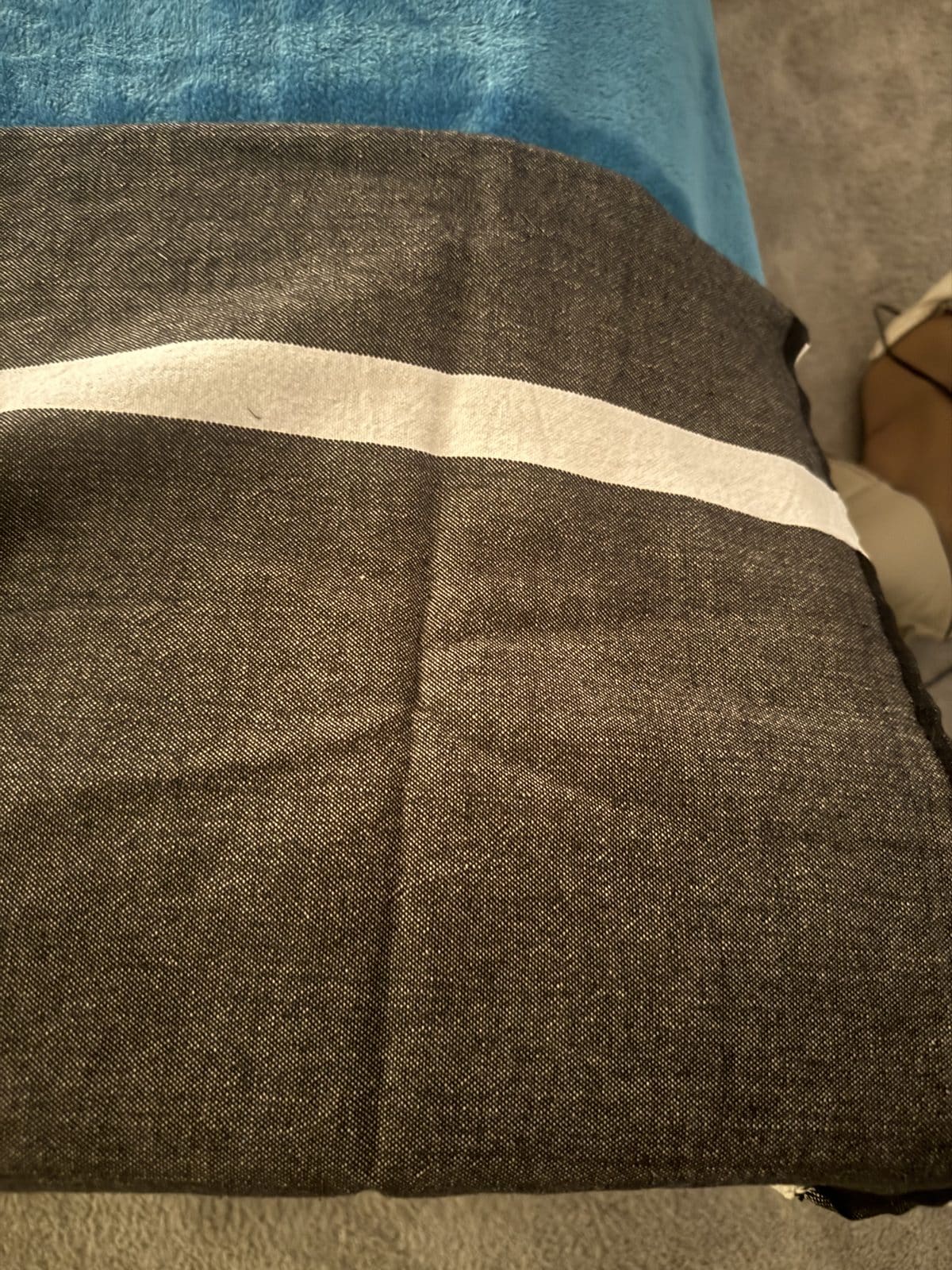
Independent picks, reader-supported through affiliate links at no cost to you. I use a bed runner on my own bed, a gray and white one with fringed ends that I keep mainly for how it looks and how it keeps the bed tidy. I take it off in summer, since Arizona heat means I do not want the extra layer. Picks beyond my own are research-based, chosen for real buyer value.
Key Takeaways
- A bed runner is a decorative, protective strip across the foot of the bed.
- Size it to your mattress width plus a modest drop on each side.
- Material sets the vibe: cotton and linen stay cool, faux fur and knit add warmth.
- It is not a sleeping blanket, so prioritize looks and easy care.
- In hot climates, many people use it only in cooler months.
How We Picked These Bed Runners
We grouped picks by material and style, since that is what actually decides whether a runner suits your room and climate, then weighed sizing flexibility, care, and how well each holds its shape at the foot of the bed. A bed runner earns its place on looks and function together: it dresses the bed, adds a layer of warmth if you want one, and protects the duvet or comforter underneath from wear. The point most listings skip is that a runner is seasonal and decorative, not a blanket you rely on for warmth, so the right pick is the one whose look and upkeep fit your life, not the warmest or the cheapest.
Woven Cotton Bed Runner
Why It Stands Out
A woven cotton runner, often finished with fringed or tasseled ends, is the everyday classic: breathable, easy to wash, and neutral enough to work with most bedding. The texture of a flat woven weave reads casual and relaxed rather than formal, which suits a lot of bedrooms.
Worth Knowing
Cotton wrinkles and the fringe can tangle in the wash, so a gentle cycle and a shake-out help. It adds almost no warmth, which is exactly why it works in warm rooms. The one on my own bed is this style, gray and white with a fringed edge, and I keep it mostly for the look and to keep the bed pulled together.
This suits the person who wants a light, decorative layer that is simple to care for and cool in a warm bedroom. Someone in a hot climate who still wants the finished look at the foot of the bed gets the most from it. Skip a thin cotton runner if you are after real warmth or a plush, heavy texture, where a knit or faux fur does more.
Quilted Bed Runner
Why It Stands Out
A quilted or matelassé runner adds a padded, structured layer that holds its shape neatly across the foot of the bed. The stitching gives it a tailored, hotel-like finish and a little more substance than a flat woven runner.
Worth Knowing
Quilting adds modest warmth and bulk, and the padded construction can take longer to dry after washing. It resists slipping better than a thin runner, which keeps the bed looking crisp.
This is for the person who wants a polished, made-bed look with a bit of extra protection for the comforter underneath. Someone furnishing a guest room where the bed should always look tidy benefits from its structure. Skip a quilted runner if your room runs warm and you want the lightest possible layer, or if you prefer a soft, draped look over a tailored one.
Faux Fur Bed Runner
Why It Stands Out
A faux fur runner brings plush texture and real warmth, turning the foot of the bed into a soft, inviting layer. It is the most tactile option and instantly makes a bed feel cozier, especially in cooler months.
Worth Knowing
Faux fur is the warmest style here and can feel like too much in a hot bedroom. It needs gentle washing and shaking out to keep the pile from matting, and it sheds a little at first.
This suits the person in a cold climate or anyone who wants a genuinely warm, luxurious accent for winter. Someone styling a bedroom for the cold season gets the biggest payoff. Skip faux fur if you live somewhere hot, run warm at night, or want a low-maintenance runner, since the pile takes more care than a flat weave.
Chunky Knit Bed Runner
Why It Stands Out
A chunky knit runner adds cozy, casual texture with visible stitches that give the bed a handmade, relaxed feel. It bridges decorative and warm, offering more coziness than cotton without the plush of faux fur.
Worth Knowing
Loose knits can snag, so keep them away from claws and rough edges, and wash them gently to hold their shape. The open texture means moderate, not heavy, warmth.
This is for the person who likes a warm, textured, lived-in look and a bit of extra coziness in cooler weather. Someone going for a soft, casual bedroom style will love it. Skip a chunky knit if you want a crisp, formal finish, or if snagging is a concern with pets in the room.
Linen Bed Runner
Why It Stands Out
A linen runner offers a natural, relaxed drape and excellent breathability, which makes it a standout for warm climates. Linen’s slightly textured, matte look reads effortless and pairs well with both casual and refined bedding.
Worth Knowing
Linen wrinkles by nature, which is part of its charm but not to everyone’s taste, and quality linen costs more than basic cotton. It is one of the coolest, most breathable options, so it barely adds warmth.
This suits the person in a hot region, or anyone who wants a breezy, natural-fiber look that stays cool. Someone in a warm climate who wants a runner they can leave on longer into the year gets real value. Skip linen if you dislike a wrinkled look or want a warm, cozy layer, where knit or faux fur fits better.
Velvet or Satin Hotel-Style Bed Runner
Why It Stands Out
A velvet or satin runner delivers the polished, luxurious look you see on hotel beds, with a sheen and richness that dresses up a room instantly. It is the most formal style here and makes a bed feel like a showpiece.
Worth Knowing
Shiny and plush fabrics show marks and can be slippery, so they need careful handling and often spot cleaning or dry cleaning. The formal look is a feature or a mismatch depending on your room.
This is for the person styling a refined, upscale bedroom or a guest suite meant to impress. Someone who wants that boutique-hotel finish will reach for it. Skip velvet or satin if you want low-maintenance, casual, or breathable, since it is the fussiest and warmest-looking of the group.
Bed Runners at a Glance
| Style | Warmth | Best climate | Look |
|---|---|---|---|
| Woven cotton | Minimal | Warm | Casual, relaxed |
| Quilted | Light | Any | Tailored, hotel-like |
| Faux fur | High | Cold | Plush, cozy |
| Chunky knit | Moderate | Cool | Textured, casual |
| Linen | Minimal | Hot | Natural, effortless |
| Velvet/satin | Light | Any | Formal, luxe |
How to Choose a Bed Runner
Get the size right
A runner should span your mattress width with a modest drop on each side, so measure your bed and match the runner length to it. Too short looks skimpy; too long puddles on the floor. Most are sold by bed size, so start there.
Match material to your climate
Breathable cotton and linen stay cool in warm bedrooms, while faux fur and knit add real warmth for cold ones. In a hot climate, a light natural fiber you can leave on longer beats a plush layer you rarely use.
Pick a style that fits the room
A woven or linen runner reads casual, quilted and velvet read formal, and knit and faux fur read cozy. Choose the look that matches your existing bedding rather than fighting it.
Check the care label
Since a runner is decorative, easy care matters. Machine-washable cotton, linen, and many knits are low-fuss, while velvet, satin, and some faux fur may need gentle or spot cleaning. Know before you buy.
Bed Runner vs Throw Blanket
When a bed runner fits
A bed runner is long and narrow, made to lie neatly across the foot of the bed as a finished, decorative layer. If you want a tailored look that stays put and dresses the bed, the runner is the purpose-built choice.
When a throw blanket fits
A throw blanket is squarer and more versatile, meant to be used and draped on a couch or bed for actual warmth. If you want something to wrap up in as well as display, a throw is the better pick, so match the piece to whether you want warmth or a clean look.
Common Bed Runner Mistakes to Avoid
Buying the wrong length
A runner sized for a queen looks lost on a king and overhangs a full. Measure your mattress width and match the runner to your bed size for a balanced drop.
Choosing a hot material for a warm climate
Faux fur or velvet in a hot bedroom often ends up unused. In warm regions, a breathable cotton or linen runner gets far more use through the year.
Expecting it to keep you warm
A runner is decorative and protective, not a sleeping blanket. If warmth is the goal, layer a proper blanket or throw underneath rather than relying on the runner.
Ignoring care requirements
Grabbing a dry-clean-only velvet runner when you wanted low-maintenance leads to a piece you never refresh. Check the care label against how much upkeep you will actually do.
Recommended Reading
- layering bedding for every season, where a runner earns its place.
- throw blankets for couch and bed, the warmer, more versatile cousin.
- quilts and coverlets, for building a fuller layered look.
- bedspreads and blanket sets, if you want to coordinate the whole bed.
Bed Runner FAQ
What is the point of a bed runner?
A bed runner dresses the foot of the bed for a finished, pulled-together look, adds an optional layer of warmth, and protects the duvet or comforter underneath from wear. It is decorative first and practical second, which is why hotels use them.
What is a bed runner also called?
A bed runner is often called a bed scarf, and casually an end-of-bed blanket or throw. They all refer to the same long, narrow piece laid across the foot of the bed.
What size bed runner do I need?
Match the runner to your mattress width with a small drop on each side, so a queen runner suits a queen bed and a king runner a king. Measure your bed and buy by bed size for a balanced look.
Do you sleep under a bed runner?
Not usually. A bed runner is decorative and protective, meant to lie across the top of your bedding rather than to sleep under. For warmth, you would fold it back and use the blanket or duvet beneath it.
What material is best for a hot climate?
Breathable natural fibers like cotton and linen are best for warm rooms, since they add almost no warmth and stay cool. Save faux fur, knit, and velvet for cooler months or colder climates.
How do you keep a bed runner from sliding off?
Choose a runner with some weight or texture, like a quilted or knit style, which grips better than a slick fabric, and lay it flat with an even drop. Tucking the ends slightly under the mattress sides also helps it stay put.
Do you really need a bed runner?
No, it is entirely optional and purely a styling choice. Many people love how it finishes a bed and protects the bedding, while others skip it, especially in hot climates where the extra layer goes unused in summer.
How do you wash a bed runner?
It depends on the material: cotton, linen, and many knits are machine washable on a gentle cycle, while velvet, satin, and some faux fur need gentle or spot cleaning. Always check the care label first, since a runner is easy to refresh only if you match it to your upkeep.
More in this guide: how to improve sleep quality naturally, foot warmers for bed, our bed step stools guide, our picks for bed rails elderly safety, falling asleep on couch not bed explained.
