
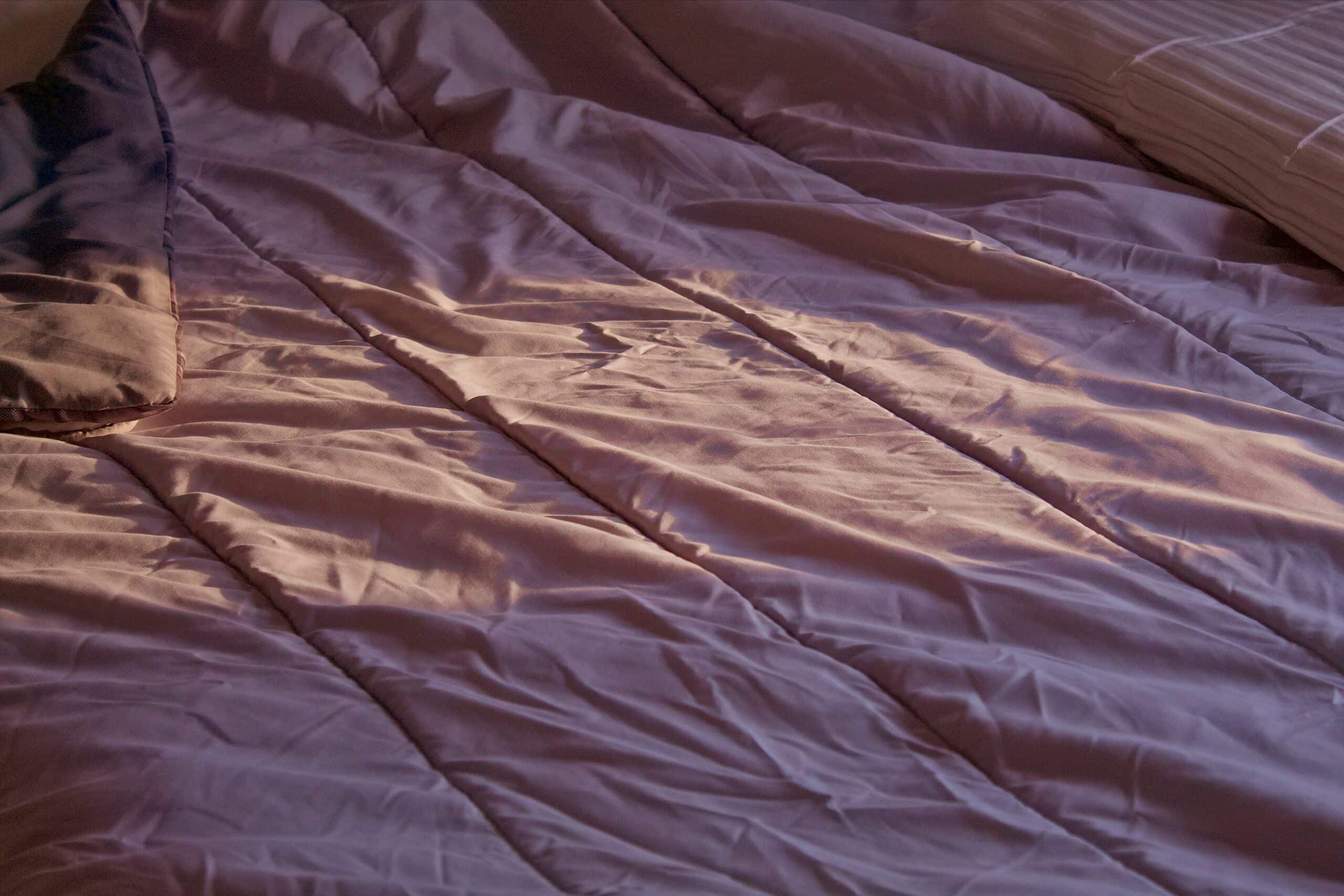
The most practical setup for overnight leaks uses three layers: a waterproof protector on the bare mattress, a fitted sheet over it, and a washable absorbent pad on top where the hips rest. The best waterproof bedding for incontinence is rarely a single purchase, because blocking moisture and soaking it up are two different jobs.
If the budget allows one order, buy a full-surface waterproof mattress protector plus three washable bed pads. The protector guards the costly part of the bed. The pads turn a night change into one small swap instead of a full remake.
Disposable underpads, pillow protectors, and a chair pad fill in around that core. Anyone new here should skim a primer on what a mattress protector actually does, since the word covers several different products.
A Quick Note
This article offers general product information, not medical advice. The National Institute of Diabetes and Digestive and Kidney Diseases describes urinary incontinence as a common condition with many possible causes, and one that a clinician can evaluate. New incontinence, or a pattern that suddenly changes, deserves a medical appointment rather than only a bedding fix.
Waterproof Bedding at a Glance
| Layer | Where It Sits | What It Handles Best | Laundry Reality |
|---|---|---|---|
| Washable absorbent bed pads | On top of the fitted sheet | Nightly absorption at the hips | Light, fast, machine wash every use |
| Waterproof mattress protector | Directly on the mattress | Stopping moisture reaching foam | Bulky wash, needed only occasionally |
| Waterproof pillow protectors | Under the pillowcase | Sweat, spills, and side sleeping | Small and easy, wash with sheets |
| Waterproof fitted sheet or encasement | Replacing or sealing the sheet layer | Heavier volume and full coverage | Full strip and remake each time |
| Disposable underpads | On top of the fitted sheet | Travel, illness, and caregiver shifts | No laundry, ongoing purchase |
| Waterproof chair or recliner pad | On seating, not the bed | Long daytime sitting | Small wash, quick swap |
Key Takeaways
- Layer the bed rather than hunting for one perfect product.
- A protector blocks moisture; only an absorbent pad holds it.
- Buy pads in threes so one washes, one dries, one waits.
- Skip fabric softener, which clogs the fibers that pull moisture in.
- Full encasements suit heavier volume but cost a full bed change.
- Disposables earn their place for travel and caregiver routines.
How We Picked
We built this guide from published clinical guidance, construction notes, and long-running buyer complaints about heat, noise, and shifting. These are category recommendations rather than hands-on reviews of specific units.
We name no brands, quote no prices, and assign no scores, because none of that would be honest here. The aim is to help you recognize the right layer, then judge listings yourself.
We weighted four things: whether a product absorbs or merely blocks, how much laundry it creates, how it treats a hot sleeper, and whether it stays put. Dignity counted too. A layer that crackles all night fails on that point.
1. Washable Absorbent Bed Pads
Why It Stands Out
A washable bed pad is the layer that changes daily life most. It sits on the fitted sheet, covers the hip zone, and absorbs into a quilted core backed by waterproof film. You pull off one pad and put down another.
That matters more than absorbency figures. A full bed strip wakes everyone. A pad swap takes under a minute. Many pads add side flaps that tuck under the mattress and stop nightly creep. Reducing the trip itself is covered in our raised toilet seat guide.
Worth Knowing
Pads wear out quietly. The backing stiffens and cracks after enough hot wash cycles, so the pad looks fine while it stops working. Check it monthly by pressing a damp cloth against the underside.
They also add warmth. Waterproof film traps heat, and quilting adds loft on top. Hot sleepers often prefer a thinner pad changed more often.
Best for: almost anyone handling nightly leaks, and for caregivers who need a fast change in the dark. Skip them if volume reaches the mattress edges, where a waterproof fitted sheet covers more ground.
Check Price on Amazon2. Waterproof Mattress Protectors
Why It Stands Out
The mattress is the expensive part of the bed and the hardest thing to clean. A waterproof protector fits like a deep-pocket sheet and stops liquid reaching foam or springs. Once on, it stays on for months.
Modern protectors bond a thin membrane to a soft knit face, so they feel like fabric. Older vinyl sheeting is why many people still assume waterproof means loud and sweaty.
Worth Knowing
A protector blocks moisture but absorbs almost none. Liquid pools and spreads sideways, so the sheet and the sleeper get wet while the mattress stays dry. Buyers who skip the absorbent layer feel let down for this reason.
Heat is the other trade-off. Even a breathable membrane slows airflow, and cheap versions slow it badly. Pair the protector with cooler breathable sheet and duvet options above it.
Best for: every bed in this situation, as the foundation under everything else. Nobody should rely on it alone for absorption.
Check Price on Amazon3. Waterproof Pillow Protectors
Why It Stands Out
Pillows get overlooked and they are hard to save. A zippered waterproof pillow protector goes under the pillowcase and keeps sweat and spills out of the fill. Most pillows cannot be washed properly.
This layer helps side sleepers most, and anyone who props up on pillows during the day. A soaked pillow is otherwise a total loss. The protector washes with the sheets.
Worth Knowing
Zippers are the weak point. Stiff zipper tape can press into the cheek through a thin pillowcase, and cheap zippers fail within a year. Look for a fabric flap over the zipper.
These protectors also make pillows feel firmer and warmer. Some sleepers notice a faint rustle when they turn. A softer knit face reduces both problems without removing them.
Best for: anyone who has already lost a pillow they could not rescue, and for propped or reclined sleeping. Skip them if the sleeper reacts badly to any change in pillow feel.
Check Price on Amazon4. Waterproof Fitted Sheets and Full Encasements
Why It Stands Out
A waterproof fitted sheet replaces the ordinary sheet and covers the whole sleeping surface. A full encasement goes further and zips around all six sides of the mattress. Both handle volume that a hip-zone pad cannot contain.
Coverage is the real argument. Liquid that runs toward the edge still hits waterproof fabric. For heavier volume, or a sleeper who moves a lot, that reach prevents the repeat soaking that ruins a bed slowly.
Worth Knowing
The downside is laundry. Every event means stripping and remaking the bed, which is the work a top pad exists to avoid. Most households pair a waterproof fitted sheet with a pad, so the sheet acts as a backstop.
Encasements deserve a separate thought. They seal the mattress completely, which is why the bed bug encasement category exists, but the zip line traps warmth. The guide to protectors compared with encasements lays out the difference.
Best for: heavier volume, restless sleepers, and beds that already show staining. Skip the full encasement if heat is the main complaint, since a waterproof fitted sheet breathes better.
Check Price on Amazon5. Disposable Underpads
Why It Stands Out
Disposable underpads solve a logistics problem rather than a coverage one. They lie on the fitted sheet, absorb into a fluff core, and go in the trash. No washing machine, no drying rack, no waiting.
Three situations make them worth buying: travel, short illnesses that raise volume temporarily, and homes with limited laundry access. Caregivers working set hours also value a layer that needs no follow-up.
Worth Knowing
Cost accumulates and never stops. A washable pad pays for itself within weeks of nightly use, while disposables stay a permanent monthly line. Waste volume bothers plenty of households too.
Comfort also varies more here. Thin disposables bunch and slide, and some have an audible plastic backing that makes the bed feel clinical. Layering two rarely works, since the top one blocks the lower one.
Best for: travel, temporary spikes in volume, and shift-based caregiving where nobody can run a wash. Skip them as the everyday answer if laundry is available.
Check Price on Amazon6. Waterproof Chair and Recliner Pads
Why It Stands Out
Beds get the attention, but a recliner often takes more hours per day. A waterproof chair pad drapes over the seat and back, absorbs into a quilted face, and lifts off for washing. Upholstery cannot be laundered.
Better versions add a long back flap that tucks behind the cushion and holds position when someone stands. That feature separates a pad that works from one bunched on the floor by mid-morning.
Worth Knowing
Chair pads shift more than bed pads, because sitting involves sliding and standing. They also wear faster, since a seat concentrates pressure into a small area. Expect to replace them sooner than bed layers.
Cleveland Clinic guidance on skin care emphasizes keeping skin dry to avoid irritation. A chair pad changed promptly supports that better than a damp cushion nobody can wash.
Best for: recliners, wheelchairs, and dining chairs where someone sits for long stretches. Skip it if daytime sitting is brief and a towel handles the occasional spill.
Check Price on AmazonHow to Choose Waterproof Bedding
Do You Need Absorbency or Just a Barrier?
Answer this first, because it decides everything else. A barrier keeps the mattress dry. Absorbency keeps the sleeper dry, and only a quilted pad or disposable underpad delivers it.
Most households need both. Buy the barrier once and the absorbent layer in multiples. Treating a protector as an absorbent product is the most common mistake here.
What Size Bed Pad Should You Buy?
Pad size matters less than placement. A pad needs to cover mid-back to upper thigh, set where the hips rest rather than centered on the bed. Buyers frequently place a pad too high.
Wide pads with tuck-under flaps suit restless sleepers. Smaller pads suit lighter volume and wash faster. For a child’s bed, the protector options built for kids fit better than adult sizing.
Which Materials Stay Cool and Quiet?
Look for a brushed or knit face over a thin bonded membrane. That build feels like cloth and stays quiet. Vinyl and laminated sheeting run hotter and crackle when the sleeper turns.
Cotton and bamboo faces breathe better than fully synthetic ones. They also absorb a little slower, which reads as surface wetness. A softer face plus prompt changes beats chasing maximum absorbency.
How Many Layers Are Too Many?
Three layers is the practical ceiling: protector, sheet, pad. A fourth traps heat, slides, and often blocks absorption rather than adding to it.
Stacking two absorbent pads is the classic version of this error. The top pad holds moisture and the bottom stays dry and useless. Add coverage sideways, not upward.
Washable Pads vs Disposable Underpads
When Washables Win
Washables win on cost, comfort, and quietness for anyone with regular laundry access. A set of three covers a full rotation. The fabric face feels far less clinical against skin.
They win on dignity too, which is not a small point. A bed that looks and sounds ordinary reads differently to the person sleeping in it. That matters over years.
When Disposables Win
Disposables win whenever laundry is the bottleneck. Hotel rooms, hospital stays, shared laundry rooms, and short illnesses all favor a layer needing no follow-up. They travel flat and weigh almost nothing.
Many households run both. Washables handle ordinary nights, and a box of disposables waits in the closet for trips. That mix costs less than going fully disposable.
What Trips People Up
Buying One Pad Instead of Three
A single pad fails on its first night of use. One goes in the wash, one sits in the dryer, and the bed has no absorbent layer. Three is the working minimum.
This is also why people conclude that washable pads do not work. The product was fine. The rotation was missing.
Using Fabric Softener
Softener and dryer sheets coat absorbent fibers with waxy residue. That residue repels liquid, so the pad sheds moisture instead of pulling it in. Performance drops within a few cycles.
Wash these items with plain detergent on a warm cycle. Skip bleach as well, since it degrades the waterproof membrane.
Letting the Pad Shift Overnight
An unanchored pad migrates toward the foot of the bed and leaves the hips on bare sheet. Tuck-under flaps fix this. So does a loose top sheet holding it down.
Restless sleepers and anyone using bed rails should check placement at bedtime, every night. The National Institute on Aging highlights safe, uncluttered nighttime routines, and loose bedding around rails works against that. Households already using rails can review bed rail safety considerations alongside bedding choices.
Waiting Too Long to Clean the Mattress
Once liquid reaches the mattress, time works against you. Odor sets, and the area stays damp inside long after the surface dries. Acting the same day changes the outcome.
Keep a plan ready before you need it. The walkthrough on cleaning a mattress properly covers the sequence, and the roundup of enzyme-based mattress cleaners covers what actually breaks down odor.
Worth reading next: if the setup is for a parent or older relative, the guides to helping seniors sleep more comfortably and choosing a mattress for older adults pair naturally with this one. For anyone comparing softer surface layers under a waterproof sheet, the overview of mattress pad options explains where comfort layers belong in the stack.
Frequently Asked Questions
What is the best waterproof bedding for incontinence?
The best waterproof bedding for incontinence is a layered setup rather than one item. Put a waterproof mattress protector on the bare mattress, a fitted sheet over it, and a washable absorbent bed pad on top at hip level. The protector keeps the mattress dry and the pad keeps the sleeper dry. Add pillow protectors and a chair pad as needed.
How many washable bed pads do you need?
Three is the practical minimum for nightly use. One stays on the bed, one moves through the wash, and one waits clean in the closet. Two works only if you can run laundry the same morning every time. Households with heavier volume or slower laundry access often keep four or five in rotation.
Do waterproof protectors make the bed hot?
Any waterproof layer slows airflow, so some added warmth is unavoidable. Thin bonded membranes under a knit face fabric run far cooler than vinyl or laminated sheeting. Choosing breathable sheets above the protector helps more than most buyers expect. Hot sleepers usually do better with a thin pad changed often than a thick quilted one.
Can waterproof bedding go in the dryer?
Usually yes, on low heat only. High heat is the main thing that cracks a waterproof backing, and a cracked backing leaks without any visible damage to the fabric face. Line drying extends the life of these items considerably. Skip fabric softener and dryer sheets entirely, since the residue blocks absorption.
How often do you need to replace waterproof bedding?
Watch the backing rather than the calendar. Press a damp cloth against the underside of the pad or protector, and replace it if any moisture comes through. Stiffness, crinkling, or a chalky feel on the backing all signal that the membrane is failing. Nightly-use pads typically need replacing well before lightly used ones.
Do you still need a fitted sheet over a protector?
Yes, in almost every case. The fitted sheet gives the bed a normal feel, protects the protector from abrasion, and washes far more easily than the protector itself. Skipping it means the membrane face takes all the wear. Waterproof fitted sheets are the one exception, since they fill both roles at once.
Are disposable underpads better than washable ones?
Neither is better overall; they solve different problems. Washables cost less over time, feel more like ordinary bedding, and stay quieter. Disposables remove laundry entirely, which matters for travel, hotel stays, and shift-based caregiving. Plenty of households keep washables for regular nights and a box of disposables for trips and difficult weeks.
When should you talk to a clinician about incontinence?
Incontinence that is new, worsening, or suddenly different in pattern should prompt a medical appointment. See a doctor promptly if it comes with pain, fever, blood, or any change in bowel or bladder control after an injury. Mayo Clinic guidance notes that many causes are identifiable and manageable, so bedding should support care rather than replace it.
Sources
- National Institute of Diabetes and Digestive and Kidney Diseases, patient information on urinary incontinence, its causes, and evaluation
- Mayo Clinic, clinical overview of urinary incontinence symptoms and when to seek medical care
- Cleveland Clinic, guidance on incontinence-associated skin care and keeping skin dry
- National Institute on Aging, guidance on bladder health and safe nighttime routines for older adults
