
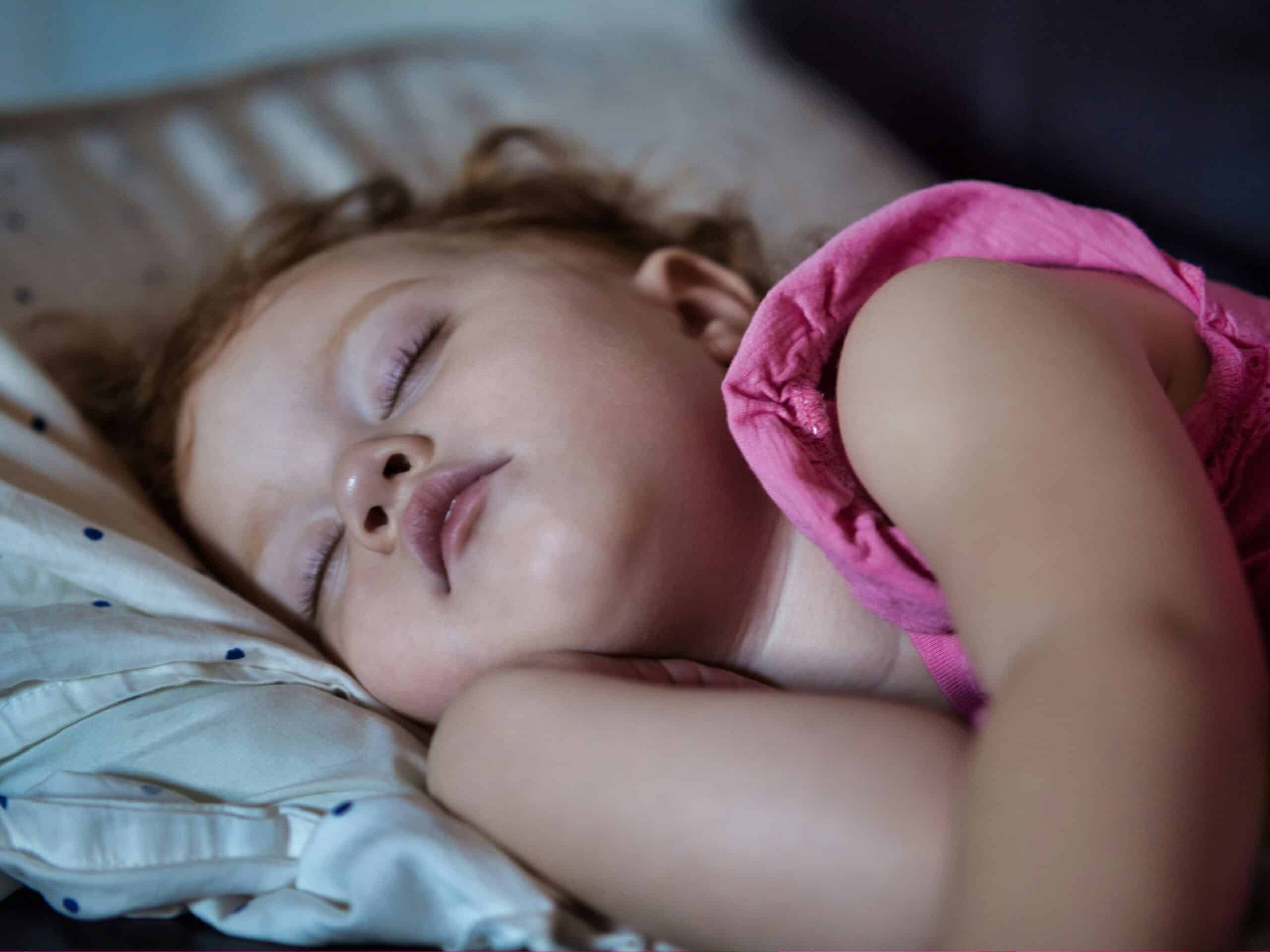
Most guidance points to waiting until a child is at least two years old and usually until they have moved out of a crib into a bed, because a pillow is a loose object in a sleep space until then. Parents asking when should a toddler move to a pillow are really asking about the bed, not only the birthday. Pillows, loose blankets, and soft toys do not belong in a crib at any age.
Safe sleep guidance stays consistent, and it covers naps as well as nights. So the honest answer rests on two conditions, not one number. A steady bedtime routine shapes toddler sleep far more than a pillow ever will.
Medical Disclaimer
This article offers general information and is not medical advice. A pediatrician or another qualified clinician should guide diagnosis and treatment for a child. Ask that clinician before changing anything about a child’s sleep space.
Quick Answer
Wait until a child is at least two years old, and in most cases until they have moved from a crib to a bed. Keep the crib clear of pillows, blankets, and soft objects. Confirm the timing with your pediatrician, since children develop at different rates.
Key Takeaways
- Age two is the earliest point common guidance mentions, and it is a floor rather than a starting signal.
- The move out of the crib matters more than the birthday.
- A toddler pillow is smaller and flatter, so an adult pillow is too large for a small bed.
- Readiness often shows up as a child seeking head support without prompting.
- A pediatrician knows the child and should confirm the timing.
| Stage | Pillow? | Why |
|---|---|---|
| Newborn in a crib | No | Safe sleep guidance keeps the crib bare, with a firm flat surface and a fitted sheet. |
| Infant under one year | No | Soft objects and loose bedding stay out of the sleep area entirely. |
| One year old, still in a crib | No | The first birthday changes nothing, so wait for both the age guidance and the bed. |
| Around age two, still in a crib | Usually not yet | Age two is the earliest point guidance mentions, and a crib is still a crib. |
| Moved to a toddler bed | Often yes, after a pediatrician check | A bed changes the sleep surface, so this is the usual moment to raise the question. |
| Child asking for a pillow | Only if age and bed both allow | Interest is not readiness on its own, and curiosity can wait. |
| Child folding an arm or blanket under the head | Discuss it, do not act alone | A genuine readiness signal worth mentioning at the next visit, though timing belongs to the clinician. |
| Daycare or preschool nap setting | Follow the program rules | Licensed programs set bedding policies by age group, so ask the director first. |
Why the crib is the deciding factor rather than age alone
The crib, not the calendar, drives the answer for most families. Safe sleep guidance from the Centers for Disease Control and Prevention treats a bare sleep surface as the standard for infants. That standard does not soften on a particular day.
A crib is built for a bare mattress and a fitted sheet. Adding a pillow puts a loose object in an enclosed space, which guidance asks parents to avoid. So the pillow question opens when the crib closes.
Many children move to a bed between two and three and a half years old, and some stay in a crib longer. The order matters more than the pace.
What readiness actually looks like in a toddler
Readiness shows up in behavior, not in a birthday. The clearest sign is a child seeking head support on their own. Watch for an arm tucked under the head, or a blanket bunched up and pushed into place.
A child who sleeps flat and settled is telling you something too. Comfort is the goal, and plenty of toddlers reach it without a pillow.
Asking for a pillow counts for less than it seems, since toddlers ask for things they see older siblings using. Curiosity is worth noting, though it is not a physical need.
Toddler pillow versus adult pillow: size and loft explained
A toddler pillow is deliberately smaller and flatter than anything on an adult bed. Adult pillows run wider and thicker, which crowds a small mattress and lifts a small head too high. That size gap is why a spare pillow from the guest room is a poor substitute.
Low loft suits a short neck. A thick pillow tilts the chin toward the chest, which is uncomfortable and easy to see once a child settles. Medium firmness holds a shape without feeling hard.
A pillow that hangs over the edge invites tugging and rearranging. Our roundup of pillows sized for toddlers covers the dimensions and fill types worth comparing once a pediatrician gives the go ahead.
Pillowcases, washing, and keeping the bed clean
This age brings spills, drool, and the occasional stomach bug, so washability is a practical requirement. Look for a removable case and a fill that survives a normal machine cycle. A spare case saves a middle of the night scramble.
Zippered cases stay put better than envelope styles under an active sleeper. Cotton blends breathe well and wash easily, so skip anything needing hand washing.
Bedding around the pillow deserves the same thinking. A washable barrier such as one of these protectors made for kids beds keeps the mattress usable through the messy years. Lighter covers like breathable blankets for warm sleepers also help a child who runs hot at night.
Daycare and preschool nap mats: how the rules differ
Licensed child care programs set their own bedding policies, and those policies often differ from what happens at home. Many toddler rooms request a small pillow and a blanket for nap mats. Infant rooms almost never allow either.
Ask the director for the written policy before shopping, since age cutoffs vary by state and by program. A supply list is not a safety recommendation for your child.
Programs usually want bedding that folds into a cubby and comes home weekly for washing. A small flat pillow fits that requirement better than a plush one.
Travel, car seats, and strollers: why a pillow is not the answer
A pillow does not belong in a car seat, a stroller, or a travel crib. Car seats work only with the harness against the child’s body, so padding behind or under a child changes that fit. Cleveland Clinic and other pediatric sources are direct about keeping aftermarket padding out of car seats.
Head slump in the car frustrates every parent, though a pillow is the wrong fix. Ask the car seat maker which inserts are approved for that model, because approved parts are the only safe additions.
Travel cribs follow crib rules, not bed rules. Pack the fitted sheet made for that crib and nothing else.
How to introduce a pillow gradually, and what to do if a child refuses
Introduce a pillow at nap time first, when supervision is easy. Place it under the fitted sheet edge so it cannot slide. Watch how the child settles over a few days before making it permanent.
Some children push a new pillow off the bed and sleep sideways instead. That is a refusal, and it deserves respect. Remove it, wait a few months, and try again without commentary.
Keep other sleep conditions steady while a pillow is new, since one change at a time makes the outcome readable. Steps like adding a dim low light for the nursery belong in a separate week.
The limits of age guidance: what no rule can tell you
No age is a universal green light, and honest guidance says so. Two years old is a common floor, not a personalized recommendation. Children reach physical milestones on different schedules.
Body size, neck length, breathing patterns, and medical history all shift the picture. A child with reflux, airway concerns, low muscle tone, or a recent injury needs individual advice. The American Academy of Sleep Medicine frames pediatric sleep needs as a range for the same reason.
General articles cannot examine a child, and this one cannot either. A pediatrician can. Bring the question to a well child visit and let that conversation decide the timing.
Related Reading
A pillow only makes sense on a bed that fits, so start with our guide to mattresses built for kids. For a child who wakes at first light, our notes on darkening a bedroom help. Families looking ahead can compare mattress options for teenagers.
Sources
- Centers for Disease Control and Prevention
- Cleveland Clinic
- American Academy of Sleep Medicine
- Mayo Clinic
Frequently asked questions about toddler pillows
When should a toddler move to a pillow?
Common guidance says wait until at least age two, and usually until the child has moved from a crib to a bed. The crib matters more than the birthday, since a crib stays clear of pillows and loose bedding. Ask your pediatrician to confirm the timing for your child, because development varies and a clinician can examine the child directly.
Is a pillow safe to put in a crib?
Safe sleep guidance keeps cribs bare for infants and toddlers, with a firm flat mattress and a fitted sheet only. That standard covers naps as well as overnight sleep. Wait until the child sleeps in a bed and the pediatrician agrees the timing works, then introduce a small pillow made for that age group.
What size pillow does a toddler need?
Toddler pillows are noticeably smaller and flatter than adult pillows, so they sit inside a small mattress rather than hanging off it. An adult pillow crowds the bed and lifts the head too high for a short neck. Check the product listing for the actual dimensions and compare them against the mattress before buying anything.
How firm should a first pillow be?
Aim for low loft and medium firmness, since a pillow that holds its shape supports a small neck without tilting the chin toward the chest. Very soft pillows collapse and offer nothing, while thick ones create an awkward angle. Watch how the child looks once they settle, because posture tells you more than any package label.
Does daycare require a pillow for nap time?
Some toddler rooms request one and some do not, while infant rooms generally do not allow pillows at all. Policies follow state licensing rules and each program’s own standards, so ask the director for the written bedding policy before shopping. Remember that a supply list reflects program logistics rather than a safety recommendation for one child.
What if a toddler keeps pushing the pillow away?
Take the refusal at face value and remove it. Plenty of toddlers sleep comfortably flat and do not want head support yet, so try again in a few months without making it a negotiation. Comfort is the whole point, and a child who sleeps well without a pillow needs no persuading.
When should I see a doctor about this?
Raise the pillow question at any routine well child visit. Reach out sooner if a child snores loudly, pauses breathing, wakes gasping, sweats heavily at night, or seems constantly tired during the day. Those signs can point to conditions that deserve evaluation rather than a bedding change, and a pediatrician can assess the child and advise on next steps.
