
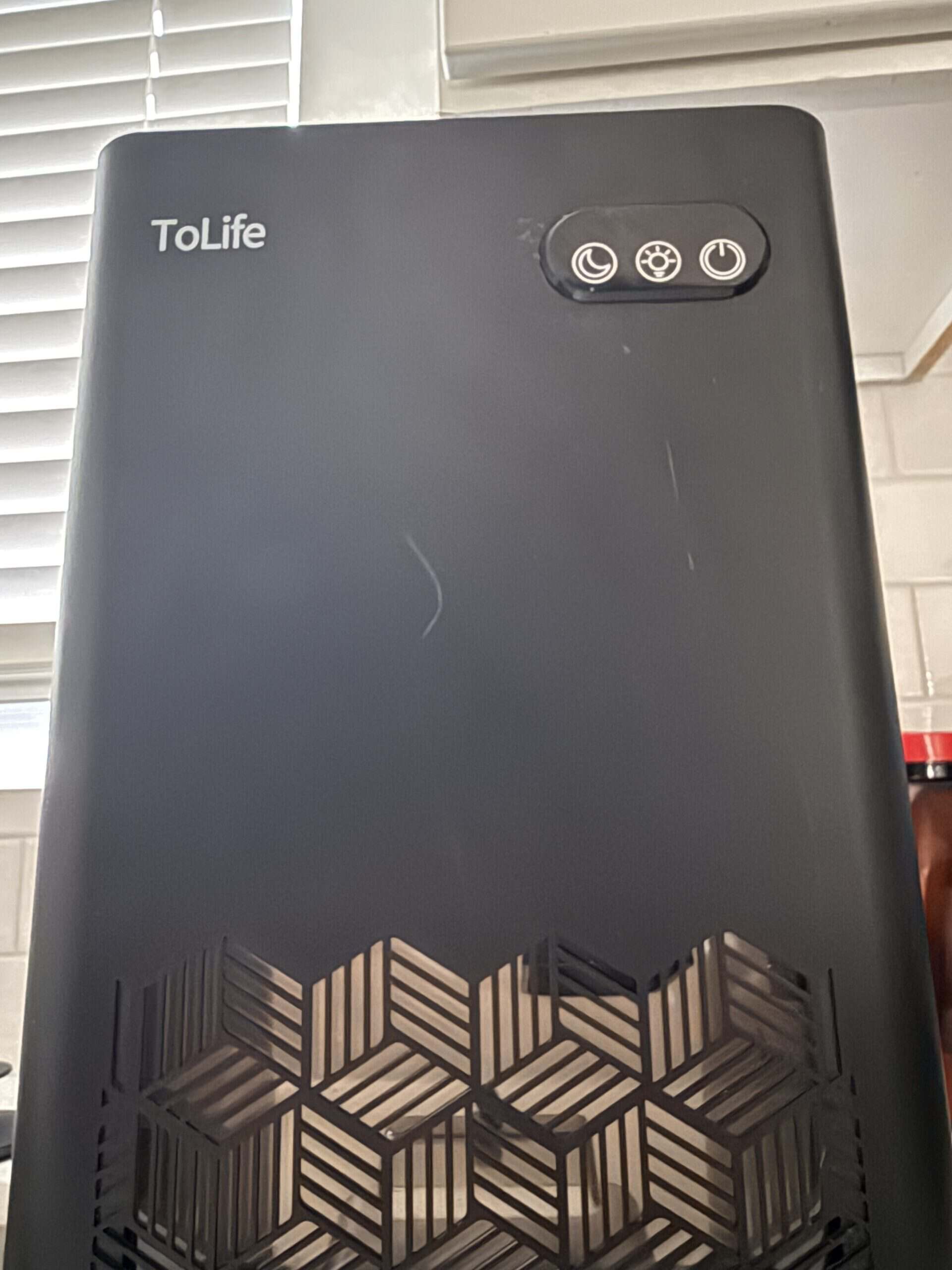
For most of the year, no. Dry climates sit well below the humidity range where a dehumidifier does anything useful, and running one in air that is already dry wastes electricity and can make a room uncomfortable in the other direction.
The exception is rain. Desert regions get short humid stretches, and monsoon season in the southwest produces a few weeks where indoor humidity climbs enough to affect sleep. Whether that justifies the purchase depends on how much those weeks bother you.
Quick Answer
Not worth buying for a dry climate alone. Worth using if you already own one during rainy stretches, when humidity climbs enough to make sleep uncomfortable. Somewhere between 30 and 50 percent is the range most people find comfortable, and dry climates sit at or below the bottom of it.
Key Points
- Dry climates rarely reach humidity levels a dehumidifier addresses
- Rainy stretches are the exception, and they are short
- Air that is too dry causes its own problems
- Running one costs meaningful electricity for little return in dry air
- Dehumidifiers add heat to a room, which works against summer cooling
- A humidifier is more often the right purchase in dry climates
When It Helps and When It Does Not
| Condition | Dehumidifier useful |
|---|---|
| Desert summer, no rain | No, air is already dry |
| Monsoon or rainy season | Yes, during the wet stretch |
| Old building with poor ventilation | Often, regardless of climate |
| Visible condensation or damp smell | Yes, that is a moisture problem |
| Winter in a dry region | No, and a humidifier may help |
| Air conditioning already running | Rarely, since AC removes moisture |
What Dry Actually Means
Comfortable indoor humidity generally sits between 30 and 50 percent. Below 30 percent air feels dry enough to cause irritation, and above 50 percent it starts feeling heavy and encourages mold growth.
Desert climates routinely run below 30 percent outdoors and indoors, which is below the range a dehumidifier is designed to bring air down into.
That is why the machine sits idle most of the year in those regions. There is nothing for it to remove, and running it anyway pushes air further into territory that causes dry skin, irritated sinuses, and sore throats.
How Mine Gets Used
I only run mine when it rains, because it gets pretty humid then. The rest of the year it does nothing.
It does help during those stretches. I really do not like the humid feeling when I am trying to sleep, and it addresses that specifically rather than making the room cooler.
It sits in my bedroom and has a quiet mode for nights, so noise has not been an issue. Emptying the tank is a little fragile and finicky, which is the main practical annoyance.
Being honest, I probably would not have bought it for a dry climate. I had it already from an older place, and that changed the calculation entirely.
My experience covers a dry desert climate with a monsoon season, in a modern apartment. It does not cover humid regions, where the answer is different, or homes with structural damp.
The Rainy Season Exception
Desert regions with a monsoon season get several weeks where humidity climbs sharply. That stretch feels different from the rest of summer even at similar temperatures.
Humid air limits evaporation from skin, which is how the body sheds heat overnight. That is why a humid night at eighty degrees feels worse than a dry night at the same temperature.
For anyone who already owns a dehumidifier, running it during those weeks is straightforwardly useful. For anyone who does not, a few weeks a year is a thin case for the purchase and the storage.
Fans help during those stretches too, though less than they do in dry heat, covered in running a fan and AC together.
Old Buildings Are a Separate Case
Climate is not the only variable. An older building with poor ventilation, inadequate insulation, or existing damp can hold humidity well above what the outdoor climate suggests.
In those cases a dehumidifier addresses a building problem rather than a weather one, and it can make a real difference year round even in a dry region.
Signs are a musty smell, condensation on windows, or a persistently heavy feeling in the air. Those point at moisture regardless of what the local climate does.
Whether the machine improves sleep specifically sits in whether a dehumidifier helps you sleep.
Air Conditioning Already Does Some of This
Air conditioning removes moisture as a side effect of cooling, since condensation forms on the cold coil and drains away.
A room with AC running is being dehumidified whether or not that was the intent, which reduces the case for a separate machine during summer.
Portable units in particular collect noticeable amounts of water, and in dry climates most of it evaporates through the exhaust, covered in whether a portable AC is worth it.
Reading the Room Without a Meter
Most people never measure indoor humidity, and the signals are noticeable enough that a meter is optional.
Too humid feels heavy, and sweat sits on skin rather than evaporating. Bedding feels slightly damp, mirrors stay fogged longer after a shower, and a room smells musty when you walk into it after being out.
Too dry produces the opposite set: waking with a dry throat, chapped lips, static from bedding, and skin that feels tight.
Neither list requires a hygrometer to notice, and a cheap one removes the guesswork if you want a number rather than an impression.
What a Dehumidifier Costs You
Electricity
They draw meaningful power, comparable to a small appliance running continuously. In air that is already dry, that is spent for almost no effect.
Heat
Dehumidifiers warm the room they are in as a byproduct. In summer that works directly against whatever is cooling the room.
Maintenance
Tanks need emptying, and the mechanisms are often more fragile than the rest of the unit. Continuous drain hoses avoid it where a drain is available.
Space
They are bulky and used seasonally at best in dry regions, which means storing something large for most of the year.
The Opposite Problem
In dry climates the more common complaint is air that is too dry: cracked skin, irritated sinuses, sore throats on waking, and static.
A humidifier addresses that, and it is the machine that more often earns its place in a desert bedroom, particularly in winter when heating dries indoor air further.
Running both in the same season makes no sense, so working out which direction your air actually needs to move is the first question rather than the second, covered in humidifiers for better sleep.
Worth It Against Not
Worth it if you already own one and get a rainy season, if you live in an older building holding moisture, or if you see condensation and smell damp regardless of the climate outside.
Not worth buying for a dry climate alone. A few humid weeks a year is a thin case against the cost, the heat it adds in summer, and storing a bulky machine the rest of the time. Options for people who do need one sit in dehumidifiers for the bedroom.
Related Reading
- the sleep question
- units compared
- the opposite machine
- AC and moisture removal
- apartment-sized options
- the wider cooling picture
Part of our guide to cooling a bedroom for better sleep.
Frequently Asked Questions
Do I need a dehumidifier in a dry climate?
Usually not. Dry regions sit at or below the bottom of the comfortable humidity range, so there is little for the machine to remove and running one can make air uncomfortably dry.
What humidity level should a bedroom be?
Between 30 and 50 percent suits most people. Below that air feels dry enough to irritate skin and sinuses, and above it starts feeling heavy and encourages mold.
Does a dehumidifier help during monsoon season?
Yes. Humidity climbs sharply during those weeks, which limits evaporation from skin and makes the same temperature feel worse. That is the one stretch where it earns its place in a dry region.
Does a dehumidifier cool a room?
No, the opposite. It removes moisture and adds heat as a byproduct, which works against cooling in summer even though drier air can feel more comfortable.
Does air conditioning dehumidify?
Yes, as a side effect of cooling. Condensation forms on the cold coil and drains away, which reduces the case for a separate machine while the AC is running.
Should I get a humidifier instead?
In a dry climate, often. Dry air causes cracked skin, sinus irritation, and sore throats, and heating in winter makes it worse. Working out which direction your air needs to move comes first.
What if my home feels humid despite a dry climate?
That points at the building rather than the weather. Poor ventilation, inadequate insulation, or existing damp can hold moisture well above what the outdoor climate suggests, and a dehumidifier addresses that year round.
