
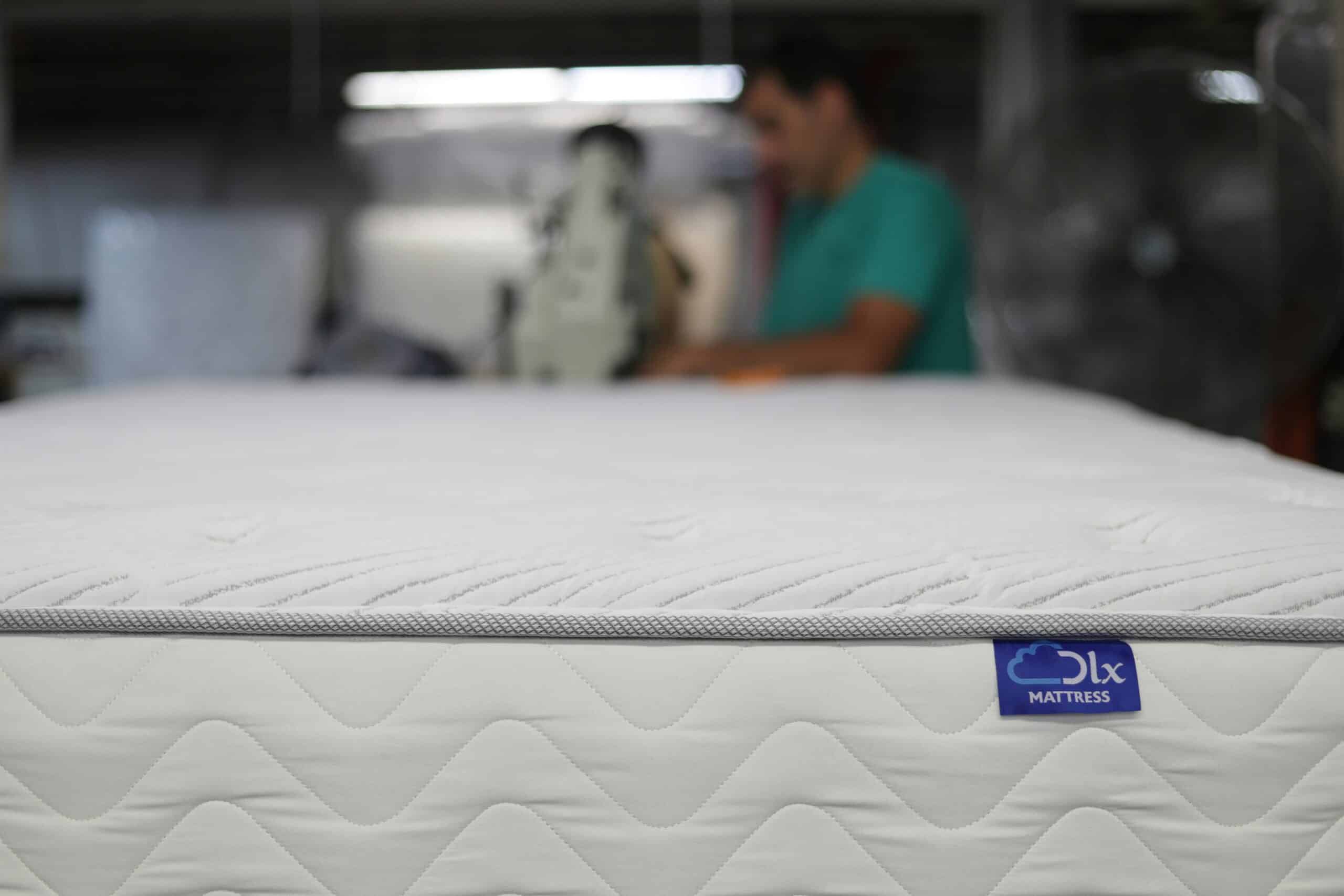
A twenty-five year warranty sounds like a promise that the mattress lasts twenty-five years. It is a promise to repair or replace the mattress if a specific defect appears, measured against a specific threshold, provided you have used a supporting base and kept the mattress unstained. Those conditions do more work than the number of years.
The two figures that matter are the sag depth that qualifies as a defect, and whether the coverage is full or prorated. A ten year full warranty with a three-quarter inch sag threshold protects you better than a lifetime warranty that prorates after year ten and requires an inch and a half of visible sag.
Quick Verdict
Compare the sag threshold before the term length, and check where prorating starts. Keep proof of purchase, use a base that meets the stated requirements, and put a protector on from day one, since a stain voids most warranties outright.
Key Takeaways
- Sag depth threshold decides whether a claim succeeds, not the number of years
- Full coverage replaces or repairs; prorated coverage charges you a share by year
- Most warranties require a base meeting stated slat spacing or center support
- Stains void coverage on nearly every mattress warranty
- Warranties cover defects, not comfort, and cannot be used to swap firmness
- Transferability to a new owner is rare and worth checking if you resell
How We Picked
Threshold clarity came first. Brands publishing the exact sag depth that qualifies, in inches, rank above those describing defects in vague terms. A warranty you cannot measure against is one you cannot claim on with confidence.
Coverage structure came second. Full replacement for the whole term beats a short full period followed by decades of prorated coverage where you pay a rising share. Read where the prorating begins rather than where the warranty ends.
Base requirements settled the rest. Every warranty specifies what the mattress must sit on, and slat spacing is the detail people miss. A mattress on slats spaced too far apart can have its coverage denied even when the defect is real.
1. The Foam Mattress With a Full-Term Warranty
Why It Stands Out
All-foam mattresses from established brands often carry ten year warranties with full coverage throughout, no prorating. Foam has fewer components to fail than a hybrid, and body impressions are the main failure mode, which the sag threshold covers.
Worth Knowing
Foam mattresses need a solid base or one with narrow slat gaps, and slat spacing requirements are stricter than for innerspring. Check the maximum spacing before you buy a frame, since a base with wide slats voids coverage and lets the foam sag between them.
Right for buyers who want a simple claim path. Skip it if your existing frame has widely spaced slats you cannot change.
2. The Hybrid With an Extended Warranty
Why It Stands Out
Hybrids combine coils and foam, and brands offering fifteen or twenty year terms on them are signalling confidence in the coil unit. Coils outlast foam in most constructions, so a longer term on a hybrid carries more meaning than the same term on all-foam.
Worth Knowing
Longer hybrid warranties often prorate after the first ten years, so the back half costs you a rising percentage. The coil layer also makes the mattress heavier, which raises the bar on what your base must support.
Right for buyers planning to keep a mattress a decade or more. Skip it if the prorated portion starts early.
3. The Latex Mattress
Why It Stands Out
Natural latex resists compression better than most foams, and brands back that with terms running twenty years and beyond. If longevity is the reason you are reading this, latex is the material with the strongest record behind the paperwork.
Worth Knowing
Latex costs much more upfront, and blended latex does not last like natural latex despite similar marketing. Check whether the warranty covers the full mattress or only the latex core, since some policies exclude the comfort layers where wear shows first.
Right for buyers prioritizing lifespan over price. Skip it if the budget forces a blended product.
4. The Mattress With a Low Sag Threshold
Why It Stands Out
This is the specification worth shopping on. A brand accepting claims at three-quarters of an inch of sag is offering real protection. A brand requiring an inch and a half has set a bar most mattresses reach only after they are already unusable.
Worth Knowing
Measurement method matters as much as the number. Most brands measure with nothing on the mattress, which produces a smaller reading than measuring under load. Some require photographs with a straightedge and a ruler, so read the claim process before you need it.
Right for anyone who wants the warranty to be usable. Skip brands that will not publish the threshold.
5. The Mattress Base That Meets Requirements
Why It Stands Out
A warranty-compliant base is the cheapest way to protect a claim. Platform bases with narrow slat gaps and a center support leg satisfy the requirements most brands publish, and they cost far less than losing coverage on a mattress.
Worth Knowing
Queen and king mattresses almost always require center support, and a frame without it can void coverage even when the mattress fails for unrelated reasons. Options are compared in foundations and bases.
Right for anyone buying a mattress with a long warranty. Skip old frames with wide slats and no center rail.
6. The Mattress Protector
Why It Stands Out
Stains void almost all mattress warranties, and a protector is the item standing between a spilled drink and the loss of twenty years of coverage. It costs a fraction of the mattress and removes the most common reason claims get denied.
Worth Knowing
Waterproof backing reduces breathability, which matters if you sleep hot. Look for a protector that seals liquid without adding a plastic layer you can feel, and wash it on the schedule the manufacturer states. More detail sits in what a protector does.
Right for every mattress under warranty. Skip nothing here.
Mattress Warranties at a Glance
| Factor | Better | Worse |
|---|---|---|
| Sag threshold | Three-quarters of an inch | An inch and a half |
| Coverage type | Full for the whole term | Prorated after year ten |
| Term length | Ten to twenty-five years | Under ten years |
| Base requirement | Published slat spacing | Vague or unstated |
| Claim process | Photos and measurements | In-person inspection at your cost |
| Transferable | Yes, to a second owner | Original purchaser only |
How to Choose a Mattress Warranty
What sag depth qualifies?
Find the number in inches before comparing anything else. This single figure determines whether your mattress ever qualifies for a claim, and brands differ by an inch or more.
When does prorating start?
Full coverage means the brand repairs or replaces at no charge. Prorated coverage means you pay a percentage that climbs each year. A twenty-five year warranty prorated from year eleven gives you ten years of real protection.
What base does it require?
Read the slat spacing, the center support requirement, and whether adjustable bases are permitted. Using a non-compliant base is the most common way people lose coverage they paid for.
What voids it?
Stains, removing the law tag, using it on the floor, and damage from an unsupported base all appear in warranty exclusions. Read the list once at purchase rather than at claim time.
Making a Claim
Photograph the mattress on arrival
A dated photo of a flat, unmarked mattress on a compliant base gives you a baseline. Brands asking for evidence of a defect will accept a comparison more readily than a description.
Measure the way they specify
Most brands measure sag with nothing on the mattress, using a straightedge across the surface and a ruler at the lowest point. Measuring under load produces a larger number that the brand will reject.
Keep the law tag attached
Removing the tag voids coverage on many mattresses, since it carries the identifiers a brand uses to verify the product. Leave it on regardless of what it says about penalties.
Contact them before the term ends
Claims made a week after expiry get declined regardless of when the sag appeared. Diarize the end date the same way you would a trial deadline.
Warranty Versus Trial Period
What each one covers
A trial covers comfort within a set number of nights, and you return the mattress because you do not like it. A warranty covers manufacturing defects for years, and you claim because the mattress failed. Neither one lets you swap firmness after the trial ends.
Which matters when
The trial protects the first few months. The warranty protects the next decade. Both are worth reading before purchase, so read the trial terms at the same time you read the warranty.
Common Warranty Mistakes to Avoid
Shopping on term length
Twenty-five years with a high sag threshold and early prorating protects you less than ten full years with a low threshold. Compare the conditions, not the headline.
Using the wrong base
Wide slats and missing center support void coverage on most mattresses. Check the requirement before buying the frame.
Sleeping without a protector
One spill ends the warranty on almost every mattress sold. A protector costs a small fraction of what it protects.
Throwing away the receipt
Almost all warranties require proof of purchase, and many require the original purchaser. Photograph the receipt and store it somewhere you will find it in eight years.
Recommended Reading
- choosing a mattress before comparing warranties
- what qualifies as a defect
- bases that meet warranty requirements
- why a protector keeps coverage valid
- whether a topper delays replacement
- storing a mattress without voiding coverage
- how latex compares on lifespan
- picking support that lasts
Frequently Asked Questions
Does a long warranty mean the mattress lasts longer?
Not on its own. The term length tells you how long the brand will consider a claim, and the sag threshold tells you whether your mattress will ever qualify. Compare both together.
What is a prorated mattress warranty?
Coverage where you pay a percentage of the replacement cost, rising each year. A twenty-five year warranty that prorates from year eleven means ten years of full protection followed by fifteen where you pay a growing share.
How much sagging qualifies for a claim?
It varies by brand, usually between three-quarters of an inch and one and a half inches, measured with nothing on the mattress. Anything below the stated threshold counts as normal settling.
Does a stain void a mattress warranty?
On almost every mattress, yes. This is the most common reason claims get denied, and a protector from day one is the way to avoid it.
What base does my warranty require?
Check the stated slat spacing and whether center support is required, which is standard on queen and king sizes. Using a non-compliant base voids coverage even when the defect is genuine.
Can I claim under warranty if the mattress is uncomfortable?
No. Warranties cover manufacturing defects, not comfort preferences. Comfort is what the trial period exists for, and it expires long before the warranty does.
