
For the foundational guidance behind these picks, see the foundation principles of choosing a mattress you'll love.
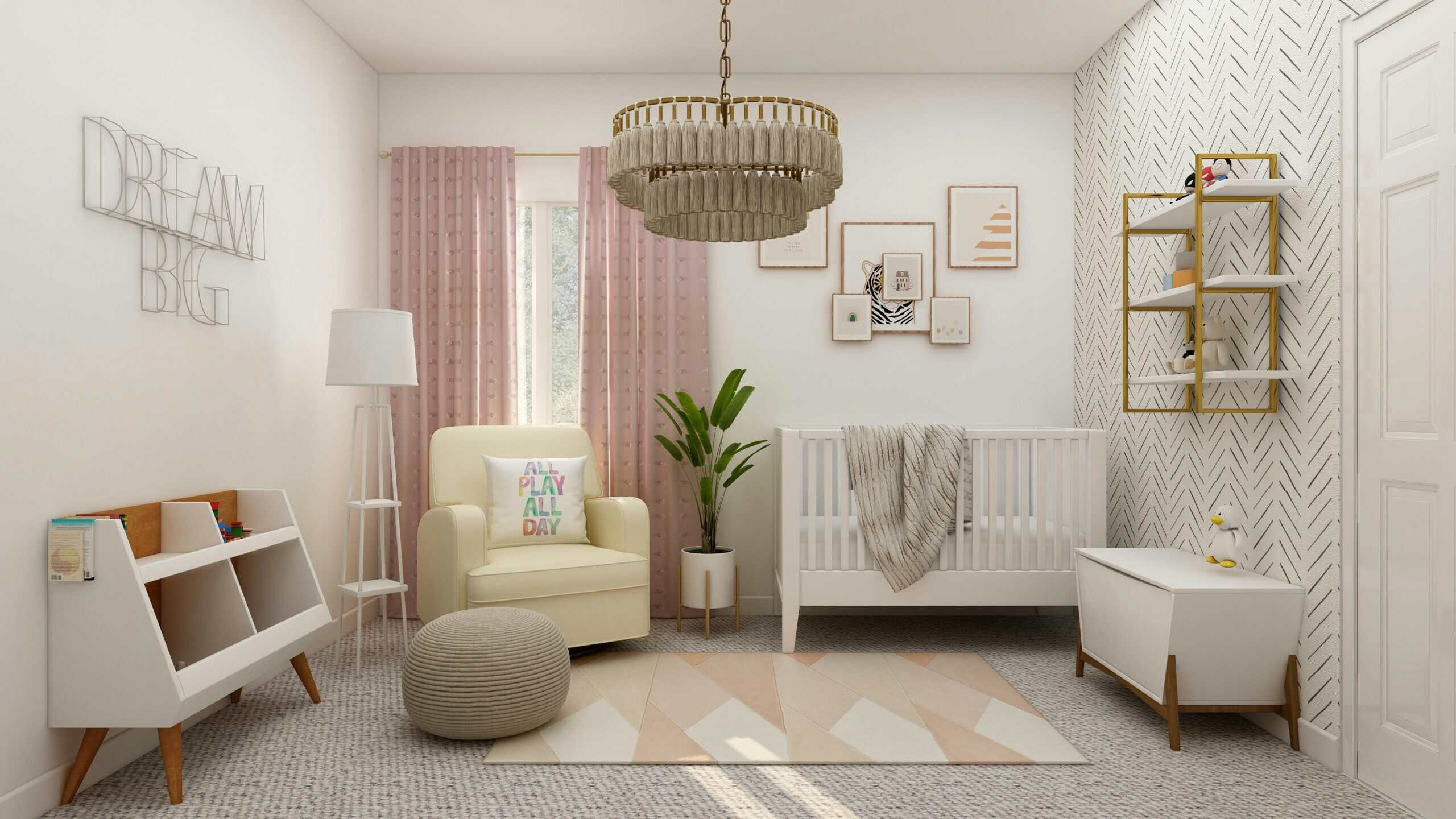
Setting up a nursery is exciting, and the most important part is getting the sleep space right. A safe nursery centers on one idea: a firm, flat, bare sleep surface with the baby placed on their back. The rest, from a calm, dark room to comfortable temperature, supports better sleep around that core. This guide walks through each piece in order, so you can set up with confidence. This is general information, not medical advice; follow your pediatrician and current safe-sleep guidance for your baby.
Quick Answer
To set up a safe nursery, start with a firm, flat crib or bassinet mattress that fits snugly, dressed with only a fitted sheet. Keep the sleep space completely bare, no pillows, blankets, bumpers, or toys, and always place your baby on their back. Then make the room calm with soft lighting, gentle sound, comfortable temperature, and clean air, keeping everything soft or loose out of the crib itself.1
Why Trust This Guide
Independent, reader-supported through affiliate links at no cost to you. Because infant sleep is a safety topic, this guidance follows the American Academy of Pediatrics and the U.S. Consumer Product Safety Commission rather than marketing claims, with sources cited below. This is not medical advice; always follow current safe-sleep guidance and your pediatrician.
Key Takeaways
- Start with a firm, flat, snug-fitting mattress and a fitted sheet as the only bedding.1
- Keep the sleep space bare: no pillows, blankets, bumpers, or soft toys.1
- Always place the baby on their back, and avoid overheating.1
- Support sleep with a calm, dark, comfortable room, keeping all extras outside the crib.
How to Set Up a Safe Nursery Step by Step
- Choose a safe sleep surface: a crib or bassinet with a firm, flat, snug-fitting mattress.
- Dress it with only a fitted sheet made for that mattress size.
- Keep the sleep space bare, with no pillows, blankets, bumpers, or toys.
- Always place your baby on their back for every sleep.
- Keep the room at a comfortable temperature and dress the baby lightly to avoid overheating.
- Make the room calm and dark, keeping cords well away from the crib.
- Add gentle sound and clean air if it helps, with devices placed away from the sleep space.
Step 1: Choose a Safe Sleep Surface
The foundation of a safe nursery is the sleep surface. Choose a crib or bassinet that meets current safety standards, and pair it with a firm, flat crib mattress or bassinet mattress that fits snugly with no gaps.1,2 The mattress should be firm enough that it does not conform to the baby’s head. If you are deciding between the two, our bassinet vs crib guide compares them, and both follow the same safety basics.
Step 2: Dress It With Only a Fitted Sheet
The only bedding a safe sleep space needs is a snug fitted sheet made for that mattress size. Add a fitted crib sheet that stays securely in place, and nothing else on the surface.1 Skip mattress toppers and extra padding, since they create a soft surface. A well-fitting sheet over a firm mattress is all the sleep surface should have.
Step 3: Keep the Sleep Space Bare
This is where many well-meaning setups go wrong. Keep pillows, blankets, crib bumpers, positioners, and soft toys out of the crib entirely, since loose and soft items are unsafe in an infant’s sleep space.1 A bare crib may look plain, but it is exactly what safe sleep calls for. Save decorative items for shelves and walls, well away from the sleep surface.
Step 4: Place Your Baby on Their Back
Always place your baby on their back for every sleep, naps included, on the firm, flat surface.1 For warmth, use appropriate sleepwear, a swaddle for newborns, or a wearable sleep sack rather than a loose blanket. Stop swaddling once your baby shows signs of rolling, and switch to an arms-free sleep sack at that point.
Step 5: Get the Temperature Right
Overheating is a safety concern, so keep the room at a comfortable temperature and dress your baby lightly, avoiding heavy layers.1 Dress the baby in one more light layer than an adult would find comfortable, and check for signs of being too warm. A comfortable, well-ventilated room supports safe, restful sleep.
Step 6: Make the Room Calm and Dark
Once the sleep surface is safe, you can shape the room around it for better sleep. Soft, controllable lighting helps, so many parents add blackout curtains to darken the room for naps and a gentle nightlight for feeds and changes. Keep cords from blinds and curtains well away from the crib, since dangling cords are a hazard near a sleep space.
Step 7: Add Gentle Sound and Clean Air
A steady, low sound can help some babies settle, so a white noise machine placed across the room at a low volume is a common addition. Keep the air comfortable and clean, and use a humidifier or air purifier placed away from the crib if it helps your room. As with everything, keep devices and cords out of and away from the sleep space itself.
Common Nursery Setup Mistakes to Avoid
Adding Bumpers or Loose Bedding
Crib bumpers, blankets, and pillows may look cozy but are unsafe in an infant’s sleep space. Keep the crib bare aside from a fitted sheet, and use sleepwear or a sleep sack for warmth instead of loose blankets, following safe-sleep guidance.1
Using a Soft or Ill-Fitting Mattress
A plush mattress, an added topper, or a mattress that leaves gaps is a hazard. Use a single firm, flat mattress that fits the crib or bassinet snugly, and never add padding or substitute a softer or thicker mattress, and the Consumer Product Safety Commission advises using only the mattress or pad that comes with the product.1,2
Placing the Crib Near Hazards
Cords from blinds, curtains, or monitors near the crib are a strangulation risk. Position the crib away from windows, cords, and anything a baby could reach, and keep the surrounding area clear so nothing can fall or be pulled into the sleep space.
Overheating the Room
A room that is too warm or heavy layers can cause overheating. Keep the temperature comfortable, dress your baby lightly, and check that they are not too warm, since avoiding overheating is an important part of safe sleep.1
When should I ask a pediatrician?
Before introducing anything into an infant’s sleep space, and for any question about safe sleep positioning, bedding, or products used around a baby. Guidance changes as evidence develops, and current pediatric recommendations are the reference rather than product marketing.
Recommended Reading
Frequently Asked Questions
What is the most important part of a safe nursery?
The sleep surface. A safe nursery centers on a firm, flat mattress that fits the crib or bassinet snugly, dressed with only a fitted sheet, with the baby placed on their back and nothing loose or soft in the sleep space.1 Everything else supports that core.
What should not go in a crib?
Keep pillows, blankets, crib bumpers, sleep positioners, and soft toys out of the crib, since loose and soft items are unsafe in an infant’s sleep space.1 The crib should have only a firm mattress and a snug fitted sheet, with everything else kept outside it.
How should I keep my baby warm without a blanket?
Use appropriate sleepwear, a swaddle for newborns, or a wearable sleep sack instead of a loose blanket, which is unsafe in the crib.1 Dress your baby in light layers suited to the room temperature, and avoid overheating by not over-bundling.
Do I need blackout curtains and a sound machine?
They are optional comfort additions, not safety requirements. Many parents find blackout curtains help with naps and a low white noise machine helps some babies settle. If you use them, keep cords away from the crib and place devices across the room, well outside the sleep space.
What room temperature is best for a nursery?
Aim for a comfortable temperature that is not too warm, and dress your baby lightly, since overheating is a safety concern.1 A good rule is to dress the baby in about one more light layer than an adult would find comfortable, and check that they are not overheating.
Where should the crib go in the room?
Place the crib away from windows, blind and curtain cords, monitors, and anything a baby could reach or pull, since dangling cords are a hazard. Keep the surrounding area clear so nothing can fall into the sleep space, and follow the crib’s assembly instructions.
Is room-sharing part of a safe setup?
The American Academy of Pediatrics encourages room-sharing, where the baby sleeps on their own separate safe surface in the parents’ room in the early months.1 A bassinet makes this easy. Room-sharing does not mean bed-sharing; the baby always needs their own firm, flat, bare sleep space.
When can I add pillows and blankets?
Soft bedding like pillows and blankets should stay out of the sleep space during infancy. Follow your pediatrician’s guidance on when items can be introduced as your child grows, and until then rely on sleepwear and sleep sacks for warmth rather than loose bedding in the crib.1
Sources
- American Academy of Pediatrics, HealthyChildren.org, A Parent’s Guide to Safe Sleep, on a firm flat sleep surface, a fitted sheet as the only bedding, a bare sleep space, back sleeping, avoiding overheating, and room-sharing. https://www.healthychildren.org/English/ages-stages/baby/sleep/Pages/a-parents-guide-to-safe-sleep.aspx
- U.S. Consumer Product Safety Commission, Safe Sleep, on using only the provided firm mattress that fits snugly and avoiding added padding. https://www.cpsc.gov/SafeSleep
Start with the full natural sleep quality optimization guide.
