
If you’re shopping, start with our guide to the best pillows for hot sleepers. Sleeping in the heat without air conditioning is miserable, but a combination of airflow, smart bedding, body-cooling tricks, and room management can make hot nights far more bearable. I sleep in Arizona, where summer nights get genuinely hot, and over time I have put together a setup that keeps me comfortable without relying on AC. The good news is that most of these methods are cheap or free, and stacking several together makes the biggest difference. This guide walks through practical ways to stay cool and fall asleep when the temperature climbs. For gear that helps, see our guides to the best bedside fans and cooling blankets.
Quick Answer
To sleep in hot weather without AC, stack several methods: set up fans for a cross-breeze, block the sun by day and ventilate at night, use breathable summer bedding and a cooling mattress topper, take a lukewarm shower before bed, and cool your pulse points. Living in Arizona, I rely on a fan, blackout curtains, breathable bedding, and a cooling topper together, since no single trick transforms a hot night but combining them makes a real difference.
Key Takeaways
- Airflow is the foundation: use fans for a cross-breeze and vent your room during the cooler night hours.
- Block daytime sun with blackout curtains so the room starts cooler at bedtime.
- A cooling mattress topper puts a cooler surface between you and a heat-trapping mattress.
- Switch to breathable linen, cotton, or bamboo bedding, a cooling pillow, and minimal covers for summer.
- Stacking several methods together works far better than any single trick.
Manage Airflow and Your Room
Moving air and controlling how heat enters and leaves your room are the foundation of staying cool without AC. These steps cost little and make a real difference, and they are the first things I set up each summer.
Create a cross-breeze with fans
A fan is the single thing I rely on most: I keep one running through the night, and positioning fans to create a cross-breeze moves warm air out and cooler air in. Pointing a fan out of a window at night can push hot air out while another draws cooler night air in. Moving air helps sweat evaporate, which is what actually cools your skin.
Block out daytime heat
I keep thick blackout curtains closed through the hottest part of the Arizona day, and it makes a noticeable difference to how hot the room is by bedtime. Blocking that solar gain early means the room starts cooler at night. Reopening things once the outside air cools in the evening lets built-up heat escape.
Open up at the right times
Close windows during the hot day and open them at night when the outside air is cooler than inside, reversing it in the morning before the heat builds. Timing your ventilation to the cooler hours traps cool air and keeps hot air out. In a desert climate the night-to-day temperature swing makes this especially worthwhile.
Try a DIY cool-air trick
Placing a bowl of ice or a frozen water bottle in front of a fan can push cooler, moister air toward you for a while. It is a short-term trick rather than a whole-room fix, but it can take the edge off right at bedtime.
Choose Cooler Bedding and Sleepwear
What you sleep on and in has a big effect on how hot you feel, so switching to breathable materials for summer helps you stay cool. This is the part of my own setup I have tweaked the most.
Use a cooling mattress topper
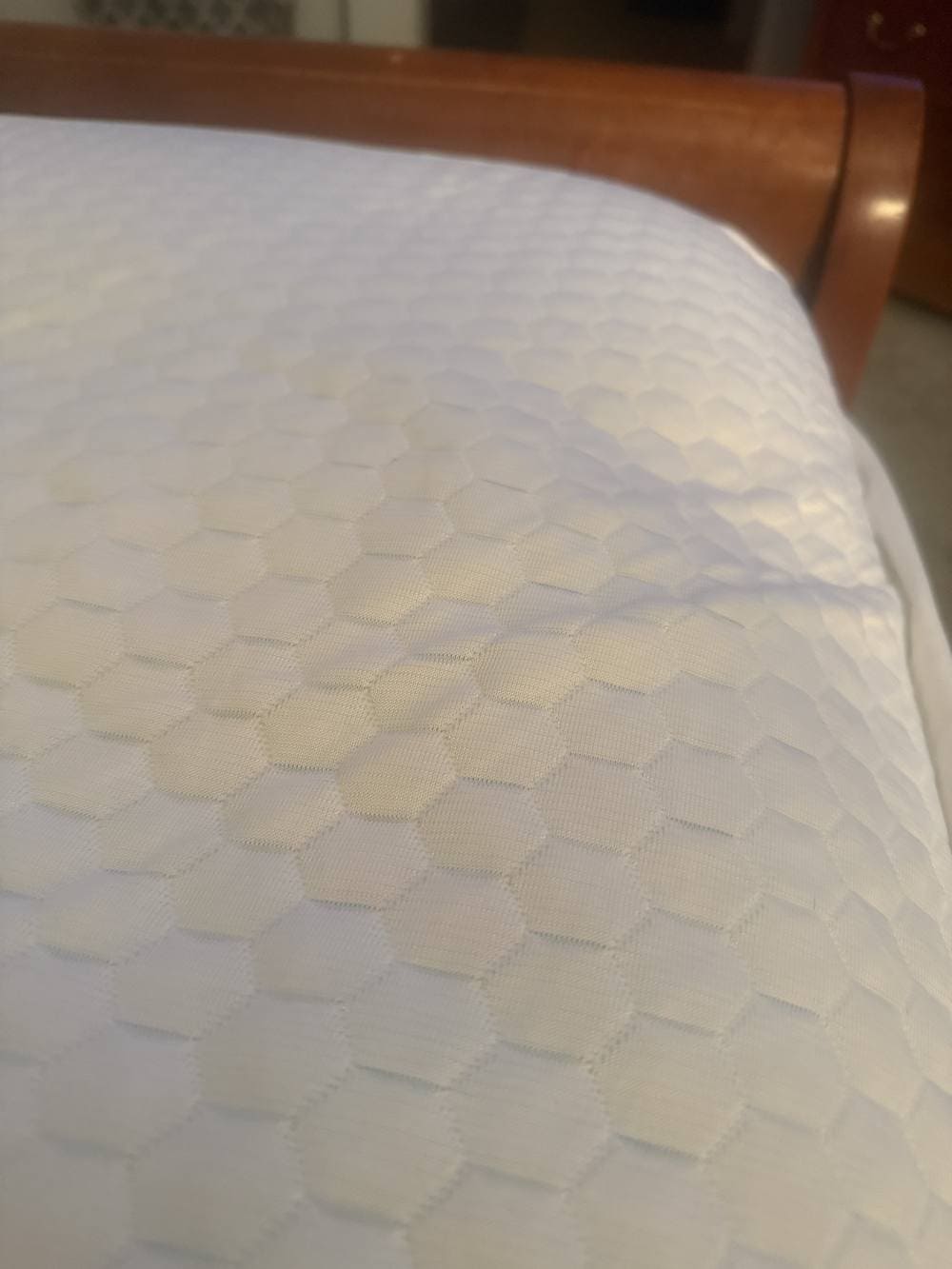
The change that helped me most is a cooling mattress topper. My mattress used to trap heat and leave me too hot, and adding a cooling topper put a cooler surface between me and the mattress, which genuinely helps me sleep through Arizona summer nights. If your bed feels like it holds heat, a topper is worth trying before replacing the whole mattress. See our guide on {L(‘best-cooling-mattress-toppers’,’cooling mattress toppers’)} for options.
Switch to breathable sheets
I sleep on thin, breathable cotton for summer, and lightweight sheets in cotton, linen, or bamboo wick moisture and let heat escape far better than heavy or synthetic bedding. Swapping to summer-weight sheets is one of the simplest cooling upgrades. Linen in particular is prized for hot-weather sleep.
Use less bedding and a cooling pillow
I ditch the heavy comforter in summer for something light, and use a cooling pillow, since your head gives off a lot of heat. Sleeping under minimal, breathable covers lets your body release heat instead of trapping it. A cooling blanket is designed to feel cool against the skin if you want a cover.
Wear light, loose sleepwear
Loose, breathable cotton or moisture-wicking sleepwear helps sweat evaporate and keeps you cooler than heavy or clingy fabric. Some people sleep cooler in minimal sleepwear. The goal is to let air move against your skin.
Cool Your Body Before and During Sleep
Lowering your body temperature directly helps trigger sleep, since your core naturally cools as you drift off. These tricks give that process a head start.
Take a lukewarm shower before bed
A lukewarm or cool shower before bed rinses off sweat and lowers your skin temperature, helping you feel cooler as you fall asleep. Avoid very cold water, which can make your body work to warm back up. A tepid rinse is the sweet spot.
Cool your pulse points
Applying a cool, damp cloth or an ice pack wrapped in a towel to pulse points like the wrists, neck, and ankles cools the blood passing close to the skin. This is a quick way to feel cooler when you are struggling to settle. Keep a barrier between ice and skin.
Stay hydrated
Drinking enough water through the day and keeping a glass by the bed helps your body regulate temperature and replaces fluid lost to sweat. Being dehydrated makes it harder to stay comfortable, which matters even more in a dry desert climate. Avoid large amounts right before bed so you are not up all night.
Damp cloth or misting
Lightly misting your skin or draping a damp cloth over you while a fan blows enhances evaporative cooling. As the water evaporates, it carries heat away from your body. Refresh it if it dries out during the night.
Recommended Reading
- bedside fans cooling
- cooling blankets
- mattress toppers for hot sleepers
- blackout curtains for sleep
- fan and AC combinations
Frequently Asked Questions About Sleeping in the Heat
How can I sleep in the heat without AC?
Combine several methods: create a cross-breeze with fans, block daytime sun and ventilate at night, use breathable summer bedding and a cooling mattress topper, take a lukewarm shower, and cool your pulse points. Stacking these together, as I do in Arizona, makes hot nights much more bearable than any single trick alone.
Does a cooling mattress topper help in hot weather?
In my experience, yes. A cooling mattress topper puts a cooler surface between you and a heat-trapping mattress, which helped me sleep through hot Arizona nights. If your mattress feels like it holds heat, a topper is an affordable thing to try before replacing the mattress.
What is the best fan setup for hot nights?
Position one fan to draw cooler night air in and another to push warm air out, creating a cross-breeze, and point a fan out of a window at night to expel hot air. A fan running through the night is the thing I rely on most, and placing ice in front of it can push cooler air toward you temporarily.
What bedding is coolest for hot weather?
Lightweight, breathable sheets in linen, cotton, or bamboo sleep coolest, paired with minimal covers or a cooling blanket instead of a heavy comforter, and a cooling topper underneath helps too. I use thin cotton in summer. Linen is especially prized for hot-weather breathability.
Does a cold shower before bed help you sleep in heat?
A lukewarm or cool shower rinses off sweat and lowers your skin temperature, helping you feel cooler as you fall asleep. Avoid very cold water, since it can make your body work to warm back up, so a tepid rinse works best.
Why is it harder to sleep when it is hot?
Your body naturally lowers its core temperature to fall asleep, and a hot room works against that process, making it harder to drift off and stay asleep. Cooling your body and room helps that natural temperature drop happen.
How do I keep my bedroom cool during the day?
Keep blinds and blackout curtains closed during the hottest hours to block solar heat, and close windows during the day, opening them at night when the outside air is cooler. I keep thick blackout curtains shut through the Arizona afternoon, which keeps the room from baking.
What should I wear to sleep in hot weather?
Loose, breathable cotton or moisture-wicking sleepwear helps sweat evaporate and keeps you cooler than heavy or clingy fabric. Some people also sleep cooler in minimal sleepwear that lets air move against the skin.
Recommended Reading
See also our guides to feeling suddenly hot in bed, and why does my bed feel hot.
- For a hot dry climate specifically, the full setup for a desert bedroom.
- how to cool a bedroom for better sleep
- window insulation kits for quiet sleep
- why sleep changes with age
Keep reading: our cooling sheets for hot sleepers guide.
