
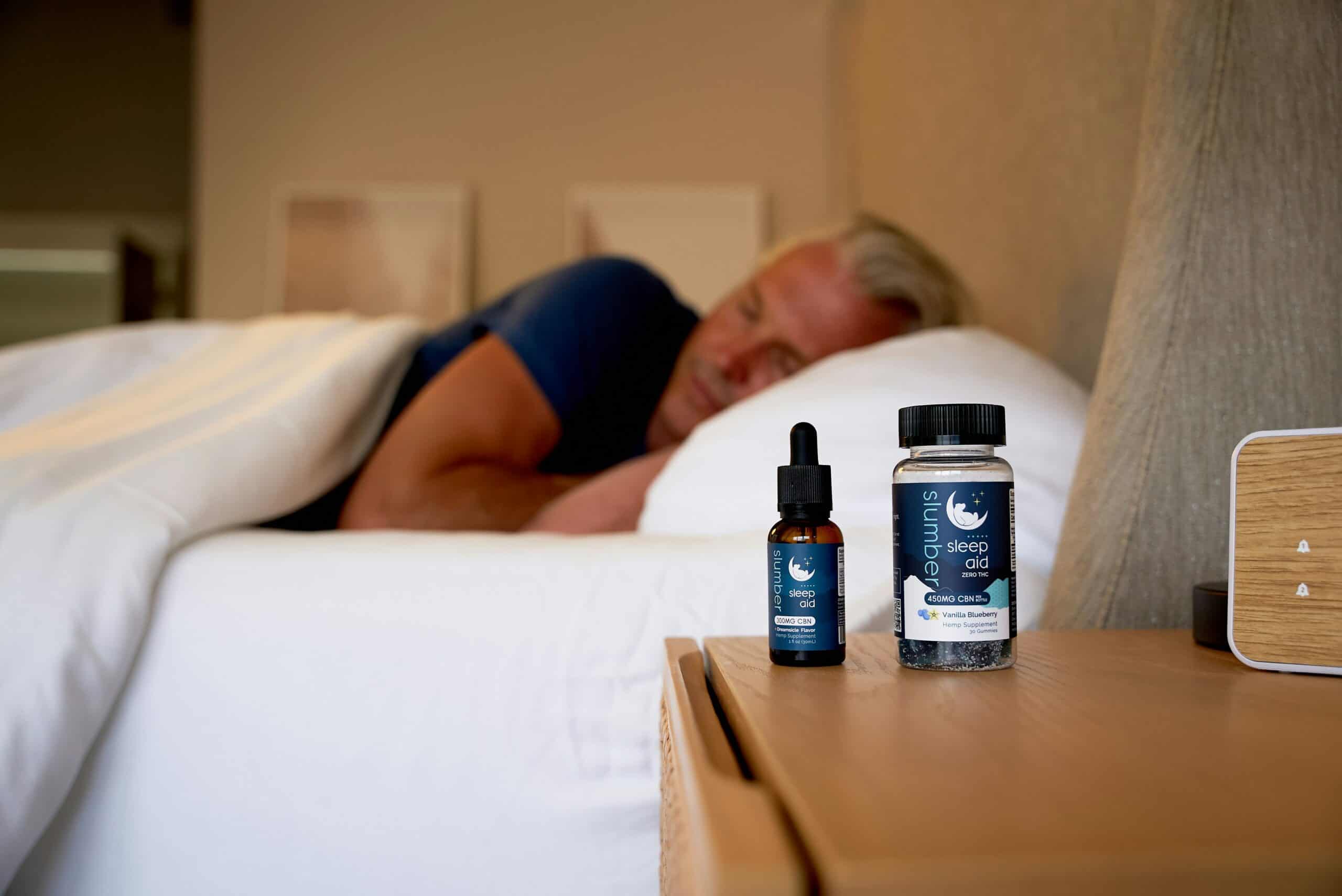
Helping seniors sleep better starts with a steady routine, daytime light and movement, and a bedroom that is comfortable and safe. Sleep changes with age, but broken, unrefreshing sleep is not something older adults simply have to accept. Small, consistent adjustments often make a real difference, and persistent problems deserve a doctor’s review. Comparing options? See our best sleep trackers for better rest roundup.
Key takeaways
- A consistent sleep and wake time anchors an aging body clock.
- Daytime light and gentle activity strengthen the sleep-wake rhythm.
- Comfort and bedroom safety matter more as mobility changes.
- Late caffeine and long afternoon naps are common, fixable sleep stealers.
- Persistent insomnia or heavy daytime sleepiness warrants a medical review.
How Sleep Changes With Age
Knowing what shifts helps you set realistic expectations. Aging changes sleep, though not always for the worse. The goal is better sleep, not the sleep of a twenty-year-old.
Lighter, Earlier Sleep
Older adults often sleep more lightly, wake more during the night, and feel drowsy earlier in the evening. These shifts are common and do not automatically signal a disorder. Understanding them reduces the worry that can itself disrupt sleep.
When It Is More Than Aging
Pain, medications, and medical conditions can all fragment sleep. Treating an underlying cause often improves rest more than any single habit. These adjustments support healthy sleep; ongoing insomnia warrants medical evaluation rather than home fixes alone.
Build a Steady Routine to Help Seniors Sleep Better
A predictable rhythm is the foundation of better sleep at any age. It matters even more in later years, when the body clock drifts more easily. Routine gives it an anchor.
Keep Consistent Times
Going to bed and waking at the same times each day strengthens the sleep-wake cycle. Consistency matters more than the exact hours, so pick a schedule that fits and hold it on weekends too. A drifting bedtime confuses the rhythm older adults are trying to keep.
Wind Down Before Bed
A calm pre-sleep routine signals the body to settle. Reading, gentle stretching, or quiet music all work, while bright screens and stressful tasks do not. Our guide to creating a bedtime routine lays out steps that suit older adults.
Use Daytime Light and Movement
What happens during the day shapes how the night goes. Two daytime habits do most of the work. Both are simple and free.
Get Morning Light
Daylight, especially in the morning, helps anchor the sleep-wake rhythm. A short time outside or by a bright window can make evenings drowsier on schedule. Light exposure is one of the strongest signals the body clock uses.
Stay Gently Active
Regular gentle movement supports deeper sleep, while long days of sitting can fragment it. A daily walk often helps, as long as vigorous exercise stays away from bedtime. Activity also lifts mood, which feeds back into better rest.
Make the Bedroom Comfortable
Comfort carries extra weight as joints and circulation change. The right surface and setting remove physical reasons for waking. Small upgrades pay off nightly.
Support Aging Joints
A supportive surface eases pressure on hips, shoulders, and the back. Many older adults rest better with a mattress topper suited to seniors or a mattress chosen for older adults. The aim is to keep the spine neutral and the pressure points cushioned.
Temperature and Quiet
A cool, dark, quiet room helps the body stay asleep. Blackout curtains, a fan, or a white noise source can smooth over disruptions. Our guide on cooling a bedroom for better sleep covers simple ways to get the temperature right.
Make the Bedroom Safe
Safety becomes part of sleep quality when mobility changes. Night waking is common with age, so the path out of bed should be easy and secure. A safer room means calmer nights.
Reduce Night-Time Fall Risk
Clear walkways, secure rugs, and steady furniture lower the risk of a stumble during a midnight trip. A bed rail for elderly safety can add confidence getting in and out of bed. Confidence at night reduces the anxiety that keeps some older adults awake. The bathroom end of that trip is covered in our toilet riser guide.
Easy Light and Access
A bedside lamp or motion night-light removes the fumble for a switch. Keep water, glasses, and anything needed within reach of the bed. The fewer obstacles between waking and settling again, the faster sleep returns.
Adjust Daily Habits
A few everyday tweaks remove the most common sleep disruptors. None of them is dramatic, and together they smooth out broken nights. Start with whichever fits the day.
Watch Caffeine and Naps
Late-day caffeine and long afternoon naps both eat into night sleep. Shifting caffeine earlier and keeping any nap short and early protects the night. A brief early-afternoon rest is fine; a long late one is not.
Manage Evening Fluids and Screens
Cutting back on fluids in the last hour or two reduces night-time bathroom trips. Dimming screens and lights in the evening helps the body wind down. Both changes target the wake-ups that frustrate older sleepers most.
How Much Sleep Older Adults Need
A common worry is that needing less sleep is normal with age. The total need changes less than people expect; the pattern is what shifts. Setting the right expectation takes pressure off the night.
The Total Stays Similar
Older adults still need a similar amount of sleep to other adults, even though it often arrives broken into shorter stretches. Quality and timing change more than the raw hours. Judging sleep by how rested you feel beats counting hours alone.
Why It Feels Different
Aging brings lighter sleep stages and more brief awakenings, so the night feels less solid even when the total holds. This is a normal shift, not a failure. Knowing that reduces the anxiety that can keep an older adult staring at the ceiling.
Health Issues That Disrupt Senior Sleep
Sometimes poor sleep in later years points to something treatable. These factors are common and worth raising with a doctor rather than working around alone. Addressing the cause often helps more than any bedtime tweak.
Pain and Discomfort
Arthritis and other sources of pain make it harder to fall and stay asleep. Treating the discomfort, and using a supportive surface, often improves the night. A comfortable bed removes one physical reason for waking.
If pain regularly wakes a dog or an older adult, treating the source often does more than any sleep tip. A doctor can review whether a condition or its treatment is interfering with rest. Pairing that with a supportive surface tends to give the biggest improvement.
Sleep Apnea and Restless Legs
Loud snoring with pauses can signal sleep apnea, and an urge to move the legs at night can point to restless legs. Both are recognized conditions a doctor can assess and manage. They deserve evaluation rather than acceptance as normal aging.
Medications and Their Timing
Some medications affect sleep, and the time of day they are taken can matter. A doctor or pharmacist can review whether a prescription is contributing to broken nights. Never change a medication schedule without that guidance.
Daytime Habits That Improve Night Sleep
What happens in daylight sets up the night, so a few daytime choices pay off after dark. None of them is demanding. Stack them and the nights smooth out.
Sunlight and a Steady Routine
Time outside in the morning anchors the body clock, and keeping wake and sleep times steady reinforces it. A predictable day leads to a more predictable night. Light and routine together are the strongest free tools available. Caregivers who need to know about a night-time trip should see our bed exit alarm and monitor guide.
Diet and Evening Timing
Heavy meals, caffeine, and alcohol close to bedtime all interfere with sleep. Shifting them earlier gives the body time to settle before bed. Small timing changes here remove common late-night wake-ups.
How Light Shapes the Aging Body Clock
Light is the strongest signal the body uses to time sleep, and that signal weakens with age. Using it deliberately can pull a drifting schedule back into line. The timing of light matters as much as the amount.
Morning Light Sets the Day
Bright light early in the day tells the body clock that the day has started, which helps drowsiness arrive on time at night. A short time outside after waking, or by a sunny window, often does it. For an older adult who wakes early anyway, that early light is easy to catch.
Dim the Evening
Bright light late in the evening pushes the body clock later and delays sleep. Dimming lamps and screens in the last hour signals the body to wind down. Warmer, lower light in the evening pairs well with a steady bedtime.
When to Consider Professional Help
Home habits solve a lot, but not everything. Some sleep problems point to a condition that benefits from a professional’s input. Knowing when to ask saves months of frustration.
Signs a Specialist Can Help
Loud snoring with breathing pauses, an uncontrollable urge to move the legs at night, or heavy daytime sleepiness despite enough time in bed all warrant a doctor’s review. These can reflect treatable conditions rather than ordinary aging. A primary care doctor can refer to a sleep specialist when needed.
What an Evaluation Involves
A sleep evaluation may start with a conversation about habits and a sleep diary, and can include a sleep study if a condition like apnea is suspected. The goal is to find a cause, not to prescribe a pill by default. Many sleep problems improve once the underlying issue is addressed.
Managing Nighttime Waking
Waking during the night is common with age, so the goal is to make those wake-ups short and easy to recover from. How you handle them shapes the rest of the night. A calm approach beats fighting it.
Getting Back to Sleep
Lying awake and frustrated trains the brain to link the bed with stress, so getting up briefly for a quiet activity often works better. Return to bed once drowsiness comes back. Keeping the lights low during any wake-up helps the body settle again.
Limiting Disruptions
Cutting fluids in the last hour or two reduces bathroom trips, and a clear, safe path to the bathroom keeps any trip short. A night-light removes the fumble for a switch and lowers the fall risk. The fewer obstacles between waking and resettling, the faster sleep returns.
A Simple Evening Routine to Try
Putting the pieces together helps more than any single tip. A predictable wind-down tells an aging body clock that sleep is coming. Here is one easy routine to adapt.
In the last hour before bed, dim the lights and lower the screens, and finish any caffeine or heavy snacks well before this point. Move through a few calm activities in the same order each night, such as a warm drink, gentle stretching, and quiet reading. The repetition itself becomes a signal the body learns to follow.
Set the bedroom up before you settle: cool the room, draw the curtains, and put water, glasses, and a light within reach. Head to bed at the same time you do most nights, even after a poor one. Holding the schedule steady matters more than chasing a single good night, and the routine pays off over weeks rather than days.
Common Mistakes That Keep Seniors Awake
Good intentions sometimes work against sleep. Watch for these patterns in a daily routine.
Heading to bed far too early to chase lost sleep usually backfires. An early bedtime can push waking into the small hours, so aim for a consistent, sensible time instead. The body clock rewards steadiness over front-loading.
Spending long stretches awake in bed trains the brain to link the bed with frustration. If sleep does not come, getting up for a quiet activity and returning when drowsy works better than lying there. The bed should mean rest, not struggle.
Relying on long naps to top up a poor night feeds the next poor night. Keep naps short and early so they refresh without stealing from the dark hours. A nap is a supplement, not a replacement.
Treating alcohol as a sleep aid disrupts the second half of the night. A nightcap may bring drowsiness but fragments later sleep. Other wind-down habits serve better.
Ignoring an uncomfortable, unsafe bedroom leaves easy gains on the table. Pressure points, a hot room, and a risky path to the bathroom all cause wakings that the right setup prevents. Comfort and safety are part of the plan, not extras.
Assuming poor sleep is just old age can hide a treatable problem. Loud snoring with pauses, restless legs, or heavy daytime sleepiness deserve a doctor’s review rather than quiet acceptance. Skipping that conversation is the costliest mistake here.
Recommended read: Comfort solves many night wakings. See our best mattress toppers for seniors and our guide to dealing with insomnia naturally.
Frequently Asked Questions
How much sleep do seniors need?
Most older adults still need a similar total to other adults, though it often arrives in lighter, more broken sleep. Quality and consistency matter as much as hours. Persistent tiredness despite enough time in bed is worth discussing with a doctor.
Why do older adults wake up so early?
Aging often shifts the body clock earlier, so seniors feel sleepy sooner and wake earlier. Morning light, a consistent schedule, and avoiding very early bedtimes can nudge the rhythm a little later.
Are naps bad for seniors?
Short, early naps can be restful, but long or late naps tend to disrupt night sleep. If napping seems to hurt night-time rest, keeping naps brief and earlier in the day usually helps. Daytime rest matters too, and a lift chair makes napping in an upright position practical without a struggle to stand.
What helps seniors fall asleep naturally?
A steady routine, morning light, daytime movement, a comfortable supportive bed, and limiting late caffeine all help. If natural steps are not enough, a doctor can check for underlying causes rather than relying on sleep aids alone.
Do cooler bedrooms help older adults sleep?
A cool, dark, quiet room supports staying asleep through the night. Many people find a slightly cool temperature, blackout curtains, and steady background sound reduce wakings. Adjust gradually to find what feels right.
Are sleeping pills safe for older adults?
Some sleep medications carry added risks for seniors, including next-day grogginess and a higher fall risk. A doctor should guide any use. Non-drug approaches like routine, light, and comfort are usually the safer first step.
When should a senior see a doctor about sleep?
Persistent insomnia, heavy daytime sleepiness, loud snoring with breathing pauses, restless legs, or new sleep changes deserve a medical review. These can point to treatable conditions, so they should not be brushed off as normal aging.
Where can I learn more about sleep and aging?
The National Sleep Foundation publishes guidance on how sleep changes with age and how to improve it. The Mayo Clinic sleep tips cover habits that support better rest.
Related Reading
Explore more: melatonin vs magnesium for sleep, aromatherapy diffusers for sleep, and sleep headphones.
Recommended Reading
See also our guides to do essential oils help sleep, and sleep mask vs blackout curtains.
This article is for general information and is not medical advice. Sleep needs and sleep problems vary by individual and require evaluation by a qualified healthcare provider for diagnosis and treatment.
Sources
- Asthma and Allergy Foundation of America. Allergy and asthma resources. https://aafa.org/
- National Institutes of Health. MedlinePlus health topics. https://medlineplus.gov/
