
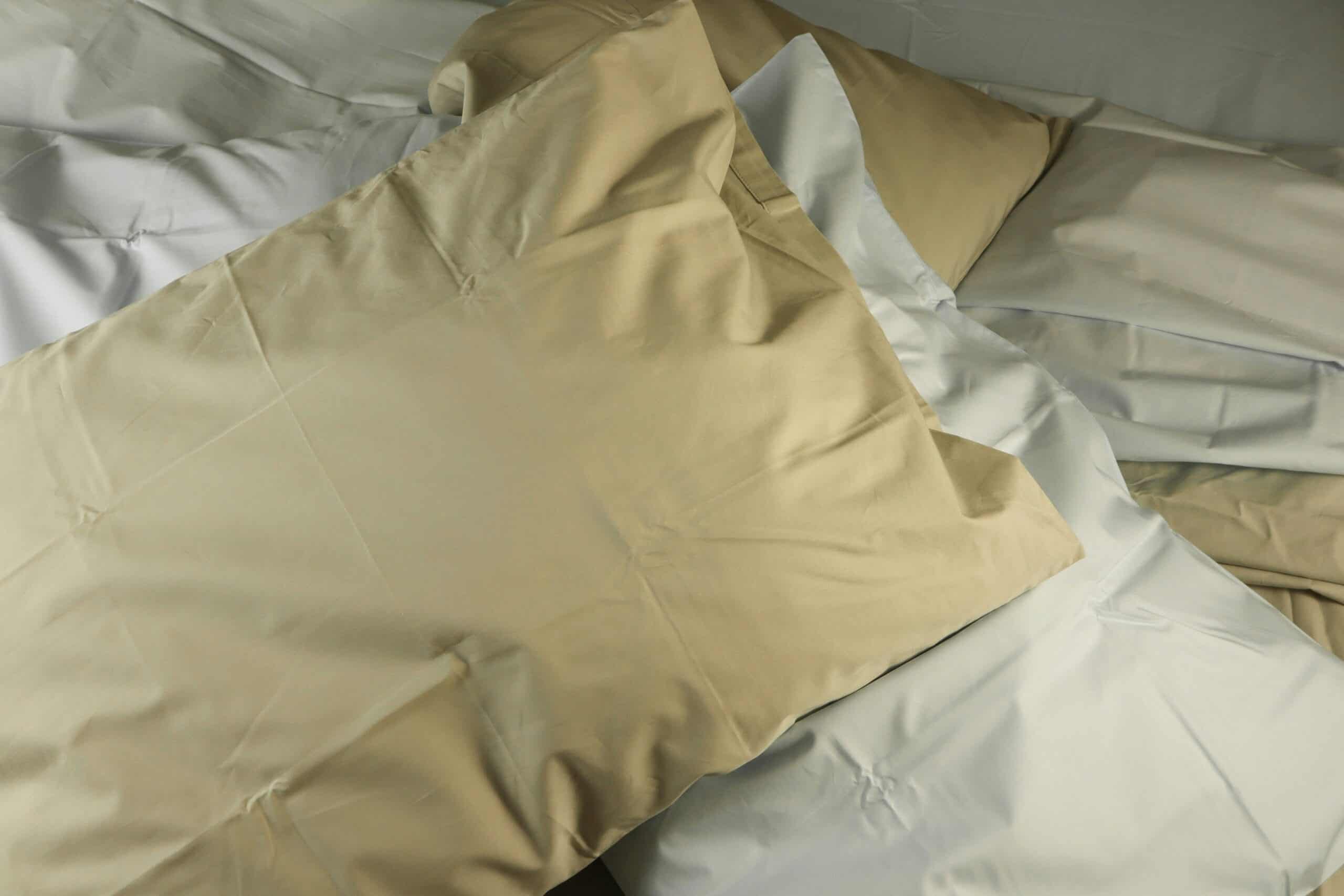
Pillowcases for acne-prone skin have become one of the fastest-growing crossover categories between sleep and skincare. The pitch is straightforward: most pillowcases collect oil, dead skin, sweat, hair products, and bacteria across days of use, then redistribute that mix onto a face that just had its evening skincare routine. The right pillowcase material reduces friction during sleep and creates a less hospitable surface for bacterial buildup, which supports the skincare routine instead of working against it.
The six picks below cover the realistic spread. Mulberry silk options across price tiers, copper-infused antimicrobial picks, and a budget satin alternative for sleepers evaluating the category without committing to premium silk. Each is matched to a specific use case.
One framing note: pillowcases support skin hygiene; they do not treat acne. Persistent or worsening acne, cystic acne, or significant new skin changes warrant evaluation by a dermatologist. A pillowcase upgrade is a useful adjunct to a real skincare plan, not a substitute for one.
Quick Verdict
- choosing bedding fabric more broadly
- Best for most acne-prone sleepers (smooth, washable, affordable silk): Blissy Pure Mulberry Silk Pillowcase: popular middle-of-market pick with 22 momme weight, OEKO-TEX certified, multiple colors.
- Skip if you wash bedding only weekly: Even the best pillowcase loses its skin-friendly properties without frequent washing. Plan to wash pillowcases every two to three days, not weekly.
Disclosure: RestRight is reader-supported. As an Amazon Associate, we earn from qualifying purchases made through links on this page, at no extra cost to you.
Why Pillowcase Material Affects Acne-Prone Skin
Three properties drive the difference between standard cotton pillowcases and the skin-friendly alternatives.
The first is friction. Cotton pillowcases create more drag against the face as sleepers shift position through the night. The friction itself can irritate active breakouts and disrupt the skin barrier. Silk and satin reduce friction substantially because the fibers slide rather than catch.
The second is absorption. Cotton wicks moisture and absorbs whatever is on the face, including evening skincare products, leave-on treatments, and natural skin oils. Once absorbed, those compounds redistribute as the head moves during sleep. Silk and satin absorb significantly less, leaving more of the skincare routine on the skin where it was intended.
The third is the microbial environment. Damp, oil-absorbed fibers create surfaces where bacteria multiply more readily. Smoother, less absorbent surfaces don’t support the same bacterial growth, and copper-infused options actively suppress bacterial colonization.
None of these properties cures or treats acne directly. They reduce factors that can worsen acne or interfere with treatment. The actual acne treatment plan comes from dermatology, not from the bedroom.
What to Look for in a Pillowcase for Acne-Prone Skin
Five criteria sort the picks.
Material. pure mulberry silk is the premium standard. Bamboo viscose and Tencel/lyocell work as alternatives at lower price points. Satin (typically polyester) provides the silk-like smoothness at budget prices but lacks the breathability of natural fibers.
Momme weight (for silk). Momme is the silk weight unit. 19 momme is the minimum for durable everyday silk. 22 momme is the typical premium standard. 25-30 momme is luxury weight. Below 19 momme means thin silk that wears out quickly.
Certifications. OEKO-TEX Standard 100 verifies absence of harmful chemicals in the finished product. For silk specifically, look for grade 6A (highest quality mulberry silk grade).
Closure type. Envelope closures stay in place during sleep without snags. Zipper closures hold tightest but can catch on hair and skin. Hidden zippers split the difference.
Washability. Skin-supportive pillowcases need to be washed every two to three days, which means they need to handle frequent machine washing. Read care instructions. Silk requires gentle cycle with appropriate detergent; some users prefer hand washing for premium silk.
Best Pillowcases for Acne-Prone Skin in 2026: Our Top 6 Picks
1. Blissy Pure Mulberry Silk Pillowcase: Best Overall
Best mainstream silk pillowcase | Price: ~$80 (queen)
Check Price on AmazonBlissy has built one of the strongest brand recognitions in the silk pillowcase category through aggressive marketing and consistently competitive product spec. The 22 momme weight, grade 6A mulberry silk, and OEKO-TEX certification put it solidly in the upper-mainstream tier without the boutique premium pricing of specialty silk brands.
The marketing around the brand is heavy on skincare and hair benefits. The product itself is a quality silk pillowcase that delivers the standard silk properties. For most sleepers, this is the pick that suits the broadest range of preferences and budgets.
Key Features
pure mulberry silk, 22 momme weight, grade 6A silk classification, OEKO-TEX Standard 100 certified, hidden zipper closure, available in 10+ colors.
Pros
Strong reputation and consistent quality. OEKO-TEX certified. Wide color range. Hidden zipper avoids the catch issues of exposed zippers.
Cons
Heavy marketing inflates perceived premium over actual product spec. Premium price for what amounts to standard 22 momme silk. Color choices favor pastels over neutrals.
Best for
Most sleepers entering the silk pillowcase category, particularly those who want mainstream brand recognition with quality construction.
2. ZIMASILK 22 Momme Mulberry Silk Pillowcase: Best Premium Value
Best premium silk at moderate price | Price: ~$45 (queen)
Check Price on AmazonZIMASILK has built a strong Amazon presence by offering silk specifications equivalent to premium brands at significantly lower price points. The 22 momme grade 6A mulberry silk construction matches what Blissy charges nearly double for. The brand presentation is less premium but the product spec is comparable.
For buyers who prioritize spec-per-dollar over brand recognition, this is the value pick in the premium silk tier.
Key Features
pure mulberry silk, 22 momme weight, grade 6A classification, hidden zipper, available in 20+ colors and patterns.
Pros
Strong spec at moderate price. Wider color range than premium brands. Same fundamental fabric quality as significantly more expensive options.
Cons
Brand recognition is lower. Quality control varies slightly more between batches than premium brands. Packaging and presentation less premium.
Best for
Buyers who want premium silk specifications without paying the brand premium of marketing-heavy competitors.
3. Bedsure Satin Pillowcase: Best Budget
Best budget skin-friendly pillowcase | Price: ~$15 (set of 2, queen)
Check Price on AmazonFor sleepers evaluating the skin-friendly pillowcase category without committing to silk pricing, satin pillowcases deliver most of the smoothness benefit at a fraction of the cost. Satin is a weave structure, not a fiber; Bedsure’s satin pillowcases are typically polyester satin, which produces the silk-like surface feel without the breathability of natural fibers.
The trade-offs are real: polyester satin doesn’t breathe like silk, retains heat more, and has different moisture management properties. For category evaluation, kids’ rooms, or budget-constrained primary use, the satin tier works.
Key Features
Polyester satin weave, smooth surface comparable to silk, two-pack standard, multiple color options, envelope closure or zipper variants.
Pros
Significantly lower price than silk. Adequate surface smoothness for friction reduction. Easy to evaluate the category at low cost.
Cons
Polyester base limits breathability. Heat retention higher than silk. Less luxurious feel than premium silk despite similar appearance.
Best for
First-time skin-friendly pillowcase buyers, budget-constrained households, kids’ rooms, or guest beds.
4. Cupron Copper Pillowcase: Best for Anti-Bacterial Focus
Best copper-infused option | Price: ~$60 (queen)
Check Price on AmazonCopper has antimicrobial properties that suppress bacterial growth on contact. Copper-infused pillowcases use copper-oxide-impregnated fibers to bring this property to the surface that contacts the face. For acne-prone sleepers whose breakouts seem linked to bacterial colonization on bedding, copper-infused pillowcases address that variable directly.
Cupron is one of the established brands in this category with longer market history than newer copper entries. The fabric feels closer to cotton than silk; the antimicrobial property comes from the copper, not the surface texture.
Key Features
Copper oxide-infused fiber blend, machine washable, retains antimicrobial properties over many wash cycles, multiple color options.
Pros
Active antimicrobial action rather than just smoother surface. Addresses a different acne-relevant variable than silk. Durable through washing.
Cons
Less smooth feel than silk. Color and aesthetic options limited. Premium price for the antimicrobial property specifically.
Best for
Acne-prone sleepers whose pattern suggests bacterial involvement, or sleepers who want the antimicrobial property in addition to or instead of silk smoothness.
5. LilySilk Mulberry Silk Pillowcase: Best Mid-Premium Silk
Best for color and pattern variety | Price: ~$55 (queen)
Check Price on AmazonLilySilk specializes in silk bedding and apparel, which translates to stronger product line breadth than competitors who treat silk pillowcases as a single SKU. The 19 momme and 22 momme options serve different price points, with the 22 momme being the standard recommendation for everyday use.
Color and pattern range is wider than most competitors. For sleepers who want silk in specific colors to match existing bedding, this is the brand with the deepest selection.
Key Features
pure mulberry silk, 19 or 22 momme weight options, grade 6A classification, OEKO-TEX certified, multiple closure types, wide color and pattern range.
Pros
Strong color and pattern selection. Multiple momme weight options for different budgets. Silk specialty brand with deep product line.
Cons
Pricing varies significantly by variant; easy to over-buy. Sizing options are less standardized than competitors. Customer service quality varies.
Best for
Sleepers who want silk in specific colors or patterns, or buyers wanting to choose between 19 momme (lighter) and 22 momme (standard) at the same brand.
6. THXSILK 25 Momme Mulberry Silk Pillowcase: Best Premium Heavy Silk
Best heavyweight luxury silk | Price: ~$95 (queen)
Check Price on AmazonFor sleepers willing to invest in the upper tier of silk weight, 25 momme construction delivers a heavier, more substantial feel than the standard 22 momme. The drape is denser, the surface feels more luxurious, and the fabric holds up longer through washing cycles. The trade-off is price.
THXSILK is one of the brands competing in the heavyweight silk category at Amazon-accessible price points. The 25 momme variant is meaningfully different from standard 22 momme silk; whether the difference justifies the premium is a personal preference call.
Key Features
pure mulberry silk, 25 momme heavyweight, grade 6A classification, hidden zipper, includes silk care travel pouch.
Pros
Heavier, more substantial silk feel. More durable through washing. Premium presentation.
Cons
Highest price tier among picks. The 22 momme vs 25 momme difference is subtle to many users. Color range narrower than mid-tier brands.
Best for
Sleepers who specifically want heavyweight luxury silk and have used 22 momme silk long enough to know they prefer the heavier feel.
Decision Matrix
| Your situation | Blissy | ZIMASILK | Bedsure Satin | Cupron Copper | LilySilk | THXSILK 25 |
|---|---|---|---|---|---|---|
| First time trying skin-friendly pillowcase | Best fit. Mainstream brand. | Best fit. Value pick. | Best fit. Low-risk evaluation. | Workable. Different category. | Workable. Mid-tier. | Skip. Premium overkill. |
| Acne pattern suggests bacterial involvement | Workable. Silk smoothness. | Workable. Silk smoothness. | Skip. Polyester less antimicrobial. | Best fit. Antimicrobial focus. | Workable. Silk smoothness. | Workable. Silk smoothness. |
| Hot sleeper plus acne-prone | Best fit. Silk breathes. | Best fit. Silk breathes. | Skip. Polyester retains heat. | Workable. Depends on weave. | Best fit. Silk breathes. | Workable. Heavier silk less airflow. |
| Budget under $25 | Skip. Above budget. | Skip. Just above budget. | Best fit. Below budget. | Skip. Above budget. | Skip. Above budget. | Skip. Above budget. |
| Premium investment | Workable. Mid-premium. | Workable. Premium value. | Skip. Budget tier. | Workable. Specialty premium. | Best fit. Silk specialty brand. | Best fit. Heavyweight luxury. |
| Color and pattern matters | Best fit. Wide pastel range. | Best fit. 20+ options. | Workable. Standard colors. | Skip. Limited colors. | Best fit. Deepest selection. | Workable. Limited range. |
Prices reflect typical Amazon listings and may vary; verify current pricing at the time of purchase.
How to Match a Pillowcase to Your Skincare Pattern
The decision splits on three questions.
What’s the primary acne pattern? Friction-irritated acne (where breakouts cluster on the cheek that contacts the pillow) benefits most from silk’s smoothness. Bacterial or inflammatory acne benefits more from copper-infused options. Hormonal or cystic acne typically isn’t pillowcase-responsive; that pattern needs dermatologist input.
What’s the budget reality? Premium silk delivers the most consistent property profile. Mid-tier silk delivers the same fundamental benefits at lower cost. Satin delivers most of the friction-reduction benefit without the breathability or moisture management of natural fibers. Budget tier is fine for evaluation; primary daily use justifies stepping up.
What’s the wash routine? Pillowcases need washing every two to three days to maintain their skin-friendly properties. Heavy silk takes longer to dry; satin and standard silk dry faster. Match the pillowcase to your realistic laundry pattern.
For sleepers whose skin issues extend beyond what pillowcases can address, the broader bedroom hygiene picture matters: weekly washing of pillows themselves, monthly pillow protector rotation, and consistent face-washing routine timing relative to bedtime all interact. Pillow choice also affects skin contact patterns; the matched-set thinking in our guide on choosing the right pillow for your sleep position applies as much to acne-prone sleepers as to neck-pain sleepers. For broader sleep quality work, see our coverage of how to improve sleep quality naturally.
📑 Recommended Read: Pillowcase choice fits into a broader bedtime routine that supports both skin and sleep. Check out our complete guide on how to create a bedtime routine for better sleep for the structural framework.
Care and Washing for Maximum Benefit
Skin-friendly pillowcases lose their benefit when washing is inconsistent.
Wash every two to three days, not weekly. Skin oil, sweat, hair product, and dead skin accumulate fast on the pillow contact area. A pillowcase washed weekly transfers most of the prior week’s accumulation to the face on day six.
Use a gentle, fragrance-free detergent. Heavy fragrances and dyes can transfer to skin and irritate sensitive complexions. Free and clear detergents are the standard recommendation.
Cold water for silk, warm for satin or copper-infused. Hot water damages silk and shortens useful life. Verify the specific care instructions for your pillowcase.
Avoid fabric softener. Coats the fibers and reduces moisture management. Vinegar in the rinse cycle works for softening if needed.
Air dry silk; tumble dry low for satin. Heat damages silk faster than any other factor. Hanging silk from a line or drying flat preserves the property longer.
Replace every twelve to eighteen months for premium silk in heavy rotation, or every twenty-four to thirty-six months for lighter-use cases. Silk that has lost its slip no longer delivers the friction-reduction benefit.
Our Verdict
For most sleepers entering the skin-friendly pillowcase category, the Blissy Mulberry Silk Pillowcase is the unambiguous mainstream pick, with ZIMASILK as the strong value alternative offering equivalent silk specifications at a lower price.
For budget-conscious evaluation, Bedsure Satin provides most of the friction-reduction benefit without the breathability of natural fibers.
For acne patterns where bacterial colonization is suspected, the Cupron Copper Pillowcase addresses that variable directly with antimicrobial fibers.
For color-focused shoppers, LilySilk’s deeper selection is the natural pick. For heavyweight silk preference, THXSILK’s 25 momme construction sits at the upper tier.
For acne that persists or worsens despite pillowcase optimization, dermatologist consultation is the right next step regardless of which pillowcase you settle on.
Common Mistakes
Buying silk and washing weekly. The pillowcase loses most of its benefit between washes. Plan for the two-to-three-day rotation before buying.
Using fabric softener on silk. Coats the fibers and reduces the slip that produces the friction-reduction benefit.
Hot water washing. Damages silk fibers faster than any other factor. Cold water only for silk.
Expecting a pillowcase to treat acne. Pillowcases support skin hygiene; they don’t treat acne. Persistent issues need dermatology.
Buying one silk pillowcase. The two-to-three-day wash rotation requires multiple pillowcases in service. One silk plus existing cotton means most nights still on cotton.
Falling for low-momme silk marketing. Anything under 19 momme is thin silk that wears out fast. The 22 momme weight is the standard for everyday use.
Ignoring the rest of the bedtime skincare routine. Pillowcases work alongside skincare, not instead of it. Cleansing before bed, treating active breakouts, and not applying products that transfer to bedding all matter more than fabric choice.
Skipping certifications when buying for sensitive skin. OEKO-TEX certification verifies absence of harmful residues. For sensitive skin, the certification matters.
Frequently Asked Questions
Do silk pillowcases actually help with acne?
They reduce friction and absorb less skincare product than cotton, which supports the skin barrier and the skincare routine. They don’t treat acne directly. For persistent acne, dermatology input is the priority.
What’s the difference between silk and satin pillowcases?
Silk is a fiber (from silkworm cocoons). Satin is a weave pattern. Most “satin” pillowcases use polyester. Polyester satin gives silk-like smoothness at lower price but lacks the natural breathability and moisture management of real silk.
How often should I wash a silk pillowcase?
Every two to three days for skin-supportive use. Weekly washing lets oil and bacterial accumulation undermine the benefit.
Are silk pillowcases worth the price?
Depends on your friction patterns and budget. For sleepers whose breakouts cluster on pillow-contact areas, silk often delivers visible improvement. For sleepers whose acne is hormonal or systemic, pillowcase upgrades have less effect.
Can I use silk pillowcases if I have allergies?
Most allergy sufferers tolerate silk well. Verify OEKO-TEX certification to confirm absence of harmful chemicals in the finished product.
Will copper pillowcases turn green or stain my pillow?
Modern copper-infused fabrics use copper oxide bound into the fiber. The copper doesn’t leach in the way that copper jewelry sometimes does.
What momme weight should I buy for everyday use?
22 momme is the everyday standard. 19 momme is acceptable but wears faster. 25 momme is luxury and slightly more durable, but the difference is modest.
Can I get the same benefit from a pillow protector underneath cotton?
Partially. Pillow protectors block oils from reaching the pillow itself but don’t change the cotton-against-face friction during sleep. For complete benefit, the face-contact surface needs to be the friction-reducing material.
Related Reading
Explore more: silk pillowcases for better sleep, and sheets for eczema and sensitive skin.
